
Geography and Climate of Egypt’s Cities
Egypt’s cities are characterized by diverse geographical features and climates that have shaped their unique identities. From the bustling streets of Cairo to the historic allure of Luxor, each city reflects its location within the Nile Delta, desert landscapes, or coastal regions. The climate varies across Egypt, with Mediterranean influences along the coast and arid desert conditions inland, creating a dynamic environment that influences daily life, agriculture, and urban development.
Topographical Features
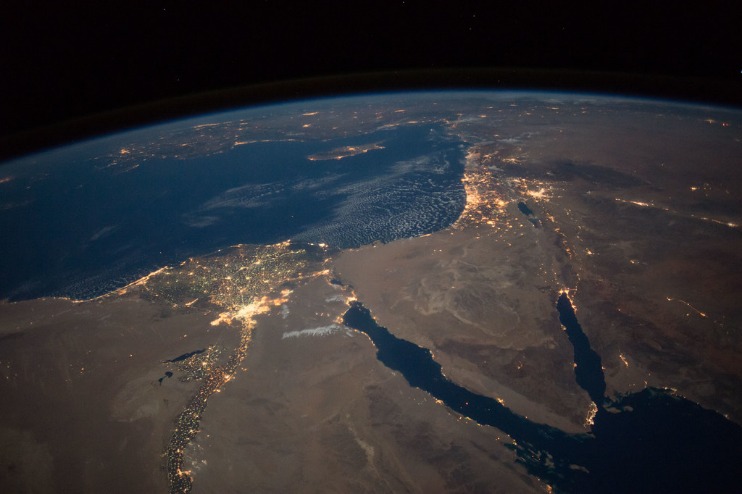
Egyptis a country renowned for its diverse geography and distinct climate, especially evident in its cities. The geographical features vary from vast deserts to fertile Nile River plains, shaping the climate and lifestyle of its urban areas.
Cairo, the capital city, is situated on the northeastern edge of the Nile Delta and is characterized by its proximity to the river and surrounding desert landscapes. The city features a mix of flat plains and low-lying hills, with a hot desert climate that brings extremely high temperatures in summer and mild winters.
Alexandria, located on the Mediterranean coast, boasts a Mediterranean climate, with milder winters and cooler, more humid summers. Its topography includes a coastal plain along with the western desert, influenced by the Mediterranean Sea, which moderates temperature extremes.
Aswan lies in southern Egypt, near the Nile River and close to the desert. Its topographical features include the Nile Valley and surrounding desert terrain. The climate is characterized by very hot summers and mild winters, typical of desert regions.
The Northern Coastline along the Mediterranean features sandy beaches, low limestone hills, and fertile plains, offering a Mediterranean climate conducive to agriculture and tourism.
Topographical Features of Egypt include:
- The Nile River and its delta, providing fertile land and vital water resources.
- The Eastern and Western Deserts, vast arid regions extending across much of the country.
- The Sahara Desert, covering large parts of southern Egypt with extreme desert conditions.
- The Sinai Peninsula, a mountainous area with significant peaks and rugged terrain.
Climate Conditions
Egypt’s cities are characterized by diverse geography and climate conditions that influence their lifestyle and environment. Cairo, the capital, is situated along the Nile River, offering a fertile valley that contrasts sharply with the surrounding desert landscapes. Alexandria, located on the Mediterranean coast, experiences a Mediterranean climate with mild, wet winters and hot, dry summers. Aswan, further south, is in the Nubian Desert region and features an arid, desert climate with extreme temperatures, especially during summer, often surpassing 40°C. Luxor also lies along the Nile and has a hot desert climate, with very little rainfall and high temperatures during summer. These varied climatic conditions shape the agriculture, architecture, and daily activities of each city, reflecting Egypt’s overall desert and riverine landscape. Coastal cities tend to have more moderate temperatures and humidity, while interior cities endure intense heat and low precipitation, emphasizing the country’s predominantly arid environment.
Historical Significance of Egyptian Cities
Egyptian cities have played a crucial role in shaping the rich cultural and historical landscape of the region. These cities, from ancient capitals like Thebes and Memphis to modern hubs such as Cairo and Alexandria, have been centerpieces of civilization, trade, and innovation. Their archaeological sites, architectural marvels, and vibrant communities provide invaluable insights into Egypt’s ancient past and ongoing legacy. The historical significance of these urban areas underscores Egypt’s enduring influence on human history and culture.
Ancient Urban Centers
Egyptian cities, especially ancient urban centers such as Memphis, Thebes, and Alexandria, hold immense historical significance due to their roles as political, religious, and cultural hubs in ancient Egypt. These cities served as centers for administration, religious worship, and economic activity, shaping the development of Egyptian civilization over thousands of years.
- Memphis was the capital of ancient Egypt during the Old Kingdom and acted as a vital political and cultural center, hosting the famous Step Pyramid of Djoser.
- Thebes, known as Luxor today, was a prominent religious and ceremonial city, home to the Karnak and Luxor Temples, and served as the capital during the New Kingdom.
- Alexandria, founded by Alexander the Great, became a major center of learning, culture, and commerce, famous for the Great Library and the Lighthouse of Alexandria.
These cities not only symbolize the architectural and artistic achievements of ancient Egypt but also offer insights into the social structure, religious beliefs, and political organization of one of history’s most enduring civilizations.
Archaeological Sites
Egyptian cities and archaeological sites hold immense historical significance as they offer a window into one of the world’s oldest and most influential civilizations. Cities such as Cairo, Luxor, and Alexandria have served as centers of culture, trade, and political power for millennia, reflecting the rich heritage of ancient Egypt. These urban areas are often home to iconic monuments, temples, and tombs that reveal insights into Egypt’s religious beliefs, social structure, and technological advancements.
Notably, sites like Thebes and the Valley of the Kings are crucial for understanding Egypt’s dynastic history, containing elaborate burial sites of pharaohs and royalty. The archaeological remnants found in these locations, including hieroglyphic inscriptions and richly decorated tombs, provide valuable information about the civilization’s beliefs, practices, and daily life. Such sites have also contributed to the development of Egyptology as a scholarly discipline and continue to attract researchers and tourists worldwide.
Overall, Egyptian cities and archaeological sites serve as vital cultural heritage assets that connect us to the ancient past, illustrating the enduring legacy of Egypt’s history and its influence on human civilization. They remain a testament to the ingenuity and spiritual life of the ancient Egyptians, inspiring ongoing archaeological exploration and preservation efforts.
Main Cities and Their Characteristics
Main cities in Egypt are vibrant hubs of history, culture, and modern development. They each possess unique characteristics that reflect Egypt’s rich heritage while embracing contemporary advancements. From bustling markets and historic landmarks to innovative infrastructure, these cities play a vital role in shaping the country’s identity and economy.
Modern Infrastructure and Development
Modern infrastructure and development play a crucial role in transforming Egyptian cities into vibrant hubs of economic and cultural activity. Over recent years, cities like Cairo and Alexandria have seen significant advancements in transportation, utilities, and urban planning, fostering improved quality of life for residents. These developments not only enhance connectivity and accessibility but also attract investments and innovation, paving the way for sustainable growth and modernization in the heart of Egypt.
Transportation Networks
Egyptian cities have experienced significant advancements in modern infrastructure and development, reflecting the country’s commitment to enhancing urban living and economic growth. These improvements include the expansion of transportation networks that connect various parts of cities and facilitate movement for residents and visitors alike.
Modern transportation networks in Egyptian cities encompass an array of systems such as metro lines, new roads, bridges, and airports that support efficient transit. Cities like Cairo have seen the development of the Cairo Metro, which alleviates traffic congestion and provides a reliable means of travel within the capital. Additionally, ongoing projects aim to modernize highways and create specialized transport corridors to improve connectivity both locally and nationally.
Urban development initiatives focus on building sustainable infrastructure, including smart city projects that incorporate technology for better city management. These efforts not only foster economic opportunities but also aim to improve the quality of life through cleaner, more accessible, and technologically integrated urban environments.
Urban Planning Initiatives
Egyptian cities have experienced significant modernization and expansion through comprehensive infrastructure development and urban planning initiatives. These efforts aim to accommodate growing populations, improve living standards, and foster economic growth. Major projects include the construction of new urban centers, improved transportation networks, and sustainable energy solutions, all designed to enhance connectivity and efficiency within urban areas.
Urban planning initiatives in Egypt focus on creating smart cities and revitalizing historic districts to preserve cultural heritage while promoting modern living standards. Developments such as the New Administrative Capital exemplify efforts to decentralize administrative functions and reduce congestion in Cairo. These projects incorporate green spaces, advanced public services, and innovative architectural designs to promote a healthier and more sustainable urban environment.
Overall, Egypt’s modern infrastructure and urban planning strategies aim to transform its cities into dynamic, resilient, and livable spaces that support long-term development and improve the quality of life for residents.
Economic Zones
Egypt’s cities are experiencing significant progress through modern infrastructure and development initiatives aimed at boosting economic growth. Urban areas such as New Cairo, Alexandria, and the Suez Canal region have seen extensive investments in transportation, healthcare, education, and technology sectors. These developments are instrumental in creating a more interconnected and efficient urban environment, attracting both local and international businesses.
Economic zones in Egypt play a crucial role in stimulating industrialization and export-oriented growth. The Suez Canal Economic Zone (SCZone) is a prominent example, offering special incentives, streamlined customs procedures, and a strategic location to facilitate trade and manufacturing. Other zones, such as the 10th of Ramadan City and the Valley of the Kings, focus on manufacturing, logistics, and tourism, contributing significantly to the country’s economic diversification and employment opportunities.
Overall, the integration of modern infrastructure with specialized economic zones is transforming Egypt’s urban landscape, positioning it as a vital economic hub in the Middle East and North Africa region. These developments are expected to drive sustainable growth and improve the living standards of its residents.
Cultural Heritage and Traditions
Cultural heritage and traditions are vital elements that define the unique identity of a city, reflecting its history, values, and way of life. In Egypt, cities such as Cairo and Luxor boast a rich tapestry of customs and historical landmarks that have been preserved through centuries. These traditions offer a glimpse into Egypt’s ancient civilization, blending ancient practices with modern influences to create a vibrant cultural landscape.
Religious Sites and Festivals
Egyptian cities are rich with cultural heritage and vibrant traditions that reflect thousands of years of history. They are home to numerous religious sites and lively festivals that showcase the diverse spiritual and cultural fabric of the country. These elements play a vital role in preserving Egypt’s identity and attracting visitors from around the world.
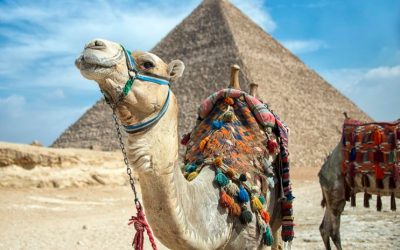
- The Pyramids of Giza and the Sphinx in Cairo are iconic ancient monuments that symbolize Egypt’s extraordinary archaeological legacy.
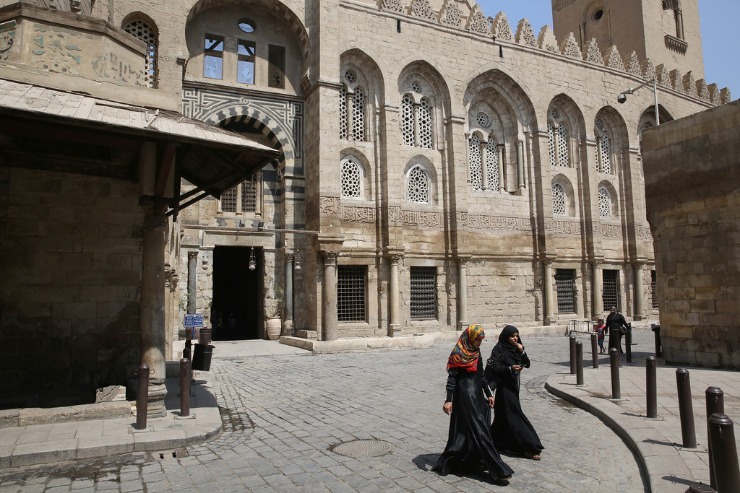
- Historic mosques such as Al-Azhar Mosque and Sultan Hassan Mosque serve as important religious and cultural landmarks in Cairo and other cities.
- Religious festivals like Ramadan, Eid al-Fitr, and Coptic Christmas are celebrated with enthusiasm, featuring special prayers, feasts, and cultural activities.
- Traditional music, dance, and craftsmen markets, especially in cities like Luxor and Aswan, help preserve local arts and customs.
- The annual Abu Simbel Festival celebrates the grandeur of ancient Egyptian temples with rituals and cultural performances.
Local Cuisine
Cairo, the vibrant capital of Egypt, is a city rich in cultural heritage and traditions that have been preserved for centuries. Its historic sites, such as the Ancient Pyramids of Giza and the Sphinx, reflect the glorious past of Egyptian civilization. Throughout the city, traditional music, dance, and crafts continue to thrive, showcasing the deep-rooted customs of the local people.
The local cuisine of Cairo offers a delightful taste of Egypt’s culinary heritage. Popular dishes include ful medames, a hearty fava bean stew often served with bread and vegetables, and koshari, a flavorful mixture of rice, lentils, pasta, and spicy tomato sauce. Street food plays a major role, with vendors offering freshly baked bread, falafel, and kebabs that reveal the vibrant flavors that define Egyptian food culture.
Art and Music Scene
Egypt’s cities are rich in cultural heritage and vibrant traditions that reflect its ancient history and diverse modern influences. From the bustling streets of Cairo to the historic charm of Luxor, each city showcases unique customs, festivals, and culinary traditions that have been preserved over centuries. Art and music are integral parts of Egyptian culture, with ancient hieroglyphics and classical music coexisting alongside contemporary genres and street art, creating a dynamic scene that attracts both locals and tourists. Museums, galleries, and live performances are abundant, celebrating Egypt’s artistic achievements and offering a glimpse into its timeless cultural identity.
Challenges Facing Egyptian Cities
Egyptian cities face numerous challenges as they grapple with rapid population growth, urbanization, and aging infrastructure. These issues strain drainage systems, transportation networks, and public services, making sustainable development difficult to achieve. Additionally, environmental concerns and economic disparities further complicate efforts to improve urban living conditions. Addressing these challenges is crucial for creating resilient and thriving Egyptian cities in the future.
Overpopulation
Egyptian cities, particularly Cairo, face significant challenges due to rapid overpopulation, which strains infrastructure, resources, and social services. As the population continues to grow exponentially, cities struggle to accommodate the increasing number of residents, leading to various urban issues.
- Overcrowding: High population density results in packed living conditions, often with informal settlements lacking proper sanitation and infrastructure.
- Traffic Congestion: The surge in vehicle ownership combined with insufficient road networks causes severe traffic jams and air pollution.
- Housing Shortages: Rapid urban growth outpaces housing development, leading to informal housing and slums.
- Strain on Resources: Increased demand for water, electricity, and waste management overwhelms existing facilities.
- Environmental Degradation: Overpopulation accelerates pollution, deforestation, and depletion of natural resources in and around cities.
- Social Challenges: Overcrowding can lead to increased crime rates, unemployment, and inadequate access to quality education and healthcare.
Addressing overpopulation requires comprehensive urban planning, investment in infrastructure, and policies aimed at sustainable development to improve living conditions and manage growth effectively in Egyptian cities.
Environmental Concerns
Egyptian cities, particularly Cairo and Alexandria, face numerous environmental challenges that threaten the well-being of residents and the sustainability of urban life. Rapid urbanization has led to increased pollution levels, including air and water pollution, which pose severe health risks to inhabitants. Traffic congestion worsens air quality and contributes to greenhouse gas emissions, further accelerating climate change impacts. Waste management is another significant issue, with overflowing landfills and improper disposal practices contaminating land and water sources. Additionally, the city’s limited infrastructure struggles to cope with the growing population’s demands, leading to inadequate sanitation and sewage treatment. These environmental concerns require concerted efforts to implement sustainable urban development practices, improve waste management, and reduce pollution to ensure healthier and more livable Egyptian cities in the future.
Urban Pollution
Egyptian cities, particularly Cairo, face significant challenges related to urban pollution, which impact public health and overall quality of life. Rapid urbanization has led to increased vehicular emissions, industrial waste, and construction activities that contribute to air pollution. Additionally, inadequate waste management systems result in the accumulation of garbage, water pollution, and the spread of diseases. Overpopulation strains infrastructure, making sanitation and clean water access more difficult. The high levels of pollution not only harm residents’ health but also hinder sustainable urban development, necessitating comprehensive policies and efforts to improve environmental conditions in Egyptian cities.
Tourism and Hospitality in Egyptian Cities
Egyptian cities are renowned for their vibrant tourism and hospitality industries, attracting millions of visitors each year. Rich in history, culture, and stunning landscapes, these urban centers offer a unique blend of ancient monuments and modern amenities. From the bustling streets of Cairo to the historic charm of Luxor, Egypt’s cities provide unforgettable experiences for travelers seeking both adventure and comfort.
Popular Tourist Destinations
Egyptian cities are renowned for their rich history, vibrant culture, and exceptional hospitality, making them popular destinations for travelers worldwide. These cities offer a unique blend of ancient monuments and modern amenities, providing an unforgettable experience for tourists exploring Egypt’s diverse attractions.
Popular Tourist Destinations in Egyptian Cities
- Cairo: Home to the iconic Pyramids of Giza, the Sphinx, and the Egyptian Museum, Cairo is a bustling metropolis that combines history with contemporary city life.
- Luxor: Known as an open-air museum, Luxor features vast temple complexes, the Valley of the Kings, and stunning Nile River views, attracting history enthusiasts and archaeologists alike.
- Aswan: Famous for the Aswan Dam, Philae Temple, and vibrant markets, Aswan provides a peaceful atmosphere with its scenic riverfront and cultural richness.
- Alexandria: Egypt’s Mediterranean port city boasts ancient Roman ruins, a historic lighthouse, and beautiful beaches, making it a versatile destination for relaxation and exploration.
- Sharm El Sheikh: Located on the Sinai Peninsula, this resort city is renowned for its crystal-clear waters, coral reefs, and excellent diving opportunities, ideal for beach lovers and adventure seekers.
Hotel and Accommodation Options
Egyptian cities are renowned for their rich history, vibrant culture, and warm hospitality, making them popular destinations for travelers seeking both historical exploration and modern comforts. From the bustling streets of Cairo to the serene shores of Alexandria, visitors can immerse themselves in a unique blend of ancient and contemporary attractions.
Accommodation options in Egyptian cities cater to a wide range of preferences and budgets. Luxury hotels and international chain resorts offer opulent amenities, spas, and fine dining, providing a high level of comfort for discerning travelers. Mid-range hotels and boutique establishments are also plentiful, often featuring traditional Egyptian décor and personalized service.
In addition to hotels, many cities boast numerous guesthouses, hostels, and serviced apartments, which are ideal for travelers seeking affordability or a more authentic local experience. These accommodations frequently provide convenient access to major attractions and transportation hubs, enhancing the overall travel experience.
Overall, Egyptian cities provide a diverse array of lodging options that reflect the country’s historic charm and modern vitality, ensuring that every visitor finds suitable accommodations to enhance their stay. Whether exploring ancient ruins or relaxing by the Mediterranean sea, travelers can enjoy comfortable and memorable stays across Egypt’s vibrant urban landscapes.
Tourist Activities and Experiences
Egyptian cities are vibrant hubs of tourism and hospitality, offering a diverse array of attractions and experiences for travelers. From ancient archaeological sites to modern city life, visitors can immerse themselves in Egypt’s rich history and dynamic culture. Cairo, Alexandria, Luxor, and Aswan are among the top destinations that present unique opportunities for exploration and enjoyment.
Tourists in Egyptian cities can engage in a variety of activities that showcase the country’s heritage and contemporary charm. These include exploring world-famous historical monuments, enjoying traditional cuisine, shopping in bustling markets, and experiencing local entertainment. Whether interested in ancient history or modern amenities, travelers will find plenty to discover and delight in.
- Visiting iconic sites such as the Pyramids of Giza and the Sphinx in Cairo
- Experiencing the ancient temples of Luxor and Karnak
- Strolling along the Corniche in Alexandria and exploring its historic sites
- Enjoying Nile cruises that offer scenic views of the river and surrounding temples
- Sampling authentic Egyptian dishes like koshari, falafel, and fresh seafood
- Shopping for traditional crafts, textiles, and souvenirs in local markets
- Discovering museums that showcase Egypt’s rich history and art
- Participating in cultural festivals and traditional performances
Egyptian cities also provide unique experiences such as desert safaris, hot air balloon rides over the Nile Valley, and guided tours of archaeological treasures. These activities enable visitors to connect deeply with Egypt’s ancient civilization while enjoying comfortable hospitality services. Overall, the combination of historical wonders and lively city life makes Egypt a compelling destination for tourists seeking both adventure and cultural enrichment.


0 Comments