
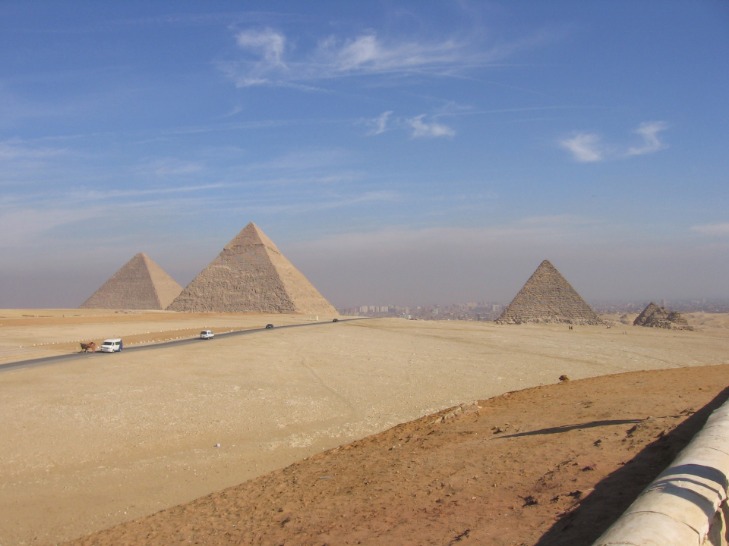
Historical Context of Egyptian Pyramids
The Egyptian pyramids stand as one of the most iconic and enduring symbols of ancient civilization, reflecting the power and religious beliefs of the Pharaohs who ruled Egypt thousands of years ago. Built during the Old and Middle Kingdom periods, these monumental structures served as elaborate tombs designed to honor and facilitate the journey of the pharaohs into the afterlife. Their construction was deeply rooted in the complex spiritual and cultural traditions of ancient Egypt, showcasing remarkable architectural ingenuity and the centralized authority of the pharaohs as divine rulers.
Pre-Old Kingdom Structures
The historical context of Egyptian pyramids, particularly before the Old Kingdom, reveals a lineage of evolving funerary architecture aimed at honoring and preserving the legacy of Egypt’s leaders. During the Pre-Old Kingdom period, which spans roughly from 5500 to 2686 BCE, early tomb structures transitioned from simple mastaba tombs to more complex constructions. These early monuments reflect an evolving spiritual belief system emphasizing the afterlife and the divine status of pharaohs. The step pyramids, such as the Saqqara Step Pyramid built for Pharaoh Djoser, mark significant advancements in architectural design, showcasing the increasing sophistication of Egyptian construction techniques and religious symbolism. These structures served as a foundation for the grandeur of later pyramids and underscored the importance of the pharaoh’s divine rule in Egyptian society. The development of these early tombs set the stage for the monumental pyramids of the Old Kingdom, symbolizing the unity of political power, religious fervor, and architectural innovation that defined ancient Egyptian civilization.
Development During the Old Kingdom
The Egyptian pyramids, particularly those from the Old Kingdom, represent some of the most significant achievements of ancient Egyptian civilization. During this period, roughly from 2686 to 2181 BCE, the era was marked by the centralized political power of the pharaohs who were considered divine figures. The development of pyramids was closely linked to the Egyptians’ religious beliefs, especially their concept of the afterlife and the need to ensure the eternal resting place for their kings. The Old Kingdom saw the transformation of the simple mastaba tombs into monumental pyramids, exemplified by the Step Pyramid of Djoser and the Great Pyramid of Giza, built for Khufu. These structures symbolized the pharaoh’s divine authority and served as a lasting testament to their divine kingship. Advances in engineering, organization, and labor management enabled the Egyptians to construct these enduring symbols of power, with each pyramid complex designed to reflect the divine status of the pharaoh and his journey to the afterlife. This period laid the foundation for subsequent developments in Egyptian architecture and religious ideology, making it a defining epoch in the history of the Egyptian pyramids and their association with the pharaohs.
Political and Religious Significance
The Egyptian pyramids, particularly those constructed during the Old and Middle Kingdom periods, are monumental architectural achievements that reflect the civilization’s complex social and religious structures. These structures served as tombs for pharaohs, embodying their divine status and ensuring their eternal life, which was a central aspect of Egyptian religion. The development of pyramid architecture was deeply intertwined with the Egyptians’ religious beliefs about the afterlife and the divine nature of the pharaoh as a god on earth.
Politically, the pyramids symbolized the centralized power of the pharaoh, who was regarded as a divine ruler with authority over both the spiritual and earthly realms. The construction of these grand monuments demonstrated the state’s organizational capabilities, resource management, and the political stability required to mobilize large labor forces over decades. The pyramids also served as a testament to the pharaoh’s legacy, reinforcing authority and continuity across generations.
Religiously, the pyramids were designed as gateways to the afterlife, intended to facilitate the pharaoh’s soul in reaching the divine realm. They were aligned with celestial bodies, such as the sun and stars, indicating their significance in religious ceremonies and cosmology. The religious function of these pyramids extended beyond the individual pharaoh, representing the divine order and the maintained harmony between gods, the ruler, and the people of Egypt. Their construction reflects the deep integration of religion and governance in ancient Egyptian society, solidifying the pharaoh’s role as both a spiritual and political leader.
Pharaohs and Their Pyramid Relationships
Pharaohs were the powerful rulers of ancient Egypt, believed to be divine representatives of the gods on Earth. Their relationship with the grand pyramids they commissioned remains one of the most fascinating aspects of Egyptian culture. These monumental structures served not only as tombs but also as symbols of the pharaohs’ eternal authority and their journey to the afterlife, solidifying their legacy for centuries to come.
Name and Titles of Major Pharaohs
Egyptian pyramids are monumental structures built as tombs for the pharaohs, reflecting their power and divine status. These pyramids are closely linked to the pharaohs they honor, serving as eternal resting places and symbols of their authority. The design and grandeur of each pyramid vary according to the reign and significance of the respective ruler, with the most famous being the Great Pyramid of Giza. The relationship between pyramids and pharaohs underscores the central role of leadership and religion in ancient Egyptian society.
Major pharaohs associated with prominent pyramids include Pharaoh Khufu, also known as Cheops, who commissioned the Great Pyramid of Giza; Pharaoh Khafre, builder of the second pyramid at Giza and the Great Sphinx; Pharaoh Menkaure, known for the smaller pyramid at Giza; Pharaoh Snefru, famous for constructing multiple pyramids and innovation in pyramid design; and Pharaoh Djoser, who built the Step Pyramid at Saqqara, marking the beginning of pyramid construction. These rulers held titles such as Pharaoh, Lord of Upper and Lower Egypt, and Son of Ra, emphasizing their divine authority and role as mediators between gods and people.
Role of Pharaohs in Pyramid Construction
Pharaohs were the divine rulers of ancient Egypt, regarded as gods on Earth and central figures in Egyptian civilization. Their role extended beyond governance to include religious duties and the afterlife, which was a core aspect of Egyptian culture. One of the most significant monuments associated with pharaohs is the pyramid, a grand tomb built to ensure their safe passage to the afterlife and to demonstrate their divine authority.
The relationship between pharaohs and their pyramids is deeply symbolic, reflecting their status as divine beings and their connection to the gods. Pyramids served as a physical manifestation of the pharaoh’s greatness, their divine nature, and their eternal legacy. The construction of these monumental structures involved extensive planning, resources, and labor, highlighting the importance placed on ensuring immortality for the pharaohs.
Pharaohs played a crucial role in pyramid construction, often commissioning and overseeing the building projects. They acted as the central figures in these endeavors, often associated with specific gods and cosmic principles, which emphasized their divine authority. The design and orientation of pyramids also had religious significance, aligning with celestial events and cardinal points to symbolize their cosmic connection.
- Design and Planning: Pharaohs directed the architectural plans for their pyramids, choosing their symbols, size, and orientation.
- Resource Allocation: They ensured the procurement of materials such as limestone, granite, and gold necessary for construction.
- Religious Significance: Pyramids were built as part of funerary complexes, including temples and burial chambers aligned with religious beliefs.
- Legacy and Power: The grandeur of their pyramids was a testament to their power, maintaining their memory for eternity.
li>Workshop Organization: Pharaohs coordinated thousands of laborers, artisans, and craftsmen from across Egypt.
Succession and Pyramid Building Timeline
Egyptian pharaohs are renowned for their extraordinary pyramid constructions, which served as monumental tombs and symbols of their divine authority. These pyramids are intricately linked to the pharaohs’ succession, as each ruler sought to establish a lasting legacy through these grand structures, often designed to ensure their safe passage into the afterlife. The pyramid building timeline reflects a remarkable evolution in architectural techniques and political stability, beginning with the Step Pyramid of Djoser during the Third Dynasty and advancing to the Great Pyramid of Giza during the Fourth Dynasty. Over time, pyramid construction became more sophisticated, with larger scales and more refined designs, highlighting the importance of the pharaoh’s divine status and the centralized power of the state. The succession of pharaohs frequently coincided with the construction or enhancement of pyramids, underscoring their role in reinforcing their divine rule and eternal remembrance within Egypt’s rich history of monumentality.
Major Pyramids and their Pharaohs
Majestic and awe-inspiring, the pyramids of Egypt stand as timeless symbols of ancient civilization and immense royal power. Built as elaborate tombs for the pharaohs, these monumental structures reflect the spiritual beliefs, architectural ingenuity, and social organization of ancient Egypt. The legacy of the pharaohs, who ruled as divine kings, is deeply intertwined with the pyramids, which serve as eternal monuments to their reigns and divine status.
The Great Pyramid of Giza – Khufu
The ancient Egyptian pyramids are some of the most iconic and enduring symbols of Egypt’s rich history and civilization. Among these, the Great Pyramid of Giza stands out as the most famous and impressive, built for Pharaoh Khufu during the Fourth Dynasty around 2580–2560 BC. This monumental structure was designed as a tomb to ensure Khufu’s journey into the afterlife and to demonstrate the power and divine status of the Pharaoh.
The Great Pyramid originally stood at 146.6 meters (481 feet) tall, making it the tallest man-made structure in the world for over 3,800 years. Its precise construction and massive scale reflect advanced engineering skills of the ancient Egyptians. Inside, complex chambers and passageways were carefully aligned and built with immense blocks of limestone and granite.
Khufu, also known as Cheops, is the Pharaoh associated with this grand monument. He ruled during a period of significant political and economic stability, which enabled the resources and labor necessary for such an ambitious project. The pyramid served not only as a burial site but also as a testament to Pharaoh Khufu’s divine authority and his everlasting legacy in Egyptian history.
Today, the Great Pyramid of Giza remains a marvel of ancient engineering and continues to attract millions of visitors, symbolizing Egypt’s ancient grandeur and the impressive achievements of its Pharaohs.
The Pyramid of Khafre
The Pyramid of Khafre, also known as the Pyramid of Chefren, is one of the most remarkable monuments of ancient Egypt and is part of the three great pyramids at Giza. It was built during the Fourth Dynasty of the Old Kingdom, around 2558–2532 BC, for Pharaoh Khafre, who was a prominent ruler and the son of Khufu. This pyramid is notable for its impressive construction and the pyramids’ complex that includes a mortuary temple and the Great Sphinx nearby.
The Pyramid of Khafre originally stood at about 143.5 meters (471 feet), but now it’s slightly shorter due to the loss of the outer casing stones. Unlike the Great Pyramid of Khufu, Khafre’s pyramid appears taller because it is built on higher ground and retains some of its smooth limestone casing at the apex, giving it a distinctive appearance. The pyramid’s design reflects the ancient Egyptians’ religious beliefs, serving as a monumental tomb to ensure Khafre’s ascension to the afterlife and divine status.
Khafre was a major pharaoh in Egypt’s Fourth Dynasty, known for his contributions to the development of pyramid architecture and Egyptian art. His reign was marked by prosperity and impressive building projects, including the construction of his pyramid and the associated complex at Giza. The Pyramid of Khafre remains a testament to ancient Egyptian engineering prowess and their religious devotion, continuing to captivate visitors and scholars alike.
The Pyramid of Menkaure
The Pyramid of Menkaure is one of the most significant ancient Egyptian pyramids, built during the Fourth Dynasty of the Old Kingdom. It is the smallest of the three main pyramids at Giza, but remains an impressive testament to Egyptian engineering and artistry. Menkaure’s pyramid was constructed as his tomb to ensure his journey to the afterlife, reflecting the strong connection between the Pharaohs and their monumental tombs.
Menkaure, also known as Mykerinos, was a Pharaoh who succeeded Khafre and was renowned for his contributions to pyramid construction. His pyramid originally stood about 66 meters (216 feet) high, though it has lost some of its outer casing stones over millennia. The pyramid complex includes a mortuary temple and valley temple, which once hosted religious rituals and offerings to sustain his spirit.
The Pyramid of Menkaure is closely associated with its associated burial sites and statues, including the famous statues of Menkaure with his queen. It exemplifies the ancient Egyptian belief in the divine nature of the Pharaohs and their role as intermediaries between gods and humans. The construction of this pyramid reflects the sophisticated architectural techniques and religious devotion of the ancient Egyptians, making it a crucial part of Egypt’s ancient heritage.
Pyramids of the Fifth Dynasty Pharaohs
The Pyramids of the Fifth Dynasty Pharaohs stand as remarkable monuments representing the zenith of pyramid construction during ancient Egypt. These pyramids served as tombs for the pharaohs and reflected their divine status and power. The Fifth Dynasty, ruling during the 25th to 24th centuries BCE, is known for advancing pyramid architecture and developing complex burial sites aimed at ensuring immortality for their kings.
Major pyramids of this period include the pyramids of Unas, Teti, Pepi I, Pepi II, and others. Each of these structures showcases evolving architectural techniques, from smooth faces to the inclusion of mortuary temples rich with inscriptions and religious significance. The pharaohs of the Fifth Dynasty emphasized the importance of associated temples for daily rituals and offerings to sustain their spiritual transition to the afterlife.
- Unas Pyramid: the smallest of the Fifth Dynasty pyramids, notable for its Pyramid Texts—the oldest known royal inscriptions that provided guidance for the afterlife.
- Teti Pyramid: featuring a well-preserved mortuary temple and elaborate burial complex, it emphasized religious practices and offerings.
- Pepi I Pyramid: one of the largest and best-preserved pyramids of the era, accompanied by a comprehensive mortuary complex that included chapels and a causeway.
- Pepi II Pyramid: known for its massive size and the longest reign of a pharaoh, showcasing advanced construction techniques and extensive burial chambers.
The pyramids of the Fifth Dynasty pharaohs represent a period of architectural innovation and religious development, laying the foundation for later pyramid achievements in ancient Egypt. Their construction techniques and associated temples reflect not only technological advancements but also a strong emphasis on religious rituals and the divine status of the pharaohs.
Design and Architecture of the Pyramids
The design and architecture of the Egyptian pyramids stand as a testament to the advanced engineering and cultural achievements of ancient Egypt. Built as monumental tombs for pharaohs, these structures showcase meticulous planning, precise alignment, and innovative construction techniques. Their grandeur reflects the importance of the afterlife in Egyptian religion and the immense power of the pharaohs who commissioned them.
Construction Techniques
The design and architecture of the Egyptian pyramids are remarkable feats of ancient engineering, primarily built as monumental tombs for pharaohs. These structures symbolize the divine power and religious beliefs of the Egyptians, with the most famous being the Great Pyramid of Giza. The pyramids’ precise geometric shapes and massive scale reflect advanced planning and understanding of mathematics and astronomy.
Construction techniques of the Egyptian pyramids involved meticulous planning and innovative methods. Large limestone blocks were quarried locally and transported using sledges and rollers, with some evidence suggesting the use of water to reduce friction. Workers employed a combination of ramps, levers, and manpower to lift and position the heavy stones. The core of the pyramid typically consisted of rougher stones, while the outer casing was polished limestone to create a smooth surface that reflected the sun’s rays.
The design of the pyramids evolved over time from stepped structures to the smooth-sided monolithic design seen in the Great Pyramid. Internal chambers and passageways were carefully planned to protect the burial chamber and align with celestial bodies. The precision of the construction and the alignment with cardinal points demonstrate the Egyptians’ sophisticated knowledge in both engineering and astronomy, serving as a testament to their architectural mastery and dedication to their pharaohs’ afterlife journeys.
Materials Used
The construction of the Egyptian pyramids, especially those built for pharaohs, exemplifies remarkable design and architectural mastery of ancient Egypt. These monumental structures served as tombs and symbols of divine power, reflecting advanced engineering techniques and cultural significance.
- The pyramids were designed with precise geometrical principles, primarily in the shape of a pyramid with four triangular sides converging to a point, symbolizing the rays of the sun and connecting the pharaoh to the sun god Ra.
- Architecturally, they featured a central burial chamber, often guarded by various passageways and trapdoors, designed to protect the tomb from tomb robbers.
- The pyramid complex included subsidiary structures such as mortuary temples, offering chapels, and causeways that linked different parts of the complex.
The materials used in the pyramids were chosen for durability and grandeur. The core was typically built with locally quarried limestone, giving the structure strength. For the outer casing, highly polished Tura limestone was used to create a smooth, shining surface that reflected sunlight. In some cases, granite was employed for internal chambers and roofing, especially in the innermost parts, due to its hardness and resistance to weathering. The underground burial chambers often incorporated red granite, known for its resilience, to protect the royal sarcophagus and precious items buried within.
Architectural Innovations
The design and architecture of the Egyptian pyramids, particularly those built for pharaohs, represent some of the most impressive achievements in ancient engineering. These structures were meticulously planned with precise geometric principles to symbolize the divine power of the monarchs and their journey to the afterlife. The pyramids’ massive scale required innovative construction techniques, including the development of complex ramps, pulley systems, and advanced quarrying methods to transport and assemble enormous stone blocks.
Architectural innovations in pyramid construction include the transition from stepped pyramids like the Step Pyramid at Saqqara to the smooth-sided true pyramids exemplified by the Great Pyramid of Giza. This evolution demonstrated a sophisticated understanding of structural stability and aesthetics. The internal chambers and passageways were carefully designed to protect the burial chamber from tomb robbers and to facilitate the pharaoh’s journey to eternity. The use of precise alignments with celestial bodies, such as the cardinal points, highlights the Egyptians’ advanced knowledge of astronomy and architecture.
Overall, the design and architecture of the pyramids reflect a remarkable blend of religious symbolism, technological innovation, and artistic achievement, standing as enduring symbols of Egypt’s ancient civilization and the divine status of its pharaohs.
Religious and Cultural Significance
The pyramids and pharaohs of Egypt hold profound religious and cultural significance that has endured for thousands of years. These monumental structures and their regal rulers embody the ancient Egyptians’ beliefs about the afterlife, divine kingship, and their connection to the gods. Exploring this aspect reveals the rich spiritual and cultural fabric that shaped one of history’s most fascinating civilizations.
Beliefs About the Afterlife
The Egyptian pyramids, especially those built for the pharaohs, hold profound religious and cultural significance, reflecting the ancient Egyptians’ beliefs about the afterlife. These monumental structures were seen as sacred gateways to eternity, designed to ensure the safe passage and eternal residence of the king’s spirit among the gods. The elaborate burial chambers and accompanying rituals emphasized the importance of life after death, where the pharaoh would continue to hold divine authority and be honored as a divine being. The pyramids also served to reaffirm the cultural values of order, stability, and the divine right of the pharaoh, reinforcing their central role in both spiritual and earthly realms. Ancient Egyptian beliefs about the afterworld included the notion of a continued existence, judgment, and the soul’s journey to join the gods, making the pyramids enduring symbols of their intricate spiritual worldview.
Symbolism of the Pyramid Shape
The pyramid shape holds profound religious and cultural significance in ancient Egypt, especially concerning the Pharaohs who commissioned these monumental structures. It symbolizes the sun’s rays and the divine connection between the Pharaoh and the gods, embodying the concept of spiritual ascension and eternal life. The pyramid’s geometric precision and grandeur were meant to facilitate the Pharaoh’s soul’s journey to the afterlife and to reaffirm their divine status on earth.
- The pyramid’s shape represents the rays of the sun, linking the Pharaoh to Ra, the sun god, emphasizing their divine authority.
- It serves as a sacred monument for the Pharaoh’s journey to the afterworld, ensuring immortality and divine favor.
- The pyramid’s structure symbolizes stability and eternal life, reflecting ancient Egyptian beliefs about death and rebirth.
- Its orientation and design incorporate religious symbolism, aligning with celestial bodies and sacred geography to reinforce spiritual connections.
Funerary Practices and Rituals
The Egyptian pyramids, particularly those built for pharaohs, hold profound religious and cultural significance, serving as monumental symbols of divine power and eternal life. These structures reflect the ancient Egyptians’ beliefs in the afterlife, where the pyramids acted as tombs that ensured the pharaoh’s journey to the afterworld and their continued existence as divine beings. Funerary practices centered around elaborate rituals, including mummification and offerings, designed to preserve the body and appease gods like Osiris, the god of the dead. Rituals during the burial process often involved the recitation of spells and inscriptions from the Book of the Dead, safeguarding the soul’s passage. The burial chamber, typically within the pyramid, was filled with items needed in the afterlife, such as jewelry, food, and statues, emphasizing the importance of preparing for an existence beyond death. These practices and the grand pyramids themselves reflect the ancient Egyptians’ deep spiritual beliefs and their reverence for the divine nature of the pharaohs as intermediaries between gods and people, highlighting a culture that prioritized life after death and eternal remembrance.
Discoveries and Archaeological Insights
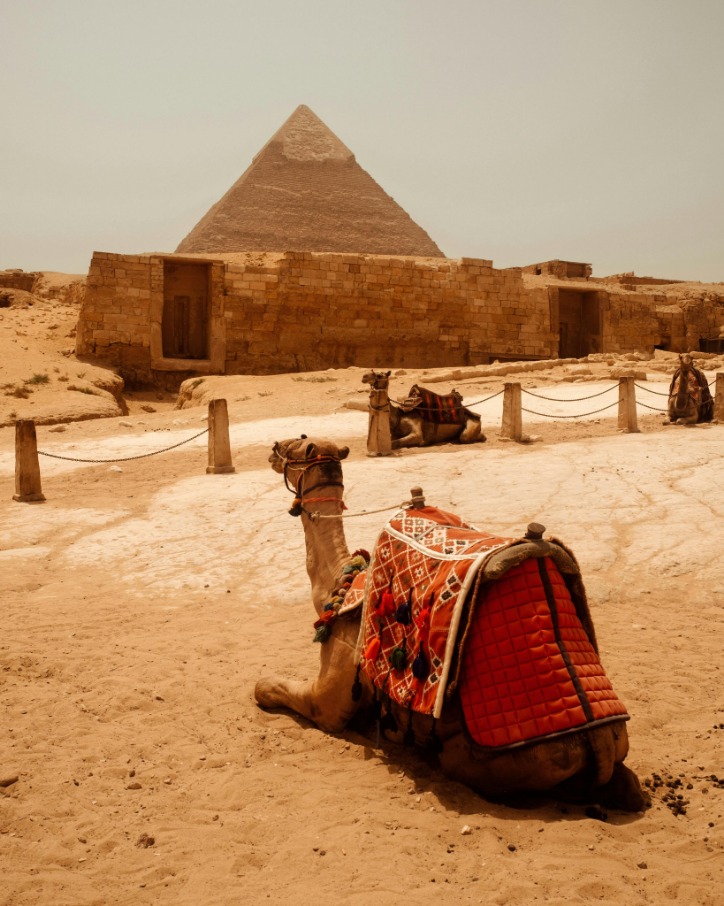
Discoveries and archaeological insights into Egypt’s pyramids and pharaohs have revolutionized our understanding of ancient Egyptian civilization. These monumental structures and the treasures they contain reveal the spiritual and cultural beliefs of the Pharaohs, showcasing their power and divine status. Ongoing excavations and technological advancements continue to uncover hidden chambers and artifacts, shedding light on the secrets of Egypt’s illustrious dynasties and the remarkable engineering feats achieved thousands of years ago.
Key Excavations and Discoveries
Egyptian pyramids and the pharaohs they honor represent some of the most remarkable achievements in ancient architecture and history. These monumental structures served as tombs for the rulers of Egypt, showcasing their divine status and technological prowess. Over the centuries, numerous discoveries and archaeological insights have deepened understanding of Egypt’s past, revealing details about the construction techniques, religious beliefs, and societal organization of ancient Egypt.
Key excavations such as the discovery of the Step Pyramid of Djoser at Saqqara, attributed to Imhotep, marked a significant milestone in pyramid construction. This early pyramid exemplified innovative design by transitioning from traditional mastabas to stone step pyramids. The uncovering of the Great Pyramid of Giza, attributed to Pharaoh Khufu, remains one of the most iconic archaeological achievements, demonstrating advanced engineering and labor organization. Tombs of other pharaohs, such as those of Tuthankhamun in the Valley of the Kings, provided invaluable insights into burial practices, rituals, and daily life in ancient Egypt.
These discoveries have been complemented by advances in technology, including ground-penetrating radar and 3D imaging, which have allowed archaeologists to explore beneath the surface without disturbing the sites. The findings continue to shed light on the religious symbolism, political power, and technological innovations of ancient Egyptian civilization. Each excavation uncovers new artifacts and architectural details that contribute to a richer understanding of Egypt’s storied history and its legendary pharaohs.
Insights from Tomb Inscriptions
Ancient Egyptian tomb inscriptions offer invaluable insights into the religious beliefs, political structures, and daily life of the Pharaohs who commissioned these monumental structures. These inscriptions often detail the achievements of the rulers, their divine lineage, and their journey into the afterlife, providing a rich narrative that helps historians understand the significance of the pyramids as more than mere tombs. Through careful analysis of these texts, archaeologists have uncovered information about the construction techniques, the resources used, and the craftsmen involved in building these awe-inspiring monuments.
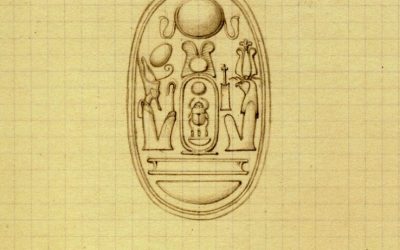
Deciphering hieroglyphic inscriptions within the pyramids and tomb chambers has revealed intricate details about the Pharaohs’ reigns, their conquests, and their religious practices. These inscriptions frequently include the names and titles of the rulers, depicting their divine status as intermediaries between gods and people. Such findings have reinforced the understanding that the pyramids were designed to affirm the Pharaoh’s eternal legacy and divine authority, ensuring their immortality in the afterlife.
Moreover, tomb inscriptions have uncovered evidence of ancient Egyptian mythology, including texts like the Pyramid Texts, which contained spells and prayers meant to aid the Pharaoh’s soul in overcoming obstacles in the journey to the afterworld. These insights have expanded knowledge about the spiritual beliefs that influenced the architecture and grandeur of the pyramids. Overall, the study of tomb inscriptions continues to be a key factor in the ongoing quest to unravel the history and culture of Egypt’s most renowned Pharaohs.
Recent Technological Advances in Exploration
Recent discoveries and archaeological insights have significantly advanced our understanding of the ancient Egyptian pyramids and the pharaohs associated with them. Innovative excavation techniques, such as ground-penetrating radar and drone surveys, have uncovered hidden chambers and tunnels within the pyramids, revealing new details about their construction and purpose. These technological advances have also helped identify previously unknown burial sites and artifacts, shedding light on the complex rituals and beliefs of the ancient Egyptians.
Furthermore, advancements in dating methods, like radiocarbon analysis and thermoluminescence, have provided more precise timelines for pyramid construction and the reigns of different pharaohs. This has led to a reevaluation of historical narratives and clarified the chronological order of pharaohs and their monumental structures. Ongoing research continues to uncover fascinating insights into the engineering feats, religious practices, and political history surrounding Egypt’s iconic pyramids and their royal builders.
Preservation and Modern Relevance
The Egyptian pyramids and their associated pharaohs represent a remarkable fusion of ancient preservation and ongoing modern relevance. These iconic monuments not only embody the secrets of Egypt’s rich historical and cultural heritage but also continue to inspire fascination and scholarly study today. Exploring how these ancient structures have been preserved through millennia and their significance in contemporary times reveals the enduring legacy of Egypt’s illustrious past.
Conservation Challenges
The preservation of Egyptian pyramids and their continued relevance in modern times highlight the importance of protecting cultural heritage while adapting to contemporary challenges. These ancient structures serve as enduring symbols of Pharaohs’ grandeur and Egyptian civilization’s ingenuity, attracting millions of visitors worldwide. Preserving such monuments involves maintaining their physical integrity against natural erosion, pollution, and human interference, which can accelerate deterioration over time.
However, conservation efforts face numerous challenges, including the need for advanced technologies to stabilize and restore the pyramids without compromising their historical authenticity. The local environment, including temperature fluctuations and groundwater issues, also poses ongoing threats to their stability. Additionally, balancing tourist access with preservation is critical to prevent damage from foot traffic and vandalism.
In the context of modern relevance, Egyptian pyramids continue to inspire archaeological research, cultural identity, and tourism economies. Efforts to integrate ancient preservation techniques with innovative digital documentation and conservation strategies are vital for safeguarding these iconic structures for future generations. Ultimately, maintaining the pyramids’ grandeur requires a collaborative approach that respects their historical significance while addressing contemporary conservation challenges.
Tourism and Cultural Heritage
The pyramids of Egypt, built as monumental tombs for the pharaohs, exemplify the incredible ingenuity and cultural significance of ancient Egyptian civilization. Preservation efforts are essential to protect these archaeological treasures from environmental damage, urban development, and tourism-related wear. Maintaining the structural integrity and historical authenticity of the pyramids ensures that future generations can continue to appreciate their grandeur and historical importance.
In today’s context, the pyramids remain highly relevant, serving as symbols of Egypt’s rich cultural heritage and national pride. They attract millions of tourists annually, fostering cross-cultural understanding and economic growth through tourism. The sustainable management of tourism is crucial to balance visitor access with preservation, ensuring that these ancient marvels are preserved while also providing educational and cultural experiences for visitors from around the world.
Ongoing Research and Future Discoveries
The preservation of Egyptian pyramids and the enduring legacy of their pharaohs continue to captivate researchers and historians alike. These monumental structures serve as a testament to ancient engineering prowess and cultural significance, prompting ongoing efforts to conserve their integrity for future generations. Modern technology, such as 3D scanning and drone exploration, enhances our ability to study these wonders without causing damage, ensuring their stability and accessibility.
In addition to preservation, the pyramids hold modern relevance by providing insights into ancient Egyptian society, religion, and technology. They inspire contemporary architecture and archaeological methodologies, bridging the past with present-day innovations. Ongoing research often reveals new chambers, hieroglyphic inscriptions, and underlying structures, deepening our understanding of the complex civilization that built them.
Future discoveries are anticipated to further unravel the mysteries surrounding the construction techniques, burial practices, and political history of the pharaohs. Advances in archaeological methods, including remote sensing and genetic analysis, promise to unlock secrets buried within these ancient tombs. Such breakthroughs will not only preserve the legacy of Egypt’s pharaohs but also enrich our comprehension of human history and cultural development across millennia.



0 Comments