
Climate Overview of Egypt
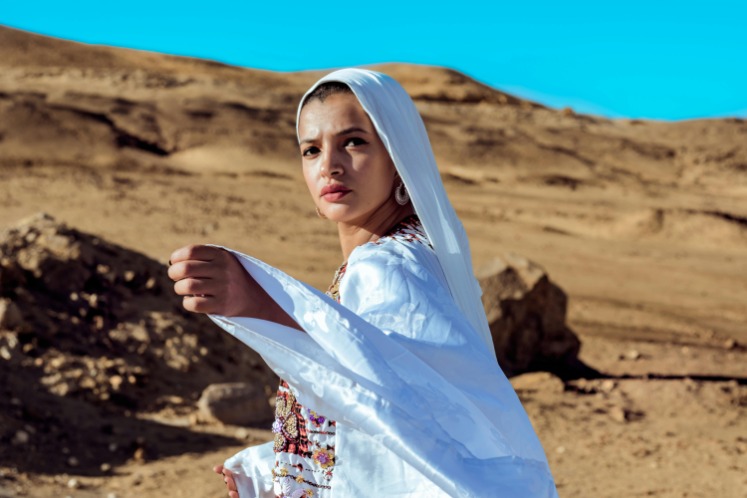
Egypt’s climate is characterized by a predominantly arid and desert environment, with hot summers and mild winters. The country’s geographical features, including the Sahara Desert and the Nile River, greatly influence its weather patterns. While the coastal regions experience more moderate temperatures, inland areas tend to have extreme temperature variations. Understanding Egypt’s climate is essential for appreciating its environmental conditions and planning for agricultural and economic activities.
Desert Climate Characteristics
Egypt’s climate is predominantly characterized by its desert conditions, with most regions experiencing arid and semi-arid environments. The country has long, hot summers with temperatures often soaring above 40°C (104°F), especially in inland desert areas. Winters tend to be mild and relatively brief, with cooler temperatures more common along the Mediterranean coast. Rainfall is sparse throughout Egypt, primarily concentrated in the northern coastal regions, resulting in a dry climate that supports desert landscapes. This desert climate results in high temperatures during the day and significant temperature drops at night, creating extreme temperature variations. The vast exposure to sunlight, combined with minimal atmospheric moisture, defines Egypt’s overall desert climate characteristics, influencing agriculture, water resources, and daily life across the country.
Mediterranean Climate Influences
Egypt’s climate is predominantly characterized by its arid desert conditions, with variations influenced by its geographical location and proximity to the Mediterranean Sea. The overall weather patterns are shaped significantly by Mediterranean climate influences, especially along the northern coastal regions, resulting in a mixture of hot, dry summers and mild, wetter winters.
- The northern coast experiences Mediterranean climate influences, leading to moderate temperatures and higher humidity levels during the winter months.
- Summers in Egypt are typically hot and dry, particularly inland, with daytime temperatures often exceeding 35°C (95°F).
- The Mediterranean sea acts as a moderating influence, preventing extreme temperature fluctuations along the coast compared to the desert interior.
- Winter temperatures along the coast are milder, averaging between 10°C and 20°C (50°F to 68°F), due to the Mediterranean influence.
- Precipitation is generally sparse; however, northern regions benefit from occasional Mediterranean storms, especially during winter, bringing brief periods of rainfall.
Seasonal Weather Patterns
Egypt experiences distinct seasonal weather patterns that significantly influence daily life and activities across the country. From the scorching heat of summer to the milder, more comfortable winter months, these variations shape the environment and climate. Understanding Egypt’s seasonal weather patterns is essential for residents, travelers, and those interested in the region’s climate dynamics.
Winter Temperatures and Conditions
Egypt’s winter weather typically features mild and moderate temperatures, especially compared to colder regions. During this season, daytime temperatures generally range from 10 to 20 degrees Celsius, providing a comfortable climate for outdoor activities. Nighttime temperatures can drop significantly, often falling below 10 degrees, particularly in desert areas and inland regions. While snowfall is rare in most parts of Egypt, higher elevations such as the Sinai Peninsula may experience occasional light snowfalls, creating a picturesque landscape. Humidity levels tend to be lower in winter, contributing to clearer skies and less oppressive conditions. Rainfall is infrequent but can occur during the winter months, especially in the northern coastal regions like Alexandria and the Nile Delta, bringing brief periods of wetter weather. Overall, winter in Egypt offers a relatively mild and dry climate, making it an ideal time for travelers seeking to explore historical sites without the intense heat of summer.
Summer Heat and Humidity
Egypt’s weather during the summer months is characterized by intense heat and high humidity levels, especially in coastal regions. The summer heat often brings daytime temperatures soaring above 35°C (95°F), with midday temperatures sometimes exceeding 45°C (113°F) in desert areas. Humidity tends to increase near the Mediterranean coast, making the heat feel even more oppressive and contributing to a muggy atmosphere.
Seasonal weather patterns in Egypt are largely influenced by its geographic location and proximity to the Sahara Desert. Summers typically experience clear skies and minimal rainfall, leading to dry, hot conditions that persist from late May through September. In contrast, the winter months bring cooler temperatures and some rainfall, especially in northern areas, but summer remains marked by extreme heat and humidity, shaping daily life and outdoor activities across the country.
Transition Seasons: Spring and Autumn
Egypt’s weather experiences distinct seasonal patterns, particularly during the transition seasons of spring and autumn. These periods mark significant changes in temperature and atmospheric conditions, influencing daily life and activity across the country.
- Spring in Egypt typically begins in March and lasts through May. During this season, temperatures gradually rise, resulting in warmer days and cooler nights. The weather remains relatively dry, with occasional light rainfall in some northern regions, particularly along the Mediterranean coast.
- Autumn, spanning September to November, is characterized by decreasing temperatures and a gradual return to milder conditions after the hot summer months. This season often sees pleasant weather with clear skies, making it an ideal time for outdoor activities. Rainfall remains infrequent but may increase slightly during this period, especially in the northern areas.
- Transition seasons also bring changes in wind patterns, such as the shift from the hot, dusty khamsin winds of spring, which can cause sandstorms, to calmer, cooler breezes in autumn.
Regional Weather Variations
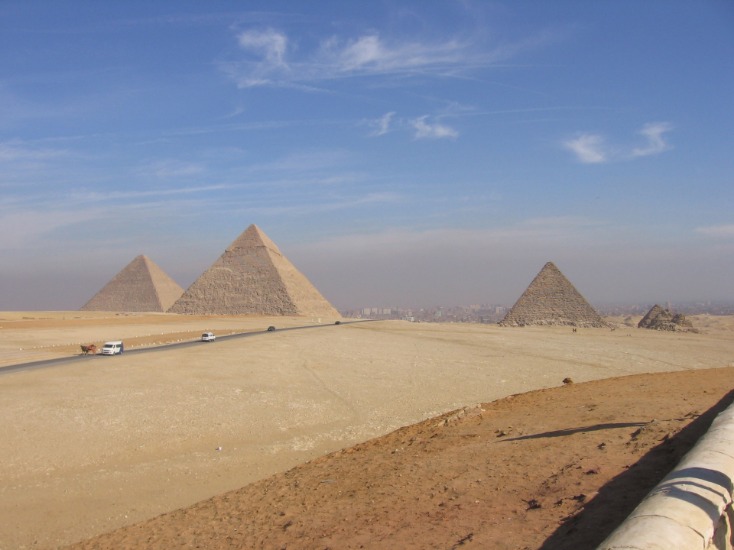
Egypt’s weather exhibits significant regional variations influenced by its diverse geography. From the arid deserts of the western Sahara to the lush Nile Delta and the Mediterranean coastline, each area experiences distinct climate patterns. Understanding these differences is essential for planning travel, agriculture, and daily activities across the country. This article explores the diverse weather conditions found in various regions of Egypt and their impact on local life.
Cairo and Northern Regions
Egypt’s weather varies significantly between Cairo and the northern regions. Cairo, situated in the northeastern part of the country, experiences a desert climate characterized by hot, dry summers with temperatures often exceeding 35°C and mild, slightly humid winters. Rainfall in Cairo is minimal, predominately occurring during the winter months, making it generally sunny and dry year-round.
In contrast, the northern regions, including areas along the Mediterranean coast, have a milder Mediterranean climate. These areas experience cooler summers with temperatures averaging between 24°C and 30°C, and more frequent rainfall, especially during the winter season. The higher humidity and increased precipitation in these regions contribute to more lush vegetation and a different seasonal atmosphere compared to Cairo.
Luxor and Southern Egypt
Regional weather variations in Luxor and Southern Egypt are primarily influenced by their geographical location along the Nile Valley and their proximity to desert regions. Luxor experiences a hot desert climate characterized by extremely high temperatures during the summer months, often exceeding 40°C (104°F), with very low humidity and scarce rainfall. Winters tend to be mild and more comfortable, with daytime temperatures averaging around 20°C (68°F). In contrast, Southern Egypt, including areas further south, shares similar desert climate features but can experience slightly higher temperatures and more intense sunshine, especially during peak summer months. Due to the arid environment, rainfall is minimal across both regions, although occasional desert storms and sandstorms can occur, especially during windy seasons. These climatic variations impact daily life and tourism, with most visitors opting for the cooler winter months to explore the historically rich sites along the Nile.
Red Sea Coast and Sinai Peninsula
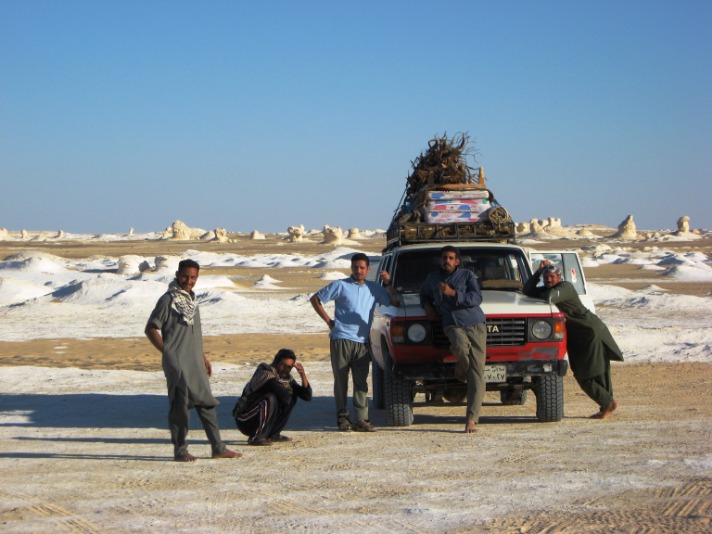
Egypt’s weather exhibits notable regional variations, especially between the Red Sea Coast and the Sinai Peninsula. The Red Sea Coast experiences a semi-arid climate with hot summers and mild winters, benefiting from the moderating influence of the sea, which keeps temperatures relatively stable. During summer months, temperatures often soar above 30°C (86°F), while winters tend to be warm with temperatures rarely dropping below 15°C (59°F). This region also enjoys high humidity and occasional sea breezes, making it a popular destination for beachgoers.
The Sinai Peninsula, on the other hand, features a more diverse climate due to its mountainous terrain. Coastal areas along the Gulf of Aqaba have similar warm temperatures but can be slightly cooler and more affected by the sea air. The inland and mountainous regions experience greater temperature fluctuations, with hot summers where daytime temperatures can reach over 40°C (104°F) and cooler winters, especially at higher elevations, where temperatures can drop significantly at night. Sinai’s varied topography results in microclimates, offering a wider range of weather conditions compared to the more uniform climate along the Red Sea Coast.
Rainfall and Humidity Levels
Understanding rainfall and humidity levels is essential for grasping the climate patterns across Egypt. These weather elements influence daily life, agriculture, and overall environmental conditions in the region. Despite being known for its arid desert landscape, Egypt experiences variations in humidity and occasional rainfall that impact its diverse ecosystems and urban areas.
Annual Rainfall Distribution
Egypt’s weather is characterized by its arid climate, with significant variations in rainfall and humidity levels throughout the year. The country generally experiences low annual rainfall, especially in the desert regions, while the coastal areas along the Mediterranean Sea receive slightly more precipitation. Humidity levels tend to be lower in inland areas and higher along the coast, contributing to the overall climate patterns experienced across Egypt.
- Rainfall in Egypt is highly concentrated during the winter months, particularly from November to March, with the northern regions receiving the most precipitation.
- The annual rainfall distribution shows a stark contrast between the coastal plains and the interior desert regions, with the latter receiving almost no rainfall.
- The Mediterranean coast can receive up to 200 mm of rain annually, whereas the Sahara Desert in the south often gets less than 50 mm, sometimes virtually none.
- Humidity levels are generally low, especially in the desert areas, often dropping below 30%, while along the coast, humidity can reach 60% or higher during the humid months.
- The variability in rainfall and humidity affects agricultural practices, water resource management, and daily life across different parts of Egypt.
Humidity Trends Throughout the Year
Egypt’s weather is characterized by a generally dry climate, but rainfall and humidity levels vary across different regions and throughout the year. Rainfall is infrequent in most parts of Egypt, especially in the desert areas, with the Nile Delta and coastal regions receiving some of the highest amounts. Typically, the rainy season occurs during the winter months, from November to March, with most precipitation concentrated in the northern regions and sporadic showers in the southern parts.
Humidity levels in Egypt tend to be lower overall, creating arid conditions that contribute to its desert landscape. Coastal areas, such as Alexandria and along the Mediterranean Sea, experience higher humidity levels, particularly in summer, due to the proximity to water bodies. Throughout the year, humidity fluctuates, with the highest levels generally occurring during the cooler months when the air holds more moisture and during the summer evenings when the air cools, causing humidity to rise slightly.
Overall, Egypt experiences a trend of lower humidity during the hot summer months, which alleviates some discomfort despite high temperatures, while increasing humidity during the winter months can add a sense of moisture in the air. These patterns are characteristic of Egypt’s climate and influence daily weather experiences across different regions and seasons.
Sandstorms and Dust Events
Sandstorms and dust events are common occurrences in Egypt’s weather patterns, significantly impacting daily life and the environment. These phenomena are characterized by strong winds that lift vast amounts of sand and dust into the atmosphere, reducing visibility and creating hazardous conditions. Understanding these events is essential for residents and visitors to stay safe and adapt to the challenging climate conditions prevalent in the region.
Frequency and Timing
Sandstorms and dust events are common occurrences in Egypt, particularly in the desert regions and during specific times of the year. These phenomena are driven by strong winds that lift loose sand and dust particles from the surface into the atmosphere, creating heavily obscured conditions. The frequency of sandstorms tends to increase during the spring months from March to May, as well as in the late summer and early fall, coinciding with seasonal high-pressure systems and wind patterns. Dust events are more prevalent during periods of low humidity and when dry, loose soil conditions are prevalent. These events can last from a few hours to several days, impacting daily life, health, and transportation, especially in the eastern desert and along the Nile Valley. Overall, understanding their timing and frequency helps in preparing for their impact on weather and daily activities in Egypt.
Impact on Daily Life
Sandstorms and dust events are common occurrences in Egypt’s weather patterns, especially during the dry season. These phenomena significantly affect daily life, influencing health, transportation, and outdoor activities across the country.
- Health concerns rise as dust particles can cause respiratory problems, allergies, and other health issues, prompting many to stay indoors or wear masks during dust events.
- Transportation disruptions are frequent, with visibility drastically reduced, leading to delays or cancellations of flights, road travel, and maritime activities.
- Outdoor activities and agricultural work often get postponed or canceled due to harsh dust storms, impacting daily routines and economic productivity.
- Buildings and infrastructure may suffer dust accumulation, increasing cleaning efforts and maintenance costs for residents and authorities.
- Community awareness and preparedness become essential, as health campaigns and weather alerts help minimize risks during sandstorm events in Egypt.
Temperature Extremes
Temperature extremes in Egypt showcase the country’s diverse climate, ranging from scorching heatwaves to rare cold spells. Understanding these extremes is essential for planning daily activities, agriculture, and infrastructure development. This article explores the patterns of hot and cold temperatures across Egypt, highlighting the regions most affected and the factors driving these weather variations.
Record Highs
Egypt experiences a range of temperature extremes, with record high temperatures often reaching some of the hottest levels recorded globally. These extreme heat events are primarily due to its desert climate, characterized by scorching summers and minimal rainfall. The highest temperature ever recorded in Egypt was 51.8°C (125.2°F) in Kharga Oasis in 2016, reflecting the country’s susceptibility to intense heat waves. Such record highs are becoming more frequent, driven by climate change and regional atmospheric patterns, impacting daily life, agriculture, and infrastructure across Egypt. These extreme temperatures underscore the need for effective measures to adapt and mitigate the adverse effects of rising heat on the population and environment.
Record Lows
Egypt’s climate is generally characterized by its hot desert conditions, but record lows have occasionally marked notable deviations from the usual temperatures. These extreme cold events, although rare, can significantly impact local ecosystems and daily life. Record lows in Egypt are typically recorded during winter months when cold air masses from the north occasionally penetrate the region, causing temperatures to drop well below average. These instances are important for understanding the full range of Egypt’s weather patterns and contribute to ongoing climate studies. Despite the generally hot climate, these temperature extremes serve as a reminder of the variability and complexity of the Egyptian weather system.
Climate Change Impact
Climate change is significantly influencing weather patterns around the world, including Egypt’s unique climate. The country’s weather is experiencing shifts characterized by increased temperatures, irregular rainfall, and more frequent extreme weather events. These changes pose challenges to agriculture, water resources, and everyday life for Egyptians, highlighting the urgent need to address climate impacts in this region.
Recent Weather Pattern Shifts
Recent weather pattern shifts in Egypt are indicative of the broader impacts of climate change, leading to unpredictable and extreme weather conditions. These changes include more intense heatwaves during the summer months, irregular rainfall, and sudden shifts in temperature, which threaten agriculture, water resources, and daily life. The increasing frequency and severity of these weather events are disrupting traditional climate patterns that Egyptians have relied upon for generations. Such shifts underscore the urgent need for adaptation strategies and sustainable practices to mitigate the long-term impacts of climate change on Egypt’s environment and economy.
Future Climate Predictions for Egypt
Egypt’s weather is increasingly affected by climate change, leading to significant impacts on its environment, agriculture, and overall livelihood. Rising temperatures and changing rainfall patterns pose threats to water resources, particularly the Nile River, which is vital for the country’s sustenance. Droughts are becoming more frequent and severe, reducing agricultural productivity and jeopardizing food security. Additionally, heatwaves are intensifying, impacting both human health and infrastructure. The coastal regions face rising sea levels, risking erosion and loss of land. These developments necessitate urgent adaptation and mitigation strategies to safeguard Egypt’s future.
Future climate predictions for Egypt suggest a continuation of current trends, with temperatures expected to rise further, possibly by 1.5 to 2 degrees Celsius by mid-century. Precipitation is likely to decrease, exacerbating drought conditions and straining water supplies. The frequency and intensity of heatwaves are projected to increase, leading to more health risks and reduced labor productivity. Sea level rise could threaten coastal cities like Alexandria, increasing the risk of flooding and displacement. Overall, climate change will likely exacerbate existing challenges and require comprehensive efforts to build resilience within Egyptian society and ecosystems.



0 Comments