

Geographical and Historical Overview of Ibadan
Ibadan, a prominent city in southwestern Nigeria, is renowned for its rich historical and cultural heritage. As one of the oldest cities in Nigeria, it has served as a vital center of commerce, education, and administration for centuries. The city boasts a unique blend of traditional Yoruba culture and modern development, making it a significant hub in the region. Its historical roots date back to the 19th century as a powerful Yoruba city-state, and today, Ibadan continues to thrive as a major city with deep historical significance and a vibrant cultural landscape.
Location and Topography
Ibadan is a prominent city located in the southwestern part of Nigeria, serving as the capital of Oyo State. It is one of the largest cities in Nigeria and holds historical significance as an ancient Yoruba city. Geographically, Ibadan is situated on the eastern side of the Iwo Road, approximately 130 kilometers north of Lagos. The city lies within a high plateau area in the Guinea Savanna and is characterized by gently rolling hills and undulating terrain.
Its topography features a series of elevated landforms, which provide it with a moderate elevation ranging between 200 to 300 meters above sea level. This elevation gives Ibadan a relatively cooler climate compared to coastal regions and influences its agricultural practices and settlement patterns. The city’s strategic location on the Yoruba highlands historically facilitated trade, communication, and cultural development, making it a central hub in the region. The landscape and location of Ibadan have contributed significantly to its growth as a major educational and administrative center in Nigeria.
Historical Background and Founding
Ibadan, located in southwestern Nigeria, is one of the country’s most historically significant cities. It serves as the capital of Oyo State and is renowned for its rich cultural heritage and prominent role in Nigerian history. The city is characterized by its large population, vibrant markets, and historical sites that reflect its importance as a center of commerce and education.
Historically, Ibadan was founded in the 18th century by the Oyo Empire as a strategic settlement. It emerged as a major Yoruba city and grew rapidly due to its advantageous location and its role in regional trade networks. The city was initially established by a group of warriors and settlers led by Lagelu, a legendary warrior who is credited with founding the city. Over time, Ibadan evolved into a powerful city-state, known for its military prowess and political influence within the Yoruba region.
The city’s strategic position helped it become a key hub during the period of British colonization. Ibadan was an important center for anti-colonial resistance in the early 20th century, and it played a vital role in Nigeria’s path to independence. The city’s historical background is deeply intertwined with the broader history of Nigeria, reflecting its importance as a center of culture, politics, and resistance.
Demographics and Population
Demographics and population trends provide valuable insights into the social and economic fabric of Ibadan, Nigeria. As one of Africa’s largest and most historically significant cities, Ibadan’s population continues to grow rapidly, reflecting its importance as a hub for education, culture, and commerce. Understanding the demographic makeup of the city helps in planning better urban development and addressing the diverse needs of its residents.
Population Size and Growth Trends
Ibadan, Nigeria, is a prominent city with a diverse demographic profile and a rapidly growing population. As one of the most populous cities in Nigeria, it has experienced significant population shifts over the years. The city’s population size has increased substantially due to both natural growth and rural-urban migration, making it a key economic and cultural hub in the region. Growth trends indicate a consistent upward trajectory, driven by factors such as improved infrastructure, educational institutions, and economic opportunities that attract people from various parts of Nigeria and beyond. This demographic expansion presents both opportunities and challenges for urban planning, resource management, and sustainable development in Ibadan.
Ethnic Composition and Cultural Diversity
Ibadan, Nigeria, is a vibrant city known for its diverse demographics and rich cultural heritage. The population of Ibadan is predominantly made up of the Yoruba ethnic group, which has shaped the city’s cultural identity over centuries. The city also hosts smaller communities of other Nigerian ethnic groups, contributing to its multicultural environment.
Ethnic composition in Ibadan reflects a blend of indigenous Yoruba people and migrants from different parts of Nigeria. This diversity fosters a dynamic social fabric, with various traditions, languages, and customs being practiced and celebrated.
Cultural diversity is a hallmark of Ibadan, evident in its festivals, cuisine, art, and religious practices. The city is a melting pot of traditional Yoruba customs alongside influences from other Nigerian cultures, making it a unique hub of cultural exchange and heritage preservation.
Economy and Industry
Ibadan, Nigeria, is a vibrant hub of economic activity and industrial growth in the southwestern region of the country. Known for its rich history and diverse culture, the city has also developed into an important center for trade, manufacturing, and commerce. The thriving economy of Ibadan is supported by various industries, including agriculture, textiles, and technology, contributing significantly to Nigeria’s overall economic landscape.
Agricultural Activities and Commodities
Ibadan, Nigeria, has a diverse economy primarily centered around agriculture and industry. The city serves as a vital commercial hub in the southwestern region, contributing significantly to Nigeria’s overall economic landscape. Its strategic location facilitates trading activities and supports vibrant markets that promote local agricultural produce and industrial goods.
Agricultural activities in Ibadan are extensive, with farmers cultivating crops such as yams, cassava, maize, and cocoa. Livestock farming, including poultry and cattle rearing, also plays an important role in sustaining local livelihoods. The region’s favorable climate and fertile land make it ideal for various farming practices, supporting both subsistence and commercial agriculture.
Key commodities produced in Ibadan include cocoa, palm oil, and kola nuts, which are exported both domestically and internationally. The city also processes agricultural products, contributing to Nigeria’s food security and economic stability. Overall, Ibadan’s economy benefits from a balanced mix of agricultural activities and burgeoning industrial enterprises, making it a vital economic center in Nigeria.
Commercial Hubs and Marketplaces
Ibadan, Nigeria’s third-largest city, has historically been a pivotal center for economy and industry within the region. Its strategic location and vibrant commercial activities contribute significantly to its status as a key marketplace in southwestern Nigeria.
- Ibadan hosts numerous bustling markets such as Bodija Market and Oje Market, which serve as major trading hubs for agricultural products, textiles, and household goods.
- The city has seen growth in industries including agriculture, manufacturing, and services, driven by both local enterprise and entrepreneurial initiatives.
- Commercial hubs like Ojoo and Iwo Road facilitate trade and transportation, connecting Ibadan to other parts of Nigeria and neighboring countries.
- Markets in Ibadan are characterized by their diverse offerings, ranging from traditional crafts to modern consumer goods, attracting traders and buyers from across the region.
- In recent years, the city has experienced an influx of small and medium enterprises, bolstering local economic development and employment opportunities.
Industrial Development and Key Sectors
Ibadan, Nigeria, has experienced notable growth in its economy and industrial sectors over recent years. The city serves as a vital commercial hub in the southwestern region, fostering diverse industries that contribute significantly to the nation’s economy. Key sectors include agriculture, manufacturing, and trade, which thrive due to Ibadan’s strategic location and availability of resources. The agricultural sector remains prominent, with produce like cocoa, yams, and oil palms cultivated extensively. Manufacturing industries such as textiles, food processing, and construction materials are also expanding, supported by local markets and infrastructural development.
Furthermore, Ibadan is emerging as a center for small and medium enterprises, which bolster employment and economic resilience. The city benefits from ongoing investments aimed at improving industrial infrastructure, including industrial parks and improved transportation networks. These developments aim to enhance productivity and attract further investment, positioning Ibadan as a key player in Nigeria’s industrial development. Overall, the combination of agricultural productivity, manufacturing growth, and supportive policies underscores Ibadan’s vital role in Nigeria’s economic landscape.
Education and Institutions
Ibadan, Nigeria, is a city known for its rich history and vibrant culture, with education playing a vital role in its development. The city is home to several prestigious institutions that have contributed significantly to Nigeria’s academic landscape. From universities to research centers, Ibadan’s educational system fosters innovation, learning, and community growth, making it a cornerstone of the region’s progress and development.
Leading Universities and Colleges
Ibadan, Nigeria, is home to several prominent universities and colleges that play a vital role in the country’s educational landscape. The University of Ibadan is the oldest and one of the most prestigious institutions in Nigeria, renowned for its research, academic excellence, and contributions to various fields of study. Alongside it, Ladoke Akintola University of Technology and Bowen University also stand out as leading institutions offering a diverse range of undergraduate and postgraduate programs. These universities attract students from across Nigeria and beyond, fostering a vibrant academic community. In addition to universities, Ibadan hosts several colleges that provide specialized training and vocational education, contributing significantly to the development of skilled professionals in the region. Overall, the educational institutions in Ibadan continue to shape Nigeria’s future through their commitment to quality education and research excellence.
Research and Innovation Centers
Ibadan, Nigeria, is a prominent educational and research hub in West Africa, renowned for its numerous institutions dedicated to higher learning and innovation. The University of Ibadan, established in 1948, stands as Nigeria’s oldest university, contributing significantly to research, academia, and national development. Alongside it, institutions such as Ladoke Akintola University of Technology and the Nigerian Institute of Social and Economic Research (NISER) foster advanced studies and pioneering research across various disciplines.
Research and innovation centers in Ibadan play a vital role in driving technological advancement and solving local and regional issues. The Ibadan Innovation Hub and the Institute of Agricultural Research and Training are examples of centers that promote collaboration between academia, government, and industry. These institutions focus on areas like agriculture, health, technology, and sustainable development, positioning Ibadan as a vital center for knowledge creation and innovation in Nigeria and beyond.
Primary and Secondary Educational Institutions
Ibadan, Nigeria, is a prominent city recognized for its rich educational heritage and numerous institutions dedicated to primary and secondary education. The city plays a vital role in shaping the future of Nigeria by nurturing young minds through its robust educational systems.
- The University of Ibadan, established in 1948, is Nigeria’s oldest university and serves as a leading center for higher learning.
- Several government-owned primary and secondary schools are available across the city, such as Ibadan Grammar School and Queen’s School, Ibadan, which are known for their academic excellence.
- Private institutions like Baptist Primary School and Scholar Schools also contribute significantly to the educational landscape of Ibadan.
- Efforts by the government and various organizations continue to improve the quality of education through infrastructure development and teacher training programs.
- These institutions collectively ensure that students in Ibadan receive a comprehensive primary and secondary education that prepares them for higher learning and future careers.
Culture and Heritage
Ibadan, Nigeria, is a city rich in culture and heritage that reflects its deep historical roots and diverse traditions. As one of the oldest and most prominent cities in West Africa, Ibadan boasts a vibrant cultural scene, historic landmarks, and unique customs passed down through generations. The city’s heritage is celebrated through its festivals, art, cuisine, and oral traditions, making it a vital center for Nigeria’s cultural identity.
Traditional Festivals and Events
Ibadan, Nigeria, is a city rich in culture and heritage, reflecting a vibrant history that dates back centuries. It serves as a significant cultural hub in the southwestern part of Nigeria, combining traditional values with modern influences. The city’s diverse festivals and events celebrate its history, art, and community spirit, providing a unique glimpse into the Yoruba culture and Nigerian traditions.
Traditional Festivals and Events in Ibadan
- Ilo-Ajodun Festival: This is one of the most renowned festivals in Ibadan, celebrating the city’s founding and honoring ancestors. It features colorful processions, drumming, dancing, and offerings to deities.
- Odu’a Festival: Celebrated by the Yoruba people, this festival promotes unity and cultural preservation through traditional dances, storytelling, and masquerades.
- Egungun Festival: A masquerade festival that honors ancestors, where masked dancers perform elaborate rituals to invoke spiritual blessings and protection for the community.
- Festival of the New Yam (Iwa Ji): An important harvest festival marking the beginning of the new yam season with communal feasts, traditional music, and dance.
- Lantern Parade during Eid and Other Religious Celebrations: During major religious festivals, Ibadan hosts colorful lantern parades that showcase the city’s diverse cultural tapestry and communal harmony.
Music, Dance, and Art Scene
Ibadan, Nigeria, is a city rich in culture and heritage, serving as a vibrant hub for traditional and modern artistic expressions. The city boasts a deep-rooted history that is reflected in its numerous cultural festivals, historical sites, and longstanding customs that have been preserved over generations.
Music in Ibadan is an integral part of everyday life, with genres ranging from traditional folk music featuring local drums and rhythms to contemporary Afrobeat and highlife styles. The city has produced several renowned musicians who continue to influence Nigeria’s vibrant music scene on both national and international levels.
Dance is also a vital aspect of Ibadan’s cultural identity, with performances often showcasing the energetic and expressive movements of Yoruba traditional dances. These dances are not only entertainment but also serve as ritualistic expressions and storytelling methods that maintain the community’s cultural continuity.
The art scene in Ibadan is thriving, with many talented artisans specializing in sculptures, beadwork, fabric weaving, and mural paintings. The city is home to various art galleries and workshops that promote local artists, fostering a creative environment that celebrates Nigeria’s diverse artistic heritage and encourages innovation among contemporary artists.
Historical Landmarks and Sites
Ibadan, Nigeria, is a city rich in culture and heritage, reflecting a deep history that dates back centuries. It is renowned for its vibrant traditions, diverse cultural festivals, and historical landmarks that showcase its significance in Nigerian history.
- Agodi Gardens: A historic park that offers a blend of natural beauty and recreational activities, symbolizing the city’s commitment to preserving green spaces.
- Bovilla: An ancient fortress and one of the oldest structures in Ibadan, representing traditional Yoruba architecture and history.
- Cocoa House: Once the tallest building in West Africa, this iconic skyscraper is a testament to Ibadan’s role in Nigeria’s economic development during the cocoa boom era.
- Ibadans’s Cultural Festivals: Events such as the Oro and Egungun festivals uphold traditional Yoruba beliefs and rituals, attracting visitors from all over Nigeria and beyond.
- Lekan Akinyoade Museum: A local museum featuring artifacts, historical photographs, and exhibitions that highlight Ibadan’s rich past and cultural evolution.
Governance and Political Structure
Ibadan, Nigeria, boasts a rich history of governance and a unique political structure that reflects its cultural and colonial influences. As one of the oldest and largest cities in West Africa, it has evolved from traditional leadership systems to modern administrative frameworks, balancing custom authority with contemporary governance. Understanding these political dynamics offers insight into how Ibadan manages its development and maintains social cohesion amidst rapid urbanization and change.
Local Government and Administrative Divisions
Ibadan, Nigeria, has a complex governance and political structure characterized by both traditional and modern administrative systems. The city is governed by a combination of local government authorities and traditional rulers, reflecting Nigeria’s dual political heritage. The local government councils are responsible for urban planning, sanitation, and other service delivery at the grassroots level, while traditional leaders, such as the Olubadan and other chiefs, play significant roles in cultural and community affairs. This hybrid structure ensures that administrative decisions consider both contemporary governance needs and traditional customs.
Ibadan is divided into several local government areas (LGAs), each administered independently. Major LGAs include Ibadan North, Ibadan South, Ibadan North-West, and others, each with its own elected council and chairman. These divisions facilitate localized management of services and resources. Additionally, Ibadan is segmented into districts and wards, which serve as administrative units for electoral and developmental purposes. The hierarchical governance system enables effective governance, fostering community participation and ensuring that development initiatives address specific local needs.
Political History and Development
Ibadan, Nigeria, has a rich history shaped by traditional governance systems and its evolution into a modern political entity. Historically, the city was governed by the Olubadan, the traditional monarch, whose authority was rooted in the indigenous Yoruba political structure. This traditional system coexisted with the colonial administration established during British rule, which introduced a more centralized government framework. After Nigeria’s independence in 1960, Ibadan experienced significant political development, including the integration of traditional authority with modern democratic institutions. Today, Ibadan operates within Nigeria’s federal political structure, serving as the capital of Oyo State, with local government councils managing municipal affairs while traditional rulers continue to hold cultural and ceremonial influence. The city’s political history reflects a dynamic interplay between indigenous leadership and modern governance, underscoring its importance as a historical and political hub in southwestern Nigeria.
Transportation and Infrastructure
Transportation and infrastructure play a vital role in the development and connectivity of Ibadan, Nigeria. As one of the largest cities in West Africa, Ibadan’s extensive road networks, transportation systems, and infrastructural facilities are essential for supporting its growing population and economic activities. Improving these sectors is key to enhancing mobility, reducing congestion, and fostering sustainable urban development in the region.
Road Networks and Transportation Systems
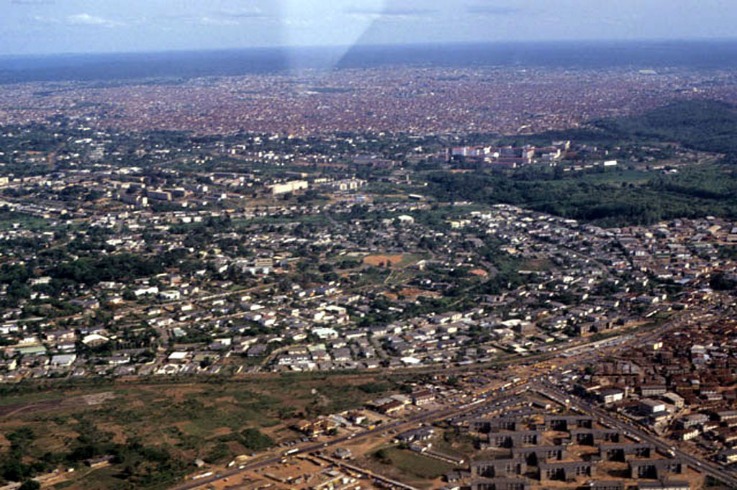
Ibadan, Nigeria, boasts a developing transportation and infrastructure network that plays a crucial role in the city’s economic and social activities. Efficient road networks and transportation systems are vital for facilitating movement within the city and connecting it to surrounding regions.
The road infrastructure in Ibadan includes major arterial roads, secondary streets, and local access roads. These roads are designed to support the growing population and the expanding commercial activities in the city. However, traffic congestion remains a challenge due to inadequate road capacity and ongoing urbanization.
Transportation systems in Ibadan encompass public transportation options such as buses, mini-vans, and taxis. The city has seen efforts to improve transport efficiency through the development of bus terminals and designated routes, yet congestion and maintenance issues still persist.
- Road Networks:
- Main arterial highways connect Ibadan to Lagos, Oyo, and other neighboring states.
- Secondary roads facilitate intra-city movement, including access to residential and commercial areas.
- Many roads are subject to poor maintenance, potholes, and congestion.
- Transportation Systems:
- Colorful and vibrant buses form the backbone of public transport in Ibadan.
- Private car ownership continues to rise, increasing traffic on the roads.
- Recent initiatives aim to improve transportation infrastructure through road expansion and traffic management systems.
Public Transit and Commuting Options
Ibadan, Nigeria, offers a variety of transportation and infrastructure options to facilitate daily commute and travel within the city. The city features a network of well-maintained roads that connect different neighborhoods, making car travel convenient for residents. Public transit in Ibadan primarily consists of shared taxis, known locally as “Danfo,” and motorcycle taxis called “Okadas,” which are among the most popular and affordable modes of transportation. Additionally, bus services operate on numerous routes, providing affordable options for commuters. Efforts towards improving transportation infrastructure are ongoing, with plans to expand road networks and modernize existing transit systems. For those seeking environmentally friendly options, bicycle riding is also gaining popularity in certain areas. Overall, Ibadan continues to develop its transportation framework to support its growing population and economic activities, making commuting accessible and efficient for residents and visitors alike.
Urban Planning and Development Projects
Ibadan, Nigeria, is experiencing significant growth in its transportation and infrastructure sectors, which are vital for the city’s economic development and urbanization. The government and private sector are investing in modernizing road networks, expanding public transportation systems, and improving connectivity within the city and to other regions. Urban planning efforts focus on creating more sustainable and organized city layouts, incorporating green spaces and pedestrian-friendly zones to enhance residents’ quality of life.
Recent development projects include the construction of new expressways and the rehabilitation of existing roads to reduce traffic congestion. The introduction of expanded bus services and the potential development of light rail systems aim to make commuting more efficient and accessible for the urban population. Additionally, infrastructure upgrades are being carried out to support increased demand for electricity, water supply, and waste management, ensuring a resilient urban environment.
Urban planning in Ibadan emphasizes sustainable growth, integrating environmental considerations and technological innovations to manage urban expansion. New zoning laws and master plans seek to balance commercial, residential, and industrial areas, promoting organized development and reducing informal settlements. Overall, these efforts aim to transform Ibadan into a more modern, functional, and livable city capable of supporting its growing population and economic activities.
Tourism and Attractions
Ibadan, Nigeria, is a vibrant city filled with rich history, diverse culture, and numerous attractions that draw visitors from around the world. Known for its historical sites, bustling markets, and scenic landscapes, Ibadan offers travelers a unique blend of tradition and modernity. Whether exploring ancient landmarks or experiencing local customs, tourism in Ibadan provides an unforgettable adventure for every visitor.
Popular Tourist Destinations
Ibadan, Nigeria, is a vibrant city renowned for its rich history, culture, and diverse attractions that draw tourists from around the world. As one of Africa’s largest cities, Ibadan offers a unique blend of traditional and modern experiences for visitors. The city is famous for its historical sites, bustling markets, and picturesque landscapes that showcase Nigeria’s cultural heritage.
Popular tourist destinations in Ibadan include the Cocoa House, which is the first skyscraper in West Africa and a symbol of Nigeria’s economic growth. The University of Ibadan Zoological Garden provides a family-friendly experience with a variety of animal exhibits. The National Museum of Unity offers insightful displays into Nigeria’s history and cultural diversity. Nature lovers can explore the Ogun River and Agodi Gardens, a beautifully maintained park with lakes, waterfalls, and recreational facilities. Additionally, the ancient Mapo Hall stands as a historical landmark, offering panoramic views of the city and insights into Ibadan’s colonial past. Visitors can also explore traditional Yoruba markets, such as Oja Oba, to experience local crafts, foods, and vibrant city life. Overall, Ibadan is a captivating destination that combines historical significance with natural beauty, making it a must-visit for tourism enthusiasts exploring Nigeria.
Hotels and Hospitality Services
Ibadan, Nigeria, is a vibrant city known for its rich history, cultural heritage, and warm hospitality, making it a popular destination for travelers seeking diverse attractions and comfortable accommodations. Visitors can explore historic sites such as the Cocoa House, the first skyscraper in Africa, and the University of Ibadan, Nigeria’s oldest university. The city also offers various natural attractions like the Ogun River and parks that provide serene environments for relaxation and recreation. Ibadan is home to a wide range of hotels and hospitality services, from luxury hotels to budget-friendly guesthouses, ensuring that all visitors enjoy a comfortable stay. These establishments offer excellent amenities, local cuisine, and exceptional service, reflecting the warmth and hospitality of the Nigerian people. Whether for business or leisure, Ibadan provides a welcoming atmosphere and a variety of attractions that highlight its cultural significance and natural beauty.
Tourism Development Initiatives
Ibadan, Nigeria, is a vibrant city renowned for its rich cultural heritage and historical significance, making it an attractive destination for tourists. The city boasts numerous attractions such as the Cocoa House, the ancient Mapo Hill, and the University of Ibadan, which is one of Nigeria’s oldest institutions. To promote tourism, various development initiatives have been undertaken, including the enhancement of infrastructure, the establishment of cultural festivals, and the promotion of local crafts and cuisines. These efforts aim to diversify the city’s economy, increase visitor influx, and preserve its unique history and culture for future generations.
Health and Social Services
Health and social services in Ibadan, Nigeria, play a vital role in improving the well-being of the community. As a major city in the country, Ibadan offers a range of healthcare facilities and social support programs aimed at promoting health, preventing disease, and supporting vulnerable populations. These services are essential in ensuring that residents have access to quality care and social assistance to lead healthier, more fulfilling lives.
Healthcare Facilities and Medical Services
Ibadan, Nigeria, is a prominent center for health and social services, offering a range of healthcare facilities and medical services to its residents. The city hosts numerous hospitals, clinics, and specialized medical centers that provide comprehensive healthcare options. These facilities are equipped with modern technology and staffed by trained healthcare professionals dedicated to improving public health outcomes. In addition to general hospitals, Ibadan boasts specialized institutions such as cardiology centers, maternal and child health clinics, and traditional medicine practices, reflecting a diverse health service landscape. The government and private sectors actively work together to enhance healthcare accessibility, addressing local health challenges and promoting community well-being. Overall, Ibadan plays a vital role in Nigeria’s health system, serving as a hub for medical innovation and social support services that meet the needs of its growing population.
Social Welfare Programs
Ibadan, Nigeria, has a growing need for comprehensive health and social services to support its population. The city features various health facilities, including hospitals, clinics, and traditional medicine practitioners, aiming to improve healthcare access for residents. Social welfare programs in Ibadan focus on reducing poverty, supporting vulnerable groups such as the elderly, orphans, and persons with disabilities, and promoting community development. These initiatives are often administered by government agencies, non-governmental organizations, and community groups to address the diverse needs of the people. Efforts are also underway to enhance health education, disease prevention, and sanitation practices, contributing to better overall well-being in the region. Emphasis on social welfare ensures that marginalized populations receive necessary support, fostering social inclusion and stability in Ibadan.
Challenges and Future Prospects
Ibadan, Nigeria, a city rich in history and culture, faces numerous challenges as it strives for sustainable growth and development. From urbanization and infrastructure needs to socio-economic issues, the city’s future prospects hinge on innovative solutions and strategic planning. Understanding these challenges is essential to unlocking Ibadan’s potential and ensuring a brighter, more resilient future for its residents.
Urbanization and Environmental Concerns
Ibadan, Nigeria faces numerous challenges linked to rapid urbanization, including increased pressure on infrastructure, housing shortages, and environmental degradation. The city’s expanding population has strained existing resources, leading to traffic congestion, waste management issues, and inadequate sanitation facilities. Environmental concerns such as deforestation, pollution, and loss of green spaces are also escalating, threatening the city’s ecological balance. Despite these problems, there are promising future prospects rooted in urban development initiatives, improved planning, and sustainable practices. Enhanced infrastructure, investment in green spaces, and environmentally conscious policies can help Ibadan manage its growth effectively. Embracing innovative solutions and community participation will be crucial in shaping a sustainable and resilient urban environment for the future of Ibadan.
Development Plans and Strategic Growth
Ibadan, Nigeria, faces several challenges that impact its development and growth. Infrastructure deficits, including outdated roads and limited access to reliable electricity, hinder economic activities. The city also grapples with rapid urbanization, leading to congestion, inadequate housing, and strain on social services. Additionally, environmental concerns such as waste management and pollution pose significant threats to public health and sustainability. Despite these hurdles, Ibadan holds substantial future prospects due to its strategic location, rich cultural heritage, and growing infrastructural investments. Efforts to enhance education, healthcare, and transportation infrastructure are ongoing, aiming to transform Ibadan into a major economic hub in Nigeria.
Development plans for Ibadan focus on expanding industrial zones, improving urban planning, and promoting technological innovation. The government and private sector are working together to attract investments, develop the agricultural sector, and boost small and medium-sized enterprises. Strategic growth initiatives also emphasize sustainability, emphasizing clean energy and environmental conservation. Long-term vision includes fostering a knowledge-based economy through improved educational institutions and digital infrastructure, which could position Ibadan as a center of innovation and commerce in West Africa.



0 Comments