
Historical Context of Mali and Nigeria
The histories of Mali and Nigeria are rich and complex, shaped by ancient civilizations, empires, and colonial influences. Mali, once home to the legendary Mali Empire, was a prominent center of trade, culture, and learning in West Africa. Nigeria’s history is marked by a diverse tapestry of kingdoms, such as Benin and Kanem-Bornu, and its subsequent colonization by Europeans. Both nations have experienced profound changes over centuries, influencing their modern identities and socio-political landscapes.
Pre-Colonial Kingdoms and Empires
The historical contexts of Mali and Nigeria are deeply rooted in their rich pre-colonial histories, marked by influential kingdoms and empires. Mali, known for the legendary Mali Empire, thrived between the 13th and 16th centuries and was renowned for its wealth, trade networks, and centers of learning such as Timbuktu. Meanwhile, Nigeria’s history features a diverse range of kingdoms and city-states, including the powerful Kanem-Bornu Empire, the Hausa city-states, and the Oyo and Benin empires, each contributing uniquely to the region’s culture and politics. These pre-colonial civilizations laid the foundation for their respective nations’ cultural identities, economic systems, and societal structures, shaping their development long before colonial influences and modern nation-states emerged. Understanding these historical backgrounds provides valuable insight into the distinct identities and histories of Mali and Nigeria today.
Colonial Legacy and Boundary Formation
The historical context of Mali and Nigeria is deeply rooted in their diverse pre-colonial civilizations and intricate social structures. Mali, known for the mighty Mali Empire, was a center of wealth and trade, especially in gold and salt, during the medieval period. Nigeria, on the other hand, was home to powerful kingdoms such as the Yoruba, Igbo, and Hausa-Fulani, each with rich cultural traditions and sophisticated political systems. These civilizations laid the foundation for regional identities that persist today.
Colonial legacy significantly shaped the modern boundaries and political landscapes of both countries. European powers, chiefly the British and French, drew borders with little regard for ethnic, linguistic, or cultural divisions, often combining diverse groups into single administrative entities. In Nigeria, British colonization resulted in the unification of various ethnolinguistic groups into one colony, fostering complex interconnectedness and, at times, tension. In Mali, French colonial rule maintained control over West Africa’s interior, influencing its development and national identity.
The boundary formations consequent to colonial rule have contributed to contemporary challenges such as ethnic conflicts, governance issues, and regional integration. Nigeria’s borders encompass numerous ethnic groups, which has led to conflicts and demands for self-determination. Mali’s borders, established during French colonization, have created a centralized state with ethnic groups spread across national boundaries, influencing regional stability. Understanding this colonial legacy is crucial to grasping the political and social dynamics that continue to shape Mali and Nigeria today.
Post-Independence Era Developments
The historical context of Mali and Nigeria reveals distinct paths shaped by their colonial histories, cultural diversity, and post-independence developments. Mali, formerly part of French West Africa, gained independence in 1960, and its history is deeply rooted in its ancient empires, such as the Mali Empire, which fostered rich traditions of trade, culture, and governance. Nigeria, a British colony, also gained independence in 1960, but its history is characterized by its complex mosaic of ethnic groups, including the Hausa, Yoruba, and Igbo, which have significantly influenced its post-independence political landscape. Both countries faced challenges in nation-building, but Nigeria experienced more rapid economic development due to its vast natural resources, especially oil, whereas Mali faced political instability and economic struggles. In the post-independence era, Nigeria encountered military coups, civil war, and a series of democratic transitions, while Mali struggled with political instability, including coups and rebellions, but maintained a strong cultural identity rooted in its historical empire. These differences have shaped each nation’s contemporary political, social, and economic trajectories, influencing their respective roles within the regional and global context.
Political Systems and Governance
Political systems and governance play a crucial role in shaping the development and stability of a country. Understanding the differences between various political structures helps in analyzing how nations like Mali and Nigeria manage their resources, citizens, and international relations. Both countries face unique challenges and opportunities within their systems, influencing their paths toward progress and democracy.
Mali’s Political Structure and Recent Changes
Mali and Nigeria have distinct political systems and governance structures that reflect their unique historical, cultural, and societal contexts. Mali operates as a semi-presidential republic, where power is shared between the President and the Prime Minister within a framework of a constitution that emphasizes democratic principles. Recently, Mali has experienced significant political upheaval, including military coups in 2020 and 2021, which led to the suspension of certain democratic processes and a transition period aimed at restoring civilian rule. These changes reflect ongoing challenges in governance, security, and political stability.
In contrast, Nigeria is a federal democratic republic with a presidential system, characterized by a three-tier government structure involving federal, state, and local authorities. Nigeria has maintained a relatively stable democratic process since transitioning to civilian rule in 1999, although it faces issues such as corruption, security threats, and political polarization. Recent developments in Nigeria include elections and reforms aimed at strengthening democratic institutions, but the country’s political landscape continues to evolve amid these ongoing challenges.
Nigeria’s Federal System and Political Stability
Mali and Nigeria, both African nations, have unique political systems and approaches to governance that influence their stability and development. Nigeria operates a federal system characterized by a division of powers among the federal government, states, and local governments, fostering regional autonomy and diversity. This structure aims to accommodate Nigeria’s numerous ethnic groups and regions, promoting negotiated governance. Conversely, Mali has experienced several shifts between civilian rule and military coups, reflecting political instability. Its governance has traditionally been centralized, but recent efforts have focused on decentralization to enhance stability. Nigeria’s political stability has been challenged by ethnic tensions, corruption, and economic disparities, yet it has maintained constitutional rule and democratic institutions since the 1990s. Mali, however, struggles with insurgency, coup d’états, and fragile institutions, which impede sustained political stability. Comparing the two, Nigeria’s relatively resilient federal system contrasts with Mali’s ongoing challenges, highlighting the importance of institutional strength and inclusive governance in ensuring long-term stability.
Democratic Processes and Challenges
The political systems and governance structures of Mali and Nigeria highlight distinct challenges and democratic processes within West Africa. Mali, a landlocked country, has faced significant political instability, including military coups and ongoing struggles with insurgencies, which have impacted its democratic development. Nigeria, on the other hand, is a federal republic with a federal system that promotes democratic processes through regular elections and multi-party participation, yet it grapples with issues such as corruption, electoral violence, and ethno-regional tensions. Both countries experience challenges in strengthening democratic institutions, ensuring transparency, and fostering inclusive governance. The contrasting experiences of Mali and Nigeria underscore the importance of resilient political systems capable of addressing unique national challenges while promoting democratic accountability and citizen participation. Despite their differences, both nations aim to consolidate democratic governance amid ongoing internal and external pressures.
Economic Overview
The economic landscapes of Mali and Nigeria offer a compelling comparison, highlighting two nations with distinct developmental paths and resource strengths. Nigeria, as Africa’s largest economy, benefits from rich oil reserves and a diverse industrial sector, while Mali relies heavily on agriculture and mineral resources. Understanding their economic fundamentals provides insight into their growth prospects and challenges within the region.
Mali’s Economy: Agriculture, Mining, and Challenges
Mali’s economy is primarily driven by agriculture, mining, and natural resources, playing a significant role in its overall development. Agriculture employs a large portion of the population, with cotton, millet, sorghum, and livestock being key sectors contributing to both subsistence and commercial activities. The mining industry, centered around gold, remains vital, making Mali one of Africa’s top gold producers, which provides substantial revenue for the country. However, Mali faces numerous challenges, including political instability, poor infrastructure, and climate change, which hinder economic growth and development. In comparison to Nigeria, which has a more diversified economy with a significant oil industry, Mali’s reliance on agriculture and mining makes its economy more vulnerable to external shocks and environmental issues. While Nigeria benefits from a larger domestic market and extensive natural resources, Mali continues to grapple with structural challenges that slow its economic progress. Overall, Mali’s economic landscape reflects a reliance on primary industries amid ongoing efforts to diversify and address developmental hurdles, contrasting with Nigeria’s more complex and resource-rich economy.
Nigeria’s Economy: Oil Dependency and Diversification
Nigeria’s economy is heavily reliant on oil exports, making it vulnerable to fluctuations in global oil prices. This dependency has historically limited diversification efforts, with the oil sector contributing a significant portion of government revenue and foreign exchange earnings. However, in recent years, there has been increasing recognition of the need to diversify the economy to ensure sustainable growth and stability. Compared to Mali, which has a more diversified economic base, Nigeria’s reliance on oil presents both opportunities and challenges in the context of regional economic competition and development.
- Oil accounts for over 90% of Nigeria’s export revenue, making the economy highly susceptible to oil market volatility.
- The government is actively attempting to diversify by investing in agriculture, manufacturing, and services sectors.
- Achievements in diversification remain limited due to infrastructural challenges and fluctuating global oil prices.
- Mali’s economy, predominantly based on agriculture and gold mining, exhibits greater resilience through its diversified resources.
- Strategic efforts in Nigeria aim to reduce dependency, but progress is slow compared to Mali’s more balanced economic structure.
Trade Relations and Economic Cooperation
Mali and Nigeria, two influential West African nations, have unique economic profiles that shape their regional interactions and development trajectories. Mali’s economy is primarily based on agriculture, mining, and livestock, with a significant portion of the population engaged in subsistence farming. Nigeria, on the other hand, boasts Africa’s largest economy, driven by oil and gas exports, manufacturing, and a rapidly growing service sector. Despite their economic disparities, both countries recognize the importance of regional cooperation to foster stability and economic growth.
Trade relations between Mali and Nigeria are characterized by modest exchanges, mainly focused on commodities and regional markets. Nigeria’s access to Mali’s mineral resources and agricultural products offers mutual benefits, although logistical and infrastructural challenges limit the volume of trade. Both nations participate in regional economic organizations such as the Economic Community of West African States (ECOWAS), which aims to promote free trade, movement of goods and people, and economic integration across West Africa.
Economic cooperation between Mali and Nigeria extends beyond trade, including collaborative efforts in infrastructure development, security, and socio-economic initiatives. Nigeria’s experience in managing a diverse economy provides valuable insights for Mali, especially in diversifying its economic base beyond agriculture and mining. Additionally, regional diplomatic efforts seek to address common challenges such as insurgency, instability, and development gaps, fostering a collaborative environment for sustainable growth and regional stability.
Security and Stability
Security and stability are essential foundations for the prosperity and well-being of any nation. They ensure peace for citizens, attract investments, and promote sustainable development. In the context of Mali and Nigeria, two West African countries facing unique challenges, maintaining security and stability is crucial for their progress and regional harmony.
Mali’s Security Situation: Tuareg Insurgency and Jihadist Threats
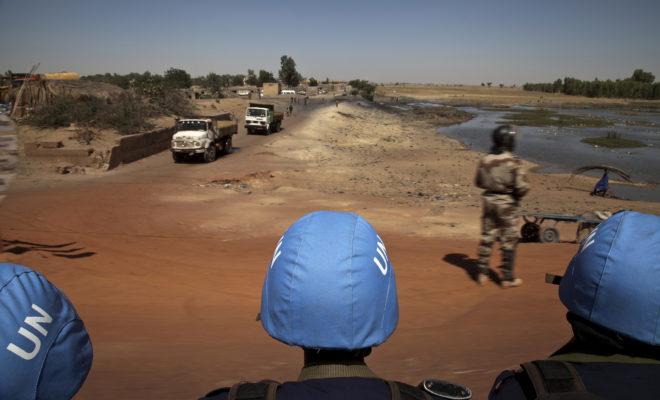
Mali’s security situation has been significantly impacted by the ongoing Tuareg insurgency and the rise of jihadist threats, creating a fragile environment of stability in the region. The Tuareg rebellion, rooted in long-standing demands for greater autonomy and control over northern territories, has led to intermittent conflict and the fragmentation of acting authorities. Concurrently, jihadist groups such as Al-Qaeda in the Islamic Maghreb and ISIS affiliates have exploited weak government control, carrying out attacks and insurgencies that threaten both regional stability and international peace efforts. These security challenges have prompted Mali to seek support from international forces, including the United Nations Multidimensional Integrated Stabilization Mission (MINUSMA), to prevent further deterioration of security. The persistent insurgency and terrorism not only undermine Mali’s internal cohesion but also pose a threat to neighboring countries, including Nigeria, emphasizing the need for a comprehensive and coordinated regional strategy to counter these threats effectively.
Nigeria’s Security Issues: Boko Haram and Regional Instability
Security and stability are critical concerns for both Nigeria and Mali, but Nigeria faces unique challenges primarily due to the threat posed by Boko Haram and regional instability. Boko Haram’s insurgency has caused widespread violence, displacing thousands and undermining the government’s authority in northeastern Nigeria. This insurgency not only endangers civilian lives but also hampers economic development and social cohesion in the region.
Regional instability in West Africa further complicates Nigeria’s security landscape, as neighboring countries struggle with similar threats such as extremist groups and political turmoil. The spillover effects from conflicts in Mali, where jihadist groups have gained influence, have the potential to exacerbate Nigeria’s security issues. Both countries are interconnected in their fight against terror, yet Nigeria bears a more immediate and intense burden due to Boko Haram’s persistent insurgency. Addressing these security threats requires comprehensive regional cooperation and robust counterterrorism strategies to restore stability and peace.
International and Regional Security Initiatives
Security and stability are critical issues facing Mali and Nigeria, each grappling with unique challenges that threaten regional peace. Both countries have been involved in various international and regional security initiatives aimed at countering insurgencies, terrorism, and organized crime. Mali has received support from the United Nations Multidimensional Integrated Stabilization Mission (MINUSMA) to restore peace after coups and conflicts in the Sahel region. Nigeria, on the other hand, is a key member of regional efforts such as the Lake Chad Basin Commission (LCBC) and the Multinational Joint Task Force (MJTF), which focus on combating Boko Haram and other militant groups. These initiatives emphasize collaboration among neighboring nations and international partners to foster stability, develop security strategies, and promote socio-economic recovery. Ensuring lasting security remains a complex challenge for both Mali and Nigeria, requiring ongoing commitment and coordinated regional efforts to address the root causes of instability and prevent further violence.
Ethnic and Cultural Composition
Understanding the ethnic and cultural composition of a country provides valuable insight into its social fabric and diversity. Mali and Nigeria, both rich in history and tradition, showcase distinct and vibrant ethnic groups that contribute to their unique cultural identities. Exploring these differences highlights the complex tapestry of ethnicity, language, and cultural practices that shape each nation’s societal landscape.
Mali’s Ethnic Diversity and Cultural Heritage
Mali is renowned for its rich ethnic and cultural diversity, reflecting a complex mosaic of communities that have contributed to its vibrant heritage. The country is home to several major ethnic groups, including the Bambara, Fulani, Songhai, Tuareg, and Dogon, each possessing unique traditions, languages, and social structures. This diverse ethnic composition has greatly influenced Mali’s cultural landscape, from music and art to regional customs and religious practices. Mali’s cultural heritage is deeply rooted in centuries-old histories, traditions, and artistic expressions, with remarkable contributions such as the ancient city of Timbuktu as a center of learning and trade. In contrast, Nigeria boasts a vast array of ethnic groups like the Hausa, Yoruba, Igbo, and numerous others, making it one of Africa’s most ethnically diverse nations. While Nigeria’s cultural fabric is equally intricate, it differs in its dominant languages, cultural practices, and historical development. Overall, Mali’s ethnic and cultural identity is characterized by a deep historical continuity and regional diversity, setting it apart from Nigeria’s extensive and multifaceted cultural mosaic.
Nigeria’s Ethnic Groups and Cultural Dynamics
Nigeria is known for its rich and diverse ethnic and cultural landscape, which significantly influences its national identity. The country is home to over 250 ethnic groups, with the most prominent being the Hausa-Fulani in the north, Yoruba in the southwest, and Igbo in the southeast. Each group possesses distinct languages, traditions, and customs, contributing to a vibrant mosaic of cultural diversity. This multiplicity fosters a dynamic social fabric, characterized by a variety of festivals, religions, and artistic expressions that coexist and interact.
Unlike Mali, which is primarily composed of ethnic groups such as the Bamako, Tuareg, and Songhai, Nigeria’s complexity is deeper due to its larger population and broader ethnic diversity. Nigeria’s cultural dynamics are often marked by widespread multilingualism, religious pluralism, and a history of both cooperation and conflict among its groups. These diverse cultural elements shape political, social, and economic life, making Nigeria a country of remarkable cultural richness but also significant challenges related to unity and identity.
Language, Religion, and Cultural Expressions
Mali and Nigeria are two West African countries with rich and diverse cultural heritages. Mali is renowned for its deep historical roots in the Mali Empire, which has significantly influenced its ethnic and cultural landscape. The country is predominantly inhabited by ethnic groups such as the Bamako, Fulani, Songhai, and Tuareg, each contributing unique traditions and customs. Nigeria, on the other hand, boasts a highly diverse population with over 250 ethnic groups including the Hausa, Yoruba, Igbo, and others, making it one of Africa’s most ethnolinguistically complex nations.
In terms of language, Mali’s official language is French, inherited from its colonial past, but many indigenous languages like Bambara, Songhai, and Tamashek are widely spoken across different regions. Nigeria employs English as its official language, which serves as a unifying medium among its various linguistic groups, alongside numerous indigenous languages such as Hausa, Yoruba, Igbo, and Kanuri.
Religiously, Mali is predominantly Muslim, with Islam deeply integrated into its social and cultural life, especially among the northern populations. Christianity and traditional African religions are also practiced, though to a lesser extent in certain regions. Nigeria is religiously diverse, with Islam, Christianity, and indigenous belief systems playing significant roles. The northern part of Nigeria is primarily Muslim, while Christianity is predominant in the southern regions, reflecting the country’s religious pluralism.
Cultural expressions in Mali include traditional music such as the griot storytelling, intricate mask dances, and the celebration of historic sites like Timbuktu. Nigeria’s cultural scene is vibrant, known for its Yoruba art, colorful festivals like the Eyo festival, Nollywood film industry, and diverse musical genres such as Afrobeat, Fuji, and Highlife, which showcase its rich cultural vitality.
Social Development and Human Rights
Social development and human rights are fundamental components of a nation’s progress, directly influencing the well-being and dignity of its citizens. In examining the contexts of Mali and Nigeria, it becomes evident how each country’s commitment to these principles shapes their socio-political landscape. Understanding the differences and challenges faced by these nations provides insight into their pursuit of equitable growth and respect for human rights.
Education and Healthcare in Mali
In the context of social development and human rights, Mali and Nigeria face distinct challenges and opportunities. Both countries are striving to improve education and healthcare systems, which are vital for their long-term growth and stability. Mali, with its ongoing political instability, struggles to provide widespread access to quality education and healthcare, especially in rural areas. Nigeria, on the other hand, has made notable progress but still contends with disparities in service delivery and human rights issues.
- Mali’s education system faces challenges such as limited resources, high drop-out rates, and a lack of infrastructure, particularly in rural regions.
- Healthcare in Mali is hindered by inadequate facilities, shortages of medical supplies, and a shortage of trained healthcare workers.
- Nigeria has a more developed healthcare and educational infrastructure but faces issues like inequitable access, especially for women and marginalized groups.
- Human rights concerns in Mali include reports of violence, restrictions on freedoms, and difficulties in ensuring protection for vulnerable populations.
- Nigeria struggles with human rights violations related to security issues, such as insurgency and police misconduct, impacting social development efforts.
- Both countries need to strengthen their social development policies to ensure equal access to education and healthcare for all citizens.
- International cooperation and targeted investments are essential to address the disparities and promote human rights.
- Improving governance and stability is crucial for creating an environment conducive to sustainable social development in Mali and Nigeria.
Social Indicators and Challenges in Nigeria
Social development and human rights are critical aspects that distinguish Nigeria from Mali, highlighting the disparities in their progress and challenges. Nigeria, with its large population and diverse cultural landscape, faces significant social indicators such as high poverty rates, limited access to quality education, and inadequate healthcare facilities, which hinder overall social development. Despite being Africa’s largest economy, Nigeria struggles with issues like corruption, insecurity, and inequality, which impact human rights and social cohesion. In contrast, Mali faces its own set of challenges, including political instability, poverty, and limited access to essential services, but it has a smaller population and different socio-economic dynamics.
Both countries face significant social challenges, but Nigeria’s complexity is amplified by rapid urbanization, ethnic tensions, and resource management issues. Human rights violations, including conflicts and abuses, have been reported in Nigeria, particularly in regions affected by insurgency and violence. On the other hand, Mali faces governance issues, economic struggles, and security concerns, which hinder its social development. Addressing these challenges requires comprehensive strategies focused on improving social indicators, strengthening human rights protections, and fostering sustainable development tailored to each country’s unique contexts.
Human Rights Issues and Government Responses
Social development and human rights are critical issues that vary greatly between Mali and Nigeria, shaping the quality of life and governance in each country. Both nations face unique challenges related to human rights violations, social inequality, and government responses aimed at addressing these issues.
- In Mali, social development is often hindered by ongoing conflict and political instability, which impact access to basic services like healthcare, education, and food security. Human rights issues frequently involve violence, displacement, and restrictions on freedom of expression.
- Nigeria faces a different set of challenges, including widespread poverty, corruption, and insurgencies such as Boko Haram, which have led to significant human rights abuses, especially against women and children.
- The governments of both countries have implemented various responses to these issues. Mali has focused on peace agreements and international aid to restore stability and promote social development. Nigeria’s government has increased security operations and initiated legal reforms to combat violence and protect human rights.
- Despite efforts, human rights violations remain prevalent, with issues like political repression, armed conflict, and social inequality continuing to affect millions of citizens in both nations.
- International organizations and local activism play vital roles in advocating for better social policies and holding governments accountable for human rights abuses in Mali and Nigeria.
- Ultimately, sustained social development and protection of human rights require comprehensive strategies that address root causes and promote inclusive governance and justice for all citizens.
Regional Influence and Diplomatic Relations
Regional influence and diplomatic relations play a crucial role in shaping the interactions between countries, especially within the West African region. Mali and Nigeria, two influential nations in Africa, often engage in diplomatic efforts that reflect their strategic interests, cultural ties, and regional stability. Understanding their relationship provides insight into how neighboring countries navigate cooperation and competition on political, economic, and security fronts.
Mali’s Role in West African Regional Politics
Mali plays a significant role in West African regional politics through its influence within the Economic Community of West African States (ECOWAS) and its diplomatic interactions with neighboring countries, including Nigeria. As a member of ECOWAS, Mali has contributed to regional efforts for peacekeeping, conflict resolution, and economic integration, shaping the political landscape of West Africa. While Nigeria often leads regional initiatives given its size and economic power, Mali’s strategic position and recent security challenges have made it a focal point for diplomatic negotiations and regional stability efforts.
In the context of Mali versus Nigeria, the two countries exhibit different roles in regional influence. Nigeria’s prominence as Africa’s largest economy and its active diplomatic presence elevate its leadership status in West Africa. Conversely, Mali’s influence is often rooted in its security situation, particularly concerning jihadist insurgencies and regional stability. Mali’s ability to maintain diplomatic ties and participate in regional dialogues affects Nigeria’s strategies for cooperation and conflict mitigation in the region.
Both countries, while sharing common interests in fighting terrorism and promoting sustainable development, often approach regional diplomacy with differing priorities. Mali’s internal security issues have sometimes limited its capacity to project influence confidently, whereas Nigeria employs its diplomatic strength to shape regional policies. Their relationship underscores the complex interplay of regional influence and diplomacy in West Africa, with Mali often playing a more reactive role while Nigeria seeks to assert leadership.
Nigeria’s Leadership in West Africa and International Arena
Mali and Nigeria are two influential West African nations with significant roles in regional and international politics. Nigeria, being the most populous country in Africa, has long established itself as a leader within the Economic Community of West African States (ECOWAS), actively shaping regional stability, economic development, and diplomatic relations. Its leadership is evident through initiatives aimed at conflict resolution and economic integration, which often set the tone for the broader West African agenda.
In contrast, Mali’s influence is more regional, primarily centered on its strategic location and role in the Sahel crisis. While Mali plays a crucial part in regional security and counter-terrorism efforts, its diplomatic relations are often challenged by internal conflicts and governance issues. Nigeria’s leadership extends beyond West Africa into global diplomacy, where it advocates for African interests, participates in peacekeeping missions, and fosters international partnerships. Mali’s diplomatic efforts tend to focus on regional stability, often seeking support from Nigeria and other neighbors to resolve ongoing conflicts.
Overall, Nigeria’s leadership in the West African and international arenas reflects its aspiration to be a pivotal voice in African development and stability, contrasting with Mali’s more regional influence constrained by internal challenges but crucial in the broader context of Sahel security. The dynamics between Mali and Nigeria exemplify differing national priorities and regional strategies in West Africa’s complex geopolitical landscape.
Relations with International Partners and Aid Programs
Both Mali and Nigeria play significant roles in regional influence and diplomatic relations within West Africa, shaping the political and economic landscape of the region. Mali’s diplomatic efforts are often focused on fostering stability and security within the Sahel, engaging with international partners to combat insurgencies and promote peace. Nigeria, as a regional powerhouse, exerts considerable influence through its economic strength, diplomatic initiatives, and leadership in organizations such as ECOWAS. The country actively promotes regional integration and stability, often acting as a mediator in conflicts. In terms of international partnerships and aid programs, Mali receives support primarily aimed at countering terrorism, deradicalization, and development projects to improve governance and infrastructure. Nigeria benefits from substantial foreign aid directed towards economic development, health, and education, along with strategic partnerships with global powers aimed at enhancing security and economic growth. Both nations are integral to regional stability and benefit from various international collaborations, but Nigeria’s influence is generally more pronounced due to its size, economic power, and diplomatic reach.
Recent Conflicts and Disputes
Recent conflicts and disputes have brought about significant challenges in stability and peace across West Africa. Among these, tensions between Mali and Nigeria have garnered attention due to regional security concerns, border disputes, and political disagreements. Understanding the roots and implications of these conflicts is crucial in promoting dialogue and fostering peaceful resolutions in the area.
Border Disputes and Territorial Claims
The ongoing border disputes and territorial disputes between Mali and Nigeria reflect broader regional tensions and historical claims. These conflicts often arise from overlapping claims to land, resources, and sovereignty, exacerbated by political instability and economic challenges in both countries. Mali’s northern regions have seen conflict involving separatist groups, while Nigeria faces its own disputes in the northeastern regions, contributing to heightened tensions at the border areas. Diplomatic efforts and regional cooperation are crucial in addressing these disputes to promote stability and peace in West Africa. Continued negotiations and adherence to international legal frameworks are vital to resolving territorial disagreements and ensuring mutual respect for sovereignty.
Internal Conflicts and Their Impact
The ongoing conflicts between Mali and Nigeria highlight the complex and often devastating impact of internal disputes on stability and development in the region. These conflicts are fueled by political instability, ethnic tensions, and resource competition, leading to widespread violence and displacement. Such disputes not only threaten the safety and well-being of citizens but also hinder economic growth and hinder efforts toward sustainable development. The ripple effects extend beyond national borders, complicating regional cooperation and peace initiatives, and emphasizing the urgent need for effective conflict resolution strategies.
Peace Processes and Conflict Resolution Efforts
Recent conflicts between Mali and Nigeria have highlighted the ongoing challenges in maintaining regional stability in West Africa. While Mali has dealt with internal unrest and insurgencies, Nigeria continues to face multiple security threats, including Boko Haram and ISWAP insurgencies. These conflicts have occasionally caused cross-border tensions, impacting diplomatic relations and security cooperation efforts in the region.
Efforts to foster peace and resolve disputes between the two nations have involved regional organizations such as ECOWAS and the African Union, which aim to facilitate dialogue and support peace initiatives. Both countries have engaged in collaborative security operations, intelligence sharing, and community-based conflict resolution programs to mitigate violence and promote stability.
Despite these efforts, sustainable peace remains elusive, as underlying issues such as poverty, governance deficits, and ethnic tensions persist. Continued international support, strengthened diplomatic dialogue, and comprehensive socio-economic reforms are essential for lasting peace and conflict resolution in the region.


0 Comments