
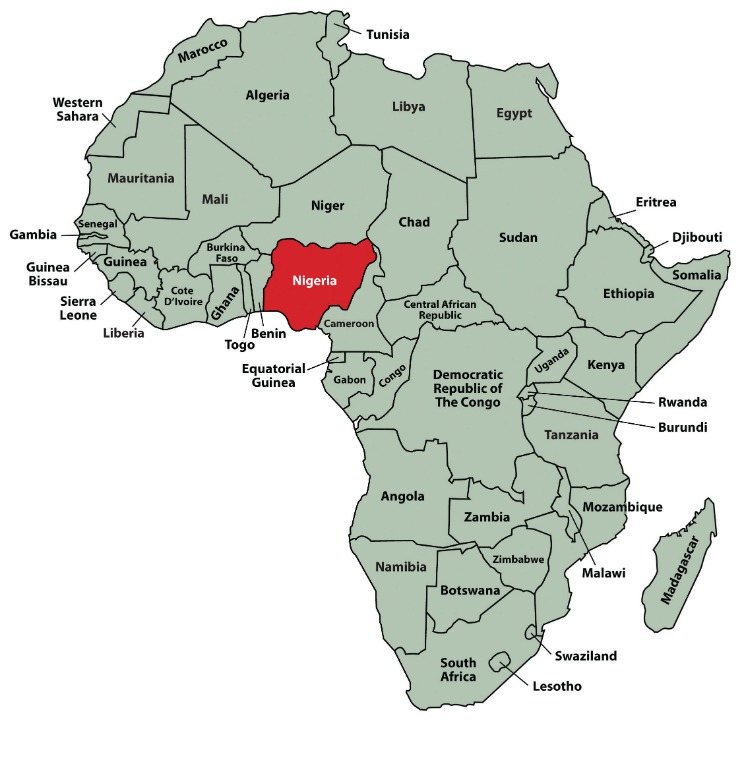
Types of Homes in Nigeria
Homes in Nigeria showcase a diverse array of architectural styles and structures that reflect the country’s rich cultural heritage, climate, and local materials. From traditional huts made of mud and thatch to modern apartments and luxurious villas, Nigeria offers a variety of housing options catering to different lifestyles and regions. These homes not only provide shelter but also embody the vibrant history and evolution of Nigerian architecture.
Traditional Nigerian Houses
Homes in Nigeria vary greatly across different regions and cultures, reflecting the rich diversity of the country. Traditional Nigerian houses are known for their unique architectural styles that often incorporate local materials and cultural symbols. In many communities, especially in rural areas, traditional homes are made from mud, clay, and thatch, designed to suit the climate and environment. These houses typically feature circular or rectangular shapes, with conical or flat roofs, and are often built with natural resources available locally. In southern Nigeria, you may find more elaborate wooden structures with intricate carvings, representing cultural heritage. The traditional homes serve not only as shelter but also as a symbol of cultural identity and history, maintaining their significance even amidst modern developments in Nigeria.
Modern Residential Buildings
Homes in Nigeria vary widely, reflecting the country’s diverse culture, climate, and economic development. Traditional Nigerian homes often feature mud-brick structures, thatched roofs, and open courtyards, especially in rural areas. In urban centers, modern residential buildings have evolved significantly to meet contemporary lifestyles and standards. These include high-rise apartments, luxury condominiums, and gated community estates with modern amenities. Many Nigerian cities also showcase duplexes and semi-detached homes constructed with reinforced concrete, glass, and steel, emphasizing comfort, security, and aesthetic appeal. These modern residential buildings typically incorporate features such as electricity, plumbing, security systems, and recreational facilities, catering to the needs of a growing and urbanizing population. The development of modern homes in Nigeria signifies progress and a shift towards more sophisticated and comfortable living environments.»
Apartment Complexes
Homes in Nigeria come in various forms, with apartment complexes being a popular choice among urban residents. These complexes typically feature multiple units within a single building or a group of buildings, offering a convenient living option for those seeking modern amenities and close proximity to city centers. Apartments in Nigeria range from simple one-bedroom units to luxury penthouses, catering to different income levels and lifestyle preferences. Many apartment complexes are equipped with security, parking, and recreational facilities, making them a preferred housing solution in bustling cities like Lagos, Abuja, and Port Harcourt.
Luxury Villas and Mansions
Homes in Nigeria vary significantly in style, size, and amenities, reflecting the diverse cultural and economic landscapes of the country. Among the most luxurious and prestigious types of residences are luxury villas and mansions, which showcase opulence and sophisticated architectural designs.
- Luxury Villas: These are often located in upscale neighborhoods and resort areas. They feature spacious layouts, modern amenities, private gardens, swimming pools, and high-end furnishings, offering comfort and privacy to residents.
- Mansions: Representing the pinnacle of luxury, mansions in Nigeria are expansive estates that may include multiple bedrooms, staff quarters, entertainment areas, and luxurious grounds. They are typically owned by prominent businesspeople, celebrities, and affluent families seeking exclusivity and grandeur.
Materials Used in Nigerian Home Construction
Materials used in Nigerian home construction play a vital role in shaping the durability, affordability, and aesthetic appeal of homes across the country. Given Nigeria’s diverse climate and available resources, builders often incorporate a variety of traditional and modern materials to create comfortable and resilient living spaces. From locally sourced bricks and timber to concrete and steel, understanding these materials is essential for anyone interested in Nigerian residential architecture.
Clay, Mud, and Adobe
Materials such as clay, mud, and adobe play a significant role in Nigerian home construction, especially in rural areas. These natural and locally available materials are preferred due to their affordability and practicality, offering good insulation against the hot climate. Clay and mud are used in building walls, providing durability and a traditional aesthetic that reflects Nigeria’s rich cultural heritage. Adobe, a mixture of mud, clay, sand, and organic materials like straw, is molded into bricks that are dried in the sun, making them an eco-friendly and cost-effective solution for many Nigerian households. These materials contribute to sustainable building practices and help communities construct homes that are both functional and environmentally conscious.
Concrete and Cement Blocks
Materials used in Nigerian home construction vary widely, but concrete and cement blocks are among the most common due to their durability and affordability. These blocks are made from a mixture of cement, sand, and water, which is pressed into molds and left to cure. They provide a strong structural foundation for residential buildings and are preferred for wall construction in many parts of Nigeria. The use of concrete and cement blocks also facilitates quicker building processes and offers resistance to weather conditions, making them ideal for Nigeria’s diverse climate. Additionally, these materials help ensure the stability and longevity of homes in the region.
Wood and Bamboo
Wood and bamboo are widely used materials in Nigerian home construction due to their availability, affordability, and cultural significance. Wood is a traditional building material valued for its durability, strength, and aesthetic appeal, often used for framing, roofing, doors, and furniture. Bamboo, on the other hand, is gaining popularity as an eco-friendly and sustainable resource, utilized in walls, flooring, and decorative elements. Both materials contribute to the unique architectural style of Nigerian homes while providing functional benefits such as insulation and ease of construction. Their use reflects a blend of traditional craftsmanship and modern sustainable building practices in Nigeria.
Steel and Glass
In Nigerian home construction, steel and glass are increasingly popular materials due to their durability and aesthetic appeal. Steel is widely used for framing, reinforcement, and structural support, offering strength and stability to buildings that can withstand Nigeria’s seismic activities and harsh weather conditions. Glass, on the other hand, is commonly employed in windows, doors, and facades to enhance natural lighting and modern design. Together, these materials contribute to homes that are not only resilient but also stylish and energy-efficient, aligning with contemporary architectural trends in Nigeria.
Architectural Styles
In Nigeria, the diverse cultural heritage and rich history have given rise to a variety of architectural styles that reflect the country’s vibrant identity. From traditional structures to modern designs, Nigerian architecture showcases a blend of local materials, techniques, and aesthetic principles. Exploring these styles offers insight into the country’s evolving architectural landscape and how it embodies Nigeria’s cultural values and historical influences.
Traditional Yoruba Architecture
Traditional Yoruba architecture is a revered style that reflects the rich cultural heritage and history of the Yoruba people in Nigeria. Characterized by its use of natural materials such as mud, clay, and wood, this architectural style emphasizes harmony with the environment. Structures often feature intricately decorated facades, courtyards, and verandas, which serve both aesthetic and functional purposes. The design elements typically include carved wooden doors, symbolic motifs, and elevated platforms that help in ventilation and protection from floodwaters. Yoruba homes are not only functional living spaces but also serve as cultural symbols, showcasing craftsmanship and societal status. This architectural style remains a vital part of Nigeria’s cultural landscape, preserving traditions while adapting to modern needs.
Hausa Architectural Design
Hausa architectural design in Nigeria is renowned for its distinctive style that reflects the rich cultural heritage of the Hausa people. This architectural style often features mud and clay structures with intricate geometric patterns and decorative motifs. The use of locally available materials like mud bricks and wood helps create homes that are both functional and culturally significant. Courtyards, veranda-like porches, and high-walled compounds are common elements, providing privacy and security. Additionally, Hausa homes frequently incorporate ornamental details such as carved wooden doors and colourful ceramic tiles, showcasing the artistry and craftsmanship of the community. Overall, Hausa architecture emphasizes harmony with the environment, cultural identity, and aesthetic appeal, making it a vital part of Nigeria’s diverse architectural landscape.
Ijaw and Benin Architectural Influences
Architectural styles in Nigeria reflect the rich cultural heritage and history of various ethnic groups, notably the Ijaw and Benin peoples. These styles showcase unique craftsmanship, materials, and design principles that embody their traditions and social structures. Ijaw architecture often emphasizes functional designs suited to riverine environments, utilizing materials like mud, thatch, and wood to create homes that are both practical and harmonious with their surroundings. In contrast, Benin architecture is renowned for its grandeur and intricate craftsmanship, with structures such as palaces featuring detailed carvings, courtyards, and thick walls that symbolize power and status. Over time, both influences have contributed to the diverse and vibrant architectural landscape observed in Nigerian homes today, blending traditional aesthetics with contemporary needs. This fusion of styles highlights the cultural importance of home as a reflection of identity, history, and community in Nigeria.
Modern and Contemporary Styles
In Nigeria, the architectural styles of homes have evolved significantly over the years, reflecting both cultural heritage and modern influences. Modern and contemporary styles are particularly prominent, showcasing a blend of functionality, aesthetics, and innovative design.
- Modern Style: This style emphasizes simplicity, clean lines, open floor plans, and the use of new materials such as steel, glass, and concrete. Nigerian homes built in this style often feature minimalistic decor and focus on maximizing natural light and space.
- Contemporary Style: More fluid and adaptable than modern architecture, contemporary homes in Nigeria incorporate current trends and technologies. They often combine traditional elements with innovative forms, creating dynamic and personalized living spaces.
Housing Development and Urban Planning
Housing development and urban planning play a crucial role in shaping the growth and sustainability of cities, especially in countries like Nigeria where rapid urbanization is ongoing. Effective planning ensures that communities are well-organized, accessible, and capable of providing safe and affordable homes for the increasing population. As Nigeria continues to develop, innovative approaches to urban planning are essential to address challenges such as housing shortages, infrastructure needs, and environmental sustainability.
Urban Housing Projects
Housing development and urban planning play a vital role in shaping the living conditions in Nigeria, where rapid urbanization has led to a surge in demand for affordable and sustainable housing. Urban housing projects in Nigeria often aim to address issues such as overcrowding, infrastructure deficits, and housing affordability, striving to create better living environments for residents.
Many housing initiatives focus on providing organized, well-planned communities that incorporate essential amenities, green spaces, and transportation networks to improve the quality of life. These projects also emphasize sustainable building practices and the use of local materials to ensure cost-effectiveness and environmental compatibility.
Despite significant progress, challenges remain in Nigeria’s housing sector, including funding limitations, bureaucratic hurdles, and land tenure issues. The government and private sector continue to collaborate on innovative solutions to expand access to decent housing and promote inclusive urban development, making homeownership more attainable for a broader segment of the population.
In conclusion, urban housing projects in Nigeria are crucial for fostering sustainable cities, supporting economic growth, and ensuring that more citizens enjoy safe, comfortable, and affordable homes in the country’s evolving urban landscape.
Suburban Expansion
Housing development and urban planning play a crucial role in shaping the growth and sustainability of Nigerian cities. As urban areas expand, careful planning is essential to accommodate increasing populations while ensuring adequate infrastructure, services, and green spaces. Suburban expansion has become a common phenomenon in Nigeria, driven by the need for affordable housing and better living conditions outside congested city centers. However, this growth often presents challenges such as traffic congestion, inadequate public transportation, and environmental degradation. To address these issues, Nigeria needs integrated urban planning strategies that promote sustainable development, efficient land use, and inclusive community growth. Properly managed suburban expansion can lead to improved quality of life and economic opportunities for residents, provided it aligns with long-term urban development goals.
Planned Communities and Estates
Housing development and urban planning in Nigeria play a crucial role in addressing the growing urbanization and the demand for quality housing. Planned communities and estates have become popular solutions to create organized, sustainable living environments that cater to the needs of diverse populations. These developments often incorporate modern amenities, green spaces, and efficient infrastructure to improve residents’ quality of life. In Nigeria, especially in major cities like Lagos, Abuja, and Port Harcourt, many private and government initiatives focus on establishing well-planned estates to reduce urban congestion and promote socio-economic inclusion. These planned communities are designed to promote safety, convenience, and economic opportunities, making them attractive options for Nigerians seeking reliable and comfortable homes. As urban planning continues to evolve, there is a growing emphasis on integrating sustainable practices and smart technologies to ensure these developments meet future needs while fostering community cohesion and environmental responsibility.
Challenges in Urban Development
Housing development and urban planning in Nigeria face numerous challenges that impact the growth and quality of urban life. Rapid urbanization has led to overcrowding, inadequate infrastructure, and a shortage of affordable housing options for residents. Many cities struggle with unplanned settlements and slum formations due to insufficient regulatory frameworks and enforcement. Additionally, issues such as poor drainage systems, inadequate public transportation, and limited access to basic services exacerbate living conditions. Addressing these challenges requires comprehensive planning, investment in sustainable infrastructure, and policies that promote inclusive growth to ensure safe, affordable, and resilient housing for all Nigerians in urban areas.
Cost and Affordability
Understanding the cost and affordability of homes in Nigeria is essential for prospective buyers and investors alike. As the real estate market continues to grow, the economic factors influencing property prices become even more significant. This article explores the key aspects of home costs in Nigeria and the challenges faced in making housing affordable for the average citizen.
Factors Influencing Home Prices
Cost and affordability are critical factors influencing home prices in Nigeria, affecting both buyers and sellers in the real estate market. The overall economic stability, inflation rates, and currency fluctuations play a significant role in determining property prices, often making homes less affordable for the average Nigerian. Additionally, fluctuating interest rates on mortgage loans influence people’s ability to purchase homes, which in turn impacts market demand and pricing.
Several factors influence home prices in Nigeria, including location, infrastructural development, and demand-supply dynamics. Areas with better access to amenities, transportation, and modern facilities tend to have higher property values. Government policies, land ownership regulations, and taxation also impact the cost of real estate, sometimes creating barriers or incentives for investment. Moreover, foreign investment and diaspora remittances contribute to the fluctuations in home prices, especially in high-end markets.
Cost of Construction Materials
Cost and affordability are critical factors to consider when building a home in Nigeria, especially given the fluctuating economic conditions and varying income levels across the country. Managing expenses effectively can determine whether the dream of owning a house becomes a reality for many Nigerians.
The cost of construction materials is a major component of the overall budget for building a home in Nigeria. Prices for materials such as cement, steel, bricks, and roofing sheets have experienced significant fluctuations due to factors like inflation, import policies, and local demand. These rising costs can challenge affordability and often lead to increased project budgets.
Mortgage and Financing Options
Purchasing a home in Nigeria involves careful consideration of cost and affordability, as well as exploring suitable mortgage and financing options available to prospective buyers.
- Understanding the total cost of ownership, including the purchase price, legal fees, registration costs, and potential renovation expenses.
- Assessing your financial capacity to ensure monthly payments align with your income to avoid financial strain.
- Exploring mortgage options from Nigerian banks and financial institutions, which may require a substantial down payment and proof of steady income.
- Looking into government-backed housing schemes and microfinance banks that offer more flexible financing terms for first-time buyers.
- Considering alternative financing methods such as rent-to-own schemes or cooperative housing programs.
Home Ownership and Rental Market
The home ownership and rental market in Nigeria is a dynamic sector reflecting the country’s diverse economic landscape and evolving urbanization trends. As Nigeria’s cities continue to grow rapidly, the demand for both owned and rented properties increases, shaping the housing landscape for a wide range of income groups. Understanding the key factors influencing this market is essential for prospective homeowners, renters, and investors alike.
Ownership Rights and Regulations
Home ownership and the rental market in Nigeria are vital components of the country’s housing sector, reflecting economic status and social stability. Ownership rights and regulations play a crucial role in ensuring security for homeowners and tenants alike, shaped by a combination of federal, state, and local laws.
- In Nigeria, owning a home is often seen as a symbol of social status and economic achievement, with many individuals investing in residential properties in urban centers like Lagos, Abuja, and Port Harcourt.
- The rental market is vibrant, catering to a diverse population that includes expatriates, business travelers, and local residents, with rental agreements typically documented to outline terms and conditions.
- Ownership rights are governed by the Land Use Act of 1978, which centralizes land administration and grants the government authority over land allocation and regulation.
- Under this law, individuals and corporate entities can acquire interests in land through a system of leases; freehold titles are limited and primarily available for government or special cases.
- Regulations also require proper documentation, including titles and deeds, to establish legal ownership and facilitate dispute resolution.
- Tenancy agreements in Nigeria are regulated by rent control laws at the state level, which limit rent increases and protect tenants from unfair eviction.
- Issues such as land tenure insecurity, bureaucratic delays, and occasional disputes over land rights pose challenges for both homeowners and renters.
- Efforts are ongoing to improve legal frameworks, promote transparency, and encourage investment in affordable housing to meet Nigeria’s growing urban population needs.
The Rental Market Dynamics
The rental market in Nigeria is a vital component of the housing sector, influenced by various economic and social factors. It serves as a primary option for many Nigerians who are unable to afford homeownership or prefer flexible living arrangements. The dynamics of this market are shaped by urbanization, population growth, and economic stability, which create both opportunities and challenges for landlords and tenants alike. Fluctuations in rental prices often reflect broader economic conditions, with periods of inflation leading to increased rental costs. Additionally, government policies, such as rent control laws and housing regulations, impact the accessibility and affordability of rental properties. As Nigeria continues to urbanize rapidly, the rental market remains a crucial aspect of the country’s housing ecosystem, requiring effective management and sustainable practices to address housing needs.
Popular Areas for Rent and Purchase
In Nigeria, the housing market offers a diverse range of options for both homeownership and rental. With rapid urbanization, areas in major cities like Lagos, Abuja, and Port Harcourt have become popular choices for those looking to buy or rent a home. The dynamics of the market are influenced by factors such as location, affordability, and lifestyle preferences.
Popular areas for rent and purchase in Nigeria include:
- Lagos Island and Victoria Island – known for luxury apartments and commercial hubs.
- Ikoyi – an affluent neighborhood with high-end residences.
- Grae and Ajah – emerging suburbs with affordable options for families.
- Abuja Wuse and Maitama – preferred for government officials and expatriates.
- Port Harcourt GRA – a prime location for professionals and investors.
Challenges in Nigerian Housing Sector
The Nigerian housing sector faces numerous challenges that hinder the country’s efforts to provide affordable and quality housing for its growing population. Issues such as urbanization, inadequate infrastructure, high construction costs, and inconsistent policy implementation contribute to the housing crisis. Addressing these obstacles is essential to ensuring that more Nigerians can secure safe and comfortable homes, fostering sustainable development and economic growth across the nation.
Supply Shortages
The Nigerian housing sector faces significant challenges, primarily due to persistent supply shortages that hinder the development of adequate housing for its growing population. These shortages are caused by factors such as inadequate infrastructure, high costs of construction materials, and limited access to affordable financing for developers. As a result, many Nigerians struggle to find suitable and affordable homes, leading to overcrowding and the proliferation of informal settlements. The gap between housing demand and supply continues to widen, exacerbating urbanization pressures and contributing to social and economic issues across the country.
Infrastructural Deficiencies
The Nigerian housing sector faces numerous challenges that hinder the development of adequate and affordable homes for its growing population. One major issue is infrastructural deficiencies, including unreliable electricity supply, poor road networks, and inadequate water and sanitation facilities. These infrastructural gaps increase the cost of construction and maintenance, making it difficult for developers to deliver quality housing at affordable prices. Additionally, these deficiencies discourage investment and contribute to the proliferation of informal settlements. The lack of proper infrastructure also impacts the overall quality of life for residents, perpetuating cycles of urban poverty. Addressing these infrastructural issues is crucial for creating sustainable housing solutions that meet the needs of Nigeria’s expanding urban centers.
Corruption and Regulatory Hurdles
The Nigerian housing sector faces significant challenges rooted in corruption and regulatory hurdles that hinder the development of affordable and sustainable homes for the populace. Corruption within government agencies and private sectors often leads to the misallocation of resources, inflation of construction costs, and delays in project approvals, thereby discouraging investment and progress. Additionally, complex regulatory frameworks and inconsistent enforcement of building standards create further obstacles for developers and homeowners alike. These issues contribute to a persistent housing deficit, leaving many Nigerians in inadequate housing conditions and limiting the overall growth of the sector. Addressing these challenges requires comprehensive reforms, increased transparency, and streamlined procedures to foster an enabling environment for housing development in Nigeria.
Solutions and Government Initiatives
Home in Nigeria faces numerous challenges that hinder the development of affordable and sustainable housing. These include rapid urbanization, inadequate infrastructure, high construction costs, limited access to financing, and bureaucratic land administration processes. Additionally, issues such as land tenure insecurity and corruption further complicate housing delivery efforts.
To address these challenges, various solutions have been proposed and implemented. Promoting public-private partnerships can facilitate investment in affordable housing projects. Introducing innovative construction techniques, such as prefabrication and local sourcing of materials, can reduce costs. Improving land registration systems and ensuring transparent land administration will enhance security of tenure and streamline development processes. Moreover, establishing affordable mortgage schemes and improving access to financing can empower more citizens to own homes.
Government initiatives play a crucial role in resolving housing issues in Nigeria. Programs such as the National Housing Program aim to increase the supply of affordable homes through government-led projects. The Nigerian Mortgage Refinance Company facilitates access to affordable credit by refinancing mortgage loans. Additionally, policies that promote low-cost housing schemes, urban planning reforms, and investment in infrastructure are vital for sustainable development. Continued efforts and collaborative approaches are essential to creating a robust housing sector that meets the needs of all Nigerians.
Future of Housing in Nigeria
The future of housing in Nigeria holds great promise as the country continues to develop and urbanize rapidly. With increasing population growth and a rising middle class, there is a significant demand for affordable, sustainable, and innovative housing solutions. Advances in technology, government initiatives, and private sector investments are shaping a new era of homeownership and urban living in Nigeria, paving the way for a more modern and inclusive housing landscape.
Innovations in Construction Technology
The future of housing in Nigeria is poised for significant transformation driven by innovations in construction technology. As urbanization accelerates and population growth continues, Nigeria faces the challenge of providing affordable, durable, and sustainable housing solutions. Emerging technologies such as 3D printing, modular construction, and the use of eco-friendly materials are revolutionizing the construction industry, enabling faster and cost-effective building processes. Smart homes equipped with IoT devices are also becoming popular, offering enhanced security and energy efficiency. Additionally, digital tools like Building Information Modeling (BIM) are improving project planning and collaboration, reducing waste and errors. These advancements are paving the way for more innovative and resilient housing solutions, helping Nigeria address its housing deficit while promoting environmental sustainability. Overall, technological innovation holds the key to a brighter housing future for Nigeria’s growing population.
Sustainable and Green Building Practices
The future of housing in Nigeria is increasingly focused on sustainable and green building practices to address the country’s rapidly growing population and environmental challenges. Embracing eco-friendly materials and energy-efficient designs can significantly reduce the ecological footprint of residential developments, ensuring healthier living environments and resource conservation. Innovations such as solar-powered homes, rainwater harvesting, and natural ventilation are becoming more prevalent, promoting affordability and resilience against climate change. Additionally, green building certifications and policies are being adopted to encourage developers to prioritize sustainability, which can lead to long-term cost savings for residents and enhance the overall quality of life. As Nigeria continues to urbanize, integrating sustainable practices into housing development is essential for creating resilient, affordable, and environmentally responsible homes for its expanding population.
Smart Homes and IoT Integration
The future of housing in Nigeria is poised for a transformative shift driven by advancements in technology, particularly in the realms of smart homes and IoT integration. As urbanization accelerates and the demand for efficient, secure, and sustainable living spaces grows, Nigerian homeowners and developers are increasingly turning to innovative solutions that leverage Internet of Things (IoT) devices. These technologies enable remote control of appliances, enhanced security systems, intelligent lighting, and energy management, significantly improving residents’ quality of life.
Smart homes in Nigeria are expected to become more accessible and affordable, fostering widespread adoption across urban centers like Lagos, Abuja, and Port Harcourt. IoT integration will facilitate real-time monitoring and automation, reducing energy consumption and operational costs while providing residents with increased convenience and safety. Additionally, the integration of IoT into housing infrastructure will support sustainable development by promoting energy efficiency and eco-friendly practices.
Looking ahead, the Nigerian housing market will likely see increased alliances between technology firms, construction companies, and government initiatives aimed at modernizing urban living spaces. As these innovations become more prevalent, homes will not only serve as secure and comfortable living environments but will also contribute to Nigeria’s broader goals of digital transformation and sustainable urban growth.




0 Comments