
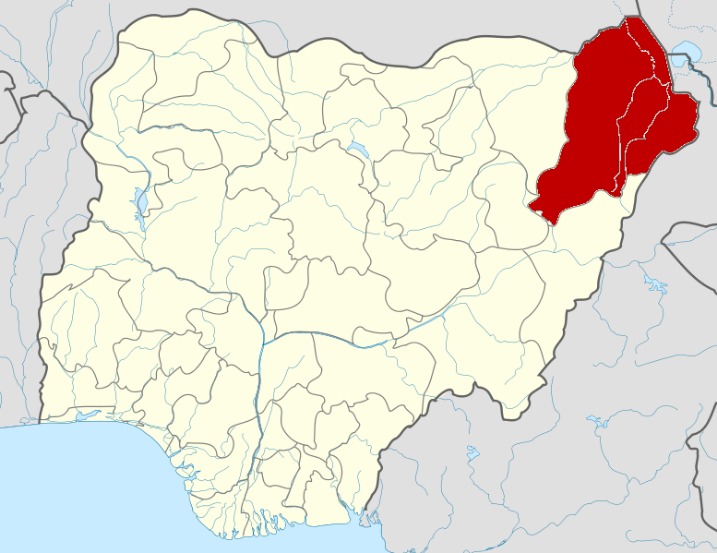
Geography and Climate of Nigeria
Nigeria, located in West Africa, is a country characterized by diverse geographical features and a varied climate. Its landscape includes expansive savannahs, dense rainforests, and the rocky terrain of the Jos Plateau, contributing to its rich natural beauty. The climate of Nigeria varies from tropical in the southern regions to semi-arid in the north, shaping the country’s agriculture, lifestyle, and biodiversity. These geographical and climatic factors play a crucial role in Nigeria’s development and ecological diversity.
Location and Borders
Nigeria is a country located in West Africa, known for its diverse geography and varied climate. It lies between latitudes 4° and 14° north and longitudes 2° and 15° east. The country shares borders with several nations, including Niger to the north, Chad to the northeast, Cameroon to the east, and Benin to the west. To the south, Nigeria has a coastline along the Atlantic Ocean, specifically the Gulf of Guinea.
Major Physical Features
Nigeria is a country in West Africa characterized by diverse geography and climate. It features a variety of physical landscapes, including coastal plains, inland hills, savannahs, and dense forests. The coastal region along the Gulf of Guinea is low-lying and swampy, supporting a rich variety of flora and fauna. Moving inland, Nigeria’s terrain gradually rises into the Central African Plateau, which covers a significant part of the country. The southern regions are characterized by tropical forests, while the north consists mostly of savannah and semi-arid areas. Major physical features include the Niger River, which flows through the country and is vital for transportation and agriculture, as well as Lake Chad, located at the northeastern border, and the Jos Plateau, known for its higher elevation and cooler climate.
Climate Zones and Weather Patterns
Nigeria is a country located in West Africa, characterized by diverse geography and climate patterns. Its landscape includes coastal plains, mangrove swamps, savannahs, and highland regions, contributing to its ecological diversity. The climate of Nigeria varies significantly across different regions, influenced by its geographical features.
Nigeria features several climate zones and weather patterns that shape its environmental conditions. The main climate zones in Nigeria are:
- Tropical rainforest in the south, with high temperatures and heavy rainfall throughout the year.
- Aw climate (tropical savannah) in the middle belt, featuring distinct wet and dry seasons with warm temperatures.
- Sahel and semi-arid regions in the northern parts, characterized by lower rainfall, higher temperatures, and more pronounced dry seasons.
Weather patterns in Nigeria are largely driven by the movement of the Intertropical Convergence Zone (ITCZ), monsoon winds, and the position of the Atlantic Ocean. The country experiences two primary seasons: the rainy season, which typically spans from April to October, bringing heavy, sustained rains; and the dry season, from November to March, characterized by hot, dry harmattan winds in the north and a more temperate climate in the south. These seasonal variations significantly influence agriculture, water resources, and daily life across Nigeria.
History of Nigeria
Nigeria, located in West Africa, has a rich and diverse history that spans thousands of years. From ancient civilizations like Nok and Ife to its colonial past under British rule, Nigeria has played a significant role in regional and continental development. The country gained independence in 1960 and has since evolved into a major economic and cultural hub in Africa, facing numerous challenges and achievements along its path to nationhood.
Pre-Colonial Period
The pre-colonial period of Nigeria’s history is characterized by the presence of diverse communities and sophisticated civilizations that thrived long before European contact. Various ethnic groups such as the Hausa-Fulani, Yoruba, Igbo, and Kingdom of Nri established complex societies with distinct political, social, and religious structures. The Nok culture, famous for its terracotta sculptures, dates back to around 1500 BCE and represents one of the earliest known civilizations in the region. Empires such as the Kingdom of Kanem-Borno and the Mali Empire influenced trade, culture, and politics across the area. The city-states of Ife and Oyo in the Yoruba region became prominent centers for art, religion, and governance. Meanwhile, the Hausa city-states of Kano and Katsina developed powerful trading networks across the Sahara. These diverse societies laid the foundation for Nigeria’s rich cultural heritage and complex social fabric that would later be impacted by colonial rule.
Colonial Era and Independence
Nigeria, located in West Africa, has a rich and diverse history that spans thousands of years. Before the colonial era, the region was home to powerful and influential kingdoms such as the Nok, Kanem-Bornu, and the Yoruba city-states, as well as the Hausa states. These societies developed complex political structures, cultures, and trade networks that contributed to the area’s vibrant history.
During the colonial period, beginning in the late 19th century, Nigeria came under British rule as a result of the Scramble for Africa. The British established control through a combination of treaties, military conquest, and administrative restructuring. Nigeria was formally amalgamated in 1914, creating a single colony from the Northern and Southern protectorates. The colonial era brought significant changes, including the introduction of Western education, Christianity, and new economic practices, but also led to the exploitation of local resources and peoples.
The fight for independence gained momentum after World War II, with various nationalist movements advocating for self-rule. Nigeria officially gained independence from Britain on October 1, 1960, becoming a sovereign nation. The transition led to the establishment of a parliamentary system, though subsequent political challenges and military coups would shape Nigeria’s post-independence history. Independence marked a new chapter for Nigeria as it began its journey toward self-determination, political stability, and development.
Post-Independence Developments
Nigeria’s post-independence history is marked by significant political, economic, and social developments. After gaining independence from Britain in 1960, Nigeria experienced a series of military coups and civil unrest, reflecting the diverse ethnic and regional interests within the country. The nation transitioned between democratic governments and military rule multiple times, impacting its stability and development. The Nigerian Civil War, also known as the Biafran War, from 1967 to 1970, was a major event that highlighted regional tensions and desire for independence among some groups. In the subsequent decades, Nigeria sought to stabilize its political landscape through constitutional reforms and democratic elections. The discovery and exploitation of oil reserves in the 1950s shaped the country’s economy, making it one of Africa’s leading oil producers. Despite economic potential, Nigeria faced challenges such as corruption, underdevelopment, and socio-political conflicts. The country has also made notable progress in areas like education, infrastructure, and national integration, striving to achieve sustainable development and unity among its diverse population.
Government and Political System
Nigeria’s government and political system are foundational to its functioning as a nation. As a federal republic, Nigeria features a democratic structure with elected representatives and multiple political parties. Its system includes executive, legislative, and judicial branches, all working together to govern and address the diverse needs of its population. Understanding Nigeria’s political landscape provides insight into its history, challenges, and development as a nation.
Constitution and Governance Structure
Nigeria is a federal republic with a democratic government system that emphasizes separation of powers among the executive, legislative, and judicial branches. The country operates under a written constitution that delineates the roles and responsibilities of each branch and guarantees fundamental rights to its citizens. The governance structure includes a President serving as both head of state and government, a bicameral National Assembly comprising the Senate and the House of Representatives, and an independent judiciary. Nigeria’s political system also features various levels of government, including federal, state, and local authorities, which work collaboratively to ensure governance across its diverse regions. The constitution provides a framework for elections, political participation, and the rule of law, aiming to maintain stability and promote development within the nation. Despite challenges such as corruption and political instability, Nigeria continues to work toward strengthening its democratic institutions and ensuring good governance for its people.
Federal System and State Divisions
Nigeria operates under a federal system of government, which means that power is shared between a central authority and various state governments. This structure allows each state to have its own government with significant legislative and executive powers, promoting regional autonomy and diversity.
The government of Nigeria is a democratic republic with an elected president serving as both head of state and government. The political system includes a multi-party structure, with the executive, legislative, and judiciary branches working together to govern the country.
Nigeria is divided into 36 states and one Federal Capital Territory, Abuja. Each state has its own government, including a governor and legislature, and is responsible for local administration, education, health, and other regional issues. These divisions help manage the country’s diverse ethnic, cultural, and geographical landscape effectively.
Major Political Parties
Nigeria operates a federal republic with a presidential system of government, where the President is both the head of state and the head of government. The country’s political structure is characterized by a separation of powers among the executive, legislative, and judicial branches, with a constitution that defines the framework of governance. Nigeria’s political system is designed to promote democratic principles and ensure representation across its diverse population.
Major political parties in Nigeria include the All Progressives Congress (APC), which is currently the ruling party, and the People’s Democratic Party (PDP), which has been a dominant force in Nigerian politics for many years. Other significant parties include the Labour Party (LP) and the Social Democratic Party (SDP). These parties compete in national, state, and local elections, shaping the country’s policies and governance. The political landscape in Nigeria is dynamic, often influenced by regional, ethnic, and economic factors, reflecting its rich diversity.
Economy of Nigeria
Nigeria has one of the largest and most diverse economies in Africa, driven by various sectors including oil and gas, agriculture, telecommunications, and services. The country is a major producer of petroleum, which significantly contributes to its national revenue and export earnings. Despite its economic potential, Nigeria faces challenges such as infrastructure deficits, political instability, and economic disparities. Efforts are ongoing to diversify the economy and promote sustainable growth to improve living standards for its rapidly growing population.
Main Industries and Sectors
Nigeria’s economy is one of the largest in Africa, characterized by a diverse range of industries and sectors that drive its growth. The country relies heavily on its oil and gas industry, which is a major source of revenue and exports. Apart from petroleum, agriculture plays a vital role, employing a significant portion of the population and producing crops such as cocoa, groundnuts, and yams. The manufacturing sector is also expanding, with industries including food processing, textiles, and cement making contributing to economic development. In recent years, Nigeria has been working to diversify its economy through investments in telecommunications, banking, and services sectors, aiming to reduce dependence on oil and create sustainable growth. Overall, Nigeria’s economy is a complex blend of natural resource exploitation, agriculture, manufacturing, and increasingly, service-oriented industries.
Natural Resources and Agriculture
Nigeria’s economy is one of the largest in Africa, characterized by diverse sectors including oil, agriculture, telecommunications, and services. The country relies heavily on natural resources, particularly crude oil and natural gas, which constitute a significant portion of government revenue and export earnings. Despite its abundant resources, Nigeria faces economic challenges such as oil dependence, inflation, and unemployment, which affect sustainable growth.
Natural resources play a vital role in Nigeria’s development. The country is endowed with vast deposits of oil, natural gas, coal, tin, limestone, and gemstones. Oil exploration and production are concentrated in the Niger Delta region, making it a key hub for national income. However, resource management issues and environmental concerns have hindered the full potential of Nigeria’s resource wealth.
Agriculture remains an essential sector for Nigeria, providing employment for the majority of the population. The main agricultural products include yams, cassava, maize, rice, groundnuts, and crude oil palm. While agriculture historically drove the economy, its contribution to GDP has declined with the rise of the oil sector. Nevertheless, efforts to modernize the sector and increase food security are ongoing to diversify Nigeria’s economy and reduce reliance on oil exports.
Economic Challenges and Opportunities
Nigeria, often referred to as the “Giant of Africa,” has one of the largest economies on the continent. Its economy is primarily driven by oil and gas exports, agriculture, and services. Despite its rich natural resources and a large, youthful population, Nigeria faces significant economic challenges that hinder sustained growth.
- Over-reliance on oil exports, which makes the economy vulnerable to global price fluctuations.
- High unemployment rates, especially among youth, leading to social unrest.
- Persistent inflation and inflationary pressures affecting the cost of living and business climate.
- Inadequate infrastructure, including power, transportation, and healthcare, limiting productivity and development.
However, Nigeria also presents significant opportunities for economic growth and diversification. The country has a large internal market, a burgeoning tech and startup scene, and vast agricultural potential. Reforms aimed at diversifying the economy beyond oil, improving governance, and investing in infrastructure could unlock Nigeria’s full economic potential.
- Promoting non-oil sectors like agriculture, manufacturing, and technology to diversify income sources.
- Enhancing infrastructure to support business activities and improve living standards.
- Implementing policies to attract foreign direct investment and support small and medium-sized enterprises.
- Investing in education and skills development to leverage the youthful population’s potential.
- Strengthening institutions to improve governance, reduce corruption, and ensure economic stability.
Culture and Society
Nigeria is a vibrant country renowned for its rich cultural diversity and dynamic society. With over 200 ethnic groups and a multitude of traditions, Nigeria’s culture reflects a fascinating blend of customs, languages, and histories. This diversity plays a significant role in shaping the social fabric of the nation, fostering both unity and unique regional identities. Exploring Nigeria’s culture and society offers a glimpse into a nation that celebrates its heritage while continually evolving in a modern world.
Ethnic Groups and Languages
Nigeria is a vibrant country known for its rich cultural diversity and complex social fabric. It is home to a multitude of ethnic groups, each with its own distinct traditions, celebrations, and social structures. The major ethnic communities include the Hausa, Yoruba, and Igbo, among others, contributing to a mosaic of cultural identities. These groups have preserved their languages, customs, and practices, which play a vital role in shaping Nigeria’s national identity.
Languages in Nigeria are equally diverse, with over 500 indigenous languages spoken across the country. Despite this linguistic variety, English serves as the official language, facilitating communication across different ethnic groups and supporting Nigeria’s educational and governmental institutions. The coexistence of numerous local languages alongside English reflects Nigeria’s multilingual heritage and influences its social interactions, arts, and literature.
Religious Composition
Nigeria is a country with a rich and diverse cultural landscape, reflecting its complex history and multitude of ethnic groups. The societal fabric of Nigeria is shaped by a blend of traditions, languages, and customs that vary significantly across regions and communities. This diversity fosters a vibrant cultural scene, encompassing various festivals, music, dance, and cuisine that are unique to Nigeria.
Religious composition in Nigeria is equally diverse and plays a vital role in shaping the social and political life of the country. The major religions are Christianity, which is predominantly practiced in the southern and central regions, and Islam, which is more widely followed in the northern parts. There are also traditional indigenous beliefs that continue to influence many communities, often blending with Christianity and Islam. This religious plurality sometimes leads to interfaith interactions and, at times, tensions, but overall it contributes to the rich cultural mosaic of Nigeria.
Traditional and Modern Arts
Nigeria boasts a rich and diverse cultural heritage that is reflected in its traditional and modern arts. The country’s society is a vibrant tapestry of ethnic groups, each contributing unique cultural expressions through music, dance, visual arts, and crafts. These artistic traditions serve as a means of preserving history, celebrating social values, and fostering community identity across generations.
- Traditional arts in Nigeria include intricate beadwork, pottery, textile weaving, and wood carving which are often tied to specific ethnic groups such as the Yoruba, Igbo, and Hausa. These arts are deeply rooted in religious rituals, festivals, and social ceremonies.
- Modern Nigerian arts have gained international recognition through contemporary painting, sculpture, and performance art. Artists like Ben Enwonwu and Chimamanda Ngozi Adichie continue to bridge traditional themes with modern techniques, promoting Nigeria’s cultural identity on a global scale.
- Music and dance are integral to Nigerian society, with genres like Afrobeat blending traditional rhythms with modern sounds to create globally influential music styles.
- The evolution from traditional crafts to modern arts embodies Nigeria’s dynamic cultural landscape, balancing preservation with innovation to reflect the country’s contemporary societal changes.
Tourism and Natural Attractions
Nigeria is a country rich in natural beauty and diverse attractions that draw travelers from around the world. With its vibrant landscapes, from lush forests to expansive savannahs, Nigeria offers a wealth of natural wonders to explore. These stunning scenery and cultural sites make Nigeria a prominent destination for tourists seeking both adventure and cultural experiences.
National Parks and Wildlife Reserves
Nigeria is renowned for its stunning natural attractions, including a diverse range of national parks and wildlife reserves that showcase the country’s rich biodiversity. These protected areas not only preserve native flora and fauna but also serve as popular destinations for eco-tourism and adventure enthusiasts.
Some of the prominent national parks in Nigeria include Yankari National Park, known for its lush landscapes and the presence of elephants, baboons, and other wildlife. Cross River National Park offers dense rainforests and is home to critically endangered species such as the Cross River gorilla and Nigeria-Cameroon chimpanzee. Gashaka-Guna National Park is the largest in Nigeria, featuring mountains, waterfalls, and savannahs, making it a haven for hikers and wildlife lovers.
Wildlife reserves across Nigeria play a crucial role in conserving the country’s natural heritage. These areas provide sanctuary to various species, including antelopes, crocodiles, and numerous bird species, attracting tourists seeking an authentic experience in nature. Visiting these parks and reserves offers travelers a chance to learn about Nigeria’s ecological diversity while enjoying the breathtaking scenery and engaging in activities like safari tours, birdwatching, and photography.
Historical Sites and Monuments
Nigeria is a vibrant country renowned for its diverse natural attractions, rich history, and cultural heritage. Visitors can explore stunning landscapes such as the Obudu Cattle Ranch, Yankari National Park, and the breathtaking Aso Rock, which offer unique outdoor experiences and a glimpse into Nigeria’s ecological diversity. The country also boasts a wealth of historical sites and monuments, including the ancient city of Kano, the Nok Terracotta sculptures, and the UNESCO World Heritage Site of Sukur. These sites reflect Nigeria’s deep-rooted history and cultural traditions, attracting tourists interested in exploring the past and understanding the legacy of its various ethnic groups. Overall, Nigeria offers a compelling blend of natural beauty and historical depth that makes it an intriguing destination for travelers worldwide.
Festivals and Cultural Events
Nigeria is a country rich in tourism and natural attractions, offering a diverse range of experiences for visitors. From its stunning landscapes to vibrant festivals, Nigeria is a destination full of cultural and natural wonders.
- Idanre Hills: A UNESCO World Heritage site, these hills provide breathtaking views and historical significance.
- Obudu Mountain Resort: Located in Cross River State, it features a temperate climate, waterfalls, and amusement parks.
- Yankari National Park: Famous for its wildlife, warm springs, and savannah landscapes, it is Nigeria’s premier wildlife reserve.
- Erin-Ijesha Waterfalls: A scenic cascade located in Osun State, popular for trekking and picnics.
- Aso Rock: An iconic monolith in Abuja, offering hiking opportunities and scenic viewpoints.
- Argungu Fishing Festival: An annual festival celebrating fishing with canoe races, traditional music, and cultural displays.
- Argungu Festival: Known for its vibrant communal celebrations, dancing, and boat races.
- Lagos Carnival: A colorful event showcasing Nigeria’s diverse cultures through costumes, music, and dance.
- Felebration Nigeria: A festival celebrating Nigerian arts, music, and entertainment.
- New Yam Festival: Celebrated by the Igbo people, marking the harvest season with traditional dances and feasts.
Challenges Facing Nigeria
Nigeria, a country rich in diversity and potential, faces numerous challenges that hinder its development. From economic instability and corruption to insecurity and inadequate infrastructure, these issues pose significant obstacles to progress. Addressing these challenges is essential for Nigeria to unlock its full potential and achieve sustainable growth for its population.
Security Issues and Conflicts
Nigeria faces a multitude of challenges, particularly in the areas of security and conflicts. The country struggles with insurgency, terrorism, and widespread violence that threaten stability and development. Groups like Boko Haram have conducted attacks in the northeastern region, leading to loss of lives and displacement of many communities. Additionally, conflicts over land and resources, especially in the Middle Belt, have fueled violence between herders and farmers. Kidnappings and armed banditry have also become prevalent, further destabilizing the nation. These security issues hinder economic growth, strain government resources, and undermine social cohesion. Addressing these challenges requires coordinated efforts, improved intelligence, community engagement, and strategic security reforms to restore peace and stability in Nigeria.
Economic and Developmental Challenges
Nigeria faces a multitude of economic and developmental challenges that hinder its progress. One major issue is widespread poverty, which affects a significant portion of the population and limits access to quality education, healthcare, and basic services. Economic instability is also prevalent, driven by reliance on oil exports, which makes the country vulnerable to global price fluctuations. Additionally, infrastructural deficits such as inadequate roads, electricity, and water supply hamper economic activities and reduce quality of life. Corruption and poor governance further exacerbate these problems, impeding effective policy implementation and resource allocation. Population growth poses another challenge, putting pressure on already strained resources and services. Addressing these hurdles requires comprehensive reforms, sustainable development strategies, and resilient institutions to foster long-term growth and stability in Nigeria.
Environmental Concerns
Nigeria faces numerous challenges, particularly in the realm of environmental concerns that threaten the nation’s development and well-being. Rapid population growth and urbanization have put immense pressure on natural resources, leading to deforestation, land degradation, and pollution. Oil exploration and exploitation have caused significant environmental damage, including oil spills and gas flaring, which adversely affect local communities and ecosystems. Additionally, inadequate waste management systems contribute to frequent flooding and health issues. Climate change also poses a serious threat, resulting in unpredictable weather patterns, desertification, and loss of biodiversity. Addressing these environmental concerns requires strong policy enforcement, sustainable practices, and increased public awareness to safeguard Nigeria’s environment for future generations.
Future Prospects for Nigeria
Nigeria, often referred to as the “Giant of Africa,” holds immense potential for future growth and development. With its diverse economy, abundant natural resources, and young, vibrant population, the country is poised to make significant strides in various sectors. As Nigeria continues to address challenges and embrace innovation, its prospects for a prosperous and sustainable future look promising.
Development Initiatives and Policies
Future prospects for Nigeria are promising, given its vast natural resources, youthful population, and emerging economic sectors. The country has the potential to become a leading economy in Africa if it continues to implement effective development initiatives and policies that foster sustainable growth and stability.
Several development initiatives and policies are shaping Nigeria’s未来, including efforts to diversify the economy, improve infrastructure, and strengthen governance. These strategies aim to reduce dependency on oil exports and promote other sectors such as agriculture, manufacturing, and technology.
- Implementation of the Economic Recovery and Growth Plan (ERGP) to diversify the economy and attract investments.
- Investments in infrastructure projects like roads, power, and transportation to enhance connectivity and industrialization.
- Reforms in the banking and financial sectors to boost access to credit and support small and medium enterprises.
- Polices aimed at improving education and healthcare systems to develop a skilled and healthy workforce.
- Initiatives to combat corruption and improve transparency within government institutions.
- Promotion of digital economy and technology-driven industries to increase innovation and job creation.
Potential for Growth and Innovation
Nigeria holds significant promise for future growth and innovation, driven by its young and dynamic population, expanding economy, and diverse natural resources. As Africa’s largest economy, Nigeria has the potential to become a regional hub for technological advancement, manufacturing, and service industries, fostering sustainable development and improving living standards.
- Strong Demographic Dividend: With a median age under 18, Nigeria has a youthful workforce capable of supporting long-term economic growth and innovation.
- Technological Advancement: Increasing investments in digital infrastructure and tech startups are paving the way for Nigeria to become a leader in fintech, agritech, and e-commerce sectors.
- Natural Resources and Agriculture: Rich in oil, gas, minerals, and agricultural potential, Nigeria can diversify its economy by enhancing value addition and sustainable resource management.
- Business and Investment Opportunities: Reforms in governance and ease of doing business are attracting foreign direct investment, encouraging entrepreneurship and industrial development.
- Education and Skill Development: Improving educational systems and vocational training will equip the youth with necessary skills to innovate and contribute to various sectors.
Role in Regional and Global Affairs
Nigeria, as one of Africa’s most populous and resource-rich countries, holds significant potential for future development and influence on both regional and global stages. With its growing economy, expanding technological sector, and abundant natural resources, Nigeria is poised to become a key player in Africa’s economic integration and innovation landscape. The country’s strategic location, large consumer market, and youthful population provide a strong foundation for increased regional cooperation and trade partnerships.
In regional affairs, Nigeria is likely to continue playing a leadership role within West Africa and the broader African Union, advocating for political stability, economic development, and security. Its military capabilities and diplomatic influence position Nigeria as a critical partner in regional peacekeeping efforts and counter-terrorism initiatives, especially in addressing challenges posed by insurgent groups and political conflicts.
On the global stage, Nigeria’s role is expected to grow through active participation in international organizations, trade agreements, and development initiatives. Its vast oil and mineral reserves make it an essential actor in global energy markets, while its emerging technology and entertainment industries enhance its soft power. With continued focus on good governance and sustainable development, Nigeria has the potential to become a major regional power and an influential voice in addressing global issues such as climate change, health crises, and economic inequality.



0 Comments