

Historical and Cultural Significance of Food in Nigeria
Food in Nigeria holds a deep historical and cultural significance, serving as more than just sustenance. It reflects the diverse traditions, customs, and identities of various ethnic groups across the nation. From the spicy flavors of jollof rice to the hearty taste of pounded yam, Nigerian cuisine offers a window into the rich cultural tapestry and historical interactions that have shaped the country’s society over centuries.
Traditional Nigerian Cuisine and Heritage
Food in Nigeria holds a profound historical and cultural significance, serving as a reflection of the country’s diverse ethnic groups, traditions, and history. Traditional Nigerian cuisine embodies the rich heritage of various communities, with each dish telling a story of their origins, customs, and social practices. These foods often play essential roles in ceremonies, festivals, and social gatherings, fostering community bonds and preserving cultural identity. From the spicy flavors of Jollof rice to the hearty Swallow foods like fufu and pounded yam, Nigerian cuisine showcases a blend of indigenous ingredients and culinary techniques passed down through generations. Overall, food in Nigeria is not just sustenance but a vital expression of its cultural heritage and a celebration of its multifaceted history.
Influences of Ethnic Groups on Food Culture
Food in Nigeria holds profound historical and cultural significance, serving as a reflection of the country’s rich diversity and heritage. It embodies traditions, social values, and historical interactions among various ethnic groups, making it a vital part of Nigeria’s national identity.
The ethnic groups in Nigeria, including the Yoruba, Igbo, Hausa, and others, have greatly influenced the country’s culinary landscape. Each group brings unique ingredients, cooking techniques, and traditional dishes that symbolize their customs and history. For example, the Yoruba are known for dishes like pounded yam and egusi soup, while the Hausa are famous for millet-based foods and spicy stews.
These culinary traditions serve as important social connectors, used in ceremonies, festivals, and daily life, preserving cultural practices and fostering community bonds. Over centuries, the intermingling of these diverse food cultures has created a vibrant, colorful food scene that not only sustains communities but also celebrates Nigeria’s rich ethnic mosaic.
Festivals and Food Celebrations
Food in Nigeria holds a deep historical and cultural significance, reflecting the diverse traditions and identities of its numerous ethnic groups. It serves as a means of uniting communities, celebrating heritage, and showcasing regional flavors that have been passed down through generations.
Nigeria’s festivals and food celebrations are vibrant expressions of its rich cultural tapestry. These events often feature traditional dishes that symbolize unity, prosperity, and respect for ancestors. They also provide an opportunity for communities to come together, share stories, and preserve their cultural identities.
- During the New Yam Festival celebrated by the Igbo community, the harvest of yams is marked with grand feasts, rituals, and dances that highlight the importance of agriculture and gratitude.
- The Argungu Fishing Festival in Kebbi State features communal fishing activities followed by a grand display of freshly caught fish prepared in various traditional styles.
- The Sango Festival in Oyo celebrates the Yoruba deity with parades, drumming, and the sharing of special foods like pounded yam and soup.
- The Lagos Food Festival showcases the diversity of Nigerian cuisine, offering a platform for culinary artisans to display dishes from different regions, such as jollof rice, suya, and pepper soup.
Popular Nigerian Dishes
Nigeria is renowned for its rich and diverse culinary heritage, reflecting the country’s vibrant culture and history. Nigerian dishes are known for their bold flavors, aromatic spices, and hearty ingredients that bring people together. From street food to festive delicacies, Nigerian cuisine offers a wide variety of dishes that showcase the nation’s culinary creativity and tradition.
Jollof Rice
Jollof rice is one of the most popular and beloved dishes in Nigeria, celebrated for its rich flavors and vibrant color. It is a one-pot dish made with long-grain parboiled rice cooked in a blend of tomato sauce, red peppers, onions, and spices, creating a flavorful base. Often served at festive occasions, gatherings, and everyday meals alike, Nigerian Jollof rice can be customized with various proteins such as chicken, fish, or beef. Its delicious taste and cultural significance make it a quintessential part of Nigeria’s culinary heritage, symbolizing hospitality and communal bonding.
Pounded Yam and Egusi Soup
Nigeria is renowned for its rich and diverse culinary heritage, with many dishes that showcase the country’s cultural variety. Among the most popular and beloved Nigerian dishes are Pounded Yam and Egusi Soup. These foods are often enjoyed together and are staples in many Nigerian households.
Pounded Yam is a smooth, stretchy dish made by pounding boiled yam until it becomes soft and elastic. It is usually served as a main accompaniment and is eaten with various soups and stews. Its texture makes it perfect for scooping up flavorful sauces and soups, offering a satisfying and filling meal.
Egusi Soup is a hearty and flavorful Nigerian soup made from ground melon seeds, combined with vegetables, meat, fish, and spices. It has a thick, creamy consistency and is often prepared with leafy greens such as spinach or bitterleaf. When served alongside Pounded Yam, it creates a delicious and nutritious meal that is enjoyed by many across Nigeria.
These dishes exemplify Nigeria’s vibrant food culture, highlighting the use of local ingredients and traditional cooking methods that have been passed down through generations. They remain a symbol of Nigerian hospitality and culinary pride.
Suya (Spicy Grilled Meat)
Suya is one of the most popular and beloved Nigerian dishes, renowned for its rich flavor and spicy kick. This flavorful street food is a testament to Nigeria’s vibrant culinary culture, often enjoyed at social gatherings and street corners across the country.
- Originating from the Hausa people in Northern Nigeria, Suya features skewered meat grilled over an open flame.
- The meat used is typically beef, chicken, or mutton, seasoned generously with a blend of spices and ground peanuts.
- The spice mixture, known as yaji, includes cayenne pepper, ginger, garlic, and other local herbs, giving Suya its distinctive fiery taste.
- It is usually served with slices of onions, tomatoes, and sometimes yufka (Nigerian flatbread).
- Suya is not just a dish but a cultural experience, often enjoyed in bustling markets and at lively social events.
Ofada Rice and Ayamase Sauce
Nigeria is renowned for its rich culinary heritage, offering a variety of flavorful dishes that reflect its diverse culture. Among these, Ofada Rice and Ayamase Sauce stand out as popular traditional delicacies loved by many Nigerians.
Ofada Rice is a locally grown Nigerian rice known for its distinct aroma and chewy texture. It is typically served with spicy and savory sauces, making it a favorite in Nigerian households and celebrations. Ayamase Sauce, also called Green Stew or Ofada Sauce, is a vibrant, peppery green sauce made from unripe green peppers, onions, and various seasonings. It is often paired with Ofada Rice, providing a bold and fiery flavor that complements the rice’s natural taste.
Together, Ofada Rice and Ayamase Sauce showcase Nigeria’s love for bold flavors and culinary innovation, representing a key part of the country’s gastronomic identity. These dishes not only nourish but also bring people together, celebrating Nigerian culture and tradition through food.
Moi Moi and Akara (Beans Snacks)
Nigeria is renowned for its diverse and flavorful cuisine, with dishes that reflect its rich cultural heritage. Among the most popular Nigerian delicacies are Moi Moi and Akara, which are beloved beans snacks enjoyed across the country. Moi Moi is a savory steamed pudding made from peeled, blended beans mixed with onions, bell peppers, and other seasonings, then wrapped in leaves or placed in containers to cook. It is often served as a side dish or main meal, paired with rice or bread. Akara, on the other hand, are deep-fried bean cakes created from black-eyed peas or other beans, mixed with onions and spices before being shaped into balls or patties. Crispy on the outside and soft inside, Akara is a common breakfast item or snack sold at markets and street corners. Both dishes showcase the culinary creativity of Nigeria and are enjoyed by people of all ages for their delicious taste and cultural significance.
Regional Variations in Nigerian Cuisine
Nigerian cuisine is wonderfully diverse, reflecting the rich cultural mosaic of the country’s different regions. Each area boasts unique ingredients, traditional cooking methods, and flavorful dishes that showcase their local heritage. From the spicy flavors of the North to the seafood delights of the coastal South, regional variations in Nigerian cuisine offer a vibrant culinary experience that highlights the country’s cultural diversity and history.
Western Nigeria – Yoruba Dishes
Western Nigeria, predominantly inhabited by the Yoruba people, boasts a rich culinary tradition characterized by flavorful and diverse dishes. Yoruba cuisine is known for its use of fresh ingredients, bold spices, and traditional cooking techniques that have been passed down through generations. Common ingredients include yams, maize, beans, plantains, and a variety of vegetables, which are prepared in unique and delicious ways.
Popular Yoruba dishes include Jollof rice, a spicy tomato-based rice dish often served with meat or fish, and Pounded Yam accompanied by Egusi soup, a thick melon seed-based soup filled with vegetables and meat. Other notable dishes are Efo Riro, a savory vegetable stew made with spinach and pepper, and Amala, a stretchy dough made from yam flour often enjoyed with Gbegiri soup or assorted meats. These dishes highlight the vibrant flavors and rich culinary heritage of Western Nigeria, reflecting regional preferences and traditional cooking styles.
Eastern Nigeria – Igbo Delicacies
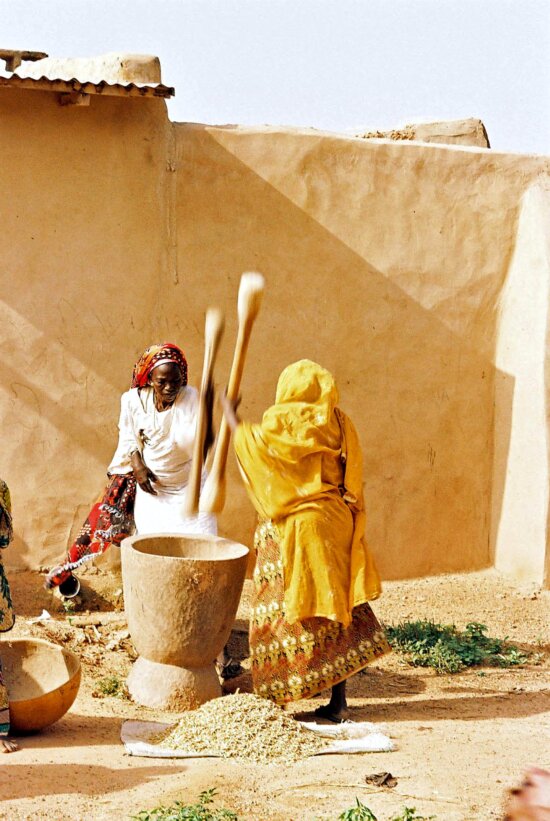
Eastern Nigeria, predominantly inhabited by the Igbo people, boasts a vibrant and unique culinary tradition that reflects their rich cultural heritage. Igbo delicacies are characterized by the use of local ingredients such as yam, cassava, cocoyam, and various vegetables, combined with flavorful spices and condiments. Popular dishes include yam porridge known as “Nkwobi,” which is a spicy and savory dish often enjoyed as a delicacy, and “Ofe Nsala,” a traditional white soup made with fish and yam. Another well-loved Igbo food is “Fried Plantain” paired with spicy pepper soup. These dishes often emphasize community and celebration, showcasing the resourcefulness and rich taste preferences of the Igbo people. Regional variations in Nigerian cuisine highlight the diverse methods of preparation, ingredients, and flavor profiles that make Nigerian food a truly multicultural culinary experience.
Northern Nigeria – Hausa Food
Northern Nigeria, predominantly inhabited by the Hausa people, boasts a rich culinary tradition that reflects the region’s history, climate, and agricultural practices. Hausa cuisine is characterized by its hearty and flavorful dishes, often centered around grains, meats, and vegetables. staple foods include millet, sorghum, and rice, which are used to prepare a variety of local delicacies.
Popular dishes such as tuwon shinkafa (rice pudding), miyar kuka (baobab leaf soup), and suya (spicy grilled meat skewers) showcase the region’s culinary ingenuity. These foods are typically seasoned with local spices and herbs, providing a distinct regional taste. Food preparation often involves communal cooking methods and traditional techniques that have been passed down through generations.
In addition to the staple grains and meats, Hausa cuisine features a range of dairy products, such as fresh milk and yogurt, which play a significant role in their diet. The use of local ingredients and traditional cooking methods creates a unique regional flavor that distinguishes Northern Nigerian cuisine from other parts of the country. The rich food culture of Northern Nigeria reflects its history and the diverse influences that have shaped the region over centuries.
Southern Nigeria – Coastal and Efik Cuisine
Southern Nigeria, particularly the coastal regions and Efik communities, boasts a rich and diverse culinary tradition that reflects its vibrant culture and access to abundant seafood and tropical ingredients. Coastal cuisine is characterized by the frequent use of fresh fish, shellfish, and ingredients like yams, coconuts, and plantains, creating flavorful and hearty dishes. Efik cuisine, a prominent aspect of this regional culinary identity, features signature dishes such as Edikang Ikong, a leafy vegetable soup packed with meats and seafood, and Afang soup, known for its rich, thick consistency made from water leaves and okazi leaves. These dishes often involve the use of traditional seasonings like pepper, uda (local seasoning), and palm oil, giving them their distinctive taste. Coastal and Efik foods are integral to community celebrations and daily life, emphasizing freshness, flavor, and the use of indigenous ingredients. The region’s cuisine exemplifies a harmonious blend of tradition and local flavor, making it a vital aspect of Nigeria’s diverse food heritage.
Food Preparation and Cooking Techniques
Food preparation and cooking techniques play a vital role in Nigerian cuisine, reflecting the country’s rich cultural heritage and diverse culinary traditions. From bustling markets to traditional kitchens, mastering these techniques is essential to creating authentic and flavorful Nigerian dishes. Understanding various methods of cooking, such as boiling, frying, and roasting, helps preserve the unique tastes and textures that define Nigerian food. This article explores the essential techniques used in Nigerian food preparation and how they contribute to the vibrant culinary landscape of Nigeria.
Use of Local Ingredients and Spices
Nigeria’s rich culinary heritage is deeply rooted in its diverse use of local ingredients and vibrant spices, making its food both flavorful and culturally significant. Traditional cooking techniques such as boiling, frying, roasting, and steaming are commonly employed to prepare a variety of dishes that reflect the country’s ethnic diversity. Fresh vegetables, grains, legumes, and locally sourced meats serve as the foundation for many Nigerian meals. Spices like ginger, garlic, chili peppers, and camphor are frequently used to enhance flavors and add depth to stews, soups, and sauces. These techniques and ingredients showcase the unique culinary identity of Nigeria, emphasizing freshness, bold flavors, and cultural authenticity.
Traditional Cooking Methods
In Nigeria, traditional cooking methods are deeply rooted in cultural heritage and culinary practices. Techniques such as boiling, roasting, frying, and steaming are commonly used to prepare a variety of indigenous dishes. Foods like yams, cassava, and plantains are often roasted over an open fire to enhance their natural flavors, while soups and stews such as efo riro and egusi rely on slow cooking to develop rich, savory tastes. Palm oil and spices are integral to Nigerian cuisine, imparting distinctive flavors that have been passed down through generations. Additionally, grilling meats and fish over charcoal is a popular method in rural areas, preserving the authentic taste and aroma. These traditional techniques not only preserve the cultural identity but also contribute to the diversity and complexity of Nigerian cuisine.
Modern Influences and Fusion Dishes
Food preparation and cooking techniques in Nigeria have evolved significantly, influenced by both traditional methods and modern innovations. Nigerian cuisine is known for its rich flavors, use of spices, and diverse ingredients, which are prepared using a variety of techniques such as boiling, roasting, frying, and fermentation. Modern influences, including global culinary trends and technology, have introduced new methods like sous-vide cooking and the use of food processors, enhancing efficiency and creativity in Nigerian kitchens.
Fusion dishes are increasingly popular in Nigeria, blending native ingredients and techniques with international cuisines. This trend results in innovative dishes that appeal to diverse palates and showcase the country’s vibrant food culture. Many chefs and home cooks experiment with combining elements like suya spices with Italian pasta or incorporating Asian-inspired sauces into traditional Nigerian stews, creating exciting culinary experiences.
- Traditional Nigerian cooking techniques include pounding, soaking, fermenting, and grilling, which preserve authentic flavors and textures.
- Modern influences have introduced appliances such as blenders, pressure cookers, and ovens, accelerating cooking processes and enabling new recipe developments.
- Fusion dishes often combine Nigerian flavors with Middle Eastern, Asian, or Western ingredients, leading to innovative creations like jollof rice sushi or spicy plantain tacos.
- Chefs are increasingly experimenting with presentation and plating techniques from international culinary arts to elevate traditional Nigerian dishes.
- Remaining rooted in tradition while embracing modern techniques fosters a dynamic and evolving Nigerian culinary landscape that celebrates its rich heritage and contemporary influences.
Economic and Social Aspects of Nigerian Food
Nigeria’s rich cultural diversity is reflected vividly in its vibrant food scene, which plays a significant role in shaping its social and economic landscape. Food in Nigeria not only serves as a means of nourishment but also acts as a powerful symbol of identity, tradition, and community bonding. The agricultural sector supports local livelihoods, while the variety of traditional dishes highlights the country’s regional distinctions, fostering social cohesion and economic growth across different communities.
Street Food Culture
Nigerian food and street food culture represent a vibrant and essential part of the country’s social and economic fabric. With a diverse array of dishes influenced by various ethnic groups, Nigerian cuisine reflects the rich cultural heritage and traditions of the nation.
Economically, street food vendors play a crucial role in providing affordable and accessible meals to a broad segment of the population. They generate significant income opportunities for local entrepreneurs and support rural and urban economies alike. The street food industry also attracts tourists, contributing to Nigeria’s tourism sector and overall economic growth.
Socially, street food culture in Nigeria fosters community interaction and social cohesion. Vendors and customers often form lasting relationships, and the sharing of traditional dishes helps preserve cultural identity and heritage. Food stalls serve as social hubs where stories are exchanged, celebrations are held, and communal bonds are strengthened.
Overall, Nigerian food and street food culture are vital to the nation’s economic development and social cohesion, showcasing the country’s rich diversity and resilience through culinary expression.
Food Markets and Local Vendors
Food in Nigeria plays a vital role not only in the country’s culture but also in its economy and social structure. Local food markets are bustling centers of activity where vendors sell fresh produce, grains, spices, and prepared dishes, serving as a livelihood for many Nigerian families. These markets foster social interactions and strengthen community bonds, providing a space for cultural exchange and mutual support. Economically, Nigerian food markets contribute significantly to local and national income, supporting small-scale farmers and food vendors. The affordability and accessibility of traditional foods help in preserving cultural identity and ensuring food security for diverse population groups. Additionally, the informal sector of food vendors offers employment opportunities, reducing rural-urban migration by enabling small-scale entrepreneurship. Overall, Nigerian food markets and local vendors are essential for sustaining both the economy and social cohesion within the country.
Food and Social Identity
In Nigeria, food plays a vital role not only in sustenance but also in shaping social identity and fostering economic connections. Traditional dishes such as jollof rice, pounded yam, and egusi soup are deeply embedded in cultural practices and social gatherings, serving as symbols of unity and cultural heritage. The diverse culinary landscape reflects Nigeria’s rich ethnic mosaic, reinforcing community bonds and social cohesion.
Economically, the food industry in Nigeria is a significant contributor to the nation’s economy, supporting millions of farmers, artisans, and vendors. Local food production and consumption help sustain livelihoods, while the export of certain products promotes economic growth. Additionally, food festivals and markets stimulate local tourism and commerce, further integrating food into Nigeria’s economic framework.
Socially, food in Nigeria functions as a medium for communication, hospitality, and celebration. Sharing meals during festivals, ceremonies, or everyday interactions strengthens social ties and reinforces cultural identities. The preparation and presentation of traditional foods often carry symbolic meanings and serve as expressions of identity, pride, and heritage, playing an essential role in maintaining Nigeria’s social fabric.
Challenges and Opportunities in Nigerian Food Industry
The Nigerian food industry is a vibrant and dynamic sector filled with both significant challenges and promising opportunities. As one of the largest economies in Africa, Nigeria’s diverse culture and rich agricultural resources contribute to a thriving food market. However, the industry faces hurdles such as infrastructural deficits, inconsistent supply chains, and regulatory obstacles. Despite these issues, there are ample opportunities for growth through technological innovation, increased local production, and improved food security initiatives. Exploring these aspects is crucial to understanding the future trajectory of Nigeria’s food sector.
Food Security and Sustainability
The Nigerian food industry faces a range of challenges and opportunities that significantly impact food security and sustainability in the country. One of the primary challenges is inadequate infrastructure, which hampers efficient distribution and access to food across urban and rural areas. Additionally, issues such as poor storage facilities lead to high post-harvest losses, reducing the availability of food supplies. Climate change and environmental degradation further threaten agricultural productivity, making it difficult to sustain food production levels. Despite these hurdles, Nigeria has substantial opportunities to enhance its food security through technological innovation, improved agricultural practices, and increased investment in the sector. Embracing sustainable farming methods and diversifying crops can bolster resilience against climate impacts, while numerous government initiatives aim to promote self-sufficiency and reduce dependency on food imports. Strengthening local food systems and fostering collaboration among stakeholders can pave the way for a more sustainable and food-secure Nigeria.
Impact of Globalization
The Nigerian food industry faces numerous challenges and opportunities amid the influence of globalization. Rapid urbanization and changing consumer preferences have increased demand for diverse and international cuisines, opening new market avenues for local producers. However, the industry also grapples with issues such as food safety concerns, inadequate infrastructure, and limited access to modern technology, which hinder its growth. Globalization has introduced Nigeria to global supply chains and culinary trends, fostering innovation and diversification in food products. Conversely, it also poses threats to local food traditions as international fast food and processed foods become more prevalent, potentially impacting health and cultural heritage. Overall, harnessing globalization’s benefits while addressing internal challenges can propel Nigeria’s food industry toward sustainable development and increased competitiveness on the global stage.
Nutritional Challenges and Health Concerns
The Nigerian food industry faces numerous challenges and opportunities that significantly impact public health and nutrition. Rapid population growth, urbanization, and changing consumer preferences create pressure on traditional food systems, leading to increased reliance on processed and convenience foods. This shift often results in nutritional imbalances, including overconsumption of sugar, salt, and unhealthy fats, contributing to rising rates of obesity, diabetes, and cardiovascular diseases. Additionally, poor food storage, transportation infrastructure, and food safety standards pose risks of foodborne illnesses. However, these challenges also present opportunities to innovate in food production, improve supply chain efficiency, and promote nutrition-sensitive policies that encourage the consumption of locally produced, nutritious foods. Strengthening food security and supporting smallholder farmers can enhance the availability of diverse, healthy foods across Nigeria. Addressing nutritional challenges involves improving public awareness about balanced diets, implementing effective nutrition programs, and integrating health considerations into agricultural and food policies to foster a healthier population. Overall, Nigeria’s food industry has the potential to transform into a source of economic growth and improved health outcomes if these challenges are adequately managed and opportunities harnessed.




0 Comments