
Background and Causes of the Nigeria-Biafra War
The Nigeria-Biafra War, which occurred from 1967 to 1970, was a devastating conflict rooted in complex historical, ethnic, and political tensions within Nigeria. The war was primarily fueled by ethnic divisions, economic disparities, and struggles for control over resources, particularly in the Eastern Region. These underlying issues led to the declaration of independence by the Republic of Biafra, sparking a brutal civil war that would leave lasting impacts on the nation and its people.
Colonial History and Ethnic Divisions
The Nigeria-Biafra War, also known as the Nigerian Civil War, was rooted in complex historical, political, and ethnic factors that developed over decades. The colonial history of Nigeria played a significant role in shaping the conflicts, as British colonization established arbitrary borders that grouped diverse ethnic groups with distinct cultures and political systems into a single nation. Ethnic divisions, particularly among the Igbo, Yoruba, Hausa-Fulani, and others, were often exacerbated by colonial administrators, creating tensions that persisted after independence in 1960. The Igbo-dominated southeastern region, which aimed to establish the Republic of Biafra, felt marginalized and oppressed within the federal structure, leading to confrontations over political representation, resource control, and cultural recognition. Issues such as economic disparities, control over oil resources, and historical grievances further fueled ethnic divisions, culminating in the secession of Biafra and the outbreak of a brutal civil war that lasted from 1967 to 1970. Understanding these background and causes is crucial to comprehending the underlying tensions that eventually led to Nigeria’s devastating conflict.
Economic Factors and Control of Resources
The Nigeria-Biafra War, also known as the Nigerian Civil War, was rooted in complex historical, political, and economic factors. One significant background element was the ethnic and regional divisions within Nigeria, especially between the majority groups in the North and West and the Igbo-dominated Eastern Region. Tensions escalated over issues of political power, resource control, and perceived marginalization of certain groups, leading to rising conflicts. The Eastern Region, which sought independence to preserve its identity and economic interests, declared Biafra’s independence in 1967, sparking the war.
Economic factors played a crucial role in the conflict, particularly the control over Nigeria’s vital natural resources such as oil. The Eastern Region was rich in oil deposits, making control over these resources a strategic and economic priority. The desire to control oil revenue and economic resources intensified regional tensions, as the Eastern Region sought to manage its own resources independently. The central government aimed to maintain national unity and control over oil profits, which further fueled resentment and hostility from the Biafran leadership.
Control of resources was a central issue in the war. The Nigerian government wanted to retain access to the oil-producing regions to sustain the nation’s economy, while Biafra sought independence partly to gain autonomous control over its resources. The competition for these resources exacerbated existing political and ethnic divides, making resource control not only an economic issue but also a symbol of sovereignty and self-determination for Biafra. This struggle for resource control ultimately contributed to the intensity and longevity of the conflict.
Political Tensions and Power Struggles
The Nigeria-Biafra War, also known as the Nigerian Civil War, was rooted in complex historical, ethnic, and political factors that escalated tensions between Nigeria’s diverse ethnic groups. The background involved centuries of colonial rule, which grouped disparate ethnic communities into one political entity without adequate consideration of their distinct identities and interests. Upon gaining independence in 1960, Nigeria faced immediate challenges concerning unity and governance, as regional and ethnic affiliations heavily influenced political power. The political landscape was marked by significant tensions stemming from resource control, especially with the discovery of oil in the southeastern region of Nigeria, home to the Igbo people, who sought greater autonomy. These underlying divisions fueled fears of marginalization and disenfranchisement among different ethnic groups, particularly the Igbo, who felt their interests were under threat. Additionally, political tensions and power struggles intensified as leaders from various regions vied for control of government institutions and influence, leading to coups and counter-coups that destabilized the nation. The culmination of these factors created a highly volatile environment, ultimately leading to the declaration of the independent Republic of Biafra in 1967 and triggering a brutal three-year civil war. The war was driven by deep-rooted ethnic animosities, economic interests, and the struggle for political dominance, shaping Nigeria’s history profoundly.
Immediate Events Leading to Conflict
The Nigeria-Biafra War, also known as the Nigerian Civil War, was rooted in complex historical, political, and ethnic factors that culminated in violent conflict from 1967 to 1970. The background and causes of this war are deeply intertwined with Nigeria’s colonial legacy, ethnic divisions, and regional tensions.
Several key factors contributed to the outbreak of the Nigeria-Biafra War:
- The amalgamation of Nigeria in 1914 by the British colonial administration combined diverse ethnic groups with distinct cultures, which later created difficulties in forming a unified national identity.
- Ethnic tensions between the three major groups—Hausa-Fulani in the North, Yoruba in the West, and Igbo in the East—led to political marginalization and competition for resources and power.
- The discovery and exploitation of oil in the Niger Delta heightened regional disparities and economic rivalries, especially for the Eastern Region rich in oil resources.
- Political instability and manipulation by colonial and Nigerian leaders increased ethnic divisions, causing distrust and resentment among different groups.
- The 1966 coup d’état and subsequent counter-coup intensified ethnic hostility, particularly targeting Igbo political leaders, which escalated tensions between regions.
- The assassination of prominent political figures and the violence following the coups created fears of domination by particular ethnic groups, prompting the Eastern Region to seek secession.
Outbreak of War
The outbreak of war between Nigeria and Biafra marked a pivotal and tragic chapter in African history, fueled by deep-seated political, ethnic, and economic tensions. The conflict, which erupted in 1967, was driven by Biafra’s declaration of independence amid widespread unrest, leading to a brutal civil war that would have lasting repercussions for Nigeria and its diverse population. Understanding the causes and impact of this war is essential to grasping the complex dynamics of post-colonial African nationhood.
Declaration of Biafran Independence
The Nigeria-Biafra War, also known as the Nigerian Civil War, was a major conflict that erupted in 1967 following the declaration of independence by Biafra. The outbreak of war was triggered by prolonged ethnic tensions, political instability, and economic disagreements between various Nigerian regions, particularly concerning the governance of the southeastern region inhabited predominantly by the Igbo people. In May 1967, Biafra, led by Lt. Colonel Odumegwu Ojukwu, formally declared independence from Nigeria, citing brutal pogroms and marginalization of the Igbo as primary reasons. This declaration prompted Nigeria to respond with a military intervention aimed at maintaining its unity, resulting in a brutal and devastating civil war that lasted until 1970. The conflict drew international attention and humanitarian concern, highlighting the complex ethnic and political dynamics within Nigeria.
Nigerian Federal Response
The outbreak of the Nigerian Civil War, commonly known as the Biafra War, was triggered by long-standing ethnic, political, and economic tensions between the Igbo-dominated southeastern region and the central government of Nigeria. Nigeria’s federal response involved a combination of military actions and diplomatic efforts aimed at maintaining national unity. The federal government declared a blockade against Biafra to cut off supplies and prevent secession, leading to severe humanitarian crises. Despite the military confrontations, Nigeria sought international support and utilized propaganda to garner global sympathy for its efforts to preserve the unity of the nation. The conflict lasted from 1967 to 1970, ending with the re-integration of Biafra into Nigeria and a subsequent push toward national reconciliation and reconstruction. The Nigerian federal response during the war was characterized by a focus on military suppression, economic sanctions, and efforts to restore sovereignty while managing internal dissent and ethnic divisions.
International Reactions and Diplomatic Positions
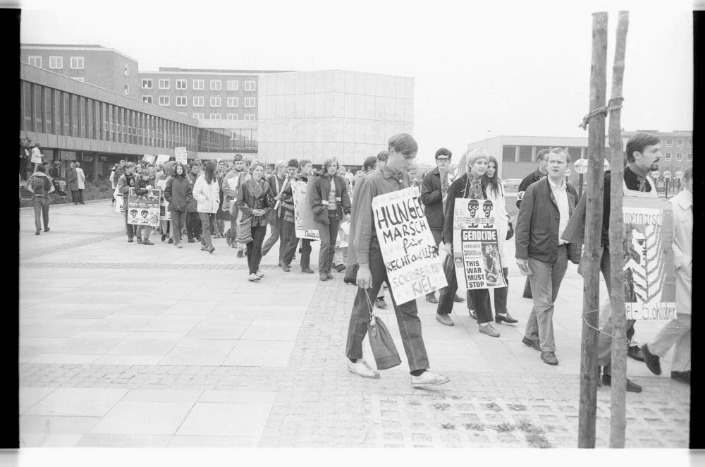
The Nigeria-Biafra War, which erupted in 1967, marked a critical moment in African history, drawing intense international attention and a variety of diplomatic responses. Countries around the world responded with a mixture of concern, diplomatic pressure, and humanitarian aid efforts, reflecting the global community’s varying interests and political alignments. Many Western nations, such as the United States and the United Kingdom, initially maintained a position of neutrality, aiming to balance diplomatic relations with Nigeria while also addressing humanitarian issues. Conversely, some African neighboring countries expressed solidarity with Biafra, sympathizing with their quest for independence and self-determination. International organizations, including the United Nations, expressed concern over the escalating conflict and called for peaceful resolution, though their influence was limited by geopolitical considerations. Diplomatic positions during this period were often influenced by Cold War dynamics, economic interests, and regional stability concerns, complicating efforts to mediate the conflict and reach a peaceful settlement.
Major Battles and Military Strategies
The Nigeria-Biafra War, also known as the Nigerian Civil War, was marked by significant battles and strategic military operations that ultimately shaped the outcome of the conflict. Understanding the major battles and the strategies employed by both sides provides insight into the complexities of this pivotal period in Nigerian history. These military engagements demonstrated innovations in tactics, the importance of logistics, and the influence of political objectives on battlefield decisions.
Initial Conflicts and Key Engagements
The Nigeria-Biafra War, also known as the Nigerian Civil War, was marked by significant battles and military strategies that shaped its outcome. Initial conflicts began with Biafra’s declaration of independence in 1967, leading to widespread violence and clashes. Key engagements such as the Battle of Garkem, the Battle of Ore, and the Siege of Nnewi demonstrated the shifting tactics and intense combatants between Nigerian federal forces and Biafran troops. The Nigerian military employed strategic blockades, pincer movements, and amphibious assaults to weaken Biafra’s resistance. Conversely, Biafran forces utilized guerrilla tactics, swift counterattacks, and fortified positions to prolong the conflict. The war’s progression illustrated the importance of strategic planning, resource management, and tactical innovation in determining the course of this protracted civil conflict.
Blockades and Naval Operations
The Nigeria-Biafra War, also known as the Nigerian Civil War, featured significant major battles and strategic military operations that shaped its outcome. Both sides employed various military strategies, including conventional land battles, guerrilla tactics, and psychological warfare to gain advantages. Nigeria’s Federal forces relied heavily on coordinated ground assaults and attempted to cut off Biafra’s supplies through effective blockades.
One of the critical military strategies during the conflict was the implementation of naval blockades by the Nigerian government to restrict the inflow of arms and supplies into Biafra. The Nigerian Navy mobilized naval vessels to control access to the Biafran coastline, aiming to weaken the separatist state’s ability to sustain its war effort. These blockades severely hampered Biafra’s access to international aid, exacerbating the humanitarian crisis.
Naval operations also included amphibious landings and patrols targeting Biafran coastal areas, trying to prevent smuggling and reinforce territorial control. Meanwhile, Biafra attempted to counter these measures by launching swift sea operations and engaging in sporadic naval skirmishes to challenge Nigerian blockade efforts. The combination of land battles and naval campaigns played a pivotal role in the evolving dynamics of the war, highlighting the importance of controlling supply routes and strategic points.
Use of Air Power and Ground Troops
The Nigeria-Biafra War was marked by significant battles and the strategic deployment of both air power and ground troops, reflecting the complexities of asymmetric warfare and regional conflict dynamics. Military strategies focused on controlling key territories, supply routes, and city centers, with each side employing different tactics to gain advantages.
- Control of Enugu and Port Harcourt: Biafran forces aimed to defend major economic hubs, while Nigerian troops targeted these areas to weaken Biafra’s independence movement.
- Blockades and Siege Tactics: Nigerian military implemented blockades to cut off Biafran supplies, employing both land and air forces to encircle and isolate Biafran territories.
- Use of Air Power: The Nigerian Air Force deployed fighter jets and bombers to conduct aerial bombardments on Biafran towns and strategic positions, aiming to undermine morale and destroy military infrastructure.
- Ground Troop Operations: Nigerian ground forces stormed Biafran positions through coordinated land assaults, often supported by artillery and armored units, while Biafran troops utilized guerrilla tactics and fortified positions.
- Biafran’s Limited Air Support: Biafran forces had limited access to air power but attempted to use small aircraft and improvised tactics to challenge Nigerian air superiority when possible.
Intensification and Escalation of Violence
The Nigeria-Biafra War, which lasted from 1967 to 1970, was marked by intense major battles and strategic military operations that shaped the course of the conflict. Both sides employed varying tactics, including large-scale conventional warfare, guerrilla tactics, and sieges, to gain the upper hand. The Biafran forces initially relied on defensive strategies and swift counterattacks, while the Nigerian military adopted a combination of blockades and conventional assaults to suppress Biafran resistance. As the war progressed, the violence intensified and escalated, leading to widespread destruction, starvation, and civilian suffering. The escalation was fueled by political tensions, resource control, and ethnic divisions, which resulted in brutal combat and devastating humanitarian consequences. The conflict’s brutal nature underscored the devastating impact of military strategies that prioritized territorial control and annihilation, ultimately contributing to the prolonged and bloody nature of the war.
Humanitarian Impact and Civilian Suffering
The Nigeria-Biafra War, which took place from 1967 to 1970, had devastating humanitarian consequences for millions of civilians. The conflict led to widespread suffering, displacement, and loss of life as communities were torn apart by violence and economic disruption. Understanding the humanitarian impact of this war sheds light on the profound toll it took on innocent civilians caught in the midst of political and military upheaval.
Refugee Crises and Displacement
The Nigeria-Biafra War, also known as the Nigerian Civil War (1967-1970), had profound humanitarian consequences, leading to widespread civilian suffering, refugee crises, and displacement. The conflict caused immense loss of life, destruction of homes, and severe hardship for millions of civilians caught in the turmoil.
- Many civilians faced starvation, disease, and violence as a result of the blockade and destruction of infrastructure during the war.
- The Biafran secession led to a massive influx of refugees fleeing the conflict zones into neighboring countries and internally displaced persons seeking safety within Nigeria.
- International humanitarian agencies struggled to provide aid amid ongoing hostilities, exacerbating suffering and mortality among vulnerable populations.
- Children and women were particularly affected, experiencing malnutrition, trauma, and loss of family members.
- The displacement caused long-term social and economic disruptions, affecting communities’ stability and development long after the conflict ended.
Food Blockades and Famine
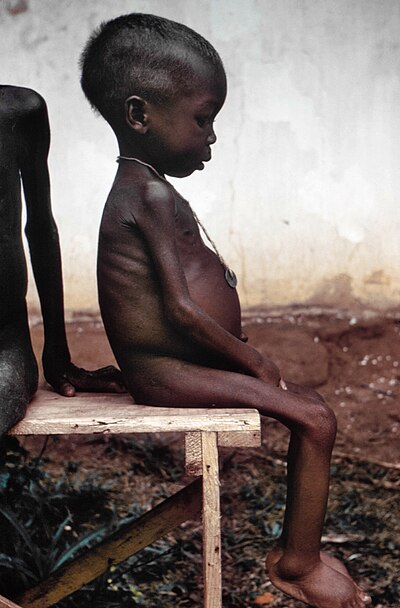
The Nigeria-Biafra War, which took place from 1967 to 1970, had a devastating humanitarian impact on civilians, leading to widespread suffering and loss of life. The conflict severely disrupted daily life, causing shortages of essential supplies and shelter, and leaving many vulnerable populations displaced or in dire conditions. Food blockades and sieges were central to the war strategy, resulting in severe famine in Biafra. As access to food and medical aid was cut off, millions of civilians faced starvation, disease, and death. The famine became a stark symbol of the humanitarian crisis, highlighting the tragic toll of war on innocent populations and emphasizing the urgent need for humanitarian intervention and peace efforts during conflicts of such scale.
Casualties and War Crimes
The Nigeria-Biafra War, also known as the Nigerian Civil War, resulted in profound humanitarian suffering and widespread civilian casualties. Thousands of innocent lives were lost due to direct combat, starvation, and disease, as the conflict disrupted essential supplies and basic services. War crimes such as mass shootings, ethnic cleansing, and the use of starvation as a weapon of war were reported, intensifying the humanitarian crisis. Civilians faced immense hardship, with many forced to flee their homes, leading to large-scale displacement and suffering. The conflict highlighted the devastating impact of war on human life, emphasizing the urgent need for peace and reconciliation in the aftermath.
International Humanitarian Interventions
The Nigeria-Biafra War, also known as the Nigerian Civil War (1967-1970), resulted in significant humanitarian impact and civilian suffering. As the conflict intensified, millions of Biafran civilians faced starvation, disease, and displacement due to blockades and military sieges. The international community witnessed the devastating toll on innocent lives, prompting urgent humanitarian responses.
Various international humanitarian interventions aimed to alleviate the suffering of civilians, providing food, medical aid, and relief supplies. Organizations such as the Red Cross and United Nations sought to deliver aid despite logistical challenges and restrictions imposed by warring parties. These efforts highlighted the importance of international solidarity in addressing civilian distress during conflicts, emphasizing the need for sustained humanitarian engagement in times of war.
End of the War and Aftermath
The end of the Nigeria-Biafra War marked a significant turning point in the nation’s history, bringing a period of intense conflict to a close. The aftermath of the war had profound social, political, and economic impacts on Nigeria, shaping its future development. Rebuilding unity and addressing the scars of the conflict became crucial for the country’s stability and growth in the years that followed.
Ceasefire and Surrender
The end of the Nigeria-Biafra War marked a significant turning point in Nigerian history, leading to the reabsorption of Biafra into Nigeria and impacting the nation’s political landscape. After intense fighting and widespread devastation, a ceasefire was declared in January 1970, paving the way for negotiations and the eventual surrender of Biafran forces. The surrender signified the collapse of Biafra’s independence movement and resulted in efforts to restore national unity. The aftermath saw significant humanitarian challenges, including rebuilding war-torn areas, addressing displaced populations, and fostering reconciliation among diverse ethnic groups. Despite the military victory, the war left deep scars and prompted ongoing debates over ethnic nationalism, federalism, and the need for inclusive governance in Nigeria. The surrender also led to efforts to prevent future conflicts and promote peace through various political and social reforms. Ultimately, the end of the war underscored the importance of dialogue and unity in Nigeria’s quest for stability and development.
Reintegration of Biafra into Nigeria
The end of the Nigeria-Biafra War in 1970 marked a significant turning point in Nigerian history, leading to the reintegration of Biafra into Nigeria and shaping the nation’s future political landscape.
- The formal surrender of Biafran forces in January 1970 brought an official end to the conflict, but reconciliation and rebuilding efforts began immediately.
- The Nigerian government introduced policies aimed at reintegrating Biafra, including economic rehabilitation programs and infrastructural development projects in the southeastern region.
- However, the process of unity was complex, with lingering ethnic tensions, economic disparities, and political grievances affecting long-term reconciliation.
- Many Biafran refugees and survivors faced displacement, trauma, and social marginalization, requiring targeted aid and reconciliation initiatives.
- The war also prompted changes in Nigeria’s policy regarding regional autonomy and federalism, influencing future governance structures.
- Despite efforts at reintegration, calls for Biafran independence persisted among some groups, revealing ongoing divisions within Nigerian society.
- The post-war period ultimately emphasized the importance of national unity, reconciliation, and addressing the root causes of the conflict to promote lasting peace.
Reconstruction and Reconciliation Efforts
The end of the Nigeria-Biafra War in 1970 marked a significant turning point in Nigerian history, bringing a formal conclusion to the brutal conflict that had caused immense loss of life and suffering. Following the war, the Nigerian government focused on reconstruction and national unity, implementing policies to reintegrate Biafran territories and displaced populations into the Nigerian fold. Efforts were made to rebuild infrastructure, restore economic stability, and promote reconciliation among diverse ethnic groups that had been torn apart by the conflict. Despite these initiatives, lingering tensions and grievances persisted, making reconciliation a complex and ongoing process. Various initiatives aimed at fostering dialogue, understanding, and healing among ethnic communities were introduced, recognizing the importance of peaceful coexistence for the nation’s stability. The post-war period underscored the challenges of reconciling national unity with regional identities, highlighting Nigeria’s ongoing struggle to achieve lasting peace and cohesion after the devastating war.
Legal and Political Consequences
The end of the Nigeria-Biafra War marked a significant turning point in the nation’s history, reshaping its political and legal landscape. Following the surrender of Biafran forces in January 1970, Nigeria sought to restore national unity and stability, emphasizing the importance of federalism and national integration. Legally, the war led to the reinforcement of federal authority over all regions, with attempts to prevent secessionist movements through constitutional amendments and legal reforms. Politically, the conflict resulted in a shift toward military dominance in governance, as the Nigerian government aimed to prevent future separatist actions. The aftermath also saw efforts toward reconciliation and rebuilding, though tensions and grievances persisted, influencing Nigeria’s subsequent political development and regional relations.
Legacy and Historical Significance
The Nigeria-Biafra War, also known as the Nigerian Civil War, remains a pivotal chapter in the nation’s history, shaping its political and social landscape. The conflict not only highlighted issues of ethnicity, nationalism, and resource control but also left a profound legacy that continues to influence Nigeria’s development today. Understanding the historical significance of this war is essential to grasping the complexities of contemporary Nigerian society and the enduring quest for unity and peace.
Impact on Nigerian Politics
The Nigeria-Biafra War, also known as the Nigerian Civil War, holds a profound legacy and historical significance in Nigeria’s history. It marked a pivotal moment in the nation’s struggle for unity, sovereignty, and self-determination, highlighting deep-seated ethnic, economic, and political divisions. The conflict underscored the tragic consequences of sectionalism and the importance of national integration strategies to prevent future crises.
The war greatly influenced Nigerian politics by shaping policies towards federalism, regional autonomy, and resource control. It led to a reevaluation of national identity, emphasizing the need for inclusive governance and the protection of minority interests. Additionally, the war’s aftermath fostered a renewed focus on reconciliation, nation-building, and policies aimed at healing post-conflict divisions, which continue to impact political discourse and development efforts in Nigeria today.
Memory and Narratives in Nigeria and Biafra
The Nigeria-Biafra War, fought from 1967 to 1970, remains a pivotal event in Nigerian history, deeply intertwined with issues of legacy and historical significance. This conflict not only shaped the political landscape of Nigeria but also left enduring scars on the collective memory of the Igbo people and other affected communities. The war’s legacy is reflected in ongoing questions about federalism, ethnic identity, and justice, influencing contemporary Nigerian politics and societal divisions.
Memory and narratives surrounding the war are complex and often contested. For many Biafrans, the conflict symbolizes resistance, survival, and the struggle for self-determination, fostering a shared sense of identity and history. Conversely, the Nigerian government views the war as a necessary effort to maintain national unity. These differing narratives persist in educational curriculums, media portrayals, and popular culture, affecting how future generations understand and interpret the conflict.
Commemorations, literature, and memorials serve as vital tools in shaping collective memory of the war, emphasizing themes of tragedy, resilience, and reconciliation. The legacy of the Nigeria-Biafra War underscores the importance of memory in fostering dialogue and understanding among Nigeria’s diverse peoples, reminding the nation of the profound consequences of ethnic conflict and the enduring quest for peace and unity.
Lessons Learned and Ongoing Ethnic Tensions
The Nigeria-Biafra War, also known as the Nigerian Civil War, holds profound legacy and historical significance, shaping the nation’s political landscape and national identity. It exposed deep-rooted ethnic divisions and highlighted the consequences of colonial rule and ethnic marginalization. The conflict underscored the importance of unity and the dangers of sectarianism, prompting efforts toward reconciliation and nation-building in Nigeria.
Lessons learned from the war emphasize the critical need for inclusive governance, respect for diverse ethnic groups, and the importance of addressing grievances peacefully. The war demonstrated how unchecked biases and political exclusion can escalate into devastating conflict, underscoring the necessity of dialogue and compromise in resolving ethnic tensions.
Despite attempts at healing, ongoing ethnic tensions continue to influence Nigerian politics and social cohesion. Disputes over resource distribution, political representation, and cultural recognition remain sources of conflict. The legacy of the Nigeria-Biafra War serves as a reminder of the importance of fostering national unity and understanding to prevent future divisions and ensure sustainable peace.




0 Comments