
Overview of Religion in Botswana
Religion in Botswana plays a significant role in shaping the cultural and social fabric of the nation. The country is proud of its diverse religious landscape, with Christianity being the predominant faith followed by traditional beliefs and other minority religions. Religious practices and institutions contribute to community development and uphold moral values across Botswana society. Understanding the religious overview provides insight into the values and traditions that influence everyday life in Botswana.
Major Religious Groups
Religion in Botswana is a significant aspect of the country’s cultural and social identity, reflecting a diverse landscape of beliefs and practices. The majority of the population adheres to Christianity, which has been deeply rooted in the community since the colonial era. Indigenous beliefs and other faiths also play a role, contributing to the rich religious mosaic of Botswana.
Major Religious Groups in Botswana
- Christianity – The predominant religion, with various denominations including Protestants, Catholics, and Pentecostals.
- Indigenous and Traditional Beliefs – Practices rooted in local customs, spiritual rituals, and ancestral worship.
- Other Religions – Smaller communities practicing Islam, Hinduism, and other faiths are also present.
Historical Development of Religion in Botswana
Religion plays a significant role in the cultural and social life of Botswana, reflecting a diverse spectrum of beliefs and practices. The predominant religions include Christianity, traditional African beliefs, and to a lesser extent, Islam. Christianity is the most widely practiced religion, influenced by historical missionary activities, and is commonly integrated into daily life and community activities.
The historical development of religion in Botswana has been shaped by indigenous traditions and external influences. Before colonial contact, the Batswana people adhered to ancestral worship, ritual practices, and indigenous spiritual beliefs. The arrival of European missionaries in the 19th and early 20th centuries led to the establishment of Christian churches and institutions, which significantly increased the Christian population. Over time, there has been a blending of Christian teachings with traditional beliefs, creating a unique religious landscape. Islam was introduced through trading links with Arab and Swahili merchants but remains a minority religion. Today, religion in Botswana continues to evolve, maintaining a balance between indigenous practices and introduced faiths, contributing to the nation’s cultural fabric.
Demographic Trends and Religious Distribution
Religion in Botswana plays a significant role in shaping the cultural and social fabric of the nation. The country is known for its religious diversity, with Christianity being the predominant faith practically practiced by the majority of the population. Traditional African beliefs also coexist alongside Christianity, influencing various aspects of daily life and community practices.
Demographic trends in Botswana show a predominantly young population, with rapid urbanization contributing to shifts in religious affiliations and practices. The population growth rate has influenced the spread and influence of various religious groups, with Christianity gaining greater prominence through missionary activities and local church establishments. While Christian denominations such as Anglican, Methodist, Roman Catholic, and Pentecostal denominations are widespread, indigenous beliefs continue to persist, particularly in rural areas.
The religious distribution in Botswana is characterized by a high percentage of Christians, estimated to be over 70% of the population. Traditional African religions account for a smaller but culturally significant segment, often practiced alongside Christianity. Muslims and followers of other faiths constitute a minor portion of the population, reflecting the country’s predominantly Christian demographic makeup. Overall, religion remains a vital aspect of Botswanan society, influencing social values, community cohesion, and national identity.
Traditional Indigenous Beliefs
Traditional Indigenous Beliefs play a vital role in shaping the cultural identity and spiritual practices of communities across Botswana. These beliefs often focus on harmony with nature, ancestral reverence, and rituals that ensure the well-being of individuals and the community. Rooted in centuries of history, Indigenous religions in Botswana preserve ancient customs and provide insight into the worldview and values of its people.
Role of Ancestor Worship
Traditional Indigenous Beliefs in Botswana are deeply rooted in the spiritual practices of various ethnic groups, emphasizing a strong connection between the living and their ancestors. Ancestor worship plays a vital role in these beliefs, serving as a cultural cornerstone that influences social, spiritual, and moral life.
- Ancestors are regarded as protectors and guides who continue to influence the well-being of their descendants.
- Rituals and ceremonies are performed regularly to honor ancestors, seek their blessings, and maintain harmony within the community.
- Offerings such as food, beverages, and other gifts are made to appease and communicate with ancestral spirits.
- Elders often act as mediators, translating the wishes and messages of ancestors to the living members of the community.
- Ancestor worship reinforces social cohesion and moral conduct by emphasizing respect, loyalty, and devotion to one’s lineage.
Spiritual Practices and Rituals
Traditional Indigenous Beliefs, Spiritual Practices, and Rituals in Botswana are deeply rooted in the customs and experiences of the various ethnic groups, such as the Tswana, San, and Kalanga. These practices emphasize harmony with nature, ancestors, and the spiritual realm, often serving as a foundation for community cohesion and cultural identity. Rituals such as initiation ceremonies, rainmaking rituals, and rites of passage play crucial roles in maintaining spiritual balance and social order.
Many indigenous communities in Botswana believe in spirits and ancestors who influence everyday life, and they perform ceremonies to honor them and seek their blessings. These practices often involve music, dance, storytelling, and offerings, which are believed to communicate with spirits and seek divine intervention for health, fertility, and prosperity. Traditional healers or shamans also play an important role as custodians of spiritual knowledge and mediators between the physical and spiritual worlds.
Spiritual practices in Botswana are typically intertwined with cultural festivals and community gatherings, reinforcing communal bonds and cultural heritage. Despite the spread of Christianity and other religions, many indigenous rituals continue to be practiced discreetly or integrated into modern religious activities, highlighting the resilience and enduring significance of traditional beliefs in Botswana’s social fabric.
Influence on Daily Life and Society
Traditional indigenous beliefs in Botswana are deeply rooted in the spiritual and cultural practices of various ethnic groups, such as the Tswana, San, and Bakwena. These beliefs often emphasize harmony with nature, ancestral reverence, and spiritual rituals that ensure community well-being. Ancestors are considered guiding figures, and rituals are performed to seek their blessings and protection.
These indigenous beliefs significantly influence daily life by shaping social norms, moral values, and community responsibilities. Many rituals and ceremonies mark important life events such as births, rites of passage, and funerals, fostering a strong sense of identity and continuity within communities. Spiritual practices also play a role in health and healing, with traditional healers often consulted alongside modern medicine.
In society, these beliefs promote a collective approach to problem-solving and social cohesion. They help maintain order and reinforce cultural traditions amidst modern influences. While Christianity and Islam are also practiced widely in Botswana, many communities blend these faiths with indigenous spiritual practices, creating a unique religious landscape that respects ancestral traditions while embracing new beliefs.
Christianity in Botswana
Christianity plays a significant role in the religious landscape of Botswana, serving as the predominant faith among the population. Introduced by missionaries during the colonial period, it has since become deeply embedded in the cultural and social fabric of the nation. Today, various Christian denominations, including Protestant, Catholic, and charismatic churches, thrive and influence daily life, community activities, and national events across Botswana.
Introduction and Spread of Christianity
Christianity is one of the major religions in Botswana, with a significant portion of the population identifying as Christians. Its roots in the country can be traced back to the late 19th and early 20th centuries when European missionaries arrived to spread the faith. These missionaries played a crucial role in establishing churches, schools, and other social institutions, which helped to facilitate the rapid spread of Christianity throughout Botswana. Over time, local communities embraced the religion, integrating it into their cultural practices and daily lives, resulting in a diverse and vibrant Christian community across the nation.
Denominations and Churches
Christianity is the dominant religion in Botswana, with the majority of the population identifying as Christians. The country has a diverse range of denominations and churches, reflecting its rich spiritual landscape. Historically, Methodist, Anglican, Catholic, and Pentecostal churches have been prominent throughout Botswana. Several independent and charismatic churches have also gained popularity, contributing to the vibrant religious community. These churches often play an influential role in social and community development, offering spiritual guidance, education, and social services. Overall, Christianity significantly shapes the cultural and social fabric of Botswana, with various denominations working together to serve their congregations and the broader society.
Impact on Education and Healthcare
Christianity in Botswana has played a significant role in shaping the country’s social and cultural landscape, particularly impacting education and healthcare systems. Many churches and Christian organizations have been actively involved in establishing and supporting schools, colleges, and universities, thereby increasing access to quality education for communities across Botswana. These institutions often incorporate Christian values into their curricula, emphasizing moral development alongside academic achievement.
In the healthcare sector, Christian missions and organizations have contributed substantially by providing medical services, running clinics, and supporting hospitals. Their involvement has helped improve health outcomes, especially in rural areas where government facilities may be limited. Christian medical missions also promote health education and disease prevention, further enhancing the well-being of the population.
Overall, Christianity’s influence in Botswana has fostered community development, improved educational opportunities, and enhanced healthcare access, reflecting the religion’s deep-rooted presence within the country’s social fabric.
Islam in Botswana
Islam is a minority religion in Botswana, a country known for its diverse religious landscape. Despite its small following, Islam has established a notable presence through mosques, community centers, and cultural organizations. The Muslim community in Botswana actively participates in social and interfaith activities, fostering mutual understanding and harmony within the broader society. As part of Botswana’s rich religious diversity, Islam contributes to the country’s vibrant spiritual mosaic.
Arrival and Historical Presence
Islam in Botswana has a relatively recent historical presence, with the earliest Muslim communities established primarily through trade and migration routes. The arrival of Islam is believed to have occurred in the 19th and early 20th centuries, brought by traders, missionaries, and migrant workers from neighboring countries and regions such as West Africa, North Africa, and Asia. These early Muslims contributed to the diversification of Botswana’s religious landscape, although Islam remains a minority religion in the country. Over time, Muslim communities have grown and established mosques and Islamic organizations, fostering religious activities and promoting cultural integration. Today, Islam is generally practiced peacefully alongside other major religions in Botswana, with the Muslim population continuing to develop its presence and influence within the country’s diverse societal fabric.
Muslim Communities and Practices
Islam in Botswana is a growing and vibrant faith community, comprising a small but active Muslim population. Muslim communities in Botswana are diverse, including both indigenous converts and immigrants from neighboring countries such as South Africa, Zimbabwe, and Namibia. These communities practice their faith through regular prayers, fasting during Ramadan, and participating in community events and charitable activities. Mosques serve as religious and social centers where Muslims gather for worship, education, and cultural preservation. Despite being a minority religion, Islam is respected and tolerated within Botswana’s diverse religious landscape, and efforts are made to promote interfaith dialogue and understanding.
Interfaith Relationships and Social Integration
Islam in Botswana represents a small but growing minority community that contributes to the nation’s diverse religious landscape. Despite being a minority, Muslims in Botswana actively participate in social and cultural activities, fostering a sense of community and religious identity. Interfaith relationships and social integration are crucial aspects of Botswana’s efforts to promote harmony and understanding among different religious groups. These interactions help to strengthen social cohesion and ensure respect for diverse beliefs within a predominantly Christian society.
- Interfaith relationships in Botswana often involve dialogue and collaborative community projects aimed at promoting mutual understanding and peace.
- Muslims often engage with other religious groups through interfaith events, educational programs, and joint social initiatives.
- Social integration is supported by government policies that emphasize religious tolerance and freedom of worship for all communities.
- Challenges remain, including occasional tensions or misunderstandings, but overall, Botswana strives to maintain a peaceful coexistence among its religious groups.
Other Religions and New Spiritual Movements
In Botswana, the landscape of religious beliefs extends beyond traditional Christianity to include a variety of other religions and new spiritual movements. These diverse spiritual practices reflect the country’s rich cultural tapestry and evolving spiritual needs. Understanding these faiths provides a broader perspective on the ways people in Botswana seek meaning, connection, and guidance beyond conventional religious boundaries.
Buddhism, Hinduism, and Others
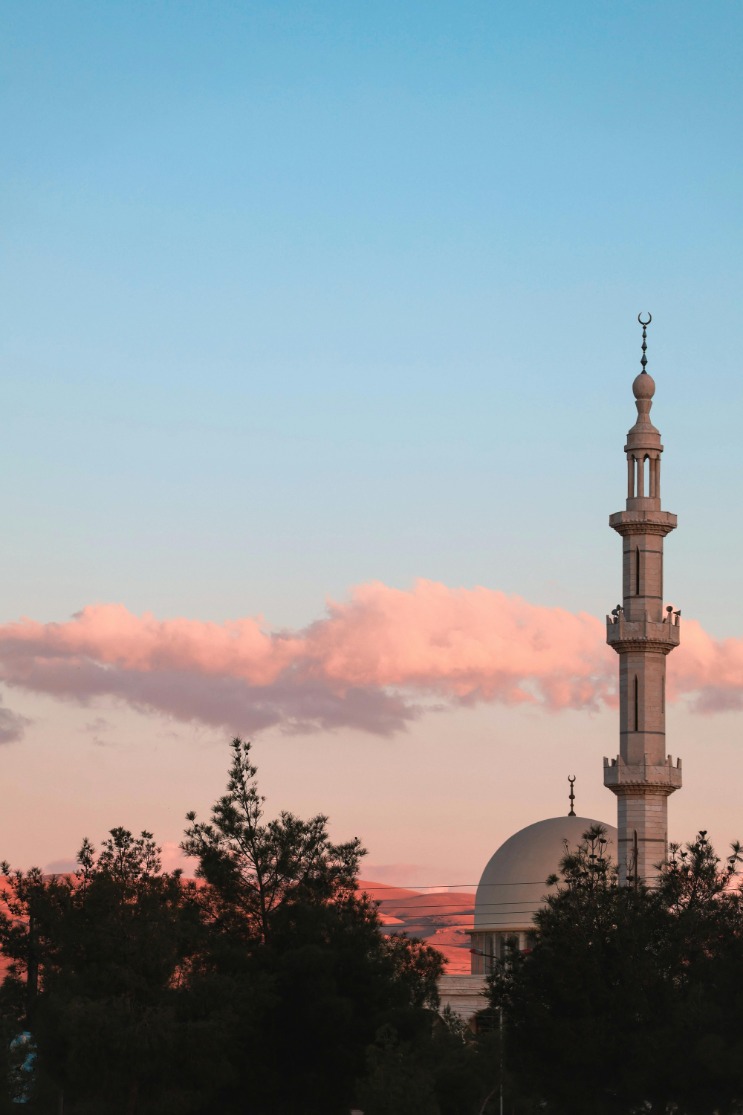
In Botswana, the religious landscape is diverse, encompassing mainstream Christianity, indigenous beliefs, and other spiritual practices. Among the other religions and new spiritual movements, Buddhism and Hinduism are practiced by smaller communities, primarily due to immigration and globalization influences. Buddhism in Botswana often emphasizes meditation and mindfulness, attracting those interested in spiritual development outside traditional African religions. Hinduism, though practiced by a minority, maintains cultural and religious festivals that contribute to Botswana’s multicultural fabric. Additionally, various new spiritual movements have emerged, blending traditional African spirituality with modern philosophies. These movements reflect the dynamic nature of Botswana’s religious scene, embracing both ancient traditions and contemporary spiritual ideas.
Growth of New Religious Movements
In Botswana, the landscape of religion has traditionally been dominated by Christianity and indigenous beliefs, but there has been a notable growth in other religions and new spiritual movements over recent years. These emerging movements often attract younger generations seeking spiritual diversity and personal exploration beyond conventional faiths. The spread of global influences through media, travel, and communication has facilitated the dissemination of various spiritual practices and philosophies within Botswana. New religious movements, including alternative spiritual groups, yoga communities, and mindfulness practices, are gradually becoming more visible. This diversification demonstrates a dynamic religious environment where traditional beliefs coexist with evolving spiritual trends, reflecting the nation’s openness to exploring different paths to spiritual fulfillment.
Impact on Cultural Diversity
In Botswana, the landscape of religion extends beyond traditional Christianity and indigenous beliefs to include other religions and new spiritual movements. These diverse spiritual expressions contribute significantly to the country’s rich cultural mosaic, fostering tolerance and understanding among different communities. As these movements grow, they introduce new perspectives on spirituality and morality, influencing social norms and cultural practices. The blending of various religious traditions promotes a more inclusive society, encouraging dialogue and mutual respect. Overall, the presence of other religions and spiritual movements enhances Botswana’s cultural diversity, enriching its national identity and social fabric.
Religious Festivals and Public Holidays
Religious festivals and public holidays play a significant role in the cultural and spiritual life of Botswana. These celebrations often reflect the diverse religious beliefs practiced across the country, bringing communities together to observe important spiritual and cultural traditions. They serve as a time for reflection, unity, and celebration, highlighting the deep connection between faith and daily life in Botswana.
Major Religious Celebrations
In Botswana, religious festivals and public holidays play a significant role in reflecting the diverse spiritual landscape of the country. These celebrations often coincide with major religious events and serve as important times for community gathering and worship. Christianity is the dominant religion, and numerous Christian holidays such as Christmas and Easter are observed nationally, often accompanied by festive ceremonies and church services. Additionally, traditional and indigenous spiritual practices also influence the country’s cultural calendar, with festivals such as the Moroka Festival celebrating local beliefs and customs. These major religious celebrations foster unity and cultural identity among different communities in Botswana, highlighting the nation’s rich spiritual heritage.
Public Holidays and National Events
Religious festivals and public holidays in Botswana reflect the country’s rich cultural diversity and deep religious traditions. These celebrations often commemorate significant religious events and are observed nationwide, promoting unity and cultural identity.
Public holidays in Botswana include national celebrations such as Independence Day, which honors the country’s independence from colonial rule, and other significant days that promote national pride. Religious holidays like Christmas, Good Friday, and Eid are also recognized, fostering communal participation across different faiths.
National events in Botswana often intertwine with religious observances, providing opportunities for communities to come together in celebration. These events enhance social cohesion and preserve cultural heritage, ensuring that both religious and secular traditions are celebrated with enthusiasm and respect.
Role of Festivals in Cultural Identity
Religious festivals and public holidays play a significant role in Botswana’s cultural landscape, fostering a sense of community and spiritual connection among its people. These celebrations often reflect the diverse religious beliefs present in the country, including Christianity and indigenous spiritual practices. Festivals such as Christmas and Easter are widely celebrated, while traditional rituals and ceremonies also take center stage during specific times of the year.
The role of festivals in Botswana extends beyond religious observance; they serve as vital expressions of cultural identity and social cohesion. Through music, dance, and rituals, these festivals preserve historical traditions and reinforce shared values and beliefs. They provide an opportunity for different generations to connect with their heritage, ensuring that cultural practices are passed down and remain relevant in modern society.
Overall, religious festivals and public holidays in Botswana are essential in shaping national identity, fostering unity, and celebrating the nation’s rich cultural diversity. They reinforce the spiritual and cultural bonds that define Botswana’s unique identity on the African continent.
Religious Influence on Botswana Society
Religion plays a significant role in shaping the social and cultural fabric of Botswana. It influences various aspects of daily life, from moral values to community practices, and helps foster a sense of identity and unity among its people. The diverse religious landscape in Botswana, primarily dominated by Christianity, also includes traditional beliefs that coexist and intertwine, reflecting the rich spiritual heritage of the nation. This religious influence continues to impact social norms, celebrations, and societal values across Botswana.
Education and Social Services
Religion plays a significant role in shaping the social fabric of Botswana, influencing societal values, cultural practices, and community life. Christianity, in particular, is deeply embedded in Botswana’s society, with many churches actively participating in community development and social welfare activities. Religious organizations often collaborate with government institutions to provide educational opportunities, healthcare, and social services, reinforcing their integral role in societal well-being.
In the education sector, religious institutions have historically contributed to the establishment of schools that promote moral values alongside academic instruction. These schools emphasize discipline, ethical behavior, and community service, which help to foster a cohesive and morally conscious society. Additionally, religious teachings often influence the curriculum, ensuring that moral and spiritual development are considered alongside academic achievements.
Social services in Botswana are also significantly impacted by religious groups, which often operate clinics, orphanages, and outreach programs aimed at aiding vulnerable populations. Churches and other religious organizations provide assistance during crises, such as poverty, disease outbreaks, and natural disasters, and promote social cohesion through community-building activities. Overall, religion remains a cornerstone of Botswana’s societal structure, guiding moral principles and supporting social development across the country.
Politics and Governance
Religion plays a significant role in shaping the society, politics, and governance of Botswana, influencing various aspects of daily life and decision-making processes. Christianity is the dominant faith in the country, with the majority of the population identifying as Christian, which impacts social values, moral standards, and community activities. Religious organizations often collaborate with government institutions to promote societal development, education, and health initiatives, reinforcing their influence in public life. In politics, religious leaders sometimes serve as moral authorities, guiding national discourse and advocating for social justice. The integration of religious principles within governance reflects Botswana’s recognition of the importance of faith in fostering social cohesion and moral governance. Overall, religion remains a cornerstone in the cultural fabric of Botswana, contributing to the nation’s identity and societal stability.
Social Cohesion and Community Building
Religion plays a significant role in shaping the social fabric of Botswana, fostering social cohesion and community building across diverse groups. In Botswana, Christianity is the predominant faith, influencing moral values, social norms, and cultural practices that unite communities and promote collective identity. Religious institutions serve as centers for social interaction, support, and development, enhancing community resilience and cooperation. Additionally, traditional beliefs and indigenous spiritual practices also contribute to the country’s cultural diversity, reinforcing a sense of belonging and shared heritage among different ethnic groups. Overall, religion in Botswana acts as a unifying force, strengthening social bonds and facilitating harmonious community life.
Legal and Constitutional Framework
The legal and constitutional framework in Botswana provides a fundamental structure that governs the rights, freedoms, and religious practices of its citizens. This framework ensures the separation of church and state while safeguarding the constitutional rights to freedom of religion and belief. Understanding this legal landscape is essential to appreciate how religion is practiced and protected within Botswana’s diverse cultural and social context.
Freedom of Religion
Bangwana’s legal and constitutional framework provides a robust foundation for the protection of freedom of religion. The Constitution of Botswana enshrines the right to practice one’s religion freely, ensuring that individuals can worship, assemble, and propagate their beliefs without undue interference. It recognizes the importance of religious tolerance and allows for the coexistence of diverse faiths within the country. Botswana’s legal system also upholds anti-discrimination laws that protect religious groups from prejudice and unfair treatment. This framework fosters an environment where religious freedom is respected as a fundamental human right, promoting social harmony and mutual respect among all citizens.
Legal Protections and Religious Rights
Botswana’s legal and constitutional framework provides robust protections for religious freedoms, ensuring that individuals can freely practice their faiths without undue interference. The country’s legal system reinforces the principles of religious tolerance and safeguards the rights of religious communities. These protections are embedded within the Constitution and complemented by various laws that uphold religious diversity and prevent discrimination based on faith.
- The Constitution of Botswana explicitly guarantees freedom of religion, allowing individuals to hold and practice their beliefs freely.
- Legal protections prevent discrimination against religious groups in employment, education, and public services.
- The law permits religious institutions to operate independently, establish places of worship, and participate in social and community activities.
- Religious rights are also protected in civil and criminal law, ensuring that religious practices are respected within the bounds of the law.
- The government promotes religious tolerance through public policies and educational programs, fostering an inclusive society.
Regulation of Religious Organizations
In Botswana, the legal and constitutional framework governing religious organizations is designed to ensure freedom of religion while maintaining public order. The Constitution of Botswana provides for the right to religious freedom, allowing individuals and groups to establish and operate religious organizations without undue interference. Religious institutions are recognized as legal entities once registered with the appropriate authorities, typically the Registrar of Societies. The regulation of these organizations involves adherence to laws related to registration, financial accountability, and conduct, ensuring transparency and accountability in their operations. Additionally, religious organizations are required to respect national laws concerning public safety, morality, and non-discrimination. The government actively monitors and regulates religious activities to prevent any potential misuse or extremism, but it strives to uphold the constitutional right to religious practice. Overall, Botswana’s legal and constitutional framework aims to balance religious freedom with societal harmony and national security interests.


0 Comments