
Geography of Maun
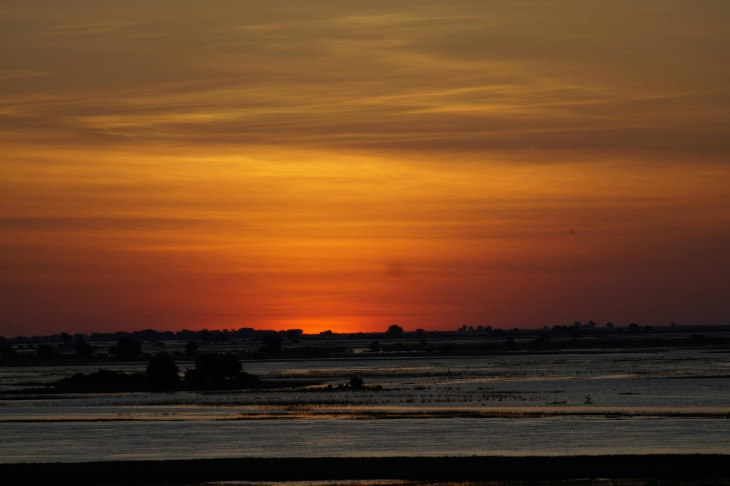
Maun is a prominent town located in the north-western part of Botswana, serving as the gateway to the Okavango Delta. Nestled within the Kalahari Desert, it features a unique landscape characterized by semi-arid plains and lush waterways. The town’s geographical position makes it a vital hub for tourism and wildlife safaris, offering stunning views and diverse ecosystems. Surrounded by expansive drylands and wetlands, Maun’s geography plays a crucial role in shaping its climate and ecology.
Location and Coordinates
Maun is a significant town in Botswana, located in the north-central part of the country. It is often considered the gateway to the Okavango Delta, one of the world’s largest inland deltas and a UNESCO World Heritage Site. Situated at the heart of Botswana’s wildlife and safari tourism industry, Maun serves as a hub for travelers exploring the region.
Geographically, Maun is positioned in the Kalahari Desert, characterized by its semi-arid climate and expansive plains. The town lies approximately at the coordinates of 19.97° South latitude and 23.43° East longitude. Its strategic location near the delta makes it a vital point for access to nature reserves, wildlife safaris, and aerial tours over the delta. This unique positioning enhances Maun’s importance in both ecological and tourism contexts within Botswana.
Main Landforms and Terrain
Maun, situated in northern Botswana, is a prominent town known as the gateway to the Okavango Delta. Its geography features a relatively flat landscape characterized by expansive plains and dry savannahs. The terrain is predominantly low-lying, with subtle undulations that support grasslands and scattered shrublands. Maun is located within the Kalahari Basin, which influences its semi-arid climate and terrain. The nearby Okavango Delta introduces a unique wetland ecosystem, creating a stark contrast to the surrounding dry landforms. Overall, the landforms in Maun reflect a combination of flat plains, floodplains, and seasonally inundated areas that support diverse flora and fauna.
Climate and Weather Patterns
Maun is a town located in northern Botswana and serves as a gateway to the Okavango Delta, one of the world’s largest inland deltas. The area’s geography is characterized by flat, open plains and seasonal watercourses, with the town itself situated along the Boteti River. The surrounding landscape features savannah grasslands and sparse woodland, providing a unique ecosystem that supports diverse wildlife.
The climate of Maun is classified as semi-arid, with hot summers and mild winters. Temperatures during peak summer months often exceed 30°C (86°F), while winter temperatures can drop to around 5°C (41°F) at night. The region experiences a distinct dry season from May to October, with minimal rainfall, and a wet season from November to April, when thunderstorms and showers are common. This seasonal variation greatly influences local agriculture and wildlife migration patterns.
Weather patterns in Maun are influenced by the subtropical setup of southern Africa, with periods of high pressure bringing dry conditions in winter and the movement of the Intertropical Convergence Zone (ITCZ) causing increased rainfall during the summer months. Rainfall is generally scarce, averaging around 350-450 millimeters per year, contributing to the arid nature of the region. These climatic features make Maun an ideal location for safaris and eco-tourism centered around the unique landscape and wildlife of the Okavango Delta.
History of Maun
Maun, often called the gateway to the Okavango Delta, has a rich history rooted in the traditions of the indigenous peoples of Botswana. Originally a small fishing and trading settlement, it has grown into a vibrant town that serves as a hub for explorers and eco-tourists. Over the years, Maun’s strategic location and cultural heritage have played a significant role in shaping its development, making it a key destination for those seeking to experience Botswana’s natural beauty and history.
Early Settlement and Indigenous Cultures
Maun, often referred to as the gateway to the Okavango Delta, has a rich history rooted in early settlement and indigenous cultures. The area was traditionally inhabited by the San people, known for their deep connection to the land and their unique hunter-gatherer lifestyle. These indigenous communities have inhabited the region for thousands of years, leaving behind rock art and oral histories that highlight their spiritual and daily lives. Over time, Maun developed as a settlement center, serving as a hub for local tribes and later as a point of contact for explorers and traders. The area’s strategic location near the Okavango Delta contributed to its importance as a cultural and economic site, shaping its development into the vibrant town known today. The history of Maun reflects a blend of indigenous traditions and adapting to changing dynamics over centuries, making it a significant part of Botswana’s cultural heritage.
Colonial Era and Development
Maun, known as the gateway to the Okavango Delta, has a rich history that reflects its significance in Botswana’s cultural and geographical landscape. Historically, it was inhabited by indigenous Tswana communities and served as a major trading hub due to its strategic location along trade routes. During the colonial era, Maun’s development was relatively limited until the early 20th century when British colonization influenced its growth. The establishment of colonial administration and infrastructure laid the foundation for its transformation into a key service point for explorers and travelers heading into the Delta. Over time, Maun evolved from a small settlement into a bustling town, driven by the tourism industry centered around the Okavango Delta, which has continued to spur economic development and infrastructural improvements in the region. The town’s history is thus a blend of indigenous heritage, colonial influence, and modern progress fueled by tourism and conservation efforts.
Modern Growth and Urbanization
Maun, often referred to as the “Gateway to the Okavango Delta,” has a rich historical background that dates back centuries. Originally inhabited by the indigenous Bayei and Baherero peoples, it has evolved from a traditional fishing and hunting community into a significant urban center. Over time, Maun’s strategic location near the delta fostered its development as a hub for trade and cultural exchange. During the colonial period, it gained prominence as a gateway for explorers and settlers venturing into the interior of Botswana. Today, Maun’s history is intertwined with its role in tourism and conservation efforts, reflecting a blend of tradition and modernity.
Modern growth in Maun has been largely driven by tourism, agriculture, and administrative development. The establishment of airstrips and improved road networks has increased accessibility, making it a key departure point for tourists exploring the Okavango Delta. Advances in infrastructure, including schools, healthcare facilities, and commercial centers, have supported population growth and economic diversification. Maun has also benefited from government initiatives aimed at sustainable development and environmental conservation, which have attracted investment and promoted environmental awareness within the community.
Urbanization in Maun has led to rapid changes in its landscape and society. The town has seen an influx of residents from surrounding rural areas seeking employment and educational opportunities. This demographic shift has prompted urban planning efforts to accommodate the expanding population, including housing developments, utility services, and social amenities. While modern urban growth has brought economic prosperity and improved living standards, it has also posed challenges such as managing urban sprawl and preserving the environment. Overall, Maun’s journey from a traditional settlement to a modern urban center illustrates its dynamic adaptation to the demands of contemporary development while maintaining its cultural roots.
Economy of Maun
Maun, often referred to as the gateway to the Okavango Delta, is a vital economic hub in Botswana. Its economy is primarily driven by tourism, with visitors flocking to experience the region’s unique wildlife and natural beauty. Additionally, Maun’s positioning as a center for aerial safaris and ecotourism activities sustains local businesses and provides employment opportunities. Agriculture and small-scale trade also contribute to the town’s economic landscape, making Maun a crucial component of Botswana’s overall economic development.
Tourism Industry and Attractions
The economy of Maun, Botswana, is primarily driven by tourism, which has become the city’s main source of income and development. As the gateway to the Okavango Delta, one of the world’s most renowned natural wonders, Maun benefits from a thriving tourism industry that attracts adventurers, safari enthusiasts, and nature lovers from around the globe. This influx of visitors has spurred the growth of various service sectors, including accommodations, travel agencies, and tour operators, contributing significantly to local employment and enterprise opportunities.
Maun serves as the central hub for exploring the Okavango Delta, Moremi Game Reserve, and surrounding wilderness areas. Visitors can enjoy a variety of attractions, such as thrilling safaris, bird watching, mokoro canoe trips, and scenic flights over the delta. The town itself offers cultural experiences, markets, and community tours that showcase local traditions and crafts. The region’s rich biodiversity and stunning landscapes make Maun a unique destination for ecotourism and wildlife enthusiasts, further cementing its role as Botswana’s premier tourist destination.
Agriculture and Local Crafts
Maun, often referred to as the gateway to the Okavango Delta, plays a vital role in Botswana’s economy through its diverse economic activities. The town’s economy is primarily driven by tourism, agriculture, and local crafts. Agriculture in Maun focuses on small-scale farming, including subsistence farming and livestock rearing, which supports the local community and sustains food security. Additionally, the fertile lands and favorable climate allow for the cultivation of crops such as maize, millet, and vegetables. The craft industry in Maun is vibrant, with artisans creating a variety of traditional crafts including beadwork, pottery, and wood carvings. These crafts attract tourists and serve as an important source of income for local residents. Overall, Maun’s economy benefits significantly from its natural resources, cultural heritage, and strategic location as a tourism hub in Botswana.
Business and Infrastructure Development
The economy of Maun, Botswana, is primarily driven by tourism, agriculture, and small-scale trade, supported by a developing infrastructure network. As the gateway to the Okavango Delta, Maun attracts a significant number of tourists each year, which substantially boosts local businesses such as lodges, safari operators, and transportation services. The town has seen steady growth in business activities, with opportunities expanding in hospitality, retail, and related sectors.
In recent years, there have been concerted efforts to improve infrastructure in Maun, including upgrades to the local airport, roads, and communication networks, to facilitate easier access for visitors and support business operations. The development of modern facilities and increased investment in tourism amenities have further encouraged entrepreneurial activities in the region.
Additionally, the government and private sector initiatives aim to diversify Maun’s economy through enhanced agricultural practices and the promotion of sustainable eco-tourism. These developments contribute to the overall growth of Maun, making it a vital economic hub in northern Botswana and expanding opportunities for local entrepreneurs and investors.
Tourist Attractions in Maun
Maun, often regarded as the gateway to the iconic Okavango Delta, is a charming town in Botswana that offers a variety of exciting tourist attractions. Visitors to Maun can explore its vibrant local culture, embark on thrilling safaris, and witness the stunning natural beauty that surrounds this unique destination. With its blend of adventure and cultural experiences, Maun is a must-visit for those seeking to discover the essence of Botswana.
Okavango Delta Safaris
Maun, often regarded as the gateway to the Okavango Delta, is a vibrant town in Botswana renowned for its stunning natural beauty and unique safari experiences. Visitors can explore an array of captivating tourist attractions that showcase the rich wildlife and diverse landscapes of the region.
One of the main highlights in Maun is the Okavango Delta, a UNESCO World Heritage Site, famous for its sprawling waterways, lush islands, and abundant wildlife. Guided safaris and mokoro canoe trips provide an authentic way to view elephants, lions, hippos, and various bird species in their natural habitat.
Wildlife safaris in Maun often include game drives at nearby reserves like Moremi Game Reserve, offering visitors the chance to see the Big Five and other incredible animal species. The delta’s pristine environment attracts birdwatchers from around the world, eager to spot species such as herons, kingfishers, and eagles.
For adventure enthusiasts, helicopter and small aircraft tours allow for breathtaking aerial views of the delta and surrounding landscapes. Additionally, Maun hosts cultural experiences where travelers can learn about the local Bayei and Bushmen communities, enriching their understanding of Botswana’s heritage.
Overall, Maun is a premier safari destination within Botswana, providing unforgettable encounters with nature and a gateway to exploring the extraordinary Okavango Delta safaris. Its combination of wildlife, adventure activities, and cultural experiences make it a must-visit location for globetrotters seeking authentic African adventures.
Moremi Game Reserve
Maun, often referred to as the gateway to the Okavango Delta, is a vibrant town in Botswana renowned for its unique blend of natural beauty and exciting attractions. Visitors to Maun can explore stunning wildlife, cultural experiences, and breathtaking landscapes. One of the main highlights in the area is the Moremi Game Reserve, a premier safari destination famous for its rich biodiversity and pristine wilderness.
In Moremi Game Reserve, tourists can enjoy thrilling game drives, guided safaris, and birdwatching excursions. The reserve is home to elephants, lions, leopards, cheetahs, and numerous other species, making it an ideal spot for wildlife enthusiasts. The reserve’s diverse habitats include savannahs, wetlands, and forests, providing a perfect environment for a wide array of fauna and flora.
Apart from safaris, visitors to Maun can experience scenic helicopter rides over the delta, offering magnificent aerial views of the intricate waterways and lush landscapes. Cultural tours and visits to local villages provide deeper insights into the traditions and lifestyles of the indigenous communities.
Overall, Maun is a must-visit destination for those seeking adventure, wildlife encounters, and a chance to immerse themselves in Botswana’s stunning natural environment.
Maun Elephant Tours
Maun, often referred to as the gateway to the Okavango Delta, is a vibrant town in Botswana that offers a variety of memorable tourist attractions. One of the highlights is Maun Elephant Tours, which provides visitors with unique opportunities to experience Botswana’s majestic elephants in their natural habitat. These tours often include guided excursions into the nearby wildlife areas, where travelers can observe elephants up close and learn about their behaviors, conservation efforts, and the importance of protecting this iconic species. Beyond elephants, Maun serves as a hub for exploring the stunning Okavango Delta, taking scenic flights, or embarking on safaris to witness diverse wildlife, making it a must-visit destination for adventure seekers and nature lovers alike.
Bird Watching and Wildlife Viewing
Maun, often called the gateway to Botswana’s wilderness, offers an exceptional array of tourist attractions centered around bird watching and wildlife viewing. Nestled along the Okavango Delta, it provides a unique opportunity to experience one of Africa’s most diverse ecosystems. Visitors can explore the lush wetlands, which are teeming with a variety of bird species such as kingfishers, herons, and pelicans, making it a bird watcher’s paradise.
Wildlife enthusiasts can embark on game drives and mokoro safaris to spot iconic animals including elephants, lions, hippos, and buffalo roaming freely in their natural habitats. The area is renowned for its rich biodiversity and conservation efforts, allowing travelers to immerse themselves in authentic Botswana wildlife experiences. Maun’s scenic landscapes and vibrant birdlife make it an ideal destination for nature lovers seeking both adventure and tranquility in the heart of Africa’s wilderness.
Culture and Local Community
Maun, the vibrant gateway to Botswana’s iconic Okavango Delta, is a place where rich culture and close-knit community life intertwine to create a unique and welcoming atmosphere. Local traditions, storytelling, and community events play a significant role in shaping the identity of Maun, reflecting the heritage and values of its people. Exploring this area offers a deeper understanding of Botswana’s cultural diversity and the warmth of its residents.
Traditional Customs and Practices
Maun, a vibrant town in Botswana, is deeply rooted in its culture and local community. The people here take pride in preserving their traditional customs and practices, which are a vital part of their identity. These customs are reflected in daily life, from local ceremonies to community gatherings, fostering a strong sense of unity and belonging among residents. Indigenous traditions such as storytelling, dance, and music are celebrated and passed down through generations, ensuring their continuity. The local community actively engages in maintaining their cultural heritage, welcoming visitors to experience authentic Botswana traditions firsthand. This rich cultural tapestry makes Maun not only a gateway to the Okavango Delta but also a place where history and customs are alive and thriving.
Language and Festivals
Maun, a vibrant town in Botswana, is a rich hub of culture and community life. This area is home to diverse local traditions, showcasing the deep-rooted customs of the Batawana people. The sense of community is strong, and residents actively celebrate their heritage through various social activities and gatherings.
Language plays a significant role in Maun’s cultural identity. While English is widely used in education and official matters, Setswana is the predominant language spoken by the local population. This linguistic diversity helps preserve the cultural narratives and oral histories passed down through generations.
Maun hosts a variety of festivals that highlight its cultural heritage. Notable events include traditional dance performances, music festivals, and craft fairs. These festivals serve as a celebration of Botswana’s rich history and provide opportunities for both locals and visitors to experience authentic cultural expressions and foster community bonds.
Local Art and Handicrafts
Maun, a vibrant town in Botswana, serves as a cultural hub that beautifully showcases the rich traditions and local community spirit. The area is renowned for its warm hospitality and strong connection to its heritage, which is evident in various cultural events and community gatherings. Local art and handicrafts play a significant role in expressing the town’s identity, with artisans creating unique jewelry, woven baskets, and intricate beadwork that reflect indigenous designs and stories. These crafts not only preserve traditional techniques but also support local livelihoods, attracting visitors eager to experience authentic Botswana culture. Maun’s dedication to its cultural roots makes it a compelling destination for those interested in exploring the artistic and communal soul of Botswana.
Transportation in Maun
Transportation in Maun, Botswana, plays a vital role in connecting residents and visitors to the exciting attractions of the region. As the gateway to the renowned Okavango Delta, Maun offers various modes of transport, including local taxis, shuttle services, and charter flights. These options facilitate easy access to wildlife safaris, national parks, and other key destinations, making travel within and around Maun convenient and efficient for all travelers.
Air Travel and Flights
Maun, often referred to as the gateway to the Okavango Delta, is a key hub for transportation and air travel in Botswana. Its strategic location makes it easily accessible for visitors seeking to explore the natural beauty and wildlife of the region.
- Maun has an airport that serves as a vital link for domestic and international flights. Maun Airport offers regular scheduled flights to Gaborone, Johannesburg, and other major cities.
- Several airlines operate in Maun, providing convenient travel options for tourists and locals alike. These include regional carriers and charter flight services tailored for safari travelers.
- Most visitors arriving by air typically take a short flight before continuing their journey into the Okavango Delta by light aircraft, helicopter, or overland vehicle.
- Air travel is the fastest way to reach Maun, especially for international visitors coming from neighboring countries or abroad. Flight durations from Gaborone or Johannesburg are usually under two hours.
- During peak tourist season, there are increased flight options, and it’s recommended to book flights in advance to secure preferred schedules and prices.
Road Networks and Vehicles
Transportation in Maun, Botswana, plays a vital role in connecting residents and visitors to the surrounding regions and attractions. The town features a well-maintained road network that facilitates efficient travel within Maun and to nearby destinations such as the Okavango Delta and Moremi Game Reserve. Roads are generally in good condition, with major routes accessible throughout the year, although some secondary roads may require a four-wheel-drive vehicle during the rainy season. Vehicles commonly used in Maun include taxis, rental cars, and safari trucks, which are essential for exploring the remote wilderness areas. The availability of various transportation options ensures that travelers can easily access the spectacular natural beauty and wildlife that Botswana is renowned for, making Maun a key hub for tourism in the region.
Boat and Waterway Access
Transportation in Maun, Botswana, is primarily centered around road and air travel, providing easy access to the town and surrounding areas. Visitors often use taxis, car rentals, and shuttle services for local transportation, making it convenient to explore the region. Maun also serves as a gateway for travelers heading to the famous Okavango Delta, one of the world’s largest inland deltas.
Regarding boat and waterway access, Maun itself is situated near the Okavango River, which offers opportunities for boat safaris and water-based excursions. These waterway activities are popular among tourists seeking to experience the delta’s unique ecosystem. Properly organized boat tours provide an intimate view of the wildlife and lush landscapes, making water transportation an essential part of exploring Botswana’s natural beauty in and around Maun.
Accommodations and Hospitality
Maun, often regarded as the gateway to Botswana’s breathtaking Okavango Delta, offers a diverse range of accommodations and hospitality options for travelers. From luxury lodges to cozy guesthouses, visitors can experience the warmth and hospitality of the region while exploring its stunning wilderness. Whether seeking an adventurous safari or a relaxing retreat, Maun provides a welcoming base for all kinds of travelers looking to discover the natural beauty of Botswana.
Hotels and Lodges
Botswana Maun is renowned as the gateway to the Okavango Delta, offering a variety of accommodations and hospitality options to suit travelers’ needs. Visitors can enjoy a range of hotels, lodges, and guesthouses that provide comfortable amenities and excellent service, making their stay memorable. Many lodges in Maun are strategically located near the water, providing spectacular views and easy access to safari excursions and delta tours.
Guesthouses and Campsites
Maun, often referred to as the gateway to the Okavango Delta in Botswana, offers a variety of accommodations and hospitality options that cater to travelers seeking comfort and adventure. Guests can choose from charming guesthouses that provide a cozy and local experience or opt for campsites that bring them closer to nature in the heart of the wilderness. Many guesthouses in Maun feature traditional decor, personalized service, and convenient access to local attractions, making them ideal for those wanting an authentic Botswana experience. Campsites, on the other hand, offer an immersive outdoor adventure, with facilities designed to ensure comfort while respecting the natural environment. Whether staying in a guesthouse or camping under the stars, visitors to Maun can enjoy warm hospitality and excellent services, making their stay memorable as they explore the stunning landscapes of the Okavango Delta region.
Tourist Services and Facilities
Maun, Botswana, is a vibrant hub for travelers seeking unique accommodations and hospitality experiences. Visitors can choose from a variety of lodges, hotels, and guesthouses that cater to different preferences and budgets, providing comfortable and authentic local stays. The city is renowned for its warm hospitality and friendly service, making tourists feel welcome from the moment they arrive.
Tourist services in Maun are well-developed, offering guided safaris, cultural tours, and adventure activities such as helicopter rides over the Okavango Delta. These services are designed to enhance the visitor experience and explore the natural beauty of the region. Facilities like tour operators, information centers, and transportation options ensure that guests have seamless and enjoyable trips.
Maun serves as a gateway to the Okavango Delta, one of Africa’s most extraordinary ecosystems. The availability of well-equipped tourist facilities, including airports and local transport, makes accessing this pristine environment easier for visitors. Whether for wildlife viewing, birdwatching, or exploring the lush wetlands, the city provides essential services that support a memorable and comfortable safari experience.
Environmental Conservation in Maun
Maun, often referred to as the gateway to the Okavango Delta, is a vibrant town in Botswana renowned for its breathtaking natural beauty and rich biodiversity. Environmental conservation in Maun plays a crucial role in preserving the unique ecosystems that support a wide variety of wildlife and sustain the local communities. Efforts to protect the environment not only ensure the survival of these natural treasures but also promote sustainable tourism and development in the region.
Protected Areas and National Parks
Maun, a vibrant town in Botswana, serves as a gateway to the country’s renowned protected areas and national parks, playing a crucial role in environmental conservation efforts. The region’s rich biodiversity and unique ecosystems are safeguarded through various conservation initiatives aimed at preserving its natural heritage for future generations.
- Maun is close to the Okavango Delta, one of the world’s most unique inland deltas, designated as a UNESCO World Heritage Site.
- The area hosts several national parks and game reserves, including Moremi Game Reserve, which is vital for the conservation of numerous wildlife species such as elephants, lions, and rhinoceroses.
- Conservation programs in Maun focus on sustainable tourism, ensuring the protection of fragile ecosystems while supporting local communities.
- Efforts are made to combat poaching and illegal wildlife trade, contributing significantly to the preservation of Botswana’s iconic species.
- Community-based conservation initiatives in Maun empower local residents to participate actively in environmental preservation while benefiting economically from eco-tourism.
Wildlife Preservation Efforts
Maun, located in Botswana, is a vital hub for environmental conservation and wildlife preservation efforts. The region is renowned for its rich biodiversity, including elephants, lions, and various bird species, making conservation a top priority for local communities and organizations.
- Community-based conservation programs encourage local residents to protect their natural surroundings while benefiting economically from ecotourism.
- Several wildlife reserves and parks in and around Maun, such as Moremi Game Reserve, serve as crucial habitats for endangered species and are actively managed to ensure their survival.
- Various NGOs and government agencies collaborate to implement anti-poaching initiatives, habitat restoration projects, and environmental education campaigns.
- The use of innovative technology, including drones and satellite monitoring, enhances the ability to track animal movements and prevent illegal activities.
- Tourism initiatives promote sustainable practices, allowing visitors to experience Botswana’s wildlife responsibly while supporting conservation efforts.
- Establishing protected areas and wildlife corridors to connect habitats and facilitate animal migration.
- Educating local communities about the importance of conservation and involving them in decision-making processes.
- Supporting research and data collection to inform effective management strategies.
- Promoting eco-friendly tourism to balance economic growth with environmental preservation.
- Strengthening legislation to combat poaching and illegal wildlife trade within the region.
Sustainable Tourism Initiatives
Environmental conservation in Maun, Botswana, plays a vital role in preserving the region’s unique ecosystems and supporting sustainable tourism initiatives. The town serves as a gateway to the Okavango Delta, one of the world’s most renowned natural wonders, and efforts are underway to protect its rich biodiversity. Local communities and tourism operators have adopted eco-friendly practices to minimize their environmental impact, such as using sustainable transportation and supporting conservation projects. These initiatives aim to balance economic growth with ecological preservation, ensuring that the beauty of Maun and the surrounding areas remains intact for future generations.



0 Comments