
Geographical Overview of the Botswana River Delta
The Botswana River Delta, also known as the Okavango Delta, is one of the world’s most remarkable inland deltas, located in the northwest of Botswana. Covering an expansive area, it is a unique and vibrant ecosystem fed by seasonal river flows from the Angolan highlands. This lush delta supports a diverse array of wildlife and plant species, making it a vital ecological zone and a UNESCO World Heritage Site. Its intricate network of channels, islands, and floodplains creates a stunning landscape that is both ecologically significant and visually captivating.
Location and Layout
The Botswana River Delta is a significant geographical feature located within the Okavango Delta in northern Botswana. This expansive wetland area is formed where the Okavango River spreads out and floods the surrounding plains, creating one of the world’s largest inland deltas. The delta extends across a diverse landscape of seasonal floodplains, channels, islands, and lush vegetation, serving as a vital habitat for a wide variety of wildlife. Situated in an arid region, the delta acts as a crucial water source that sustains biodiversity and supports local communities. Its layout is characterized by intricate networks of waterways that branch into numerous channels and islands, providing essential breeding and feeding grounds for numerous bird species, mammals, and aquatic life. The geographical positioning and structural complexity of the Botswana River Delta make it a unique and ecologically important area within southern Africa.
Drainage Basin and Surrounding Features
The Botswana River Delta, also known as the Okavango Delta, is one of the world’s most remarkable inland wetlands, situated in the northwestern part of Botswana. It is characterized by a vast, seasonal floodplain formed by the Okavango River, which originates in Angola’s highlands and flows southward into the basin. The delta spreads across an extensive drainage basin that covers approximately 70,000 square kilometers, encompassing varied landscapes from lush floodplains and grasslands to sparse savannahs and sparse woodland. Surrounding features include the Kalahari Desert to the south and east, which create a stark contrast with the verdant delta, and the Chobe River to the northeast contributing to the hydrological richness of the region. The delta’s unique hydrological system is dictated by the seasonal flooding caused by the inflow of water during the rainy season, leading to an elaborate network of channels, lagoons, and islands that support diverse flora and fauna. Overall, the Botswana River Delta is a vital ecological hub that sustains local ecosystems and regions of high conservation value, making it a globally significant natural heritage site.
Hydrological Characteristics
The Botswana River Delta, located in the northeastern part of Botswana, is a vital ecological and hydrological region characterized by its extensive network of rivers and wetlands. This delta is primarily formed by the seasonal flow of the Okavango River, which creates a vast inland delta that floods annually, supporting a rich diversity of flora and fauna. The delta spans an area of approximately 15,000 square kilometers and is a crucial habitat for numerous wildlife species, including elephants, hippos, crocodiles, and various bird species.
Hydrologically, the Botswana River Delta is a dynamic system influenced by seasonal variations in rainfall and water flow. The Okavango River originates from the Angolan highlands, flowing southeastward into the delta, where it disperses into a maze of channels, floodplains, and islands. During the rainy season, waters from the Angolan highlands increase, causing the delta to flood extensively and supporting lush vegetation. Conversely, during dry periods, the floodwaters recede, leaving isolated pools and wetlands. The delta’s hydrological regime is crucial for maintaining the ecological balance and supporting the local communities that depend on its resources.
Ecological Significance
The Botswana River Delta, a vital ecosystem at the heart of Southern Africa, plays a crucial role in maintaining ecological balance. This lush region supports diverse plant and animal life, providing essential resources for both wildlife and local communities. Its ecological significance lies in its ability to preserve biodiversity, regulate water flow, and sustain the environment’s overall health.
Unique Flora and Fauna
The Botswana River Delta holds immense ecological significance as a vital haven for diverse species and a critical component of the region’s ecological balance. It supports a variety of habitats, including wetlands, floodplains, and lush vegetation, which are essential for maintaining biodiversity and regulating water quality. The delta plays a crucial role in sustaining the livelihoods of local communities and supporting wildlife populations, particularly during seasonal floods.
The delta is home to a wealth of unique flora and fauna that are specially adapted to its dynamic environment. Magnificent hardwood trees, papyrus, and reeds thrive along the waterways, providing shelter and breeding grounds for numerous species. Among the notable fauna are the iconic African elephants, hippos, crocodiles, and a multitude of bird species such as herons, kingfishers, and African fish eagles, many of which depend on the delta’s rich ecosystem for survival. The region’s distinctive wildlife highlights its importance as a sanctuary for both resident and migratory species.
Wetland Ecosystems and Biodiversity
The Botswana River Delta is a vital wetland ecosystem that plays a crucial role in maintaining regional ecological balance and supporting a diverse array of species. This wetland is recognized for its rich biodiversity and the ecosystem services it provides, such as water filtration, flood control, and habitat for numerous flora and fauna.
- Habitat for Wildlife: The delta provides breeding grounds for fish, migratory birds, and numerous aquatic species, supporting both local and migratory populations.
- Bio-diversity Hotspot: It hosts a wide variety of plant and animal species, some of which are endemic or threatened, making it an important area for conservation efforts.
- Water Purification: Wetlands like the Botswana River Delta naturally filter pollutants, improving water quality for downstream ecosystems and human use.
- Climate Regulation: The dense vegetation in the delta helps sequester carbon and moderate local climate conditions, contributing to overall climate stability.
- Economic and Cultural Value: The wetlands sustain local communities through tourism, fishing, and traditional livelihoods, highlighting their ecological and socio-economic importance.
Migration Patterns and Wildlife Habitats
The Botswana River Delta, also known as the Okavango Delta, is an ecologically vital region that plays a crucial role in maintaining the biodiversity and environmental health of southern Africa. It supports a complex network of habitats that sustain countless species of flora and fauna, making it one of the world’s most important inland wetlands. The delta’s ecological significance lies in its ability to act as a natural water filtration system, flood control, and a rich source of freshwater in an arid region.
Migration patterns within the Botswana River Delta are primarily driven by seasonal flooding and rainfall. During the rainy season, floodwaters from the Angolan highlands spread across the delta, attracting migratory animals such as elephants, buffalo, and various antelope species. This seasonal influx facilitates breeding, feeding, and breeding cycles for many species, ensuring the survival of diverse wildlife populations. Additionally, birds such as pelicans, herons, and kingfishers migrate to the delta to nest and feed, highlighting its importance as a breeding sanctuary.
The wildlife habitats within the Botswana River Delta are incredibly diverse, ranging from permanent wetlands and floodplains to grasslands and woodlands. These habitats provide critical nesting sites, breeding grounds, and foraging areas for a wide array of animals, including the famous Big Five—lion, leopard, rhinoceros, elephant, and buffalo. The delta’s varied ecosystems support a rich biodiversity that is vital for ecological balance, local livelihoods, and eco-tourism efforts, underscoring its global environmental significance.
Hydrology and Water Dynamics
The hydrology and water dynamics of the Botswana River Delta are vital to understanding the region’s ecological health and water resource management. This complex system involves the movement, distribution, and quality of water within the delta, shaped by rainfall patterns, river flow, and climate variations. Studying these processes helps reveal the importance of sustainable water use and conservation efforts in sustaining the delta’s unique biodiversity and supporting local communities.
River Flow and Seasonal Changes
The Botswana River Delta, also known as the Okavango Delta, is a unique example of hydrology and water dynamics in southern Africa. This inland delta is formed by the Okavango River, which flows from Angola into the Kalahari Desert, creating an expansive wetland ecosystem. River flow in this region exhibits significant seasonal changes, primarily driven by seasonal rains and snowmelt upstream. During the rainy season, from November to March, the volume of water increases substantially, causing the delta to expand and flood surrounding areas. In contrast, during the dry season, from April to October, water levels decrease, and much of the floodwaters recede, leaving behind lush vegetation and water channels. These seasonal fluctuations are vital for maintaining the ecological health of the delta, supporting diverse wildlife, and sustaining local communities. The hydrological processes governing the Botswana River Delta exemplify the complex interaction between river flow, seasonal variability, and water dynamics in arid and semi-arid environments.
Water Sources and Tributaries
The Botswana River Delta is a vital hydrological feature that plays a crucial role in the region’s water dynamics. It is fed by the Okavango River, which originates in Angola and flows into the delta, creating a complex network of rivers and streams. These water sources are essential for maintaining the unique ecosystem of the area, supporting diverse wildlife and plant species. Tributaries such as the Boro and the Pan obscured channels contribute to the inflow, ensuring a continuous supply of freshwater to the delta. The intricate water system facilitates seasonal flooding, which replenishes the land and sustains the wetlands, making the Botswana River Delta one of the most iconic wetland ecosystems in Africa.
Impact of Climate Variability
The Botswana River Delta is a vital hydrological feature that sustains diverse ecosystems and supports local communities. Hydrology and water dynamics in this region are significantly influenced by climate variability, which affects water flow, availability, and overall health of the delta. Changes in precipitation patterns and temperature fluctuations alter river discharge and sediment transport, impacting both aquatic and terrestrial habitats.
- Climate variability leads to irregular seasonal flood pulses, affecting the timing and extent of flooding in the delta.
- Reduced rainfall can cause decreased river flow, risking the desiccation of wetlands and impacting wildlife dependent on these habitats.
- Increased temperatures may escalate evaporation rates, further diminishing water levels and concentrating salinity.
- Alterations in water dynamics influence sediment deposition, which can modify the delta’s structure and ecological productivity.
- Prolonged droughts and unpredictable weather patterns challenge sustainable water management and conservation efforts in the region.
Human Interaction and Management
The Botswana River Delta, a vibrant ecosystem and a vital part of the region’s natural landscape, relies heavily on effective human interaction and management. Ensuring sustainable use of this delicate environment involves understanding the relationship between local communities, environmental conservation efforts, and government policies. Human interaction plays a crucial role in shaping the health and preservation of the delta, highlighting the importance of responsible management to balance development and ecological integrity.
Local Communities and Livelihoods
The Botswana River Delta, also known as the Okavango Delta, is a vital ecological and cultural hub that plays a significant role in human interaction and community livelihoods. Local communities rely heavily on the delta’s rich biodiversity for activities such as fishing, agriculture, and ecotourism, which sustain their economies and social structures. Managing these interactions involves balancing conservation efforts with the needs of local residents to ensure sustainable use of natural resources. Collaborative approaches between government authorities, indigenous groups, and environmental organizations are essential to foster conservation while supporting community development. The livelihoods of many communities are intertwined with the health of the delta, making it crucial to implement policies that promote sustainable practices and empower local populations to participate actively in the preservation of this unique ecosystem.
Conservation Efforts and Protected Areas
The Botswana River Delta, also known as the Okavango Delta, is a vital ecological region that relies heavily on human interaction and management to ensure its sustainability. Local communities and authorities work collaboratively to develop conservation strategies that balance human needs with the preservation of this unique habitat. Efforts include sustainable tourism practices, community-based resource management, and environmental education programs designed to foster awareness and responsibility among visitors and residents alike.
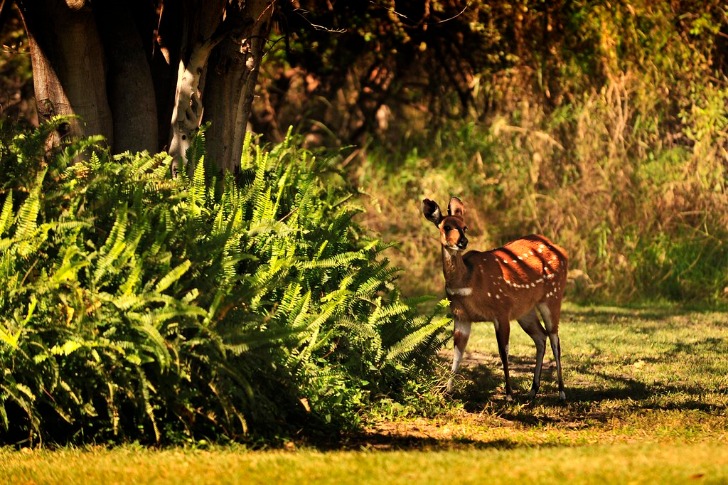
Conservation efforts in the Okavango Delta are crucial to maintain its rich biodiversity, including numerous species of birds, mammals, and aquatic life. Various organizations and government agencies have established protected areas within the delta, such as national parks and wildlife reserves, to safeguard the ecosystem. These protected areas not only help conserve wildlife but also support eco-tourism, which is a significant source of income for local communities. Continuous management and monitoring are essential to address environmental threats like water pollution, overfishing, and habitat destruction, ensuring the delta remains a thriving natural sanctuary for future generations.
Tourism and Ecotourism Activities
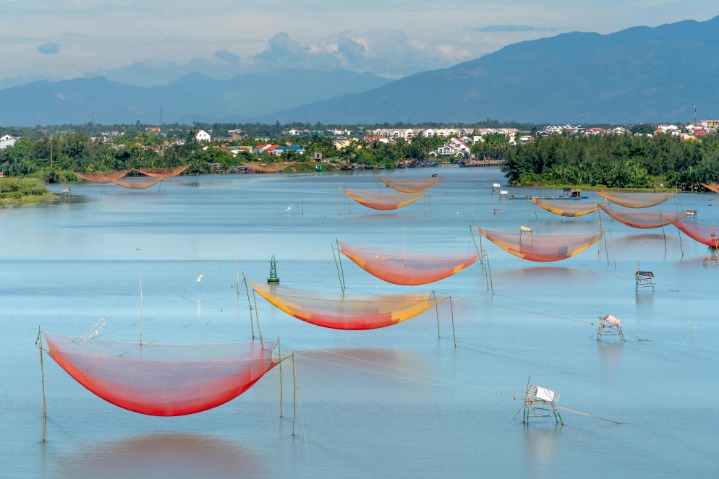
The Botswana River Delta, also known as the Okavango Delta, is a unique and vital ecosystem that attracts many visitors interested in human interaction and management, tourism, and ecotourism activities. This pristine wilderness area offers opportunities for sustainable tourism practices that emphasize environmental conservation and cultural preservation. Visitors can engage with local communities through guided tours, cultural experiences, and community-led initiatives, fostering respectful and meaningful interactions.
Effective management of the Botswana River Delta involves balancing tourism growth with the preservation of its delicate habitats. Authorities implement measures to control visitor numbers, ensure eco-friendly accommodation, and promote conservation education. Ecotourism activities, such as game drives, mokoro (dugout canoe) excursions, bird watching, and guided walking safaris, provide immersive experiences while minimizing environmental impact. These activities support local economies and promote a deeper understanding of the region’s ecological significance.
By prioritizing sustainable practices, the tourism sector in the Botswana River Delta aims to enhance natural resource management, support community development, and ensure that future generations can continue to enjoy this extraordinary landscape. Human interaction is thus directed towards promoting conservation awareness and fostering mutual respect between visitors and local communities, ensuring the long-term health and vitality of the delta ecosystem.
Environmental Challenges
The Botswana River Delta, a vital and vibrant ecosystem, faces numerous environmental challenges that threaten its delicate balance. As human activities and climate change intensify, the natural beauty and biodiversity of this unique habitat are at risk. Understanding these challenges is crucial for developing effective conservation strategies to protect this precious area for future generations.
Water Pollution and Resource Depletion
The Botswana River Delta faces significant environmental challenges, notably water pollution and resource depletion, threatening the delicate ecosystem and local communities. These issues are compounded by increasing human activity, agriculture, and climate change, which exacerbate the stress on water sources in the region.
- Water Pollution: Industrial waste, agricultural runoff, and untreated sewage contaminate the delta’s water, harming aquatic life and reducing water quality for communities dependent on the river.
- Resource Depletion: Over-extraction of water for irrigation, domestic use, and industry leads to reduced flow levels, impacting wildlife habitats and biodiversity within the delta.
- Climate Change: Rising temperatures and changing rainfall patterns threaten to further reduce water availability, intensifying existing challenges and risking long-term ecosystem stability.
- Human Activities: Increased settlement and agriculture in the delta area put additional pressure on water resources, often leading to unsustainable practices.
- Loss of Biodiversity: Pollution and habitat degradation threaten the rich biodiversity of the Botswana River Delta, disrupting ecological balance and impacting local communities that rely on these resources.
Climate Change Effects
The Botswana River Delta, a vital ecological zone, faces significant environmental challenges due to climate change. Rising temperatures and unpredictable rainfall patterns have led to water scarcity, affecting the delicate balance of flora and fauna dependent on this habitat. The increased frequency of droughts has diminished water levels, disrupting the ecosystem and threatening biodiversity. Furthermore, changes in river flow patterns have impacted agriculture and local communities that rely on the delta for their livelihoods. The effects of climate change exacerbate existing environmental issues, such as habitat loss and soil degradation, necessitating urgent conservation efforts and sustainable management strategies to preserve this unique ecosystem for future generations.
Invasive Species and Habitat Degradation
The Okavango River Delta in Botswana faces numerous environmental challenges that threaten its delicate ecosystem. Among these, invasive species have increasingly become a significant concern, disrupting the native flora and fauna and threatening biodiversity. Species such as water hyacinth and certain fish varieties have proliferated, often outcompeting local species and altering natural water flow patterns. Additionally, habitat degradation caused by human activities, including agriculture, poaching, and infrastructure development, further jeopardizes the survival of numerous species dependent on the delta’s unique environment. Climate change also exacerbates these issues, leading to irregular rainfall patterns and droughts that diminish water levels and impact the ecosystem’s health. Protecting this vital wetland requires comprehensive efforts to control invasive species and minimize habitat destruction, ensuring the long-term sustainability of the Botswana River Delta’s rich biodiversity.
Research and Preservation Initiatives
The Botswana River Delta is a vital ecological area that supports a diverse range of wildlife and plant species. Efforts to research and preserve this unique habitat are essential for maintaining its biodiversity and ecological balance. Through various initiatives, scientists and conservationists work collaboratively to monitor environmental changes, protect endangered species, and ensure the sustainable management of water resources in the delta region.
Scientific Studies and Monitoring Programs
The Botswana River Delta is a vital ecological region that benefits from various research and preservation initiatives, scientific studies, and monitoring programs aimed at safeguarding its unique biodiversity and ecological health. These efforts are crucial for understanding the environmental dynamics of the delta and ensuring sustainable management practices.
- Research projects focus on the hydrology, sediment transport, and the seasonal flow patterns of the delta to understand its natural variability and impacts of climate change.
- Scientific studies are conducted to assess the biodiversity of flora and fauna, with particular attention to endangered species and migratory bird populations that depend on the delta habitat.
- Monitoring programs utilize remote sensing technology and on-the-ground data collection to track changes in the ecosystem, water quality, and vegetation cover over time.
- Conservation initiatives include community engagement and education efforts to promote sustainable use of resources and protection of critical habitats.
- Partner organizations collaborate with local governments, research institutes, and international bodies to implement adaptive management strategies based on scientific findings.
International and National Conservation Projects
The Botswana River Delta, a vital ecosystem teeming with diverse flora and fauna, has become a focus for numerous research and preservation initiatives aimed at ensuring its sustainability. International organizations, such as the World Wildlife Fund and UNESCO, have partnered with local authorities to develop conservation projects that address threats like habitat destruction and pollution. National efforts in Botswana include the designation of protected areas, community-based natural resource management programs, and scientific research to monitor biodiversity and ecosystem health. These initiatives aim to promote sustainable use of resources, restore degraded habitats, and preserve the unique ecological characteristics of the delta for future generations.
Community Engagement and Sustainable Practices
The Botswana River Delta, a vital ecological and cultural region, benefits from numerous research and preservation initiatives aimed at safeguarding its rich biodiversity and natural resources. Local and international organizations collaborate to monitor wildlife populations, restore habitats, and develop conservation strategies that ensure the longevity of this unique ecosystem. Community engagement plays a crucial role in these efforts, empowering local residents to participate in sustainable practices and eco-tourism activities that foster economic growth while conserving the environment. Emphasizing sustainable practices, initiatives include promoting eco-friendly agriculture, responsible tourism, and the protection of water resources, ensuring that the Botswana River Delta remains a thriving and resilient habitat for future generations.



0 Comments