
Geographical Overview
Botswana and Mozambique are two neighboring countries in Southern Africa, each with unique geographical features that influence their societies and economies. Botswana is characterized by vast deserts, mainly the Kalahari Desert, and a relatively flat landscape known for its rich wildlife and conservation areas. In contrast, Mozambique boasts a diverse geography with a lengthy Indian Ocean coastline, lush river valleys, and mountainous regions. Understanding their geographical landscapes provides insight into their development, natural resources, and cultural differences.
Location and Size
Botswana and Mozambique are neighboring countries in Southern Africa, each with distinct geographical features and sizes. Botswana is a landlocked country known for its vast, arid plains and expansive desert landscapes, while Mozambique boasts a lengthy coastline along the Indian Ocean with diverse terrain that includes coastal plains, mountain ranges, and river valleys.
- Location:
- Botswana is situated in the center of Southern Africa, bordered by Namibia to the west and north, Zimbabwe to the northeast, Zambia to the north, and South Africa to the south and southeast.
- Mozambique is located along southeastern Africa’s coast, bordered by Tanzania to the north, Malawi and Zambia to the northwest, Zimbabwe to the west, Eswatini (Swaziland) to the southwest, and South Africa to the south.
- Size:
- Botswana covers approximately 581,730 square kilometers, making it the 48th largest country in the world.
- Mozambique is significantly larger, with an area of around 801,590 square kilometers, ranking as one of the larger countries in Africa.
Physical Features and Landscapes
Botswana and Mozambique are two countries in Southern Africa, each with distinctive geographical and physical features that shape their landscapes. Botswana is characterized by vast, flat expanses of the Kalahari Desert, which covers much of its territory, contributing to its semi-arid environment. The country is largely made up of grasslands and savannahs, supporting diverse wildlife and natural ecosystems. In contrast, Mozambique boasts a varied landscape that includes a lengthy Indian Ocean coastline, fertile river valleys, and mountain ranges such as the Great Rift Valley. The physical features of Mozambique are marked by lush coastal plains and inland plateaus, resulting in a rich diversity of landscapes. Both countries have unique physical features that influence their climates, ecosystems, and human activities, with Botswana emphasizing arid desert landscapes and Mozambique featuring more diverse terrains and access to water bodies.
Climate and Environmental Conditions
Botswana and Mozambique are two countries in Southern Africa that exhibit distinct geographical and environmental features. Botswana is predominantly a landlocked nation characterized by vast inland plains, the Kalahari Desert, and extensive savannahs, making it one of the most arid regions in the world. Mozambique, on the other hand, has a long coastline along the Indian Ocean and features diverse landscapes including mountains, coastal plains, and tropical rainforests. Its geography supports a wide range of biodiversity and vital river systems such as the Zambezi River.
The climate in Botswana is mainly semi-arid to arid, with hot summers and mild winters, making water scarcity a significant concern. Rainfall is unpredictable and typically concentrated in the summer months, which supports its wildlife and game reserves. Mozambique experiences a tropical climate with high temperatures and high humidity throughout the year. It is subject to seasonal rains and occasional tropical cyclones, especially along the coast, which can impact both human settlement and natural environments. Both countries face environmental challenges—Botswana with desertification and water shortages, and Mozambique with cyclone-related damages and deforestation—shaping their environmental management and conservation efforts.
Historical Context
The historical context of Botswana and Mozambique provides essential insights into their unique paths of development and cultural richness. Understanding their colonial pasts, independence movements, and regional relationships helps explain the distinct social, political, and economic landscapes of these neighboring countries. Exploring this background offers a deeper appreciation of the challenges and achievements that have shaped Botswana and Mozambique over the years.
Pre-Colonial History
The pre-colonial history of Botswana and Mozambique offers a rich tapestry of cultural developments and early social organization. Botswana, historically inhabited by various Bantu-speaking groups such as the Tswana, played a significant role in regional trade networks and was characterized by decentralized kingdoms and chiefdoms. Its geographic location facilitated interactions with traders from across southern Africa, shaping its social and political structures long before colonial influence. Mozambique, on the other hand, was a prominent hub of Indian Ocean trade, inhabited by coastal communities involved in the trade of gold, ivory, and slaves. The arrival of Arab and Portuguese traders in the 15th and 16th centuries introduced new cultural and economic dynamics, especially along the coastal regions. These diverse historical trajectories laid the foundation for the distinct colonial and post-colonial developments of the two nations, influencing their current socio-political landscapes and national identities.
Colonial Era and Independence
The historical context of Botswana and Mozambique highlights diverse colonial experiences and paths to independence, shaping their contemporary identities. Botswana, formerly the British protectorate of Bechuanaland, gained independence peacefully in 1966, emphasizing stability and gradual development. Mozambique, a Portuguese colony, endured a long struggle for independence, which was achieved in 1975 after a brutal liberation war, leading to different socio-political trajectories.
- Botswana experienced relatively peaceful transition to independence, fostering political stability and economic growth.
- Mozambique’s liberation war resulted in significant hardships, and post-independence faced civil conflict and reconstruction challenges.
- Colonial legacies influenced their governance, with Botswana adopting a parliamentary system, while Mozambique faced the complexities of post-colonial socialist policies.
Post-Independence Development
Following independence, Botswana and Mozambique embarked on distinct developmental trajectories shaped by their unique historical contexts. Botswana, gaining independence in 1966, benefited from stable governance and prudent economic policies, focusing on sustainable growth and good governance. In contrast, Mozambique, which became independent in 1975, faced a turbulent post-independence period marked by civil conflict and political instability, affecting its developmental prospects.
- Botswana prioritized establishing democratic institutions, stable governance, and prudent resource management, especially exploiting diamond revenues.
- Mozambique faced challenges related to civil war, which hampered infrastructure development and economic stability.
- Botswana experienced steady economic growth, becoming one of Africa’s success stories in development.
- Mozambique’s post-independence development was initially hindered by conflict, but efforts in reconstruction and foreign investment later contributed to growth.
- Both countries worked towards improving education, healthcare, and infrastructure, but Botswana’s stable environment fostered more consistent progress.
Political Systems and Governance
Political systems and governance play a crucial role in shaping the development and stability of a country. Understanding how different nations organize their political institutions and exercise authority provides insight into their societal functions and governance effectiveness. In comparing Botswana and Mozambique, examining their political frameworks offers a glimpse into how leadership, democracy, and governance strategies influence national progress and societal well-being.
Government Structure
Botswana and Mozambique exhibit distinct political systems and government structures that reflect their unique historical and cultural contexts. Botswana is a parliamentary republic with a strong tradition of democratic governance, characterized by regular free elections, a multi-party system, and a stable political environment. Its government is headed by a President who is both the head of state and government, supported by a multi-tiered parliamentary system that ensures representation and accountability.
In contrast, Mozambique operates as a semi-presidential republic with a history shaped by colonial rule and civil conflict. Its governance structure includes a President who holds significant executive power, along with a Prime Minister and a unicameral Assembly of the Republic. Although Mozambique has made strides toward democratization, its political landscape has faced challenges related to political stability, civil unrest, and governance transparency.
Political Stability and Elections
Botswana and Mozambique showcase contrasting political systems and levels of governance, which influence their political stability and electoral processes. Botswana operates a stable democratic government characterized by regular elections, peaceful political transitions, and strong institutions. Mozambique, however, has experienced periods of political unrest and conflict, which have impacted its democratic development and stability.
- Botswana follows a multi-party democratic system where regular elections are held every few years, ensuring political accountability and stability. Its political environment is marked by low levels of corruption and strong respect for democratic norms.
- Mozambique’s political landscape has been marred by civil conflict and internal disputes, affecting governance and public trust. Although it holds elections, they are often challenged by issues such as voter suppression and political violence.
- The political stability in Botswana is generally high, supported by transparent institutions and effective governance structures.
- Mozambique continues to work towards stabilizing its political environment through reforms, but occasional violence and political polarization still pose challenges to stable governance.
International Relations
In examining the political systems and governance structures of Botswana and Mozambique, it is evident that both countries have distinct approaches influenced by their historical contexts. Botswana operates under a stable parliamentary democracy with regular elections, a strong rule of law, and responsible governance that has contributed to its political stability and economic growth. Conversely, Mozambique is a republic with a multi-party system, but it has faced challenges such as political conflict and corruption, especially given its history of civil war and ongoing efforts towards peace and stability.
International relations in Botswana are characterized by strong regional cooperation and positive diplomatic engagement with neighboring countries and international organizations, which has helped maintain peace and foster development. Mozambique’s international relations have been influenced by its internal conflicts, reliance on international aid, and efforts to rebuild after periods of unrest. Both countries participate in regional bodies like the Southern African Development Community (SADC), but Botswana’s stable governance often enables it to be a more active collaborator on the regional stage compared to Mozambique, which continues to address internal political and security challenges.
Economic Overview
The economic overview of Botswana and Mozambique provides valuable insights into the diverse developmental paths and current economic conditions of these neighboring countries. While Botswana boasts a stable economy largely driven by diamond mining and mineral resources, Mozambique faces challenges related to infrastructure and poverty but also exhibits growth potential through natural resources and agricultural development. Comparing these economies highlights their unique opportunities and hurdles as they strive for sustained growth and development.
Key Industries and Resources
Botswana and Mozambique are two neighboring countries in Southern Africa with distinct economic profiles. Botswana’s economy is primarily driven by mineral resources, especially diamonds, which contribute significantly to national revenue and export earnings. The country has diversified its economy through sustainable policies and is gradually expanding into sectors like tourism and manufacturing. Mozambique, on the other hand, relies heavily on agriculture, coal, natural gas, and mineral resources. Its vast natural resources have the potential to boost economic growth, although the country faces challenges such as infrastructural development and political stability. Both nations are rich in natural resources, but their economic structures and development strategies differ, impacting their growth prospects and regional roles.
Economic Growth and Challenges
Both Botswana and Mozambique exhibit diverse economic landscapes, shaped by their unique resources and development strategies. Botswana boasts a stable and well-managed economy, primarily driven by diamond mining, which contributes significantly to national revenue and international trade. In contrast, Mozambique’s economy relies heavily on agriculture, tourism, and recent natural resource discoveries such as gas reserves, offering potential for rapid growth.
In terms of economic growth, Botswana has experienced steady growth over the past decades due to prudent financial policies and sound governance, maintaining an average GDP growth rate of around 4-5%. Mozambique, on the other hand, has seen more variable growth rates, with recent years marked by a boom driven by hydrocarbon and mineral sector developments, although growth is often challenged by infrastructure deficits and political instability.
The challenges faced by these countries differ as well. Botswana faces risks related to over-reliance on diamond exports, making its economy vulnerable to global fluctuations in commodity prices. Mozambique contends with infrastructural constraints, corruption, and political issues that hinder sustainable development. Both nations need to diversify their economies and improve governance to ensure resilient growth and development in the future.
Trade and Investment
Botswana and Mozambique present distinct economic profiles shaped by their natural resources, regional integration, and development strategies. Botswana boasts a stable economy driven by diamond mining, sound governance, and a focus on sustainable growth, attracting significant foreign investment. Mozambique, on the other hand, relies heavily on agriculture, natural gas, and mineral resources, with recent investments aiming to diversify its economy and enhance trade relationships.
Trade and Investment Comparison
- Botswana:
- Major export commodities include diamonds, beef, and minerals.
- Trade partnerships primarily with China, South Africa, and the European Union.
- Foreign Direct Investment (FDI) is predominantly in mining, tourism, and financial services.
- Mozambique:
- Key exports are natural gas, aluminum, and agricultural products.
- Trade is heavily centered around China, South Africa, and Portugal.
- Recent FDI inflows focus on natural gas projects, port infrastructure, and agriculture.
Economic Challenges and Opportunities
- Botswana: The economy benefits from stable governance but faces challenges such as over-reliance on diamonds and vulnerability to global commodity fluctuations.
- Mozambique: Despite rich natural resources, it faces obstacles like political instability, infrastructural gaps, and high debt levels, which impact economic growth.
Social and Cultural Aspects
Understanding the social and cultural aspects of language is essential in appreciating the diverse ways communities communicate and express their identities. In the context of Botswana and Mozambique, language reflects rich histories, cultural values, and social structures unique to each nation. These linguistic differences influence interactions, traditions, and perceptions, shaping the way people relate to one another within their societies. Exploring these aspects offers valuable insights into the cultural fabric of both countries and highlights the importance of language in shaping social life.
Demographics and Population
Botswana and Mozambique differ significantly in their social and cultural aspects, demographics, and population characteristics. Botswana is known for its relatively homogenous population predominantly made up of Tswana people, which influences its cultural practices, languages, and social norms. Mozambique, on the other hand, has a diverse mix of ethnic groups, including Makhuwa, Sena, and Tsonga, resulting in a rich tapestry of languages and traditions. Demographically, Botswana has a smaller population with a growing but stable demographic profile, characterized by a relatively high urbanization rate. Mozambique’s population is larger and younger, with a high birth rate and a significant rural population that reflects traditional lifestyles. These differences shape each country’s societal structure, development priorities, and cultural preservation efforts.
Languages and Cultural Heritage
Both Botswana and Mozambique boast rich social and cultural heritages that reflect their unique histories and diverse populations. These differences influence language use, traditional practices, and cultural identity, shaping the everyday lives of their citizens.
- In Botswana, Setswana is the national language and is widely spoken, alongside English, which is used officially and in government. The country is known for its strong emphasis on traditional customs, including tribes such as the Tswana, and cultural expressions like dance and storytelling.
- Mozambique has a more diverse linguistic landscape with Portuguese as the official language, introduced during colonial times, and numerous indigenous languages like Makhuwa, Sena, and Tsonga spoken across different regions. The country’s cultural heritage includes vibrant music, dance, and arts influenced by Bantu traditions and Portuguese colonial history.
- Social structures in Botswana are often rooted in tribal leadership and community cooperation, whereas Mozambique’s social fabric is characterized by a blend of traditional practices and influences from its colonial past, which is reflected in its diverse cultural festivals and rituals.
- Both nations celebrate their cultural heritage through festivals, music, and dance—Botswana with events like the Maitisong Festival, highlighting arts and community, and Mozambique with festivals like the Maputo International Music Festival, showcasing diverse musical styles.
- The preservation of cultural identities remains vital for both countries, with efforts to maintain traditional languages and practices, despite the widespread influence of modern education and globalization.
Education and Healthcare Systems
Both Botswana and Mozambique have distinct social and cultural aspects that shape their societies. Botswana is known for its relatively stable political environment and strong traditional values, which emphasize community and social cohesion. Mozambique, on the other hand, has a diverse cultural landscape influenced by various ethnic groups, with a history marked by colonialism and civil conflict, resulting in a rich blend of traditions and customs.
In terms of education systems, Botswana has made significant progress by investing in universal primary education and promoting higher learning institutions. Its literacy rates are relatively high, reflecting government efforts to improve access to education. Mozambique faces more challenges, with lower literacy rates and limited educational resources, especially in rural areas. The country is working on expanding access to education, but disparities remain a concern.
Healthcare systems also differ markedly between the two nations. Botswana has a relatively well-developed healthcare infrastructure, focusing on combating HIV/AIDS and other communicable diseases, supported by international partnerships. Mozambique’s healthcare system struggles with limited resources, infrastructure, and personnel, facing ongoing battles with diseases like malaria and cholera. Both countries continue to work toward improving healthcare access and outcomes for their populations.
Tourism and Natural Attractions
Tourism and natural attractions play a vital role in showcasing the unique beauty and diverse landscapes of Botswana and Mozambique. Both countries offer incredible experiences for travelers seeking adventure, wildlife encounters, and stunning scenery. From the expansive deserts and wildlife-rich parks of Botswana to Mozambique’s pristine beaches and vibrant marine life, these destinations attract visitors looking to explore nature’s wonders in Southern Africa.
Major Tourist Destinations
Tourism and natural attractions play a significant role in showcasing the unique landscapes and cultural heritage of Botswana and Mozambique. Both countries are renowned for their breathtaking scenery and diverse wildlife, attracting travelers from around the world. Botswana is celebrated for its pristine wilderness, expansive deserts, and abundant wildlife safaris in areas like the Okavango Delta and Chobe National Park. Mozambique, on the other hand, offers spectacular coastal beaches, vibrant marine life, and stunning islands such as the Bazaruto Archipelago, making it a prime destination for beach lovers and diving enthusiasts. When comparing major tourist destinations, Botswana’s focus is on eco-tourism and safaris, providing visitors with opportunities to experience Africa’s iconic wildlife and landscapes. Mozambique’s attractions are more centered around its pristine beaches, coral reefs, and historical sites, offering a different kind of natural beauty. Both countries provide exceptional experiences, but their natural attractions cater to distinct interests in adventure, wildlife, or beach holidays.
Wildlife and National Parks
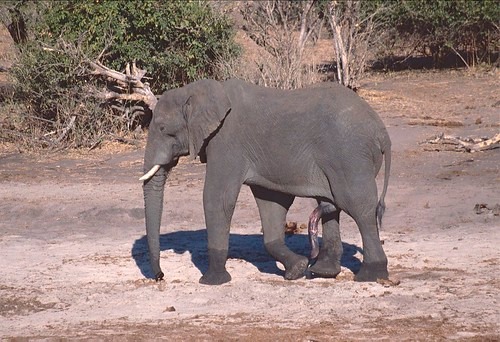
Both Botswana and Mozambique offer unique tourism experiences centered around their natural attractions, wildlife, and national parks. Botswana is renowned for its extensive wilderness areas, luxury safari lodges, and remarkable wildlife safaris in spots like the Okavango Delta and Chobe National Park, where visitors can witness a diverse array of animals including elephants, lions, and leopards in their natural habitats.
Mozambique, on the other hand, is famous for its pristine beaches, vibrant coral reefs, and marine life along the Indian Ocean. National parks such as Gorongosa and Zinave showcase a variety of terrestrial wildlife, while the coastal areas attract tourists seeking water-based activities, snorkeling, and diving. While Botswana emphasizes land-based safaris and wildlife conservation, Mozambique offers a more diverse experience combining wildlife with exceptional beach tourism.
Tourism Development and Challenges
Tourism and natural attractions play a vital role in the economic development of Botswana and Mozambique, each offering unique landscapes and experiences for visitors. Botswana is renowned for its pristine wilderness and abundant wildlife, particularly in the Okavango Delta and Chobe National Park, making it a prime destination for eco-tourism and safaris. Mozambique, on the other hand, boasts stunning coastal beaches along the Indian Ocean, vibrant coral reefs, and rich cultural heritage, attracting travelers seeking both relaxation and adventure.
In terms of tourism development, Botswana has focused on sustainable ecotourism, emphasizing conservation efforts and low-impact tourism practices. This strategy has helped preserve its natural habitats while boosting revenue from international visitors. Mozambique has a diverse tourism potential that includes beach resorts, historical sites, and diving spots, but it faces challenges such as infrastructure development, political stability, and security concerns that hinder full tourism growth.
- Challenges faced by Botswana include the need to balance wildlife conservation with increasing tourist numbers and the development of modern amenities.
- Mozambique faces hurdles like improving transportation infrastructure, addressing economic instability, and ensuring safety for tourists in certain regions.
- Both countries must invest in marketing and international partnerships to attract more tourists and diversify their tourism sectors.
- Enhancing community involvement and ensuring benefits for local populations are crucial for sustainable tourism in both nations.
Infrastructure and Urban Development
Infrastructure and urban development play a critical role in shaping the economic growth and quality of life in countries around the world. Comparing Botswana and Mozambique reveals distinct approaches and challenges in developing their urban landscapes and infrastructure systems. Both nations are striving to improve connectivity, transportation, and public amenities to support their burgeoning populations and economic ambitions.
Transport and Connectivity
Infrastructure and urban development, along with transport and connectivity, are vital components shaping the growth of Botswana and Mozambique. These countries aim to improve their infrastructure to support economic activities, enhance regional integration, and improve the quality of life for their citizens.
- Botswana has made significant investments in road networks and urban planning, especially around its capital, Gaborone, to accommodate increasing urban populations.
- Mozambique faces challenges due to ongoing infrastructure deficits, but is focusing on port improvements and railway expansions to boost trade, particularly through the Maputo port.
- Both countries are developing transport corridors to enhance connectivity with neighboring nations, facilitating trade and regional cooperation.
- Efforts in Botswana include upgrading airports and expanding urban transportation systems, while Mozambique emphasizes rebuilding and modernizing its road and rail infrastructure damaged during past conflicts.
- Connectivity initiatives are crucial for Mozambique’s access to the sea, reducing dependence on landlocked neighboring countries, whereas Botswana benefits from existing connectivity via land routes to South Africa and Namibia.
Urban Centers and Cities
In comparing infrastructure and urban development between Botswana and Mozambique, it is evident that both countries have distinct approaches shaped by their economic resources and geographic contexts. Urban centers in these nations serve as vital hubs for economic activity, cultural exchange, and administrative functions, reflecting their developmental priorities and challenges.
- Botswana has invested significantly in infrastructure, focusing on sustainable development and modernization of its urban centers, such as Gaborone, the capital city. The country boasts well-planned transportation networks, reliable power supplies, and growing commercial districts.
- Mozambique faces challenges related to infrastructure development due to its recent civil conflicts and economic constraints. Nonetheless, cities like Maputo are expanding as commercial and port centers, with efforts underway to improve roads, electricity access, and urban sanitation.
- Urban centers in Botswana benefit from consistent government policies that promote urban planning and infrastructure resilience, while Mozambique’s urban development is often influenced by external investments and aid, especially in coastal and logistics hubs.
- Both countries recognize the importance of developing their urban environments; Botswana emphasizes sustainable urban growth, whereas Mozambique focuses on rebuilding and upgrading urban facilities to support economic recovery.
- Future growth in both nations hinges on effective infrastructure projects, with Mozambique looking to expand its port facilities and transportation networks, and Botswana aiming to modernize its urban living standards and service provision.
Utilities and Public Services
In the realm of infrastructure and urban development, Botswana has made significant strides in improving its road networks, urban planning, and public facilities, fostering economic growth and enhancing the quality of life for its citizens. Mozambique, on the other hand, faces challenges related to insufficient infrastructure, especially in rural areas, which hampers development and access to essential utilities and public services.
Utilities such as electricity, water supply, and telecommunications are crucial for supporting urban populations. Botswana has invested heavily in expanding its electricity grid and water management systems, resulting in greater service reliability. Mozambique continues to work on infrastructure projects to improve access, but frequent disruptions and underdeveloped networks persist, affecting daily life.
Public services including healthcare, education, and sanitation are vital for sustainable urban growth. Botswana’s government has prioritized strengthening these services through investments in healthcare facilities and educational institutions, promoting better health outcomes and literacy rates. Mozambique faces ongoing challenges in providing comprehensive public services, particularly in rural regions, necessitating continued efforts to bridge the development gap.
Challenges and Opportunities
The dynamic relationship between Botswana and Mozambique highlights both significant challenges and promising opportunities in the realm of regional development. As neighboring countries with distinct histories and resources, they face shared issues such as economic integration, cross-border cooperation, and environmental sustainability. At the same time, these challenges open doors for innovative solutions and collaborative growth that can benefit both nations and strengthen their connections within the region.
Environmental and Sustainability Issues
Both Botswana and Mozambique face unique challenges and opportunities related to environmental and sustainability issues. Botswana, with its vast desert landscape and reliance on tourism and diamond mining, grapples with managing its natural resources sustainably while balancing economic growth. Droughts and water scarcity are significant concerns, especially as climate change impacts become more pronounced. Conversely, Mozambique, with its extensive coastline and biodiversity, faces challenges such as deforestation, overfishing, and the effects of cyclones and flooding. These environmental pressures threaten both local ecosystems and communities. However, both countries also have opportunities to adopt renewable energy sources, promote sustainable tourism, and implement conservation programs that can boost long-term environmental health. Collaborating regionally and investing in innovative sustainable practices could help Botswana and Mozambique turn their environmental challenges into opportunities for resilient development.
Regional Cooperation
Regional cooperation between Botswana and Mozambique presents both significant challenges and promising opportunities that can shape their mutual development. Despite geographical proximity, differences in political systems, economic capacities, and infrastructural development can hinder collaborative efforts. Cross-border security issues, such as smuggling and illegal migration, pose additional challenges that require coordinated strategies. However, these challenges also open opportunities for strengthening bilateral ties through joint initiatives in trade, security, and environmental management. Enhanced cooperation can facilitate infrastructure development, such as transportation corridors and energy projects, promoting regional integration and economic growth. By leveraging their unique strengths, Botswana and Mozambique can create a more resilient and prosperous partnership that benefits their citizens and fosters stability in the region.
Future Prospects and Growth Opportunities
Both Botswana and Mozambique present unique challenges and opportunities that influence their economic growth and development prospects. Botswana benefits from stable governance, prudent fiscal policies, and rich mineral resources, which create opportunities for sustainable development and foreign investment. However, it faces challenges such as high unemployment rates and reliance on diamond exports, requiring diversification efforts. Mozambique, on the other hand, has vast natural resources, including minerals, gas, and fisheries, offering significant growth potential. Nevertheless, it confronts obstacles like political instability, infrastructure deficits, and the impact of internal conflicts, which hamper rapid development. Despite these challenges, Mozambique’s emerging energy and infrastructure projects present promising future prospects for growth and regional integration. Looking ahead, both countries have opportunities to leverage their natural resources, technological advancements, and regional cooperation to accelerate economic growth and improve the quality of life for their populations. Strategic investments and stable governance will be critical in unlocking their full potential and overcoming existing hurdles.


0 Comments