
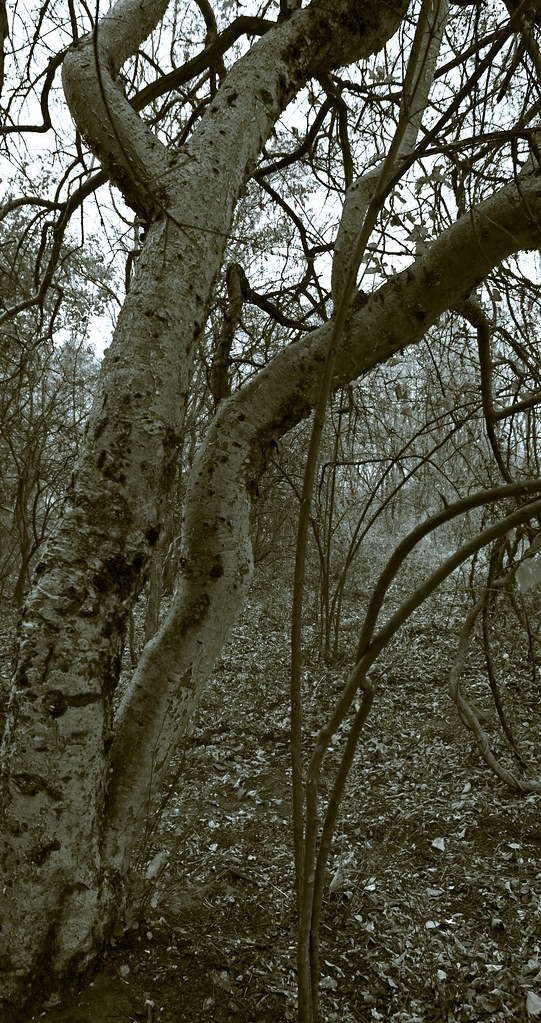
Geographical Overview of Tsodilo Hills
Tsodilo Hills, located in the northwestern part of Botswana, is a UNESCO World Heritage Site renowned for its extraordinary spiritual significance and rich archaeological heritage. Often referred to as the “Louvre of the Desert,” these hills rise dramatically from the surrounding Kalahari landscape, offering a striking geographical feature. The area encompasses multiple hills and valleys, covering approximately 10 square kilometers, and is characterized by its unique rock formations, sandstone ridges, and lush vegetation that support diverse flora and fauna. Tsodilo Hills’ geographical location and distinctive landscape make it a vital site for understanding the cultural and natural history of Botswana.
Location and Topography
Tsodilo Hills, located in the northwestern part of Botswana, is a prominent geological and cultural site renowned for its stunning topography and significance. The hills are part of the Kalahari Desert landscape, offering a unique and striking natural environment that attracts visitors and researchers alike. This area is characterized by a series of rocky outcrops rising dramatically from the surrounding flat plains, creating a landscape rich in geological history and cultural heritage.
- Location: Tsodilo Hills is situated in the Ngamiland District of Botswana, near the border with Namibia.
- Topography: The hills consist of four main complexes—Male Hill, Female Hill, Northern Hill, and Disk Hill—rising up to 400 meters above the surrounding terrain.
- Physical Features: The topography includes steep rocky cliffs, deep caves, and expansive granite outcrops, interspersed with flats and dry riverbeds.
- Geological Composition: The hills are primarily composed of Precambrian granite and gneiss, shaped by millions of years of geological processes.
- Elevation: The highest points reach approximately 1,207 meters above sea level, offering panoramic views of the surrounding desert landscape.
Climate and Environment
Tsodilo Hills, located in Botswana, is a UNESCO World Heritage Site renowned for its stunning geological formations and rich cultural history. The hills rise dramatically from the Kalahari Desert plain, presenting a captivating landscape characterized by massive granite boulders and ancient rock art. The area covers approximately 20 square kilometers and is considered a sacred site by the local San people, who have inhabited the region for thousands of years.
The climate of Tsodilo Hills is semi-arid, with hot temperatures during the summer months and cooler conditions in winter. Rainfall is scarce, averaging around 250 to 400 millimeters annually, primarily falling during the summer season from November to March. The environment in the region supports sparse vegetation adapted to dry conditions, including drought-resistant shrubs and grasses. Despite the arid climate, the site sustains diverse wildlife, including species such as oryx, springbok, and cheetahs, which have adapted to the harsh environment. The combination of its unique geological features and resilient ecosystem makes Tsodilo Hills a significant area for both ecological and cultural preservation in Botswana.
Historical and Cultural Significance
Tsodilo Hills in Botswana is a site of profound historical and cultural significance, recognized as a UNESCO World Heritage Site. This remarkable location is renowned for its ancient rock art, which offers invaluable insights into the lives and beliefs of early inhabitants. As a symbol of spiritual and cultural identity for the local San people, Tsodilo Hills embodies over 100,000 years of human history and continues to inspire awe and reverence among visitors and researchers alike.
Ancient Human Habitation
The Tsodilo Hills in Botswana hold immense historical and cultural significance as a UNESCO World Heritage Site and a symbol of ancient human habitation. These hills are often referred to as the “Louvre of the Desert” due to their rich collection of rock art, with over 4,500 individual paintings that date back thousands of years. The artwork provides valuable insights into the spiritual beliefs, rituals, and daily lives of early human societies that once inhabited the region. The site has been a sacred place for local communities for centuries, serving as a spiritual center and site of ritual significance. Archaeological findings at Tsodilo Hills indicate that the area was inhabited by early humans who relied on the surrounding natural resources, and it continues to be an important site for understanding the prehistoric culture and history of southern Africa. The hills therefore serve as a testament to human resilience, creativity, and spiritual expression throughout history.
Spiritual and Sacred Sites
Tsodilo Hills in Botswana hold profound historical and cultural significance, often referred to as the “Louvre of the Desert” due to its rich collection of prehistoric rock art. These hills have been a sacred site for the local way of life for thousands of years, serving as a spiritual hub for various indigenous communities. The rock paintings depict hunting scenes, spiritual symbols, and rituals, offering invaluable insights into the life and beliefs of ancient peoples. As a designated UNESCO World Heritage Site, Tsodilo Hills is recognized for its importance in understanding human history and cultural expression. The site continues to be a place of spiritual reverence, where local communities and visitors alike connect with the sacred heritage embedded within its ancient landscapes, embodying a timeless link between past and present.
Role in Botswana’s Cultural Heritage
The Tsodilo Hills in Botswana hold immense historical and cultural significance, serving as a symbol of the nation’s rich heritage and spiritual identity. Recognized as a UNESCO World Heritage Site, these hills are revered as a sacred place by the local San people and other indigenous communities, acting as a cultural landmark that preserves ancient traditions and beliefs.
- They contain over 4,000 ancient rock art paintings, dating back thousands of years, which illustrate the spiritual and daily life of early inhabitants.
- The site is considered a spiritual hub, believed to be the dwelling place of ancestral spirits and gods by indigenous groups, playing a crucial role in their religious practices and rituals.
- Tsodilo Hills serve as a tangible link to Botswana’s distant past, offering insights into prehistoric artistry, social organization, and cultural evolution.
- The preservation of these sites helps maintain the cultural identity of local communities, fostering a sense of pride and continuity in their heritage.
- Historically, the Hills have been a gathering place for indigenous tribes, contributing to oral histories and cultural traditions that are still passed down today.
Archaeological and Rock Art Discoveries
The Tsodilo Hills in Botswana are renowned for their extraordinary archaeological and rock art discoveries, attracting scholars and visitors alike. These ancient sites offer a captivating glimpse into the spiritual and cultural practices of early human societies. Recognized as a UNESCO World Heritage Site, the hills contain thousands of rock paintings that date back thousands of years, making them one of the most significant repositories of prehistoric art in Africa.

Types of Rock Art
The Tsodilo Hills in Botswana are renowned for their exceptional archaeological and rock art discoveries, which provide insights into ancient human history and culture. These hills are often referred to as the “Louvre of the Desert” due to the extensive collection of artwork found there. The site includes over 4,500 individual rock paintings and engravings, dating back thousands of years, created by early inhabitants of the region. These artworks depict hunting scenes, animals, human figures, and symbolic designs that reveal the spiritual and daily life of the people who once lived in the area.
There are different types of rock art present in Tsodilo Hills, primarily consisting of pictographs and petroglyphs. Pictographs are paintings created with natural pigments directly applied to rock surfaces, while petroglyphs involve carvings or engravings made by chipping away the rock surface. The rock art of Tsodilo offers valuable clues about the social structure, beliefs, and environment of ancient communities, making it a UNESCO World Heritage Site and an important location for archaeological study.
Notable Archaeological Findings
The Tsodilo Hills in Botswana are renowned for their extraordinary archaeological and rock art discoveries, making them one of Africa’s most significant cultural sites. These hills are often called the “Louvre of the Desert” because of the extensive collection of ancient rock paintings that depict a wide range of human and animal figures, dating back over 24,000 years.
Scientists have uncovered numerous archaeological findings at Tsodilo Hills, including tools, pottery shards, and evidence of early human habitation. These artifacts provide valuable insights into the lives of the San people and other early inhabitants of the region, highlighting their complex social and spiritual practices.
The notable rock art at Tsodilo Hills features detailed images of animals like elephants, giraffes, and rhinoceroses, as well as depictions of human figures involved in ritualistic activities. These paintings are considered some of the finest examples of prehistoric art, offering a glimpse into the cultural and spiritual world of ancient societies.
Recent discoveries continue to shed light on the significance of Tsodilo Hills as a cultural and archaeological treasure. Ongoing excavations and preservation efforts aim to protect these invaluable sites for future generations while expanding our understanding of early human history in southern Africa.
Preservation Efforts
The Tsodilo Hills in Botswana are renowned for their extraordinary archaeological and rock art discoveries, spanning thousands of years of human history. These hills are often referred to as the “Louvre of the Desert” due to their extensive collection of ancient paintings and carvings created by early inhabitants. The rock art depicts various scenes of daily life, spiritual rituals, and wildlife, providing invaluable insights into the region’s cultural heritage.
Preservation efforts at Tsodilo Hills focus on protecting these fragile artworks from natural weathering, vandalism, and increasing tourist activity. Local authorities, along with international organizations, have implemented measures such as restricted access zones, guided tours, and community education programs to raise awareness about the importance of safeguarding this UNESCO World Heritage Site. Conservation projects also involve detailed documentation and digital archiving to ensure that future generations can study and appreciate the site’s historical significance.
Flora and Fauna of Tsodilo Hills
Tsodilo Hills, located in Botswana, is renowned for its rich and diverse flora and fauna that thrive in this unique environment. The area is home to a variety of plant species, from hardy shrubs to rare orchids, supporting a vibrant ecosystem. Wildlife in Tsodilo Hills includes numerous bird species, small mammals, and insects, which contribute to the ecological balance of this UNESCO World Heritage Site. Exploring the flora and fauna of Tsodilo Hills offers a glimpse into the natural beauty and ecological significance of this historic landscape.
Native Plant Species
The Tsodilo Hills in Botswana are home to a rich diversity of flora and fauna, reflecting their unique ecological significance. Native plant species such as baobab trees, mopane, and acacia are prevalent in the area, providing vital habitats and resources for local wildlife. These plants play a crucial role in maintaining the ecological balance and supporting the traditional lifestyles of nearby communities. The hills are also characterized by a variety of grasses and shrubs that thrive in the semi-arid environment, offering shelter and food for numerous animal species. The region’s flora not only contributes to its scenic beauty but also sustains its vibrant ecosystem, making the Tsodilo Hills a vital natural heritage site in Botswana.

Wildlife Diversity
Tsodilo Hills in Botswana is a remarkable site renowned for its rich flora and fauna, showcasing impressive wildlife diversity. The area is characterized by a mixture of savannah, woodland, and rocky outcrops, providing a variety of habitats for numerous plant and animal species. The flora includes indigenous trees such as mopane, acacia, and baobab, which thrive in the semi-arid environment and support the local ecosystem. These plants offer food and shelter to many animals, fostering a vibrant wildlife community.
In terms of fauna, Tsodilo Hills hosts a wide array of species, including mammals such as wild dogs, cheetahs, and several antelope species like impala and steenbok. The region is also home to a diverse bird population, including raptors, hornbills, and other seasonal migratory birds, which contribute to the area’s ecological richness. Reptiles and insects are abundant, with various lizards, snakes, and beetles adapted to the rocky terrains and dry climate. Overall, Tsodilo Hills is a vital sanctuary that supports a diverse and complex web of life, making it an important natural reserve in Botswana.
Ecological Significance
The Tsodilo Hills in Botswana are renowned for their rich biodiversity, hosting a diverse array of flora and fauna. The area features lush savannahs, woodland, and rocky outcrops that provide habitats for numerous plant and animal species. Indigenous trees such as baobabs, acacias, and mopane dominate the landscape, supporting various insects, birds, and mammals. The hills are particularly important for their role as a habitat for several bird species, including raptors and songbirds, which find nesting sites among the cliffs and trees. Fauna in Tsodilo Hills includes wildlife such as gemsbok, springbok, and predators like lions and hyenas, which rely on the surrounding ecosystem for sustenance. The ecological significance of Tsodilo Hills extends beyond its scenic beauty, as it represents a vital ecological enclave that sustains local biodiversity and contributes to Botswana’s overall environmental health.
Tourism and Visitor Activities
Botswana’s Tsodilo Hills is a renowned UNESCO World Heritage Site that attracts numerous tourists with its rich cultural history and stunning natural beauty. Visitors come to explore the ancient rock art, learn about the fascinating spiritual significance of the area, and enjoy the breathtaking scenic views. The region offers a variety of activities that allow travelers to immerse themselves in the unique heritage and environment of this remarkable place.
Guided Tours and Trekking
Tsodilo Hills in Botswana is a UNESCO World Heritage Site renowned for its rich archaeological significance and stunning landscapes, attracting numerous tourists seeking cultural and natural experiences. Visitors can explore ancient rock art, caves, and sacred sites that tell stories from thousands of years ago.
Guided tours are a popular activity at Tsodilo Hills, offering knowledgeable guides who provide insights into the history, geology, and spiritual importance of the area. These tours often include visits to key spots such as the Devil’s Walk, Nyame, and the various sites adorned with prehistoric paintings.
For those seeking adventure, trekking opportunities abound, with marked trails that lead visitors through diverse terrain. Trekking at Tsodilo Hills allows for close encounters with unique flora and fauna, breathtaking views, and a deeper appreciation of the landscape’s cultural and natural heritage.
Visitor Facilities and Infrastructure
Tsodilo Hills in Botswana is a UNESCO World Heritage Site renowned for its rich cultural heritage and stunning natural beauty, attracting numerous tourists and visitors annually. The area offers a variety of activities that allow visitors to explore its ancient rock art, learn about local history, and enjoy outdoor adventures amidst a remarkable landscape.
- Guided tours of the rock art sites, showcasing thousands of prehistoric paintings created by early inhabitants.
- Hiking trails that lead visitors to different hilltops with panoramic views of the surrounding desert and savannah.
- Cultural visits to local communities to experience traditional music, dance, and crafts.
- Bird watching and wildlife viewing opportunities within the hills’ diverse ecosystem.
Tsodilo Hills is equipped with basic visitor facilities including a visitor center, interpretive signage, and designated parking areas. The site has well-maintained walking paths and trail markers to ensure a safe and informative experience. Infrastructure such as camping sites and accommodations nearby caters to visitors seeking an extended stay, while local guides enhance the visitor experience through educational programs and cultural insights.
Conservation and Sustainability Measures
Tsodilo Hills in Botswana is a UNESCO World Heritage Site renowned for its ancient rock art and cultural significance. Tourism and visitor activities in the area are carefully managed to ensure that they enhance appreciation of the site’s rich history while minimizing environmental impact. Visitors can explore hiking trails, view prehistoric paintings, and learn about the local San people’s heritage in a respectful and sustainable manner.
To balance tourism with conservation, numerous measures have been implemented at Tsodilo Hills. These include regulated access to sensitive sites, designated viewing areas, and educational programs aimed at raising awareness about the importance of preserving the site’s unique archaeological features. Additionally, the local community is involved in conservation efforts, promoting sustainable livelihoods that align with protecting the natural and cultural resources.
Sustainable practices at Tsodilo Hills focus on reducing ecological footprints through eco-friendly accommodations, waste management programs, and responsible tourism initiatives. The site also emphasizes the importance of preserving its biodiversity and supporting initiatives that safeguard both its natural environment and cultural significance for future generations.
Conservation Challenges and Initiatives
Tsodilo Hills in Botswana is a renowned archaeological site and a UNESCO World Heritage Site known for its rich cultural heritage and diverse flora and fauna. However, conservation challenges such as habitat degradation, illegal activities, and climate change threaten the preservation of this unique area. Initiatives led by local communities, government authorities, and international organizations aim to protect and sustainably manage Tsodilo Hills, ensuring its historical and ecological significance endures for future generations.
Threats to the Site
Tsodilo Hills in Botswana faces several conservation challenges that threaten its cultural and natural significance. The site is vulnerable to illegal activities such as poaching, vandalism, and unregulated tourism, which can lead to environmental degradation and damage to ancient rock art. Additionally, nearby mining operations pose a risk of land disturbance and pollution, potentially impacting the site’s archaeological and ecological integrity.
Efforts to address these threats include the implementation of stricter enforcement of protective laws, community-based conservation programs, and awareness campaigns to promote sustainable tourism. The Botswana government, in collaboration with UNESCO and local stakeholders, has established protected status for Tsodilo Hills, aiming to preserve its unique heritage for future generations. Continuous monitoring and community involvement are essential to ensure the long-term preservation of this UNESCO World Heritage Site.
Efforts for Preservation
Tsodilo Hills in Botswana face numerous conservation challenges, including poaching, illegal mining, and habitat degradation due to increasing tourism and anthropogenic activities. These threats threaten the rich archaeological and cultural heritage, as well as the biodiversity of the area. In response, various conservation initiatives have been implemented by the Botswana government, UNESCO, and local communities to protect and preserve this iconic site. Efforts include establishing protected area status, implementing stricter enforcement against illegal activities, and promoting sustainable tourism practices. Additionally, ongoing research and community engagement programs aim to raise awareness about the importance of preserving Tsodilo Hills for future generations. Collaborative efforts continue to be vital in ensuring the preservation of this UNESCO World Heritage Site and its unique cultural and ecological value.
Community Involvement
Conservation challenges in the Tsodilo Hills of Botswana primarily stem from issues such as illegal mining, poaching, and the encroachment of agriculture which threaten the region’s rich cultural and natural heritage. These activities disrupt the delicate ecosystem and threaten the conservation of the numerous archaeological sites and endemic wildlife that inhabit the area. To address these challenges, various initiatives have been implemented by local communities, government agencies, and conservation organizations, including stricter enforcement of protected area regulations and habitat restoration projects. Community involvement plays a crucial role in these efforts, as local residents are actively engaged in sustainable tourism, education programs, and conservation activities that promote awareness and stewardship. This inclusive approach fosters ownership and empowerment among community members, ensuring long-term preservation of the Tsodilo Hills while supporting local livelihoods and cultural heritage conservation.
Future Prospects and Research
Future prospects and research in the area of Botswana’s Tsodilo Hills hold significant promise for uncovering its rich archaeological, geological, and cultural heritage. As one of the world’s most important archaeological sites, Tsodilo Hills offers insights into early human history and the development of rock art. Ongoing and future investigations aim to deepen our understanding of the site’s significance, promote sustainable tourism, and ensure the preservation of its unique natural and cultural resources for generations to come.
Ongoing Archaeological Studies
Future prospects and ongoing archaeological studies in Botswana’s Tsodilo Hills hold great promise for deepening our understanding of the region’s rich cultural and historical significance. Researchers aim to employ advanced technological methods such as 3D scanning, GIS mapping, and remote sensing to uncover hidden sites and decipher ancient artwork more accurately. Continued excavation efforts are expected to reveal new insights into the lives of early inhabitants, their social structures, and their interactions with the environment. Additionally, interdisciplinary collaborations involving archaeologists, anthropologists, and conservators are key to preserving the site’s fragile heritage while expanding the scholarly knowledge base. Future research may also focus on the spiritual and ceremonial importance of the hills, enhancing our comprehension of the cultural practices of ancient communities in Southern Africa.
Potential for Ecotourism
The future prospects for Tsodilo Hills in Botswana are promising, with increasing interest in sustainability and conservation efforts. As awareness of the cultural and natural significance of the site grows, there is potential to develop ecotourism initiatives that emphasize responsible travel and community involvement. Research in this area can further uncover the archaeological and ecological values of Tsodilo Hills, enhancing its global profile and attracting a broader audience.
Potential for ecotourism in Tsodilo Hills lies in leveraging its unique heritage and diverse ecosystems. By promoting eco-friendly tourism practices, local communities can benefit economically while preserving the site’s integrity. Continued research can also identify new archaeological sites and fauna, providing deeper insights that can inform conservation policies and visitor experiences. Overall, sustainable development strategies and ongoing scientific exploration can ensure that Tsodilo Hills remains a vibrant destination for future generations.
Collaborations and Funding Opportunities
Future prospects and research opportunities at Tsodilo Hills in Botswana are incredibly promising, given its rich archaeological, geological, and ecological significance. Ongoing and future studies aim to deepen understanding of the region’s ancient human history, rock art, and unique biodiversity, which can contribute to both academic knowledge and sustainable tourism development. Collaboration among local researchers, international experts, and governmental agencies will be essential to unlock the site’s full potential.
Furthermore, partnerships with cultural institutions and conservation organizations could enhance preservation efforts and promote responsible tourism that benefits local communities. Funding opportunities are increasingly available through UNESCO initiatives, conservation grants, and international archaeological funding bodies, fostering multidisciplinary research projects. These collaborative efforts and financial support avenues will play a crucial role in ensuring the sustainable exploration and protection of Tsodilo Hills for future generations.




0 Comments