
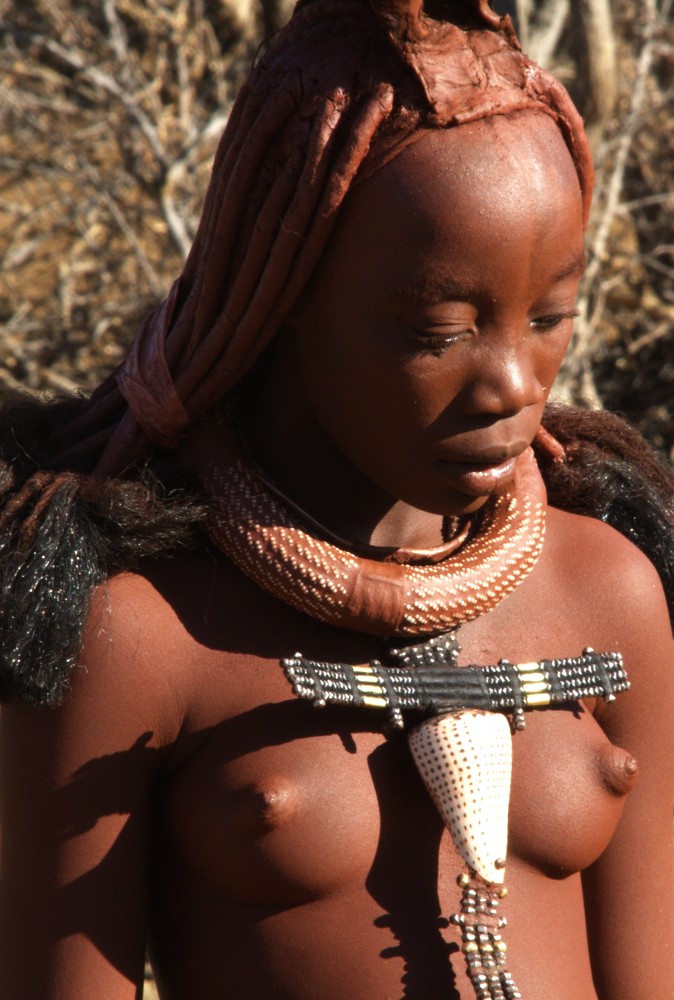
Traditional Namibia Cuisine
Traditional Namibian cuisine reflects the rich cultural diversity and history of the country, blending indigenous ingredients with influences from neighboring regions. With flavors shaped by desert landscapes and vibrant local communities, Namibian food offers a unique culinary experience characterized by hearty dishes and flavorful spices. This cuisine plays a vital role in preserving cultural heritage and bringing people together through shared meals and traditions.
Popular Dishes and Ingredients
Traditional Namibian cuisine reflects the rich cultural diversity and geographical landscape of the country. It incorporates a variety of ingredients and cooking methods that have been passed down through generations, showcasing the influence of indigenous tribes as well as colonial history. Namibia’s dishes often emphasize hearty, flavorful, and locally sourced ingredients.
Popular dishes in Namibia include kapana, which is grilled meat typically prepared from beef or goat and seasoned with local spices. Another well-loved dish is potjiekos, a slow-cooked stew made in a cast-iron pot containing meat, vegetables, and herbs, often enjoyed during social gatherings. Oshifima, a traditional porridge made from millet or maize, serves as a staple food often accompanied by meat or vegetable stews. Fish, particularly from the Atlantic Ocean, is also common, especially along the coastal regions.
Common ingredients used in Namibia’s cuisine include beef, goat, maize, millet, sorghum, beans, and a variety of vegetables such as onions and tomatoes. Spices and herbs like garlic, paprika, and local seasonings add flavor to dishes. Traditional methods of preparation emphasize grilling, boiling, and slow-cooking, which help retain the flavors and nutritional value of the ingredients. These culinary traditions are an integral part of Namibia’s cultural identity, offering a taste of the country’s history and diverse communities.
Cooking Techniques and Food Preparation
Traditional Namibian cuisine reflects the rich cultural diversity and agricultural heritage of the country. It features a variety of hearty dishes made from locally available ingredients such as maize, millet, fish, and game meats. Food preparation often involves simple, time-honored techniques like boiling, grilling, and fermentation, which help retain the natural flavors of ingredients.
Cooking techniques in Namibia emphasize communal preparation and sharing. For example, the popular dish called “kapana” involves grilling pieces of meat over open flames, allowing the flavors to develop through direct heat. Maize porridge, known as “oshifima” or “pap,” is traditionally prepared by boiling maize meal until it thickens into a smooth, dough-like consistency. Fermentation plays a role in preparing traditional beverages such as “oma campaigns,” a fermented porridge made from millet or sorghum, which is enjoyed during special occasions.
Food presentation and preparation are often deeply rooted in cultural practices, with dishes served in a way that fosters community and family bonds. Spices and herbs are used minimally, allowing the natural flavors to shine. Overall, Namibian cuisine emphasizes resourcefulness, sustainability, and a deep connection to traditional methods passed down through generations.
Influences from Indigenous and Colonial Flavors
Traditional Namibian cuisine reflects a rich blend of indigenous flavors and colonial influences, creating a diverse culinary landscape. The indigenous peoples, such as the Herero, Himba, and Owambo, contribute unique ingredients and cooking methods, emphasizing hearty stews, roasted meats, and porridge made from millet and sorghum. These flavors are often complemented by wild herbs and locally available vegetables, highlighting a deep connection to the land. Colonial influences, primarily from German and South African settlers, introduced bread, sausages, and baked goodies, which have seamlessly integrated into traditional dishes. Spices and techniques brought by colonizers add layers of flavor and variety, making Namibian cuisine a vibrant tapestry of history and culture. This culinary fusion demonstrates the resilience and adaptability of the Namibian people, celebrating their heritage while embracing new tastes and methods.
Music and Dance in Namibia
Music and dance are vibrant and essential elements of Namibia’s rich cultural heritage. They serve as powerful expressions of identity, community bonding, and traditional storytelling. Across the diverse regions of Namibia, various forms of music and dance reflect the country’s ethnic diversity and historical influences, from the lively rhythms of the Himba to the energetic moves of the Herero. These artistic traditions continue to thrive, preserving age-old customs while also embracing contemporary influences.
Traditional Music Styles
Music and dance play a vital role in Namibia’s rich cultural heritage, serving as a means of storytelling, social bonding, and preserving traditions among various ethnic groups. Traditional music styles reflect the diverse identities and histories of Namibia’s communities, often intertwined with communal celebrations and rituals.
Some of the prominent traditional music styles in Namibia include:
- Oviritje: Popular among the Ovawambo and Kavango peoples, this style combines singing with dance, often performed during festivities and cultural events.
- Homemade Instruments: Instruments such as the ukulele, drum, and thumb piano (mbira) are commonly used to produce rhythmic and melodic sounds integral to traditional performances.
- Festival Music: Many communities have specific songs and dances performed during traditional ceremonies, marriage rituals, and harvest festivals.
Traditional dances are often characterized by energetic movements, colorful attire, and community participation, serving to reinforce social bonds and cultural identity. Overall, Namibian music and dance form a vital expression of its diverse cultural tapestry, showcasing the unique heritage of its people.
Famous Dance Forms and Their Significance
Music and dance are vital components of Namibian culture, serving as expressions of identity, tradition, and social cohesion. They reflect the diverse ethnic groups and histories within the country, often performed during festivals, rituals, and community gatherings. Through these artistic forms, Namibians preserve their heritage and pass down stories, customs, and values to future generations.
One of the most renowned dance forms in Namibia is the Ohalundu dance, performed by the Ovambo people during celebrations and ceremonies. This dance features synchronized movements and vibrant costumes, symbolizing unity and ancestral respect. The !Kung community is also known for its rhythmic stick dances that accompany hunting rituals and rites of passage, emphasizing cooperation and community bonds.
Another significant dance is the Herero and Himba dances, which showcase graceful movements and traditional attire, serving to honor their history and cultural identity. These dances often have deep spiritual significance, acting as a bridge between the living and their ancestors. Music and dance in Namibia not only entertain but also reinforce social values, spiritual beliefs, and cultural continuity across generations.
Roles of Music and Dance in Cultural Events
Music and dance play a vital role in Namibia’s rich cultural heritage, serving as essential elements of community life and social expression. They are integral to various cultural events, celebrations, and ceremonies, helping to strengthen social bonds and preserve traditions across different ethnic groups. In Namibia, music and dance are often associated with storytelling, rituals, and ceremonies such as initiations, weddings, and harvest festivals, where they symbolize unity and cultural identity.
During cultural events, traditional music and dance performances provide a platform for showcasing ancestral stories, history, and values. These performances often involve specific musical instruments like drums, mbiras, and fiddles, alongside energetic dancing that reflects the rhythms and movements unique to each ethnic community. Music and dance are also used to honor ancestors and celebrate life milestones, allowing communities to pass down cultural knowledge to younger generations. Overall, they serve as a vital means of cultural expression, fostering pride and continuity within Namibia’s diverse society.
Art and Craftsmanship
Art and craftsmanship are integral aspects of Namibia’s rich cultural heritage, reflecting the diverse traditions and skills passed down through generations. These crafts embody the unique identity of various Namibian communities, showcasing intricate designs, vibrant colors, and meaningful symbolism. Through their artistry, Namibians preserve their history, beliefs, and social values, making craftsmanship a vital expression of their cultural spirit.
Traditional Handicrafts and Art Forms
Namibia’s rich cultural heritage is deeply rooted in its traditional arts and craftsmanship, reflecting the diverse communities that inhabit the region. Handicrafts such as intricate beadwork, woven baskets, and carved wooden figures showcase the artistic skills passed down through generations. Art forms like folk dances, music, and storytelling also play a vital role in preserving cultural identity, often expressed through vibrant costumes and rhythmic performances. These traditional art forms not only serve as a means of cultural expression but also contribute to the local economy through tourism and artisan markets. By maintaining and revitalizing these handcrafted techniques and artistic traditions, Namibia celebrates its unique cultural diversity and ensures that its ancestral art continues to thrive in modern times.
Use of Local Materials and Techniques
Namibia’s culture is deeply rooted in its rich traditions of art and craftsmanship, which reflect the diverse backgrounds of its indigenous communities. Artisans in Namibia excel in creating vibrant beadwork, intricate basketry, and compelling wood carvings that showcase their cultural stories and beliefs. The use of local materials such as ostrich eggshells, natural dyes, and native woods highlights a sustainable approach to craftsmanship, emphasizing harmony with the environment. Techniques are often passed down through generations, maintaining authenticity and a strong connection to traditions. These artisanal practices not only preserve Namibia’s unique cultural identity but also serve as a vital source of livelihood and pride for its people.
Significance of Art in Cultural Identity
Art and craftsmanship play a vital role in shaping Namibia’s rich cultural identity, reflecting the diverse traditions and histories of its many communities. Traditional crafts such as basket weaving, beading, pottery, and wood carving are more than mere artistic expressions; they serve as a means of preserving cultural knowledge and passing down ancestral stories from generation to generation. These art forms foster a sense of belonging and pride among Namibians, reinforcing their unique cultural heritage in a rapidly changing world.
The significance of art in Namibia extends beyond aesthetics to serve practical and ceremonial purposes, often linked to social rituals, spiritual beliefs, and community gatherings. Handcrafted items like jewelry and textiles incorporate symbols and motifs that convey cultural values, social status, and identity. This artistry not only sustains local economies but also acts as a bridge connecting Namibia’s past with its present, ensuring the survival of their cultural narratives.
Moreover, Namibian art is crucial in promoting cultural awareness both within the country and internationally. It showcases Namibia’s distinctive identity, attracting tourism and fostering intercultural dialogue. By valuing and preserving traditional craftsmanship, Namibia celebrates its diverse cultural landscape and emphasizes the importance of cultural integrity in a globalized society.
Clothing and Attire
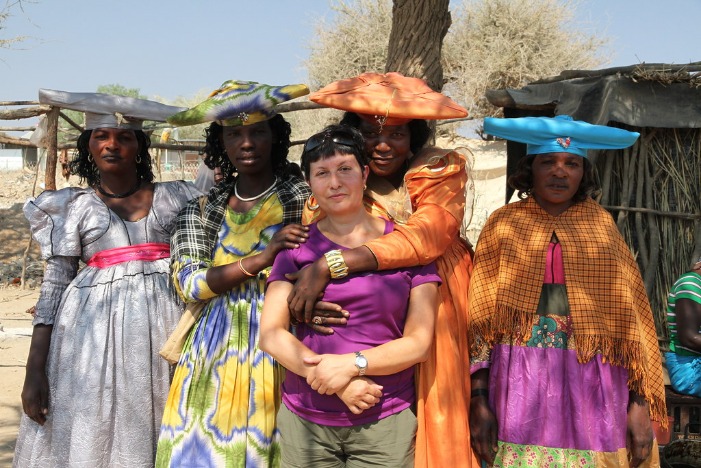
Clothing and attire play a significant role in reflecting Namibia’s rich cultural diversity and heritage. Traditional garments showcase the unique customs, traditions, and identities of various ethnic groups across the country. From vibrant, patterned fabrics to intricate beadwork, Namibian attire embodies both cultural pride and historical significance, offering a glimpse into the vibrant tapestry of Namibian culture.
Traditional Clothing Styles
Traditional clothing in Namibia reflects the diverse cultural heritage of its many ethnic groups. Each community has distinctive styles, fabrics, and adornments that are significant to their identity and history. For instance, the Himba people are renowned for their unique attire, featuring elaborate leather skirts, intricate jewelry, and the use of ochre and herbal mixtures to adorn their skin and hair. The Herero women traditionally wear long, flowing Victorian-style dresses paired with headpieces resembling horns, symbolizing cattle herds, which are vital to their culture. The OvaHerero and Damara also have their specific traditional garments that highlight their cultural traditions. These clothing styles are often worn during cultural ceremonies, festivals, and special occasions, serving as a visual representation of Namibia’s rich cultural tapestry. Traditional attire remains an important aspect of cultural expression and identity among the various groups in Namibia, preserving their customs and heritage for future generations.
Adornment and Jewelry
Clothing and attire, adornment, and jewelry play a significant role in Namibian culture, reflecting the diverse traditions and identities of its various ethnic groups. Traditional dress varies among communities, showcasing unique fabrics, patterns, and accessories that symbolize social status, tribe, and occasions.
- Many Namibian tribes, such as the Himba, are known for their distinctive red ochre body paint and elaborately decorated attire, which includes skirts, beads, and jewelry made from shells, bones, and metals.
- Among the Herero people, women wear long, Victorian-inspired dresses with vibrant colors and headpieces that resemble a cow’s horns, representing cattle herding importance in their culture.
- The San community, historically hunter-gatherers, wear minimal clothing suited to the hot climate, with adornment through body painting and jewelry crafted from natural materials like stones and animal parts.
- Jewelry in Namibia often signifies social and cultural identity, with items such as beaded necklaces, earrings, and bracelets featuring prominently in traditional attire.
- Metal embellishments and decorative items are used during festivals, ceremonies, and rituals to enhance beauty and symbolize cultural heritage.
- Modern clothing styles are increasingly blending traditional elements, especially during cultural celebrations, allowing Namibians to honor their roots while adopting contemporary fashion trends.
Cultural Significance of Attire
Clothing and attire in Namibia reflect the rich cultural diversity and traditions of its various ethnic groups. Traditional garments often carry deep cultural significance, representing identity, social status, and connection to ancestral roots. For example, the Himba people are known for their distinctive ochre-colored skin and intricate headdresses, symbolizing beauty and cultural pride. The Herero women wear Victorian-inspired dresses adorned with colorful patterns, which pay homage to their history and heritage. In many Namibian communities, specific attire is reserved for ceremonial occasions, such as weddings, rites of passage, and festivals, serving as visual markers of cultural continuity and communal unity. Overall, clothing in Namibia is not merely functional but a vital expression of cultural identity and tradition, bridge between past and present that shapes societal values and community cohesion.
Language and Oral Traditions
Namibia’s rich cultural heritage is deeply rooted in its diverse languages and oral traditions. These oral practices serve as vital vessels for preserving history, values, and communal identities across various indigenous communities. Through storytelling, songs, and rituals, Namibian culture transcends generations, fostering unity and cultural continuity in the face of modern changes.
Indigenous Languages and Their Usage
Namibia’s rich cultural heritage is deeply connected to its diverse indigenous languages and oral traditions, which serve as vital expressions of identity and history. These languages and stories are essential for preserving the unique customs, beliefs, and history of various indigenous communities such as the Himba, Herero, Damara, and San people.
- Many indigenous groups in Namibia utilize oral traditions to pass down myths, legends, and historical events from generation to generation, maintaining a strong cultural continuity.
- Languages like Nama, Oshiwambo, Herero, and San languages are actively spoken within communities, often alongside official languages such as English.
- Oral storytelling, music, and dance play a crucial role in ceremonies, rites of passage, and communal gatherings, reinforcing social bonds and cultural identity.
- Efforts are underway to preserve and promote indigenous languages through education and cultural programs, recognizing their importance in Namibia’s national heritage.
Storytelling and Folklore
Namibia’s culture is rich and diverse, heavily influenced by a variety of ethnic groups and their oral traditions. Language plays a central role in preserving and transmitting stories, folklore, and cultural values across generations. The many indigenous languages spoken in Namibia, such as Oshiwambo, Herero, Nama, and Damara, serve as vital tools for storytelling and cultural expression. These oral traditions often take the form of folktales, proverbs, songs, and rituals that convey moral lessons, historical events, and societal norms.
Storytelling in Namibia is a communal activity that fosters social cohesion and cultural identity. Elders and storytellers use vivid language, gestures, and sometimes music to captivate their audiences and ensure that cultural knowledge is passed down accurately. Folklore, including myths, legends, and fairy tales, provides insight into the beliefs, values, and historical experiences of the Namibian people. Through these narratives, they preserve their heritage and share their worldview with younger generations, maintaining a strong link to their cultural roots.
Overall, language and oral traditions are fundamental to Namibia’s cultural fabric, serving as a repository of history, morality, and communal identity that continues to thrive amidst a rapidly modernizing society.
Role of Oral Traditions in Preserving History
Oral traditions play a vital role in preserving the rich cultural history of Namibia, especially among its diverse indigenous communities. Through storytelling, songs, and oral histories, these traditions transmit important cultural values, beliefs, and historical events across generations without the need for written records.
- In Namibia, many ethnic groups such as the Himba, Herero, and Nama rely on oral traditions to pass down their legends, customs, and ancestral knowledge.
- These traditions help maintain a strong sense of identity and continuity, preserving the unique character of each community’s history and practices.
- Oral storytelling is often performed during communal gatherings, festivals, and rituals, reinforcing social bonds and cultural pride.
- Historically, oral traditions have served as a primary method for recording significant events, leadership lineage, and environmental knowledge, especially in societies with limited written language.
- In contemporary Namibia, efforts are being made to document and respect oral histories to ensure that these vital cultural expressions are preserved for future generations.
Festivals and Celebrations
Festivals and celebrations play a vital role in Namibia’s rich and diverse culture, serving as a way for communities to come together and honor their traditions. These events often showcase vibrant music, dance, traditional rituals, and colorful attire, reflecting the unique heritage of various ethnic groups in the country. Through festivals, Namibians celebrate their history, cultural identity, and the unity that binds their society.
Major Cultural Festivals
Namibia’s culture is rich and vibrant, celebrating a variety of festivals and events that showcase its diverse heritage. Major cultural festivals play a significant role in preserving traditions and fostering community spirit among the various ethnic groups in the country.
one of the most prominent festivals is the Otjize Festival, which highlights the traditions of the Himba people, known for their distinctive red ochre body paint and intricate hairstyles. this festival offers visitors a glimpse into their unique customs and practices.
another notable celebration is the Dabeli Festival, observed by the Herero community, featuring colorful parades, traditional dance, and dress. it serves as a platform to honor their history and identity.
The Namibia Annual Craft Market also stands out as a major event, showcasing indigenous crafts, music, and dance from different regions, promoting cultural exchange and economic development.
Festivals like these not only strengthen cultural ties but also attract tourists, providing opportunities for cultural education and preservation of Namibia’s diverse cultural landscape.
Traditional Rituals and Ceremonies
Namibia’s culture is rich and diverse, with festivals and celebrations playing a vital role in preserving its traditions. These events often highlight the country’s varied ethnic groups, including the Himba, Herero, Nama, and others. Celebrations like the Herero Day commemorate historical milestones and honor cultural heritage, featuring traditional dances, attire, and music. Many festivals are rooted in traditional rituals and ceremonies that mark important life events, spiritual practices, and seasonal changes. For example, the Ovatue Ceremony among the Ovambo people celebrates the initiation of youth into adulthood through dance, music, and communal gatherings. These rituals foster community bonding and ensure the passing down of cultural knowledge from generation to generation. Overall, Namibia’s festivals and rituals serve as a vibrant expression of its cultural identity and collective history.
Community Involvement and Cultural Expression
Namibia’s culture is rich and diverse, reflected vividly through its festivals, celebrations, community involvement, and cultural expressions. These events showcase the unique traditions of various indigenous groups, fostering a sense of unity and pride among communities while also sharing Namibia’s cultural heritage with visitors.
Festivals and Celebrations
Namibia hosts a variety of festivals that highlight traditional music, dance, and rituals. One notable celebration is the Owela Festival, which celebrates the traditional board game game Owela, accompanied by music and craft displays. The Himba people celebrate Nama Hage, a festival marking the beginning of the harvest season with dances and communal feasting. These festivals serve to preserve cultural identity and promote tourism.
Community Involvement
Community involvement is central to Namibia’s cultural life. Many festivals and events are organized by local communities, emphasizing participation and social cohesion. Women’s groups often arrange craft markets, while youth organizations perform traditional dances, passing cultural knowledge to younger generations. Community-driven initiatives help sustain local traditions and foster a sense of belonging.
Cultural Expression
- Music and Dance: Traditional music, performed with instruments like the sanatja and drums, plays an important role in celebrations, storytelling, and rites of passage.
- Art and Craft: Handicrafts such as basketry, beadwork, and pottery reflect Namibia’s diverse cultural influences and are often sold at markets and festivals.
- Language and Oral Traditions: Indigenous languages like Oshiwambo, Herero, and Nama are preserved through storytelling, poetry, and proverbs, reinforcing cultural identity.
Social Structure and Cultural Values
Namibia’s culture is deeply rooted in its social structure and shared values, which shape the daily lives and interactions of its diverse communities. Understanding these social frameworks provides insight into how Namibians maintain their traditions, uphold community ties, and navigate contemporary influences. The interplay of social hierarchy, roles, and cultural beliefs creates a unique societal fabric that reflects the country’s rich heritage and collective identity.
Family and Clan Systems
Namibia’s social structure and cultural values are deeply rooted in its diverse communities, each with unique family and clan systems that shape social interactions and community life. Family units are considered the cornerstone of society, emphasizing kinship ties, loyalty, and mutual support. Clan organizations play a significant role in maintaining cultural identity, social order, and inheritance rights, often dictating marriage practices and leadership roles within communities. Respect for elders, hierarchical relationships, and communal decision-making are central to Namibia’s social fabric. These structures foster a sense of belonging and continuity, ensuring that cultural traditions and values are passed down through generations, thus preserving Namibia’s rich cultural heritage amid modern influences.
Respect and Hospitality Customs
Namibia’s culture is deeply rooted in its diverse social structures and rich cultural values, reflecting the many ethnic groups that inhabit the country. The social fabric is characterized by close-knit communities where family bonds and communal relationships play a central role in daily life. These structures often emphasize collective well-being, mutual support, and respect for elders, which are fundamental to maintaining social harmony.
Respect is a vital aspect of Namibian society, demonstrated through polite interactions, honor for tradition, and reverence for ancestors. Elders are highly respected, and their opinions hold significant weight within the community. This cultural value fosters a sense of stability and continuity, ensuring that customs and traditions are preserved across generations.
Hospitality is a hallmark of Namibian culture, with visitors often greeted warmly and treated with generosity. Offering food, drink, and assistance to guests is seen as a moral duty and a sign of good manners. Various customs and rituals accompany hospitality, such as traditional dances, music, and storytelling, which serve to strengthen social bonds and showcase the country’s diverse cultural heritage.
Role of Elders and Leadership
In Namibia’s culture, social structure and cultural values are deeply rooted in community cohesion and respect for tradition. The society is often organized around extended family networks and kinship ties, which play a crucial role in maintaining social order and mutual support. Elders are highly revered for their wisdom and experience, serving as custodians of cultural knowledge and moral guidance. Their authority is recognized within families and communities, influencing decision-making processes and conflict resolution. Leadership roles are typically based on age, wisdom, and respect, rather than purely on formal titles, emphasizing the importance of experience and moral authority. This respect for elders helps preserve cultural heritage and ensures the continuity of indigenous customs and practices, fostering a strong sense of identity and social harmony across Namibia.



0 Comments