
Overview of Namibia Airports
Namibia is home to a well-developed network of airports that serve as vital gateways to this scenic country. These airports facilitate domestic and international travel, connecting Namibia to the world and supporting its tourism industry. From modern international hubs to regional airports, Namibia’s aviation infrastructure plays a crucial role in fostering economic growth and providing access to its diverse attractions.
Major International Airports
Namibia is served by several airports that facilitate both domestic and international travel, with a focus on key gateway points for visitors and cargo. The major airports in Namibia are strategically located to support tourism, business, and logistical needs across the country.
Major international airports in Namibia include:
- Hosea Kutako International Airport (WDH) – Located near Windhoek, it is the primary gateway for international travelers visiting Namibia.
- Walvis Bay Airport (WVB) – Serving the coastal city of Walvis Bay, it handles both domestic and limited international flights.
- Eros Airport – A smaller airport within Windhoek primarily used for domestic flights and air taxi services.
These airports are equipped with modern facilities and are vital for Namibia’s connectivity to the world, supporting tourism, trade, and economic development.
Domestic Airports and Airfields
Namibia is home to a number of airports and airfields that facilitate domestic and international travel across the country. The primary international gateway is Hosea Kutako International Airport, located near Windhoek, which handles most international flights into Namibia. Another significant airport is Walvis Bay Airport, serving the coastal city of Walvis Bay, primarily for regional and cargo flights. Swakopmund Airport functions mainly for chartered and private flights, supporting tourism and local needs.
Besides these major international airports, Namibia boasts several domestic airports and airfields that connect remote regions and support economic activities such as mining, tourism, and local transportation. These include Ondangwa Airport, located in the northern part of the country, and Rundu Airport in the northeastern region. Many smaller airstrips and airfields are scattered throughout Namibia, facilitating access to rural communities and for aerial activities such as charter flights, sightseeing, and emergency services.
Overall, Namibia’s network of airports and airfields plays a crucial role in maintaining connectivity within the country and with the outside world, supporting economic growth, tourism, and regional development.
Key Airport Facilities and Services
Namibia hosts several airports that serve as vital gateways for international and domestic travel, reflecting the country’s expanding aviation infrastructure. These airports are crucial for tourism, trade, and transport, connecting Namibia to the world and facilitating economic development.
The primary airport in Namibia is Hosea Kutako International Airport, located near Windhoek. It features modern facilities including passenger terminals, customs, immigration services, and diverse shopping and dining options. The airport also offers cargo handling, aircraft maintenance, and refueling services, supporting both passenger traffic and freight operations.
Walvis Bay Airport is another significant facility, primarily serving regional flights and complementing the main international gateway. It provides essential passenger services, baggage handling, and aircraft parking facilities suitable for the region’s needs.
Other airports, such as Eros Airport in Windhoek, serve domestic routes, business flights, and private charters. They typically feature basic amenities such as waiting lounges, security checks, and ground handling services to ensure smooth operations.
Overall, Namibia’s airports offer comprehensive facilities and services including baggage handling, customs and immigration, passenger lounges, aircraft maintenance, and ground support, aiming to provide travelers with safe, efficient, and comfortable journeys across the country and beyond.
Hosea Kutako International Airport
Hosea Kutako International Airport is Namibia’s largest and busiest airport, serving as a key gateway to the country. Located near the capital city of Windhoek, it plays a vital role in connecting Namibia to international destinations across Africa, Europe, and beyond. The airport is named after Hosea Kutako, a prominent Namibian nationalist and independence leader, reflecting its significance in the nation’s history and development.
Location and Accessibility
Hosea Kutako International Airport is the main gateway to Namibia, situated approximately 45 kilometers east of Windhoek, the capital city. It serves as the country’s primary international airport, offering connections to various destinations across Africa, Europe, and beyond.
The airport is easily accessible from Windhoek via well-maintained roads, including the B6 highway, which provides a direct route to the city center. Transportation options include rental cars, taxis, and shuttle services, making it convenient for travelers to reach their desired locations within Namibia. Its strategic location and efficient transport links ensure smooth access for both international visitors and domestic travelers.
Facilities and Passenger Services
Hosea Kutako International Airport, located near Windhoek, Namibia, is the country’s main gateway for international travelers. The airport offers a range of facilities and passenger services to ensure a comfortable and convenient experience for all travelers. Passengers can enjoy modern terminal amenities including comfortable seating areas, information counters, and duty-free shops. There are several restaurants and cafes providing diverse culinary options, as well as banking services and currency exchange facilities. The airport is equipped with advanced security systems and customs services to facilitate smooth passage through immigration. Additional services such as baggage handling, lost and found, and medical assistance are readily available. For travelers with special needs, the airport provides accessible facilities and assistance. Free Wi-Fi is available throughout the terminal, allowing passengers to stay connected. Overall, Hosea Kutako International Airport combines efficient service with a welcoming environment, supporting Namibia’s growing tourism sector.
Airlines and Destinations
Hosea Kutako International Airport is Namibia’s primary international gateway, located near Windhoek, the capital city. It serves as a hub for several airlines and offers a variety of destinations both within Africa and internationally. The airport plays a crucial role in connecting Namibia to the world, facilitating tourism and trade.

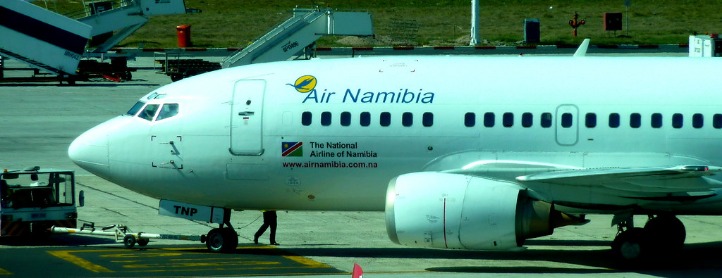
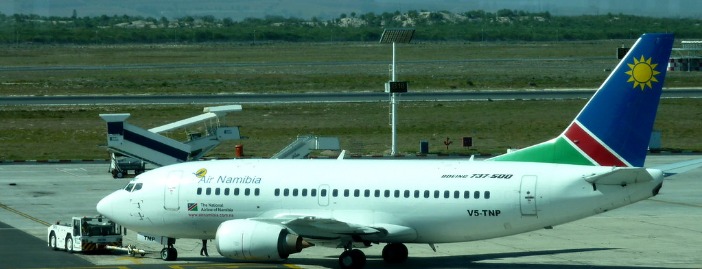
Several airlines operate at Hosea Kutako International Airport, including Air Namibia, Ethiopian Airlines, Kenya Airways, South African Airways, and Airlink. These airlines provide flights to numerous destinations across Africa, as well as to Europe and other international locations.
Key destinations served from Hosea Kutako International Airport include:
- Johannesburg, South Africa
- Cape Town, South Africa
- Walvis Bay, Namibia
- Luxembourg City, Luxembourg (seasonal charter)
- London, United Kingdom
- Addis Ababa, Ethiopia
Walvis Bay Airport
Walvis Bay Airport is a key gateway to Namibia, serving the coastal city of Walvis Bay. It plays an important role in facilitating regional travel and cargo transportation. With its strategic location, the airport supports both commercial and private flights, contributing to Namibia’s tourism and economic development.
Role in Regional Connectivity
Walvis Bay Airport plays a crucial role in enhancing regional connectivity within Namibia and neighboring countries. It serves as a key transportation hub for both passenger and freight flights, facilitating the movement of goods and people between Namibia and southern Africa. The airport’s strategic location near the Atlantic coast allows for better access to international markets and supports the development of tourism, fishing, and industrial activities in the region. Additionally, Walvis Bay Airport contributes to economic growth by promoting trade and investment opportunities through improved connectivity.
Facilities and Operations
Walvis Bay Airport, located in Namibia, serves as a key transportation hub for the coastal region. It primarily handles domestic flights, connecting Walvis Bay with Windhoek and other regional destinations. The airport features essential facilities including a well-maintained runway, passenger terminal, baggage handling, and basic amenities to ensure smooth operations for travelers. Operations at Walvis Bay Airport are managed efficiently, with a focus on supporting both commercial and cargo flights, facilitating regional trade and tourism. The airport’s strategic location and infrastructure make it an important gateway for visitors and freight moving in and out of Namibia.
Tourism and Cargo Services
Walvis Bay Airport, located in Namibia, serves as a vital gateway for both tourism and cargo transportation in the region. Its strategic position near the coastal city of Walvis Bay allows it to facilitate easy access for travelers interested in exploring Namibia’s diverse attractions, including its rich wildlife, stunning dunes, and vibrant cultural heritage. The airport offers domestic and limited international flights, making it an important hub for tourists visiting the country’s renowned national parks and coastal areas.
In addition to passenger services, Walvis Bay Airport is a key node for cargo operations, supporting Namibia’s maritime and logistical industries. The airport handles the shipment of goods such as minerals, seafood, and agricultural products, contributing significantly to the local economy and trade routes. Its modern facilities and efficient logistics services help ensure smooth cargo handling, making it an essential part of Namibia’s trade infrastructure.
Eros Airport in Windhoek
Eros Airport is a prominent domestic airport located in Windhoek, Namibia’s capital city. Serving as a convenient gateway for travelers within the country, it facilitates regional flights and charter services. Its strategic position near the city center makes it an important hub for both business and leisure travelers exploring Namibia’s diverse landscapes and vibrant culture.
Domestic Flight Operations
Eros Airport in Windhoek serves primarily domestic flight operations within Namibia, offering convenient access for travelers within the country. It is a key airport that facilitates regional transportation, supporting various airlines that connect Windhoek to other major cities and destinations across Namibia. The airport’s facilities are tailored to accommodate domestic flights efficiently, ensuring smooth arrivals and departures for passengers. Eros Airport plays a vital role in enhancing mobility within Namibia, enabling both business and leisure travel with ease.
Facilities and Ground Services
Eros Airport in Windhoek is a vital gateway for travelers arriving in Namibia, offering a range of facilities and ground services to ensure a smooth travel experience. The airport features modern terminal amenities, including check-in counters, baggage handling systems, and customer service desks to assist passengers efficiently. Ground services such as car rental agencies, taxi and shuttle services, and parking facilities are readily available to facilitate easy transportation to and from the airport. Additionally, Eros Airport provides amenities like lounges, refreshment stands, and information counters, catering to the comfort and convenience of travelers. Its staff is trained to deliver professional assistance, making it a reliable point of entry for both domestic and international visitors exploring Namibia.
Passenger Experience
Eros Airport in Windhoek offers travelers a warm and welcoming passenger experience that reflects Namibian hospitality. Passengers can enjoy efficient check-in processes and friendly staff dedicated to providing assistance throughout their journey. The airport features comfortable lounges and amenities designed to make waiting times pleasant, including clean facilities and clear signage. Travelers appreciate the well-organized layouts that facilitate smooth movement and quick boarding procedures. Overall, Eros Airport aims to deliver a seamless and enjoyable experience, highlighting Namibia’s commitment to excellent service and traveler satisfaction.
Airports Supporting Tourism in Namibia
Namibia’s airports play a vital role in supporting the country’s thriving tourism industry by providing essential infrastructure for travelers from around the world. These airports serve as gateways to Namibia’s stunning landscapes, rich cultural heritage, and unique desert experiences. Efficient and welcoming airports are crucial in ensuring a smooth travel experience, which helps promote Namibia as a top destination for adventure seekers, nature lovers, and cultural explorers alike.
Access to National Parks and Resorts
Namibia’s airports play a crucial role in supporting tourism by providing vital access to the country’s national parks and resorts. With well-developed infrastructure, airports such as Hosea Kutako International Airport near Windhoek serve as primary gateways for international visitors. These airports facilitate smooth travel connections, making remote and scenic destinations more accessible. Enhanced airport facilities and services contribute to a positive travel experience, encouraging more tourists to explore Namibia’s unique landscapes and natural attractions.
- Hosea Kutako International Airport connects travelers to key destinations across Namibia, including the famous Etosha National Park and Sossusvlei.
- Airports enable quick and efficient access to private and community-run resorts located in remote areas, boosting eco-tourism and luxury travel sectors.
- Improved air transport infrastructure supports seasonal tourism peaks, especially during safari and wildlife viewing periods.
- Airports also serve as vital points for charter flights, small aircraft, and regional airlines, expanding the reach of Namibia’s tourism network.
- Better accessibility through airports encourages international tour operators to include Namibia as a key destination in their packages.
Special Charter and Adventure Flights
Namibia’s airports play a crucial role in bolstering tourism by providing specialized services such as supporting tourism initiatives, offering special charter flights, and facilitating adventure tourism. These airports are strategically positioned to connect travelers to Namibia’s diverse landscapes, including the Namib Desert, Etosha National Park, and the Skeleton Coast, making the country an attractive destination for adventure seekers and nature enthusiasts alike.
Support for tourism is evidenced through dedicated facilities and services at key airports like Hosea Kutako International Airport and Walvis Bay Airport, ensuring seamless arrivals and departures for international tourists. Additionally, Namibia’s airports often collaborate with tour operators to arrange special charter flights that cater to luxury travelers, wildlife safaris, and adventure expeditions, enhancing accessibility and convenience.
Adventure flights are particularly popular in Namibia, offering aerial tours over iconic sites such as the dunes of Sossusvlei, the coastal cliffs, and game reserves. These flights provide a unique perspective of Namibia’s breathtaking scenery and are essential in supporting destination marketing efforts. The growing infrastructure and services at Namibia airports underscore their vital role in attracting adventurous travelers and promoting sustainable tourism growth.
Development and Upgrades
Development and upgrades play a vital role in enhancing the efficiency and capacity of airports worldwide. In Namibia, ongoing improvements at airports are essential to support increased travel demand, boost tourism, and promote economic growth. Upgrading facilities, expanding infrastructure, and implementing modern technology are key strategies to ensure Namibia’s airports meet international standards and provide a better experience for all travelers.
Recent Infrastructure Improvements
Namibia Airports have made significant advancements in development and infrastructure upgrades to enhance passenger experience and operational efficiency. Recent projects include the expansion of terminal facilities, modernizing aeronautical infrastructure, and improving safety measures across key airports such as Hosea Kutako International Airport and Walvis Bay Airport. These developments aim to accommodate growing air traffic, attract more international flights, and support economic development within the region.
Infrastructure improvements have also focused on upgrading navigation systems, installing new lighting, and enhancing security features to meet international standards. Investments in these areas ensure reliable service, reduce congestion, and promote sustainable growth in Namibia’s aviation sector. Continuous upgrades demonstrate Namibia’s commitment to providing world-class facilities and fostering connectivity with global markets.
Future Expansion Plans
Namibia Airport is focused on continuous development and upgrades to enhance its infrastructure and services. Recent investments have been made to improve terminal facilities, increase passenger capacity, and modernize security systems, ensuring a smoother travel experience. Future expansion plans include the construction of a new runway, expansion of parking areas, and the introduction of advanced technology to streamline operations and enhance safety. These developments aim to support Namibia’s growing air traffic and promote tourism, making the airport a key gateway for visitors exploring the country’s rich natural and cultural attractions.
Government and Private Sector Investment
Development and upgrades at Namibia Airport have been pivotal in enhancing the country’s connectivity and boosting economic growth. Investment from both the government and private sector has facilitated modernizing infrastructure, expanding facilities, and adopting advanced technology to improve passenger experience and operational efficiency. These upgrades ensure the airport remains competitive regionally and globally, attracting more airlines and travelers. Strategic collaborations and continuous investment are essential for maintaining a high standard of safety, sustainability, and service quality, which in turn supports Namibia’s broader development goals and economic diversification efforts.



0 Comments