
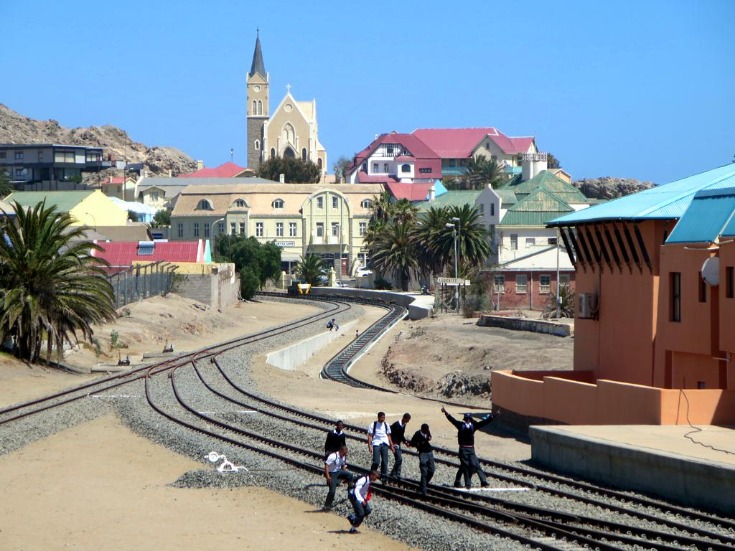
Geographical Overview of Lüderitz
Lüderitz is a picturesque coastal town located in southwestern Namibia, renowned for its unique blend of history, natural beauty, and striking desert landscapes. Nestled along the Atlantic Ocean, it serves as a vital port and hub for tourism and maritime activities. The town’s distinctive architecture and surrounding desert create a captivating setting that reflects its rich cultural heritage and geographic significance.
Location and Topography
Lüderitz is a coastal town located in the southwestern part of Namibia, along the Atlantic Ocean. It is situated in the Namib Desert and is known for its striking scenery and unique geographical setting. The town lies on a narrow peninsula, which extends into the sea, providing it with a natural harbor that has historically been significant for maritime activities. The landscape surrounding Lüderitz features largely flat, arid plains characteristic of the desert environment, interspersed with rugged hills and rocky outcrops. The Topography of the area is marked by a combination of sandy dunes, rocky formations, and the coastal cliffs that define its shoreline, creating a dramatic environment that is both rugged and picturesque. Its proximity to the desert and the ocean influences the climate, resulting in arid conditions with moderate to strong sea breezes that shape the local weather patterns.
Climate and Weather Patterns
Lüderitz, located on the southwestern coast of Namibia, is a small harbor town known for its unique geographical setting and historical significance. Positioned along the Atlantic Ocean, it features a rugged coastline with rocky shores and scenic bays, surrounded by arid desert landscapes and the Namib Desert’s vast dunes nearby. The town’s strategic location has historically made it an important fishing and trading hub in the region.
The climate in Lüderitz is characterized by a semi-desert climate with low annual rainfall, making it one of the driest places in Namibia. Temperatures tend to be moderate throughout the year, with hot summers and mild winters. Due to the influence of the cold Benguela Current flowing along the coast, the area experiences frequent fog and cool breezes, particularly during the cooler months. The weather patterns are relatively stable, with minimal rainfall, creating a distinctive desert maritime climate that influences both the local ecosystem and human activities in the region.
Natural Landmarks and Features
Lüderitz, located along the southwestern coast of Namibia, is a picturesque town renowned for its unique geographical setting and striking natural landmarks. Nestled between the Atlantic Ocean and the Namib Desert, it boasts a dramatic coastal landscape characterized by rugged cliffs, dunes, and sprawling desert plains. The town’s proximity to the Atlantic provides a scenic shoreline dotted with secluded beaches and rocky outcrops, making it a significant point for marine and birdlife observations.
One of the most prominent natural landmarks near Lüderitz is the Kolmanskop Ghost Town, an abandoned diamond mining settlement surrounded by shifting desert sands and dunes. The nearby Fish River and Lüderitz Bay contribute to the region’s diverse natural scenery, offering habitats for numerous seabirds, seals, and marine species. The Namib Desert surrounding Lüderitz is one of the oldest and most arid deserts in the world, characterized by towering sand dunes such as Dune 45, which rises sharply and provides stunning panoramic views of the area.
Other notable features include the Langkoog Peninsula, with its unique marine ecosystems and rugged coastline, and the Elizabeth Bay, a natural harbor with an abundance of marine life and bird species. The area’s distinctive mineral formations, dramatic cliffs, and extensive desert landscapes make Lüderitz a fascinating destination for those interested in natural beauty and geographical diversity.
Historical Significance of Lüderitz
Lüderitz, a historic town in Namibia, holds significant cultural and economic importance due to its strategic location along the South Atlantic coast. Established in the late 19th century during the German colonial period, it became a key trading hub and gateway for maritime activities. The town’s rich history is reflected in its unique architecture, colonial-era landmarks, and its role in Namibia’s development as a vital port and center of trade. Today, Lüderitz remains a symbol of Namibia’s diverse heritage and historical resilience.
Colonial Past and Founding
Lüderitz, located in southern Namibia, holds a significant place in the country’s history due to its colonial past and founding. Established in 1883 by Adolf Lüderitz, a German merchant, it became one of the earliest European settlements in the region during the era of German colonization. The town was initially developed as a trading post and port, attracting settlers and economic activity centered around diamond and mineral prospecting.
During the late 19th and early 20th centuries, Lüderitz served as a vital hub for German imperial ambitions in Southwest Africa. Its strategic location along the Atlantic coast facilitated trade and resource extraction, laying the groundwork for Namibia’s colonial infrastructure. The town’s architecture and layout reflect its colonial heritage, with historical buildings and relics that tell stories of that era.
The colonial past of Lüderitz is integral to understanding Namibia’s broader history of European conquest, resource exploitation, and cultural transformation. Today, Lüderitz’s historical sites and legacy serve as reminders of its colonial origins, contributing to the ongoing discourse on Namibia’s path to independence and national identity.
Role in Namibian History
Lüderitz holds a prominent place in Namibian history as a significant colonial settlement and gateway to the Atlantic Ocean. Established in the late 19th century, it played a crucial role during the period of European colonization and the Scramble for Africa, serving as a strategic port and trading hub for German colonial interests.
- Founded in 1883 by Adolf Lüderitz, a German merchant, the town became part of German South West Africa, representing Germany’s influence in the region.
- It was integral to the German colonial administration, serving as a port for exports such as fish, minerals, and diamonds, which fueled economic development.
- Lüderitz was also a focal point during the German colonial campaign against local Herero and Namaqua peoples, impacting indigenous communities and shaping historical conflicts.
- Post World War I, Lüderitz transitioned under South African administration, continuing to be a key economic and strategic location in Namibia.
- Today, Lüderitz’s historical significance is reflected in its colonial architecture, maritime heritage, and role in the broader struggle for independence and national identity in Namibia.
Notable Historical Events
Lüderitz, located in Namibia, holds a remarkable historical significance as a key site during the period of European colonization and exploration in Southern Africa. Established in the late 19th century, it became an important port for German colonial ambitions, serving as a strategic gateway for trade and resource extraction. The town is closely associated with the expansion of German Africa policies and played a vital role in the Berlin Conference’s conquests, marking Namibia’s colonial era.
One of the most notable historical events in Lüderitz was the founding of the town in 1883 by Adolf Lüderitz, a German merchant, which laid the foundation for German control over the region. The discovery of valuable minerals, including diamonds and copper, further boosted its economic importance, attracting prospectors, traders, and settlers. Lüderitz was also the site of various conflicts, including clashes during the Herero and Namaqua wars, reflecting its significance in Namibia’s colonial struggle and resistance movement.
Additionally, Lüderitz’s historical legacy is intertwined with the development of infrastructure such as the railway connecting it to other parts of Namibia, facilitating trade and movement. The town’s architecture, including colonial-era buildings, stands as a reminder of its colonial past and European influence. Today, Lüderitz’s historical events continue to influence Namibia’s cultural identity and serve as a testament to its complex colonial history.
Economy and Industry
Lüderitz, a coastal town in Namibia, boasts a unique blend of economy and industry shaped by its rich history and strategic location. Historically a hub for mining and maritime activity, the town continues to develop its economic landscape through tourism, fisheries, and maritime industries. The vibrant economic activities in Lüderitz reflect the town’s significance as a key player in Namibia’s overall industry and growth.
Diamond Mining Activities
Lüderitz in Namibia is a significant hub for diamond mining activities, contributing substantially to the country’s economy and industrial growth. Located along the Atlantic coast, Lüderitz’s rich deposits of marine and land-based diamonds have attracted numerous mining companies and investors over the years.
The diamond industry in Lüderitz primarily involves offshore and onshore mining operations, utilizing advanced technology to extract diamonds from river beds, seabeds, and volcanic pipes. This has created employment opportunities and stimulated local commerce, fostering economic development in the region.
The government of Namibia plays a vital role in regulating and promoting sustainable diamond mining practices, ensuring that resources are managed responsibly and that environmental impacts are minimized. The revenue generated from diamond exports significantly supports infrastructure development and public services across Namibia.
As a center of diamond exploration and extraction, Lüderitz’s industry continues to evolve with the adoption of innovative mining techniques, aiming to enhance efficiency and environmental conservation. Its strategic location and rich mineral deposits position Lüderitz as a key player in Namibia’s industrial landscape and global diamond market.
Fishing Industry
Luderitz, located along the southwestern coast of Namibia, plays a significant role in the country’s fishing industry, which is a vital sector of Namibia’s economy. The town’s strategic position along the Atlantic Ocean provides access to rich fishing grounds, making it a hub for both local and international fishing companies.
The fishing industry in Luderitz primarily focuses on the harvesting of hake, horse mackerel, and pilchard, contributing substantially to Namibia’s seafood exports. The industry not only provides employment opportunities for residents but also supports related sectors such as processing, transportation, and export services.
In addition to fishing, Luderitz has developed a small but growing industrial sector that includes fish processing plants, which add value to the catch and help boost the local economy. The town benefits from government regulations aimed at sustainable fishing practices to preserve marine resources for future generations.
Overall, Luderitz’s economy benefits significantly from its fishing industry, which continues to be a cornerstone of its commercial activity and a vital contributor to Namibia’s broader economic stability and growth.
Tourism Sector
Lüderitz, a coastal town in Namibia, plays a significant role in the country’s economy and industry, particularly through its vibrant tourism sector. Nestled along the Atlantic Ocean, it is renowned for its historical significance, unique architecture, and scenic landscapes that attract numerous visitors each year.
The tourism industry in Lüderitz is a vital contributor to the local economy, drawing tourists interested in exploring the town’s colonial history, shipwrecks, and the surrounding deserts. Attractions such as the Lüderitz Historic Town, Diaz Point, and nearby wildlife reserves make it a popular destination for adventure and cultural tourism. The town’s infrastructure supports hospitality services, including hotels, restaurants, and tour operators, which benefit from this influx of visitors.
In addition to tourism, Lüderitz’s economy benefits from fishing and mineral resources, with industries focused on fishing, maritime activities, and the extraction of minerals like salt and uranium. These industries bolster local employment and contribute to Namibia’s broader economic development. Despite its small size, Lüderitz’s strategic location and resource base make it an important hub for industrial activity in the southern region of Namibia.
Culture and Community
Luderitz, a charming coastal town in Namibia, is a vibrant reflection of diverse cultures and a close-knit community. Its unique history and blend of traditions create a rich cultural tapestry that welcomes both residents and visitors. The sense of community in Luderitz is evident through local festivals, shared history, and the way people come together to celebrate their heritage and everyday life.
Local Heritage and Traditions
Luderitz, a charming coastal town in Namibia, is renowned for its rich culture and vibrant community that reflect a unique blend of local traditions and historical influences. The town’s heritage is deeply rooted in its early German colonial roots, which are still evident in architecture and local customs, creating a distinctive cultural identity. Lusititzers celebrate their history through festivals, music, and cuisine that highlight the diverse heritage of settlers and indigenous groups alike. The community values preserving this heritage, actively participating in local events and maintaining traditional practices that foster a strong sense of identity and belonging. Overall, Luderitz embodies a lively cultural mosaic that combines historical traditions with contemporary community life, making it a fascinating place to explore Namibia’s rich cultural landscape.
Languages Spoken
Luderitz, a coastal town in Namibia, is renowned for its rich culture and vibrant community. The town’s history as a German colonial settlement has greatly influenced its cultural landscape, reflected in architecture, traditions, and local festivities. The community of Luderitz is diverse, including descendants of early settlers, indigenous groups, and expatriates, all contributing to a dynamic social fabric. Languages spoken in Luderitz are primarily English and German, with Afrikaans and various indigenous languages also present, showcasing the town’s multicultural heritage. This linguistic diversity enhances the town’s unique identity and fosters a sense of unity among its residents.
Festivals and Events
Lüderitz in Namibia is a vibrant hub of culture and community, rich with history and traditions that reflect its colonial past and diverse influences. The town is known for its unique blend of German architecture, local arts, and cultural celebrations that bring residents and visitors together. Festivals and events held in Lüderitz highlight the region’s vibrant heritage, from music and dance to food and craft markets, fostering a strong sense of community pride and identity. These gatherings serve as a platform for showcasing local talent and preserving cultural practices, creating a lively atmosphere that attracts tourists and promotes cultural exchange.
Tourist Attractions and Activities
Luderitz, a charming coastal town in Namibia, offers a unique blend of historical charm and scenic beauty. Visitors can explore a mix of vibrant architecture, picturesque beaches, and intriguing colonial heritage. The area’s diverse attractions and outdoor activities make it a compelling destination for travelers seeking adventure, culture, and relaxation.
Kolmanskop Ghost Town
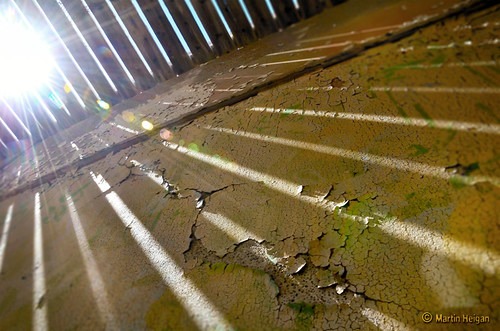
Luderitz in Namibia is renowned for its fascinating history and unique attractions, with Kolmanskop Ghost Town standing out as a must-visit site. This abandoned diamond mining town offers a captivating glimpse into Namibia’s colonial past, featuring abandoned buildings and deserted streets enveloped by shifting desert sands. Visitors can explore the old German architecture, including the theater, hospital, and school, all beautifully preserved and hauntingly quiet.
Tourists can take guided tours through Kolmanskop to learn about its history, or simply wander through the eerie, sand-filled structures for excellent photography opportunities. Nearby, the town of Luderitz itself offers other attractions such as the historic lighthouse, the picturesque Fels Reef, and boat excursions to see seals and penguins. Activities in the area also include visiting the nearby Dia Beacon Desert and exploring the diverse marine life along the Atlantic coast.
Overall, Kolmanskop Ghost Town provides a fascinating blend of history, architecture, and natural scenery, making it a highlight for travelers exploring Luderitz and southern Namibia.
Diaz Point and Lighthouse
Luderitz in Namibia is renowned for its unique coastal scenery and historical landmarks, making it a popular destination for travelers seeking both adventure and cultural experiences. One of the main attractions in the area is Diaz Point and the historic lighthouse, which offer breathtaking views of the Atlantic Ocean and insight into the region’s maritime history.
- Diaz Point: This scenic viewpoint is named after the Portuguese explorer Vasco da Gama’s expeditions. Visitors can enjoy panoramic views of the rugged coastline, observe seabirds, and explore the remnants of early exploration activities. The area is perfect for photography and leisurely walks along the shoreline.
- Luderitz Lighthouse: The lighthouse at Diaz Point is an iconic structure that has guided ships along the treacherous coast for over a century. Visitors can learn about its maritime significance, enjoy stunning sunsets, and take memorable photos of the lighthouse set against the vast ocean backdrop.
Other activities around Diaz Point and the lighthouse include visiting nearby historical sites, exploring the ghost town of Kolmanskop, and engaging in water-based activities like boat trips and marine wildlife watching. Luderitz’s rugged beauty and historical charm make it a must-visit destination for those interested in Namibia’s coastal heritage.
German Colonial Architecture
Lüderitz, located in Namibia, is renowned for its unique blend of colonial history and striking architecture, making it a fascinating destination for tourists. One of the main attractions is the well-preserved German colonial architecture that adorns the town, offering visitors a glimpse into its past during the early 20th century. Visitors can explore historic buildings such as the Felsenkirche, a beautiful German Lutheran church, and the old colonial bank, which showcase intricate designs and period-specific craftsmanship. The town’s architecture provides a charming setting, perfect for strolling and photography.
In addition to its architectural heritage, Lüderitz offers various activities for tourists. Visitors can take boat tours to see the nearby Diaz Point and Penguin Island, where colonies of African penguins thrive. The surrounding desert landscape is perfect for adventure activities like quad biking and
exploring the Sarkar River. Cultural experiences include visiting local museums that detail the area’s colonial history and indigenous heritage. The combination of historic architecture and engaging outdoor activities makes Lüderitz a unique and enriching travel destination for those interested in history, nature, and adventure.
Wildlife and Birdwatching
Luderitz, Namibia, is a captivating destination renowned for its unique blend of historical sites, stunning coastal scenery, and diverse wildlife. Visitors can explore the charming town with its colonial architecture, visit remnants of the German colonial era, and enjoy outdoor activities that showcase the beauty of the Namibian coastline.
Tourist attractions and activities in Luderitz include visiting the iconic Kolmanskop Ghost Town, taking boat trips to see seal colonies, and exploring the Diaz Point Lighthouse. The town also offers opportunities for adventure and cultural experiences, making it a must-visit location for travelers seeking both relaxation and exploration.
Wildlife and birdwatching in the Luderitz area are particularly rewarding thanks to the rich marine and birdlife along the coast. The region is home to seals, dolphins, and occasionally whales, especially during migration seasons. Bird enthusiasts can spot species such as African penguins, oystercatchers, kelp gulls, and flamingos, particularly around coastal wetlands and rocky shores.
- Kolmanskop Ghost Town: Explore the abandoned diamond mining town and its eerie, photo-worthy ruins.
- Diaz Point and Pelican Point: Enjoy panoramic views, lighthouse visits, and seal colonies on boat tours.
- Luderitz Museum: Learn about the town’s history, maritime heritage, and local culture.
- Townwalks and Cultural Tours: Discover the colonial architecture and local traditions.
- Wildlife Watching: Observe seals, dolphins, and occasional whales off the coast.
- Birdwatching: Spot species like African penguins, flamingos, and various gulls and terns.
- Sand Dunes and Coastal Walks: Experience the surreal landscape of nearby dunes and the Atlantic Ocean shoreline.
Transport and Accessibility
Luderitz, a picturesque coastal town in Namibia, offers a unique blend of history and natural beauty. Its transport and accessibility options are essential for visitors to explore the town and its surrounding attractions. Efficient transportation systems and well-developed infrastructure make it easier for travelers to navigate the area, ensuring a smooth and enjoyable experience in this charming destination.
Road Infrastructure
Luderitz, a coastal town in Namibia, benefits from a developing road infrastructure that enhances transportation and accessibility for residents and visitors alike. The town is connected by well-maintained roads that facilitate movement within Luderitz and to surrounding regions, supporting both local commerce and tourism growth. Improvements in road infrastructure have been instrumental in connecting Luderitz to key transport hubs, making travel safer and more efficient.
The road network in Luderitz includes paved streets and highways that allow for smooth transit of goods and people. Additionally, ongoing projects aim to expand and upgrade existing roads, addressing challenges posed by the town’s geographic landscape. Accessibility is further supported by the proximity of the road network to the port facilities, enabling efficient freight movement and boosting economic activities.
Efforts to improve transport infrastructure in Luderitz are complemented by initiatives to develop alternative transportation modes, such as improved regional bus services and plans for better integration with neighboring regions. These developments are crucial for the sustainable growth of Luderitz, ensuring that transportation remains reliable, accessible, and capable of supporting the town’s future expansion.
Ports and Shipping
Luderitz in Namibia is a key port town known for its strategic location along the Atlantic Ocean, serving as an important hub for maritime transport and shipping activities in the region. Its port facilities facilitate the export of minerals, fish, and other local products, supporting both domestic economy and international trade. The town’s transportation network includes well-maintained roads that connect it to inland regions, enabling efficient movement of goods and passengers. Accessibility is enhanced by the proximity to national highways, making Luderitz a vital link for logistical operations in southern Namibia. Although the port is not as large as others, ongoing developments aim to improve its capacity and shipping infrastructure, boosting its role in regional commerce and contributing to Namibia’s overall economic growth. Modernization efforts also focus on enhancing port accessibility for larger vessels and streamlining customs and logistics procedures to support smoother transportation flows.
Nearby Airports and Connectivity
Luderitz in Namibia is a coastal town renowned for its picturesque scenery and historical significance, and it is well-connected through various transport options. The town is accessible by road from Windhoek, the capital, with a travel distance of approximately 1,200 kilometers, making road transport a viable option for visitors. For those arriving by air, Luderitz has its own regional airport, Luderitz Airport, which handles domestic flights and offers convenient access from Windhoek and other parts of Namibia. The airport is equipped to facilitate quick and easy travel for tourists and locals alike.
In terms of connectivity, Luderitz is well-served by a network of local roads that enable easy exploration of the surrounding areas, including the famous Kolmanskop ghost town and the Diamond Coast. While the town itself relies heavily on road transport, its proximity to key attractions and the airport ensures smooth travel logistics. Overall, Luderitz offers good transport links for visitors, making it an accessible destination with reliable connectivity options to and within Namibia.
Environmental and Conservation Efforts
Luderitz, a coastal town in Namibia, is recognized for its unique maritime environment and rich natural surroundings. Efforts to protect and conserve the local ecosystems are essential to preserve its scenic beauty and biodiversity. Environmental initiatives in Luderitz focus on sustainable tourism, marine conservation, and the preservation of its distinctive wildlife, ensuring that the town remains a pristine and thriving area for future generations.
Marine and Coastal Conservation
Luderitz, a coastal town in Namibia, is a significant site for environmental and conservation efforts, particularly concerning marine and coastal ecosystems. Its unique location along the Atlantic Ocean makes it a vital area for protecting marine biodiversity and promoting sustainable use of marine resources. Local initiatives focus on conserving marine species, including seals, dolphins, and various fish populations, through established protected areas and marine conservation programs.
Efforts to preserve the delicate coastal environment of Luderitz include the implementation of marine protected areas that restrict harmful activities and promote biodiversity. Conservation organizations work collaboratively with local communities to raise awareness about the importance of sustainable fishing practices, habitat preservation, and pollution control to ensure the longevity of marine ecosystems. Additionally, research initiatives are conducted to monitor environmental changes and to develop strategies for mitigating the impacts of climate change and human activities on coastal regions.
Furthermore, Luderitz plays a role in Namibia’s broader commitment to marine conservation, contributing to international efforts aimed at safeguarding ocean health. Education campaigns and eco-tourism initiatives also promote environmental stewardship among residents and visitors alike, emphasizing the importance of maintaining healthy oceans for future generations. Through these comprehensive efforts, Luderitz underscores its dedication to conserving its rich marine and coastal environments while supporting sustainable development.
Protected Areas and Reserves
Luderitz in Namibia is a region renowned for its rich biodiversity and unique ecological features, making environmental and conservation efforts particularly vital. Preservation initiatives focus on protecting the diverse marine life, desert ecosystems, and endemic species that inhabit the area. Numerous protected areas and reserves have been established to ensure sustainable management of natural resources and to safeguard habitat diversity.
Among these protected areas, the Lüderitz Marine Protected Area is significant for conserving various fish, bird, and marine mammal species. Additionally, the Namib Desert’s reserves play a crucial role in maintaining the fragile desert ecosystem, supporting species adapted to its harsh environment. These reserves aim to mitigate the impact of human activities such as mining, tourism, and urban development.
Conservation efforts in Luderitz also emphasize community involvement and education to foster sustainable practices among local populations. By promoting eco-tourism and environmentally responsible behaviors, these initiatives seek to balance economic growth with ecological preservation, ensuring that the natural beauty and biodiversity of Luderitz are preserved for future generations.
Sustainable Tourism Initiatives
Luderitz in Namibia is increasingly recognized for its commitment to environmental preservation and sustainable tourism initiatives. The town has implemented measures to protect its unique coastal ecosystems and marine life, such as enforcing regulations on fishing and boating activities to prevent overexploitation. Conservation projects focus on safeguarding the rich biodiversity of the region, including the African penguin colonies and various seabird species that inhabit the area.
Sustainable tourism efforts in Luderitz aim to balance visitor enjoyment with ecological responsibility. Local businesses and tour operators promote eco-friendly practices by encouraging the use of renewable energy sources, minimizing waste, and educating tourists about the importance of conservation. Community involvement plays a significant role, with initiatives designed to empower residents to participate in preserving their natural heritage while benefiting economically from responsible tourism.
In addition, Luderitz is exploring innovative ways to highlight its cultural and natural assets through eco-tours, heritage conservation, and supporting local artisans. These initiatives help ensure that tourism growth does not come at the expense of the environment, fostering a sustainable future for both the community and its unique landscape.



0 Comments