
Overview of Namibia’s Political Structure
Namibia’s political structure is characterized by a democratic system with a president serving as both head of state and government. The country operates under a multi-party system, ensuring a representative and pluralistic governance framework. The president is elected through direct elections and holds significant executive powers, shaping the nation’s policy and development direction. Namibia’s political landscape is also supported by an elected National Assembly and a robust judiciary, fostering stability and democratic processes across the country.
Role of the President
The President of Namibia holds a central role in the country’s political structure, serving as both the head of state and the head of government. As the chief executive authority, the President is responsible for executing laws, managing the administration, and representing Namibia internationally. The President is elected by popular vote for a five-year term and can serve a maximum of two consecutive terms. Under Namibia’s political system, which is a unitary presidential republic, the President also has the power to appoint government ministers, judges, and other key officials, shaping national policy and governance. Additionally, the President plays a vital role in guiding the legislative process, often influencing the national agenda through various executive functions. This role emphasizes the President’s significance in maintaining political stability and steering the country’s developmental priorities.
Electoral Process for the Presidency
Namibia’s political structure is a democratic republic with a strong presidential system. The country operates under a constitution that establishes the separation of powers among the executive, legislature, and judiciary. The President of Namibia serves as both head of state and head of government, playing a central role in the country’s political processes. The legislature consists of a National Assembly and a National Council, with the former holding the primary legislative authority. Namibia’s political landscape is characterized by multi-party participation, though the South West Africa People’s Organization (SWAPO) has been the dominant party since independence.
The electoral process for the presidency in Namibia is a direct, nationwide vote. Citizens aged 21 and over are eligible to participate in presidential elections, which are held every five years. The presidential election uses a simple majority voting system, where the candidate with the highest number of votes is declared the winner. Candidates for the presidency are typically nominated by political parties, and independent candidates can also run if they meet specific requirements. The electoral process is overseen by the Electoral Commission of Namibia, ensuring transparency and fairness. The president’s term is limited to a maximum of two consecutive five-year terms, emphasizing democratic accountability and continuity in Namibia’s governance.
Constitutional Powers and Responsibilities
The President of Namibia holds a central role in the country’s political structure, serving as both the head of state and the head of government. Namibia operates as a democratic republic with a multi-party system, where the president is elected through a direct national vote for a five-year term. The presidency is a significant executive authority with comprehensive powers that influence legislative and administrative functions.
Constitutionally, the president has the authority to appoint ministers, dissolve the National Assembly, and promulgate laws. The president also represents Namibia in international relations and is responsible for safeguarding the constitution. The executive branch, led by the president, works alongside the cabinet to implement policies and manage government affairs.
Namibia’s political framework emphasizes the separation of powers among the executive, legislative, and judicial branches. While the president has expansive executive powers, legislative authority resides with the National Assembly and the National Council. The judiciary operates independently, ensuring that the president’s powers are exercised within constitutional limits and that the rule of law is upheld.
Overall, Namibia’s political structure and constitutional powers confer significant responsibilities upon the president to ensure the stability, governance, and development of the nation within a democratic framework.
Biographical Background of the Current President
The current President of Namibia, Hage Geingob, was born on August 3, 1941, in Otjiwarongo, Namibia. He is a prominent political figure with a rich history of leadership and service in his country. Geingob has been instrumental in Namibia’s journey towards independence and development, playing a significant role in shaping the nation’s modern political landscape. His background includes extensive experience in diplomacy, economics, and governance, reflecting his dedication to fostering growth and stability in Namibia.
Early Life and Education
The current President of Namibia, Hage Gottfried Geingob, was born on August 3, 1941, in Odendaal was, a small town in central Namibia. He was raised in a humble setting and showed early signs of leadership and dedication to his community. Geingob pursued his education initially in Namibia before moving abroad for further studies. He attended various institutions that fostered his interest in political science and governance. His academic journey took him to institutions in South Africa and later to the United States, where he engaged deeply with topics related to politics, economics, and leadership. These formative experiences played a significant role in shaping his future career as a prominent political figure and the President of Namibia. His background combines a mix of local roots and international exposure, which has contributed to his vision for the nation’s development.)
Political Career Milestones
The current President of Namibia is Hage Geingob, who was born on August 3, 1941, in Otjiwarongo, Namibia. He is a seasoned politician with a background rooted in academia and public service. Geingob studied economics at the University of Namibia and the University of Sussex in the United Kingdom, laying a foundation for his future leadership roles. His early political involvement was marked by his active participation in the anti-apartheid movement and the fight for independence for Namibia, then known as South West Africa.
Hage Geingob’s political career includes notable milestones such as serving as Namibia’s second Prime Minister from 1990 to 2002, during which he helped shape the newly independent nation’s policies and governance structures. He was appointed as the Minister of Trade and Industry in 1996, playing a crucial role in economic development and diversification strategies. In 2015, he was elected as Namibia’s third President, succeeding Sam Nujoma, and was re-elected in 2019. His leadership has focused on economic reform, good governance, and social development, aiming to promote stability and growth in Namibia.
Path to the Presidency
The current President of Namibia, Hage Godfrey Geingob, was born on August 3, 1941, in Otjiwarongo, Namibia. He has an extensive background in politics and public service, having been active in the struggle for Namibia’s independence. Geingob holds a Master’s degree in Economics from the University of Delaware and has worked as an academic, diplomat, and government minister. His commitment to national development and political stability has shaped his career over the decades.
Geingob’s path to the presidency began with his involvement in the anti-apartheid movement and his leadership roles within the South West Africa People’s Organization (SWAPO), the liberation movement that later became Namibia’s ruling political party. He served as Namibia’s first Prime Minister from 1990 to 2002, playing a key role in establishing the country’s governmental structures after independence. After a period outside the political spotlight, he was re-elected as Prime Minister in 2015 before winning the presidential election later that year. His leadership has been marked by efforts to promote economic development, social equity, and national unity.
Major Policies and Initiatives
The President of Namibia has implemented a range of major policies and initiatives aimed at fostering economic growth, social development, and environmental conservation. These efforts reflect the government’s commitment to improving the quality of life for citizens while promoting sustainable progress. Through strategic plans and reforms, the leadership seeks to address key challenges and position Namibia as a resilient and inclusive nation on the African continent.
Economic Development Strategies
The President of Namibia has spearheaded numerous policies and initiatives aimed at promoting sustainable economic development and improving the overall well-being of its citizens. Central to these efforts is the diversification of the economy, reducing dependency on mineral exports, and fostering growth in sectors such as agriculture, tourism, and manufacturing. The government has also prioritized investment in infrastructure, education, and healthcare to build a more resilient and skilled workforce. Furthermore, Namibia’s economic development strategies emphasize inclusive growth, encouraging entrepreneurship, supporting small and medium enterprises, and attracting foreign direct investment to stimulate job creation and economic stability.
Foreign Policy Priorities
The President of Namibia has prioritized policies aimed at promoting economic development, social equity, and national unity. Major initiatives include expanding infrastructure, improving healthcare and education systems, and fostering sustainable environmental practices. The administration emphasizes good governance, transparency, and anti-corruption measures to strengthen democratic institutions and rebuild public trust.
In terms of foreign policy, Namibia seeks to maintain strong diplomatic relations within the Southern African Development Community and the African Union. The country advocates for peaceful conflict resolution, regional integration, and sustainable development partnerships. Namibia also aims to attract foreign investment while promoting trade and economic cooperation with various nations, emphasizing its commitment to regional stability and global engagement.
Social and Healthcare Reforms
The President of Namibia has initiated a range of major policies and reforms aimed at strengthening social and healthcare sectors to improve the quality of life for its citizens. These policies focus on expanding access to healthcare services, enhancing healthcare infrastructure, and increasing funding for health programs to combat infectious diseases such as HIV/AIDS and tuberculosis. Additionally, the government has prioritized social reforms that promote education, poverty alleviation, and gender equality, ensuring inclusive growth and social justice. Efforts are also underway to improve social safety nets and support vulnerable groups, fostering a more equitable society. These initiatives reflect the leadership’s commitment to sustainable development and the well-being of Namibia’s people.
Leadership Style and Governance
Leadership style and governance play a crucial role in shaping the political landscape of a nation. In the context of Namibia, the leadership approach of the president significantly influences the country’s development, stability, and democratic processes. Understanding the leadership style and governance methods employed by Namibia’s president offers valuable insights into the nation’s progress and challenges.
Decision-Making Approach
The leadership style and governance approach of Namibia’s president are characterized by a blend of consultative and participative methods, emphasizing inclusive decision-making and national unity. The president prioritizes engaging various stakeholders, including government officials, traditional leaders, and civil society, to foster a collaborative environment that supports sustainable development. This approach ensures that diverse perspectives are considered, promoting transparency and accountability in governance.
In terms of decision-making, Namibia’s president adopts a strategic and often consensus-driven approach, balancing authority with consultation. Major policy initiatives typically involve thorough analysis and input from relevant sectors to ensure effective implementation. This method underscores a commitment to stability, democratic principles, and equitable progress, reflecting Namibia’s aspirations to build a resilient nation through responsible leadership and sound governance practices.
Connections with Political Parties and Stakeholders
The leadership style and governance approach of the Namibia President play a crucial role in shaping the country’s political stability and development. Emphasizing a collaborative and inclusive leadership style, the President seeks to foster unity among diverse political and social groups, ensuring that governance is participatory and transparent. Typically, this involves engaging with various stakeholders, including government institutions, civil society, and the private sector, to address national issues effectively. The President also maintains strategic connections with political parties, often working to build consensus and reduce political polarization, thereby strengthening democratic processes.
Namibia’s President demonstrates a pragmatic relationship with political parties, usually engaging in dialogue to promote policies that reflect national interests. These connections are vital for ensuring legislative support and fostering a stable political environment. The President’s ability to maintain constructive relationships with opposition parties and civil stakeholders enhances governance, promotes accountability, and aligns national priorities with public needs. Overall, the leadership style and stakeholder connections in Namibia aim to reinforce democratic values, promote national development, and uphold the rule of law within a pluralistic political context.
Public Perception and Support
Leadership style and governance play a crucial role in shaping Namibia’s political stability and development. The president’s approach to decision-making, transparency, and inclusiveness directly influences the effectiveness of governance and public trust. A leadership style characterized by open communication and participatory governance can foster citizen engagement and enhance policy implementation.
Public perception and support are vital for sustaining the president’s authority and advancing national priorities. Positive public perception often results from perceived honesty, integrity, and the ability to address pressing issues such as economic growth, social equity, and regional stability. The support from the populace enables the president to pursue reforms effectively and maintain social cohesion, ultimately contributing to Namibia’s progress on both domestic and international fronts.
Challenges and Criticisms
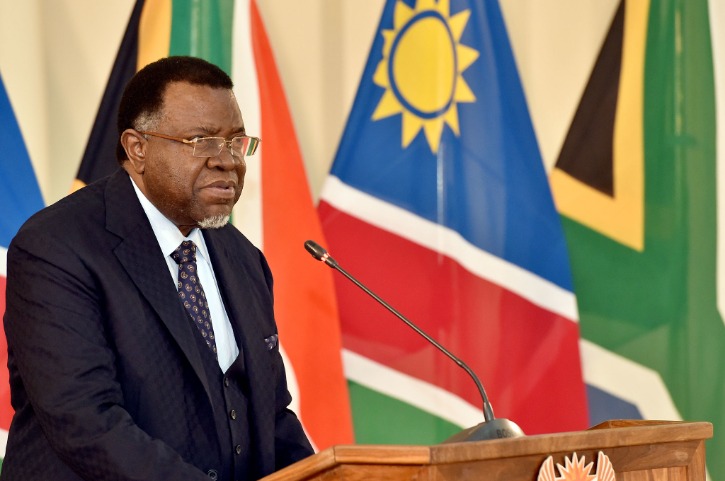
The presidency of Namibia has faced various challenges and criticisms that reflect the nation’s ongoing political, economic, and social development. As the country navigates issues such as governance, economic diversification, and social cohesion, the leadership’s decisions and policies are often scrutinized. Understanding these challenges provides insight into Namibia’s path forward and the complexities faced by its president in steering the country toward stability and growth.
Economic Inequality and Unemployment
The President of Namibia faces significant challenges related to economic inequality and unemployment within the country. Despite economic growth driven by industries such as mining and tourism, wealth remains concentrated among a small elite, leading to widespread disparities. This inequality hampers social cohesion and limits opportunities for the majority of the population. Additionally, high unemployment rates, particularly among youth, pose a serious obstacle to sustainable development. Many young Namibians struggle to find stable employment, which can contribute to social unrest and economic stagnation. Critics argue that government policies must prioritize equitable economic distribution and job creation to address these pressing issues effectively.
Environmental and Resource Management
The President of Namibia faces numerous challenges and criticisms related to environmental and resource management. One primary concern is the sustainable utilization of Namibia’s rich natural resources, including minerals, wildlife, and marine assets, to ensure long-term economic stability without degrading the environment. Critics often highlight the need for stronger policies to combat illegal poaching and overexploitation of wildlife, which threaten biodiversity and tourism. Additionally, there are concerns about balancing industrial development with conservation efforts, particularly in areas impacted by mining and fishing industries. Environmental management is also challenged by the impacts of climate change, such as droughts and desertification, which threaten the livelihoods of rural communities. The government’s strategies to address these issues are scrutinized for their effectiveness, transparency, and inclusiveness, especially concerning indigenous populations and local stakeholders. Overall, achieving sustainable resource management remains a complex task requiring coordinated efforts, policy reforms, and greater community involvement to mitigate environmental degradation while promoting economic growth.
Human Rights and Social Issues
The presidency of Namibia has faced various challenges and criticisms concerning human rights and social issues. Critics often highlight concerns over the slow progress in addressing economic inequalities and ensuring equal access to resources across different communities. Human rights organizations have raised alarms about restrictions on freedom of expression and assembly, particularly when political dissent emerges. Social issues such as unemployment, poverty, and access to quality education and healthcare remain persistent problems that hinder national development. Moreover, there are ongoing debates about land reform policies and their implementation, which are viewed by some as inadequate or unevenly distributed. These challenges underscore the need for continued efforts to promote human rights standards and social justice within Namibia’s political framework.
Future Outlook and Succession Planning
Effective future outlook and succession planning are essential for maintaining stability and continuity in leadership, especially for nations like Namibia. As the country navigates changing political landscapes and prepares for sustainable development, strategic planning ensures that future leaders are equipped to uphold the nation’s progress. Robust succession strategies not only secure leadership transitions but also foster confidence among citizens and international partners, laying a strong foundation for Namibia’s long-term prosperity.
Current Political Climate
The future outlook for Namibia’s political landscape, particularly concerning the presidency, remains closely tied to succession planning and ongoing political stability. Effective succession strategies are essential to ensure a smooth transfer of power and continuity in governance, especially as Namibia navigates economic development challenges and regional geopolitical shifts. The current political climate is characterized by a focus on maintaining stability, fostering national unity, and addressing socio-economic issues through strategic leadership transitions.
Potential Successors and Political Transitions
The future outlook for Namibia’s presidency heavily depends on effective succession planning and the identification of potential successors. As political transitions are inevitable in any democratic process, ensuring stability and continuity remains a priority for Namibia’s leadership landscape.
Potential successors to Namibia’s current president are likely to emerge from prominent political figures within the ruling party, SWAPO, or from other influential parties. These individuals may include senior politicians who have demonstrated leadership and governance experience, as well as popularity among the party base and the general electorate.
Polygonal political transitions in Namibia will require careful management to maintain stability and foster ongoing development. The following are key aspects involved in the succession process:
- Identifying and grooming young leaders within the ruling party to ensure a smooth transition.
- Implementing transparent processes to select the next president to enhance legitimacy.
- Encouraging inclusive dialogue among political stakeholders to foster unity during leadership changes.
- Maintaining the nation’s commitment to democratic principles to uphold confidence domestically and internationally.
- Addressing regional and ethnic considerations to promote national cohesion and stability.

0 Comments