
Historical Significance of Namibia’s Horses
Horses in Namibia hold a deep historical significance, shaping the cultural and social fabric of the nation. Throughout history, these majestic animals have played vital roles in transport, agriculture, and traditional ceremonies, reflecting Namibia’s rich equine heritage. Their presence signifies resilience and adaptability in the face of diverse terrains and challenging climates, making them an enduring symbol of Namibia’s unique history and identity.
Origins and Introduction
The horses of Namibia hold a unique historical significance, reflecting the country’s rich cultural heritage and colonial past. These animals have played vital roles in transportation, agriculture, and social ceremonies, shaping the lives of various communities over centuries. Their presence demonstrates the importance of equines in fostering trade, communication, and social cohesion in Namibian history. Additionally, Namibia’s horses symbolize resilience and adaptability, enduring harsh environmental conditions and diverse terrains.
The origins of Namibia’s horses can be traced back to European settlers and explorers who introduced them during the colonial period. These horses were often brought for purposes such as labor, transportation, or sport, and over time, they adapted to the local climates and terrains. The introduction of horses also facilitated interactions between indigenous peoples and newcomers, influencing social dynamics and land use. Today, Namibia’s horses continue to be a vital part of cultural festivals, traditional ceremonies, and rural life, serving as a living reminder of the country’s historical connections to equestrian traditions.
Role in Nomadic and Colonial Eras
The horses of Namibia hold a significant place in the country’s history, especially in shaping the social and economic landscapes during the nomadic and colonial eras. These animals were not only a means of transportation but also a symbol of mobility, independence, and status among various indigenous groups and colonizers alike.
- During the nomadic era, Namibian horses facilitated movement across vast desert and savannah regions, enabling herders to access water sources, grazing lands, and new territories, thereby supporting their pastoral lifestyles.
- Horses played a crucial role in warfare and defense, providing flexibility and speed that were essential for raiding, guarding, and territorial expansion among different tribes and clans.
- In the colonial period, horses became vital tools for farmers, traders, and settlers, assisting in agriculture, transportation of goods, and maintaining communication links in remote areas.
- The introduction of European horse breeds during colonial times contributed to changes in local equestrian practices, often leading to hybridization and the adaptation of horses to new economic activities.
Symbolism and Cultural Importance
Horses hold a profound historical and cultural significance in Namibia, symbolizing strength, freedom, and resilience. Throughout Namibia’s history, horses have played a vital role in transportation, agriculture, and warfare, especially among indigenous communities and during the era of colonial expansion. They facilitated exploration and communication across vast distances, shaping the development of various regions.
In Namibian culture, horses are often associated with traditional ceremonies and celebrations, embodying ideals of nobility and grace. They are also considered symbols of status and power, particularly among pastoralist groups such as the Himba and Herero, where owning and caring for horses signifies wealth and social standing.
Moreover, Namibia’s horses are celebrated in folklore and storytelling, representing the spirit of endurance and the connection between humans and nature. The prominence of horses in Namibian symbols and cultural practices underscores their enduring importance, reflecting a rich history intertwined with the nation’s identity and heritage.
Types of Horses Found in Namibia
Namibia is home to a diverse range of horse breeds that thrive in its unique landscape and climate. These horses play an important role in the country’s culture, agriculture, and recreational activities. From indigenous breeds adapted to the arid environment to imported thoroughbreds used in sport and leisure, Namibia’s equine population reflects a fascinating blend of history and adaptability.
Breeds Popular in Namibia
Namibia is home to a variety of horse breeds that have adapted well to its diverse environments. The country’s horses are often renowned for their stamina, resilience, and versatility, making them valuable for work, transportation, and recreation. Different breeds are popular among local farmers, ranchers, and equestrians, each suited to specific terrains and purposes.
Among the most common horse breeds found in Namibia are the Namibian Horse, which is a local breed known for its endurance and ability to thrive in arid conditions. Additionally, the Boerperd, a South African breed, is quite popular in Namibia for its strength and adaptability to rugged terrains. The Arabian horse is also well-regarded for its elegance, stamina, and speed, often used for racing and sporting events.
Other breeds that can be found in Namibia include the Thoroughbred, primarily used for racing, and the Boer Horse, valued for its utility in farming and ranching activities. The versatility of these breeds, coupled with their ability to withstand the harsh environment, makes them integral to Namibia’s equine culture and economy.
The Native Horse Varieties
Namibia is home to several native horse varieties that have adapted to the country’s diverse landscapes and climate conditions. These horses are valued for their resilience, endurance, and versatility, making them essential for transportation, agriculture, and cultural traditions. The native breeds typically exhibit hardy characteristics, enabling them to thrive in Namibia’s arid and semi-arid regions.
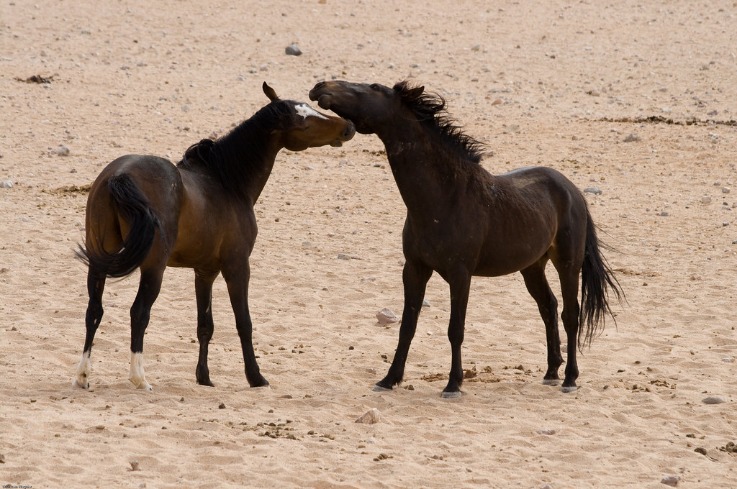
The most prominent native horse in Namibia is the Namibian Horse, a breed believed to have originated from a mix of European and indigenous stock. These horses are known for their strength, agility, and ability to withstand harsh environmental conditions. They often feature a compact build, with strong legs and a hardy coat suitable for extreme weather.
Another variety includes semi-wild horses that roam certain regions, especially in the Namib Desert. These semi-wild horses have adapted to scarce water sources and rugged terrain, showcasing impressive survival skills. They are often seen in local communities and are valued for traditional and practical uses.
While Namibia’s native horse varieties are less numerous than introduced breeds, they hold significant cultural and historical importance. Their adaptability and resilience continue to make them an integral part of Namibian rural life and heritage.
Adaptations to Local Conditions
Namibia is home to various horse breeds that have adapted to the diverse and often harsh local conditions. These horses include the Namibia Horse, which is known for its resilience, agility, and endurance, making them well-suited to the semi-arid environment. Additionally, local breeds such as the Boerperd and the South African Boer Horse are common, often crossbred with other breeds to enhance their adaptability.
In the Namibian climate, horses have developed several key adaptations. Their coats tend to be short and sleek, helping to dissipate heat in the hot, dry conditions. They are also capable of traveling long distances without water, a vital trait in arid regions where water sources are scarce. Their strong, sturdy legs enable them to navigate rocky terrains and rugged landscapes effectively. These adaptations not only increase their survival chances but also make them valuable for transportation, herding, and recreational purposes within Namibia.
Horses in Namibia Today
Horses in Namibia today represent a vital part of the country’s rich agricultural and cultural landscape. Widely appreciated for their strength, agility, and versatility, these animals play an essential role in transportation, farming, and traditional ceremonies. Despite modern advancements, the enduring bond between Namibian communities and their horses continues to thrive, symbolizing both historical heritage and future potential.
Equestrian Sports and Events
Horses in Namibia today play a vital role in both traditional lifestyles and modern equestrian activities. The country boasts a rich equestrian heritage, with horses being integral to rural communities and farming practices. In recent years, Namibia has seen a growing interest in equestrian sports, attracting both local enthusiasts and international visitors.
Equestrian sports in Namibia include disciplines such as show jumping, dressage, eventing, and endurance riding. The Namibian Equestrian Federation actively promotes these activities through national competitions and events. Notable events like the Namibian National Horse Show and endurance rides across the desert showcase the versatility and endurance of Namibian horses.
Furthermore, Namibia hosts various national and regional equestrian competitions that attract participants from neighboring countries. These events foster community engagement, tourism, and the development of horse breeding and training facilities. The use of Namibian horses in these sports highlights their resilience and adaptability, reflecting the country’s unique landscape and cultural heritage.
Horses in Agriculture and Transportation
Horses in Namibia today play a significant role in various aspects of rural life, particularly in agriculture and transportation. They are valued for their endurance and adaptability in the challenging desert and semi-arid environments of the country. Many farmers rely on horses to traverse difficult terrains, carry loads, and assist with farming activities, especially in areas where mechanized equipment is scarce or impractical.
In agriculture, horses are used for plowing fields, hauling crops, and supporting livestock management. Their strength and reliability make them essential for small-scale farmers who depend on traditional farming methods. In transportation, horses provide a vital link for communities remote from modern infrastructure, enabling people to access markets, healthcare, and educational services.
Overall, horses remain a vital part of Namibia’s rural economy and cultural heritage, showcasing their enduring importance in both agricultural productivity and daily mobility across the region.

Conservation and Breeding Programs
Horses in Namibia today hold a significant place in both cultural traditions and modern conservation efforts. These animals are valued not only for their historical importance in transportation and agriculture but also as symbols of national heritage. Amid increasing development pressures and habitat changes, conservation programs focus on preserving the genetic diversity and well-being of native and domesticated horse populations.
Conservation initiatives in Namibia aim to protect indigenous breeds and ensure sustainable breeding practices. Many programs involve local communities and equine enthusiasts dedicated to maintaining the health and vitality of horse populations. Breeding programs often emphasize genetic diversity, disease resistance, and adaptability to Namibia’s varied climates and terrains.
Through collaborations with international organizations and local agencies, Namibia’s efforts are geared toward promoting responsible horse management, enhancing breeding standards, and supporting equestrian tourism. These endeavors help preserve the cultural significance of horses while ensuring their continued contribution to Namibia’s rural development and heritage preservation.
Environmental and Geographic Influences on Namibia’s Horses
The environment and geography of Namibia play a significant role in shaping the characteristics and adaptability of its horses. The country’s vast deserts, rugged terrains, and sparse water sources create a unique setting that influences the physical traits and resilience of these animals. Understanding these environmental and geographic factors is essential to appreciating the special relationship between Namibia and its horses.
Climate and Terrain Impact
Namibia’s horses are significantly shaped by the country’s unique environmental and geographic conditions, which influence their characteristics, health, and adaptability. The climate and terrain play a pivotal role in shaping the evolution, behavior, and management of these horses, making them well-suited to the harsh conditions of the region.
Namibia experiences a semi-arid to arid climate with low and irregular rainfall, extreme temperature variations, and frequent droughts. Such conditions require horses to develop endurance and resilience to survive in challenging environments. The terrain, consisting of deserts, savannahs, mountains, and gravel plains, further impacts the horses’ physical traits and movement patterns.
- Climate: The hot temperatures and scarce water resources necessitate breeds that can endure heat and dehydration, leading to the development of hardy, drought-resistant horses.
- Terrain: Rough terrains demand strong, agile horses capable of traversing rocky, uneven surfaces, influencing their muscular build and hoof structure.
- Vegetation: Limited pasture availability influences dietary habits and necessitates adaptable foraging behavior in local horse populations.
- Water Sources: The scarcity of water affects movement patterns and breeding cycles, with horses often gathering around available water points, creating social structures adapted to resource scarcity.
Overall, Namibia’s environmental factors help shape the characteristics and survival strategies of its horses, contributing to their toughness and adaptability in one of Africa’s most challenging landscapes.
Grazing Habitats and Water Sources
Namibia’s unique environmental and geographic features significantly influence the habitat and behavior of its horses. The arid and semi-arid regions, characterized by sparse rainfall and extreme temperatures, shape the grazing habits of these animals, prompting them to adapt to limited vegetation and water availability. Horses in Namibia often graze on hardy grasses and browse shrubs that can withstand harsh conditions, enabling them to survive in the challenging environment. The scarcity of water sources influences their movement patterns, leading them to travel long distances in search of water, which is frequently available in seasonal waterholes, rivers, and man-made reservoirs. Additionally, the diverse terrain, from deserts to savannahs, provides varied grazing habitats that support different breeds and populations of Namibian horses. The interplay between climate, topography, and water resources creates a distinct ecological niche that shapes the behavior, health, and survival strategies of horses in Namibia.
Challenges from Drought and Desertification
Namibia’s horses are significantly influenced by the country’s unique environmental and geographic conditions, which shape their health, behavior, and distribution. The arid climate, characterized by high temperatures, scarce water sources, and extensive desert landscapes, creates a challenging environment for horse husbandry and survival. Geographic features such as the Namib Desert and sparse grasslands limit accessible grazing areas, forcing horses to adapt to limited resources and navigate harsh terrains.
Additionally, Namibia faces ongoing challenges from drought and desertification, which exacerbate the difficulties for both the native wild horses and domesticated populations. Prolonged droughts reduce water availability and diminish the growth of forage, leading to nutritional deficiencies and increased mortality rates among horses. Desertification further widens desert areas, stripping land of its fertility and making traditional grazing unsustainable. These environmental pressures threaten the sustainability of horse populations in Namibia and call for effective management and conservation strategies to combat the adverse effects of climate change and land degradation.
Husbandry and Care Practices
Husbandry and care practices are essential for maintaining the health and well-being of Namibia horses. These equine animals require attentive management that includes proper feeding, regular health checks, and suitable shelter. Understanding their unique needs in the arid climate of Namibia helps ensure they remain strong, healthy, and capable of fulfilling their roles in transportation, herding, and cultural traditions.
Feeding and Nutrition
Proper husbandry and care practices are essential for maintaining healthy Namibia horses, which are a resilient and adaptable breed well-suited to the arid environments of Namibia. Ensuring their well-being involves a combination of suitable feeding, clean living conditions, and attentive health management.
Feeding and nutrition for Namibia horses should focus on providing a balanced diet that meets their energy requirements while adapting to the limited forage availability in their natural habitat. Regular monitoring of their body condition and adjusting the diet accordingly helps prevent nutritional deficiencies and promotes overall health.
- Provide high-quality forage such as hay or grazed pasture whenever available, ensuring it is free from mold and contaminants.
- Supplement with grains or concentrates if the horse’s workload or nutritional needs increase, but avoid overfeeding to prevent obesity.
- Ensure access to clean, fresh water at all times to support hydration, especially in hot, dry conditions.
- Incorporate essential minerals and salts through salt blocks or mineral supplements to prevent deficiencies.
- Offer regular monitoring and consultation with a veterinarian or equine nutritionist to tailor feeding strategies to the specific needs of Namibia horses in different seasons and environments.
Health Management and Veterinary Care
Husbandry and care practices for Namibia horses are essential to ensure their health, vitality, and performance in their native environment. Proper management includes providing appropriate shelter, balanced nutrition, and regular access to clean water, all tailored to the harsh conditions of Namibia’s climate. Ensuring adequate pasture maintenance and supplementary feeding during drought periods helps maintain optimal body condition. Routine health management involves regular observation for signs of illness, parasite control, and appropriate grooming to prevent skin infections. Veterinary care is crucial for vaccinations against common equine diseases, dental check-ups, and treatment of injuries or ailments. Establishing a comprehensive health management plan fosters the well-being of Namibia horses, allowing them to thrive in their natural habitat and fulfill their roles in local communities and traditional practices.
Training and Handling Techniques
Husbandry and care practices for Namibia horses involve maintaining their health, well-being, and optimal performance through specialized management techniques. Proper nutrition, habitat management, and routine health checks are essential to ensure these horses thrive in their environment. Training and handling techniques are also integral to fostering a cooperative and safe relationship between the horse and handler, emphasizing gentle methods and consistency.
- Provide a balanced diet that includes quality forage, grains, and mineral supplements suited to the climatic conditions of Namibia.
- Ensure access to clean water at all times and monitor hydration levels, especially during hot seasons.
- Maintain stable and well-ventilated shelter to protect horses from extreme weather conditions.
- Schedule regular veterinary check-ups, vaccinations, and deworming routines.
- Implement routine hoof care, including regular trimming and shoeing if necessary.
- Use positive reinforcement techniques during training to encourage cooperation and reduce stress.
- Handle horses calmly and consistently to build trust and confidence.
- Gradually introduce new stimuli or environments to prevent fear or aggression.
- Train horses in a manner that respects their natural behaviors, ensuring safety for both horse and handler.
- Engage in regular exercise routines to promote physical fitness and mental stimulation, adapting to the horse’s age and ability.
Economic and Social Aspects of Horses in Namibia
Horses hold a significant place in Namibia’s cultural and social landscape, playing vital roles in communities and rural areas. They are not only essential for transportation and agricultural activities but also serve as symbols of tradition and status. Understanding the economic and social aspects of horses in Namibia offers insight into their impact on local livelihoods, cultural practices, and the broader development of the region.
Horses as Livelihoods
Horses play a significant role in Namibia’s economic and social landscape, particularly in rural communities where they serve as vital assets for livelihoods. In many areas, horses are used for transportation, agriculture, and herding, enabling individuals to access markets, schools, and healthcare facilities more efficiently. This is especially important in remote regions where other means of transport are limited or non-existent. Economically, horses contribute to income generation through activities such as riding lessons, horse trading, and participation in equestrian events, fostering small-scale entrepreneurship. Socially, horses are often embedded in cultural practices and community gatherings, symbolizing status, tradition, and unity among different groups. They also provide a means for social mobility, allowing young people and farmers to improve their economic conditions and strengthen social ties within their communities. Overall, horses are integral to Namibia’s rural economy and social fabric, supporting sustainable development and cultural identity across the nation.
Community Uses and Practices
Horses in Namibia hold significant economic and social value for local communities, serving diverse roles that enhance livelihoods and cultural identity. They are primarily used for transportation in rural areas where infrastructure may be limited, enabling residents to access markets, schools, and healthcare facilities more efficiently. Economically, horses contribute to income-generation through activities such as herding, tourism, and participation in local events or competitions. Socially, horses are often woven into traditional ceremonies, festivals, and community gatherings, reflecting cultural heritage and fostering social cohesion. In certain regions, owning and caring for horses is a symbol of status and wealth, reinforcing social bonds and community identity. Practices around horse husbandry include traditional training, communal grazing, and collective management, ensuring sustainable use and maintenance. Overall, horses play a vital role in supporting both the economic stability and cultural practices of Namibian communities, symbolizing resilience and shared heritage.
Challenges and Opportunities in the Horse Sector
The economic and social aspects of horses in Namibia play a significant role in rural development, cultural practices, and the agricultural sector. Horses are primarily used for transportation, farm work, and traditional ceremonies, fostering community cohesion and preserving cultural heritage. They also contribute to the local economy through breeding, sales, and equine-related tourism, which can generate income and create employment opportunities for rural populations. Socially, horses serve as symbols of status and identity within various communities, strengthening social bonds and cultural continuity.
Despite these benefits, the horse sector in Namibia faces numerous challenges. Limited access to veterinary services and inadequate infrastructure hinder optimal horse health and productivity. Drought and climate change impact pasture availability, posing threats to sustainable horse management. Additionally, the lack of proper training and resources restricts the growth of the sector, while the illegal and unregulated trade of horses can lead to exploitation and decline in horse populations.
However, there are significant opportunities for growth and development within Namibia’s horse sector. Investment in veterinary care, training programs, and infrastructure can enhance horse health and productivity. Promoting sustainable breeding practices and establishing standards can boost the reputation of Namibia’s equine industry in regional and international markets. Moreover, developing eco-tourism centered around horse riding and cultural festivals can diversify income streams and raise awareness about the sector’s importance. Emphasizing community involvement and capacity building can ensure long-term sustainability, harnessing the economic and social potential of horses to contribute meaningfully to Namibia’s rural development and cultural preservation.


0 Comments