
Geography and Location of Lüderitz
Lüderitz is a historic coastal town located in the southwestern part of Namibia, known for its striking seaside scenery and rich colonial heritage. Situated along the Atlantic Ocean, it lies in the Namib Desert, offering a unique blend of desert landscapes and maritime environment. Its strategic location has made it an important port and a gateway to the region’s diverse natural attractions.
Overview of the Coastal Setting
Lüderitz is a historic coastal town located in the southwestern part of Namibia, along the Atlantic Ocean. Situated on the southern coast of the country, it lies at the entrance to the Kugab River and is characterized by its picturesque harbor and rugged shoreline. The town’s geographic positioning makes it a significant hub for maritime activities and serves as a gateway to the Namib Desert’s iconic landscapes.
The coastal setting of Lüderitz features a combination of sandy beaches, rocky cliffs, and sand dunes, creating a dramatic and unique environment. The area experiences a maritime climate with cool, foggy conditions influenced by the Benguela Current, which brings cold Atlantic waters along the coast. This current affects the local climate and supports rich marine biodiversity, including colonies of Cape fur seals and seabirds. The coastal landscape also includes several islands and coves that enhance its scenic beauty and ecological significance, making Lüderitz a notable destination for tourism and natural exploration.
Proximity to Key Landmarks and Cities
Lüderitz is a coastal town located in the southern part of Namibia, situated along the Atlantic Ocean. It is positioned in the Hardap Region and serves as an important port and tourist destination. The town is approximately 1,000 kilometers south of Namibia’s capital city, Windhoek, making it relatively remote but accessible via road and air travel.
Lüderitz lies near several notable landmarks, including the Namib Desert to the north and the Sperrgebiet, a restricted diamond mining area, to the south. The town is also close to the iconic Kolmanskop ghost town, a popular historical site. Its proximity to the Atlantic Ocean provides access to scenic beaches and opportunities for marine activities.
In terms of nearby cities, Lüderitz is relatively isolated, with the closest major urban center being Keetmanshoop, located roughly 400 kilometers to the northeast. The town’s strategic coastal location and proximity to significant sites in southern Namibia make it a unique hub for tourism, history, and maritime activities in the region.
Climate and Environmental Features
Lüderitz is a coastal town located in southwestern Namibia along the Atlantic Ocean. It is situated in the semi-arid region of the Namib Desert, known for its rugged coastline and proximity to the Namibian Skeleton Coast. The town lies at the mouth of the Lüderitz Bay, serving as an important port and historical settlement.
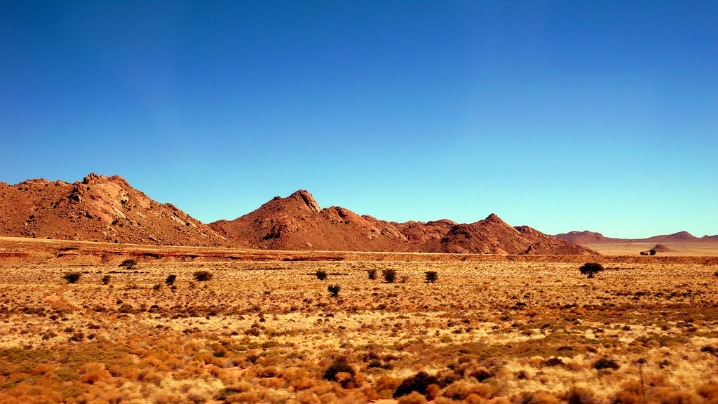
The climate of Lüderitz is characterized as desert climate, with low annual rainfall and high temperatures during the summer months. Summers can see temperatures rise above 30°C (86°F), while winters are mild with cooler temperatures. The area experiences strong coastal winds, which influence its weather patterns and create a stark, arid environment.
Environmental features in Lüderitz include the striking Namib Desert surroundings, which host unique flora and fauna adapted to the harsh conditions. The coastline is dotted with shipwrecks and ghost towns that reflect its historical significance in maritime trade and diamond mining. The region also features protected areas and marine reserves that support diverse marine life, including seals, penguins, and various seabirds.
Historical Background of Lüderitz
Lüderitz, a coastal town in southwestern Namibia, boasts a rich historical background shaped by European exploration and colonization. Originally inhabited by indigenous peoples, the area gained prominence in the late 19th century when German traders and settlers established it as a strategic port and trading hub. The town’s development was closely linked to Namibia’s colonial era under German rule, which left a lasting cultural and architectural legacy. Today, Lüderitz stands as a testament to this diverse history, blending its colonial past with vibrant local traditions.
Origin and Development of the Town
Lüderitz, a coastal town in Namibia, has a rich historical background rooted in its German colonial origins and development as an important trading port. The town was established during the late 19th century when Namibia was a German colony known as German South West Africa. Its strategic location along the Atlantic Ocean made it an ideal site for maritime activities and trade, especially with the discovering of valuable mineral resources in the region.
The origin of Lüderitz can be traced back to the early explorers and traders who sought to exploit the natural resources of the area. In 1883, Adolf Lüderitz, a German merchant, purchased land from local indigenous leaders and established a trading station. The town was named after him and quickly grew as a hub for the diamond and mineral industries, attracting European settlers and industries to the region.
During the early development stages, Lüderitz saw significant infrastructural improvements, including the construction of roads, railways, and port facilities to facilitate trade and transportation. Its port became a vital gateway for goods entering and leaving Namibia, especially during the diamond rush in the early 20th century. Despite periods of decline, the town’s natural harbor and unique architecture made it a notable location in Namibia’s colonial history.
- 1883: Adolf Lüderitz establishes a trading station after acquiring land from local leaders.
- Late 1800s: Growth driven by the diamond rush and mineral discoveries, attracting European settlers.
- 1908: Lüderitz becomes part of the German South West Africa colony, with significant infrastructural development.
- 1915-1918: During World War I, the town changes hands from German to South African control but retains its colonial architecture and economic significance.
- Post-World War II: The town’s importance wanes with shifts in trade and resource extraction, but it remains a historic and tourist destination.
Colonial Influences and Architectural Heritage
Lüderitz, Namibia, has a rich historical background rooted in its colonial past, which has significantly shaped its development and cultural landscape. Originally founded in 1883 by Adolf Lüderitz, a German trader, the town quickly became an important port and trading hub during the period of German colonization in Namibia, then known as German South West Africa. The colonial influences introduced German administrative systems, economic activities, and settlement patterns that have persisted through the years.
The colonial era left an indelible mark on Lüderitz, especially evident in its architectural heritage. The town is renowned for its well-preserved German colonial architecture, featuring colorful facades, ornate buildings, and distinctive European-style designs. Notable structures include old administrative offices, churches, and residential buildings that evoke the town’s historical significance as a colonial outpost. These architectural elements offer a glimpse into the past, blending European aesthetics with the local environment, and serve as a reminder of Lüderitz’s role in Namibia’s colonial history.
Today, Lüderitz’s historical background and architectural heritage attract tourists and history enthusiasts alike, providing a tangible connection to Namibia’s complex colonial past and its enduring legacy. Preservation efforts continue to maintain these historical sites, ensuring that the story of Lüderitz remains a vibrant part of Namibia’s cultural identity.
Historical Significance in Namibia’s Economy
Lüderitz, located in southwestern Namibia, has a rich historical background that dates back to its establishment in the late 19th century. Originally founded as a German trading post in 1883, it became a crucial hub during the period of German colonization known as German South West Africa. The town’s name honors Adolf Lüderitz, a German merchant and colonizer who played a significant role in its development. Throughout its history, Lüderitz served as an important port and trade center, particularly for the diamond and mineral industries.
Its historical significance in Namibia’s economy is profound, primarily due to its strategic location along the Atlantic coast. Lüderitz contributed to the economic development of Namibia by facilitating trade, supporting the fishing industry, and becoming a center for mineral extraction. The discovery of diamonds in the nearby Sperrgebiet during the early 20th century transformed the region into a key player in Namibia’s lucrative diamond industry. The port also served as a vital point for exporting livestock, minerals, and other goods, bolstering the country’s economic stability and growth over the years.
Tourist Attractions and Destinations in Lüderitz
Lüderitz, Namibia, is a captivating coastal town renowned for its unique blend of historical landmarks, stunning seaside scenery, and vibrant culture. Nestled along the Atlantic Ocean, it offers travelers a diverse array of attractions that highlight its colonial heritage and natural beauty. From colorful colonial architecture to dramatic desert landscapes, Lüderitz provides an unforgettable experience for those seeking adventure and discovery.
Kolmannskuppe (Ghost Town of Kolmannskuppe)
Lüderitz, Namibia, is a captivating coastal town renowned for its unique blend of history, architecture, and scenic landscapes. One of its most intriguing destinations is the Ghost Town of Kolmannskuppe, a well-preserved diamond mining settlement that offers a glimpse into Namibia’s colonial past. Visitors to Kolmannskuppe can wander through abandoned buildings, browse original artifacts, and explore the eerie yet fascinating remnants of the diamond rush era.
The town of Lüderitz itself boasts attractive landmarks such as its colonial-era architecture, vibrant waterfront, and the iconic Felsenkirche church. Adventure seekers can enjoy activities like boat tours to see the shoreline, guided tours of the nearby Sandwich Harbour, and birdwatching in the surrounding wetlands. The area’s striking desert landscapes combined with the Atlantic Ocean create stunning scenery perfect for photography and outdoor exploration.
Diaoro Bay and Scenic Coastal Views
Lüderitz, Namibia, is renowned for its captivating tourist attractions and stunning coastal scenery, making it a must-visit destination for travelers seeking unique experiences. The town’s rich history and vibrant culture are evident in its well-preserved colonial architecture and artifacts, offering a glimpse into its German colonial past.
One of the top attractions in Lüderitz is the iconic Diaz Point, where visitors can enjoy breathtaking views of the Atlantic Ocean and spot the historic monument commemorating Bartholomeu Diaz’s arrival in Namibia. Nearby, the picturesque Diaoro Bay provides excellent opportunities for boat tours, allowing tourists to explore the vibrant marine life and possibly encounter seals and dolphins along the coast.
The scenic coastal views in and around Lüderitz are truly spectacular, featuring rugged cliffs, sandy beaches, and dramatic rock formations. Visitors can take leisurely drives along the coastline or walk along the beaches to appreciate the raw beauty of this remote and pristine landscape. This combination of historical sites and natural beauty makes Lüderitz a distinctive destination for those eager to experience Namibia’s scenic coastal charm.
Felsenkirche (Rock Church)
Lüderitz, Namibia, is a charming coastal town renowned for its unique history and stunning scenery. One of its most iconic landmarks is the Felsenkirche, also known as the Rock Church, which stands out for its beautiful architecture and historical significance. This historic church, built in 1912, features a distinctive design that incorporates local stones, blending seamlessly with the surrounding landscape. Visitors to Lüderitz can explore the church’s interior, which offers insights into the town’s German colonial past and its cultural heritage. Aside from the Felsenkirche, Lüderitz offers a variety of tourist attractions including the old harbor, Diaz Cross, and nearby Kolmanskop, a fascinating abandoned diamond mining town. The scenic coastal environment, combined with historic sites, makes Lüderitz a captivating destination for travelers seeking both adventure and cultural exploration.
Famous Landmarks and Monuments
Lüderitz, located along the southern coast of Namibia, is a captivating destination known for its unique blend of history, architecture, and natural beauty. Visitors to Lüderitz can explore a variety of landmarks and attractions that highlight its colonial past and stunning coastal scenery.
Famous Landmarks and Monuments in Lüderitz
- Kolmanskop Ghost Town: A hauntingly beautiful abandoned diamond mining town that offers a glimpse into Namibia’s diamond rush era.
- Felsenkirche: A historic Lutheran church built in the early 20th century, renowned for its distinctive architecture and panoramic views.
- Angel Fountain: An iconic monument symbolizing the town’s maritime heritage, located in the town center.
- Gnói Goni Viewpoint: A scenic spot offering spectacular views over the Atlantic Ocean and the surrounding coastline.
Nature and Wildlife Around Lüderitz
Lüderitz, a coastal town in Namibia, is renowned for its unique blend of rugged landscapes and vibrant wildlife. Surrounded by deserts and the Atlantic Ocean, this area offers a diverse range of natural habitats that support a rich variety of flora and fauna. From seabirds soaring over dramatic cliffs to desert-adapted animals thriving in arid conditions, the wildlife around Lüderitz provides an exceptional glimpse into Namibia’s unspoiled natural beauty.
Bird Watching and Marine Life
Lüderitz, Namibia, is a stunning coastal town renowned for its diverse and vibrant wildlife, offering exceptional opportunities for bird watching and marine life exploration. Surrounded by dramatic deserts and the Atlantic Ocean, it provides a unique habitat for a variety of species, both on land and in the sea.
Bird enthusiasts will find Lüderitz a paradise, with numerous endemic and migratory bird species. The coastal dunes and wetlands attract flamingos, pelicans, cormorants, and herons, while species like African penguins can often be spotted along the rocky shores. The region’s islands and lagoons serve as important breeding grounds for seabirds and shorebirds, making it an ideal destination for observing avian diversity.
The marine environment around Lüderitz is equally remarkable, teeming with diverse marine life. The cold Benguela Current brings nutrient-rich waters, supporting a vibrant ecosystem that includes seals, dolphins, and whales. Visitors may witness the playful antics of Cape fur seals or encounter dolphins, such as bottlenose and humpback whales, during their seasonal migrations. The abundant marine biodiversity makes Lüderitz a popular spot for whale watching, snorkeling, and diving enthusiasts eager to experience the underwater world.
In addition to the spectacular fauna, the surrounding waters and coastline are home to fascinating marine plants and invertebrates, adding to the richness of Lüderitz’s natural environment. The combination of desert, sea, and wildlife creates a distinctive and captivating landscape that draws nature lovers from around the world to explore its pristine ecosystems.
Namib Desert Ecosystem Experiences
The area surrounding Lüderitz in Namibia offers a unique and captivating experience of the Namib Desert Ecosystem, rich in diverse wildlife and striking natural landscapes. Visitors can explore remote deserts, coastal areas, and salt flats that serve as habitats for an array of endemic species and migratory birds, providing a true immersion into Namibia’s remarkable natural environment.
- Fynbos and Desert Flora: Witness the resilient plant life of the Namib Desert, including succulents, acacias, and sparse grasses adapted to survive in arid conditions.
- Birdwatching Opportunities: Observe various bird species such as flamingos, pelicans, and occasionally migratory raptors that thrive along the coast and salt pans.
- Seals and Marine Life: Visit the beaches near Lüderitz to see Cape fur seals and other marine mammals, along with diverse fish and crustaceans in the cold Atlantic waters.
- Wildlife in the Dunes: Experience encounters with desert-adapted wildlife like desert lions, oryx, and springbok that have evolved to survive extreme desert environments.
- Unique Ecosystems: Explore areas such as the ghost town of Kolmanskop and Diaz Point, where the interplay of desert and ocean creates stunning natural phenomena and supports specialized ecosystems.
Discovering the wildlife and natural features around Lüderitz offers an unforgettable adventure into one of the world’s most extreme and beautiful ecosystems, showcasing Namibia’s resilience and rich biodiversity.
Marine Tours and Dolphin Cruises
Located along the stunning Skeleton Coast of Namibia, Lüderitz offers a unique blend of pristine nature and vibrant wildlife. The region is renowned for its rugged coastline, towering cliffs, and expansive desert landscapes that create a dramatic backdrop for diverse flora and fauna. Visitors can explore the area’s unspoiled environment through marine tours and dolphin cruises, providing an immersive experience of Namibia’s remarkable ecosystem.
Marine Tours from Lüderitz provide a close-up view of the Atlantic Ocean’s rich marine life. These excursions often feature sightings of sea birds, seals, and occasionally whales, depending on the season. The coastline is also home to various species of sharks and fish, making it a popular destination for eco-tourists and marine enthusiasts alike. The tours deliver memorable encounters with the wild beauty of Namibia’s coastline, highlighting the importance of conservation efforts in this fragile environment.
Dolphin Cruises around Lüderitz are equally captivating, offering the chance to observe playful dolphins in their natural habitat. Bottlenose dolphins are frequently seen leaping alongside boats, creating a magical experience for travelers. These cruises not only emphasize the enchanting marine species but also allow visitors to appreciate the tranquil waters and scenic vistas of the Atlantic Ocean. Embracing the natural wonder of Lüderitz’s marine life, these tours foster a deeper connection with Namibia’s vibrant ecosystems.
Economy and Industry of Lüderitz
Lüderitz, a coastal town in Namibia, boasts a unique economy shaped by its strategic location and historical development. The local industry revolves around the port services, fisheries, salt production, and tourism, which are vital to the region’s economic stability. The town’s rich history as a German colonial settlement also influences its industrial activities, making it an intriguing blend of traditional industries and emerging sectors. Lüderitz’s economy continues to evolve, driven by both natural resources and efforts to attract international visitors.
Mining and Mineral Resources
Lüderitz, located in southern Namibia, has a diverse economy primarily centered around mining, fishing, tourism, and industry. The region’s economic activities are shaped by its strategic coastal location and natural resources. Mining plays a significant role, with rich deposits of minerals such as tungsten, uranium, and base metals like zinc and copper attracting investment and providing employment opportunities. The processing of mineral resources supports the growth of local industries and contributes to Namibia’s overall mineral output. Additionally, Lüderitz’s port facilitates export and import activities, bolstering trade and commerce in the region. The fishing industry is also vital, leveraging the nutrient-rich waters of the Atlantic Ocean, which sustain a variety of fish species that supply both local markets and export markets. Tourism complements these sectors, with the area’s historical sites, proximity to the Namib Desert, and natural beauty drawing visitors. Overall, Lüderitz’s economy is diverse, with mining and mineral resources forming the backbone of its industrial activities, driving economic development in the region.
Fishing and Seafood Industry
Lüderitz, located in southwestern Namibia, is a prominent economic hub primarily driven by its vibrant fishing and seafood industry. The town’s strategic position along the Atlantic coast provides ideal conditions for deep-sea fishing, supporting a prosperous industry that supplies both local markets and exports. Fishing activities in Lüderitz include the harvesting of hake, monkfish, and other valuable fish species, which are processed in local facilities and contribute significantly to Namibia’s economy.
The seafood industry is central to Lüderitz’s economic development, with numerous processing plants and a well-organized fishing fleet. This sector not only provides employment to a large portion of the local population but also generates substantial revenue through exports. The Namibian government has invested in sustainable fishing practices to ensure the longevity of resources and maintain industry profitability. Additionally, Lüderitz has been exploring marine tourism and harbor expansion projects to diversify its economy and enhance its role as a key port in the region.
Tourism Sector Contributions
Lüderitz, Namibia, has a growing economy largely driven by its strategic location, natural resources, and developing tourism sector. The town’s economy benefits from activities such as fishing, mineral extraction, and logistics, supported by its deepwater port. Industry in Lüderitz is diversified, with salt production, seafood processing, and small-scale manufacturing contributing to local employment and economic growth.
The tourism sector plays a significant role in Lüderitz’s economy, attracting visitors with its rich history, unique architecture, and scenic coastal landscapes. Key attractions include the German colonial architecture, the ghost town of Kolmanskop, and offshore diamond mining activities. Tourism generates revenue through hotels, guesthouses, guided tours, and cultural events, creating jobs and supporting local businesses. The sector’s development is vital for sustainable economic growth and promoting Lüderitz as a hub for tourism in Namibia.
Cultural Significance and Events in Lüderitz
Lüderitz, a historic harbor town in Namibia, holds a unique cultural significance rooted in its rich history and diverse influences. Known for its German colonial architecture and vibrant cultural events, Lüderitz offers a captivating glimpse into Namibia’s multicultural heritage. The town hosts numerous festivals and celebrations that highlight its diverse traditions, making it a fascinating destination for those interested in exploring Namibia’s historical and cultural landscape.
Local Festivals and Celebrations
Lüderitz, Namibia, holds a unique cultural significance marked by its vibrant festivals and local celebrations that reflect the diverse history and heritage of the region. The town’s rich cultural tapestry is celebrated through various events that showcase its colonial past, indigenous traditions, and colonial architecture, creating a lively atmosphere throughout the year.
- Lüderitz Days: A major annual event commemorating the town’s history with exhibitions, parades, and cultural performances that highlight the local heritage and community achievements.
- Dia de Lüderitz: Celebrated on the town’s founding day, this festival features traditional music, dance, and food, fostering community spirit and pride.
- Sea Festival: An event that celebrates Lüderitz’s maritime heritage with boat races, seafood fairs, and coastal activities that emphasize the importance of the ocean to local life.
- Indigenous Traditions: Various smaller festivals and cultural gatherings dedicated to the indigenous communities, showcasing traditional crafts, music, and dances.
These events play a vital role in preserving Lüderitz’s cultural identity while attracting visitors from around the world, offering a glimpse into Namibia’s multicultural history and lively traditions.
Indigenous and Colonial Heritage
Lüderitz, Namibia, holds a rich tapestry of cultural significance that reflects both indigenous heritage and colonial history. The town is renowned for its historical architecture, including German colonial buildings that stand as testament to its past as a vital port during the colonial era. These structures, alongside the vibrant local traditions of the indigenous Nama and Damara peoples, create a diverse cultural landscape. Lüderitz serves as a focal point for numerous events that celebrate its unique heritage, such as the Lüderitz Arts Festival and the famous Diaz Festival, which commemorate the arrival of Portuguese explorer Bartolomeu Diaz in the area. The community actively preserves its indigenous language, crafts, and customs, blending them seamlessly with colonial influences to foster a strong sense of identity. As a result, Lüderitz offers a compelling window into Namibia’s complex history and the enduring cultural expressions of its peoples.
Art and Craftsmanship
Lüderitz, Namibia, holds a rich cultural significance rooted in its historical background and diverse communities. The town celebrates its colonial past through various cultural events, festivals, and traditions that reflect its German heritage and indigenous influences. Annual events such as the Lüderitz Speckenfest and other local festivals showcase traditional music, dance, and cuisine, fostering a strong sense of community and preserving the region’s cultural identity.
Art and craftsmanship in Lüderitz are vibrant expressions of its multicultural environment. Local artisans craft unique jewelry, pottery, and woodwork, often inspired by maritime themes and indigenous motifs. The town’s artistic scene is further enriched by galleries and cultural centers that promote Namibian artists and their work. Public art, sculptures, and handcrafted souvenirs are widely available, serving as both cultural symbols and tourist attractions that highlight the town’s artistic spirit and craftsmanship traditions.
Transportation and Accessibility
Luderitz, Namibia, is a picturesque coastal town known for its unique history and scenic beauty. Transportation and accessibility play a crucial role in connecting visitors to this remote destination, ensuring ease of travel within the town and to surrounding areas. Efficient transportation options are essential for exploring Luderitz’s landmarks, historical sites, and natural attractions, making it an important aspect of the overall visitor experience in this vibrant region.
Major Roads and Infrastructure
Luderitz, located in Namibia, boasts a well-developed transportation network that facilitates travel within the region and connects it to other parts of the country. The town’s infrastructure is essential for supporting both local residents and tourists exploring its unique attractions. The transportation system is comprised of major roads, port facilities, and other infrastructural elements designed to ensure smooth and efficient movement.
- The B3 national road is the primary route connecting Luderitz to Windhoek, enabling efficient overland travel across Namibia.
- Secondary roads link Luderitz to surrounding towns such as Aus and Rosh Pinah, supporting regional trade and mobility.
- The Luderitz Port serves as a crucial maritime hub for the import and export of goods, especially commodities like fish, salt, and minerals.
- Existing infrastructure includes well-maintained streets, parking facilities, and transportation services that accommodate both residents and visitors.
- Efforts are underway to improve dependency on road transport by upgrading road conditions and expanding port facilities to boost economic growth.
Air Travel Connections
Luderitz, Namibia, is a coastal town that serves as an important hub for transportation and accessibility in the region. Its strategic location along the Atlantic Ocean provides vital connections for travelers and goods moving in and out of Namibia. The town is accessible primarily via air travel, with the Luderitz Airport offering domestic flights that link to Windhoek, the capital city. These air travel connections facilitate easier access for tourists and business travelers, reducing travel time across the often vast Namibian landscape.
In addition to air travel, Luderitz is well-connected by road, with paved highways and rural roads that link it to other key towns and attractions in Namibia. This comprehensive network ensures smooth transportation for those exploring the area by car or bus, supporting tourism and local commerce. Although the town has limited rail connectivity, the existing transportation infrastructure makes Luderitz a reachable destination, promoting economic development and tourism growth while ensuring visitors can access its unique coastal scenery and historical sites with ease.
Ports and Maritime Transit
Luderitz, Namibia, serves as a vital port town located along the southwestern coast of the country, offering essential transportation and maritime services. Its strategic position facilitates the movement of goods and people between Namibia and international markets, especially through maritime transit. The port infrastructure supports regional trade, with facilities designed to handle bulk cargo, minerals, and other commodities, contributing significantly to the local economy.
Transportation in Luderitz is complemented by road networks that connect the port to inland areas, enabling efficient distribution of imports and exports. Although public transport options are limited, freight and private vehicles are commonly used for local transit. The town’s accessibility is enhanced by its proximity to national roads, making it a hub for logistics and maritime activities along Namibia’s Atlantic coast.
Maritime transit in the region is characterized by regular shipping routes, primarily servicing resource extraction industries such as mining and fishing. The port also functions as a departure point for tourists exploring the coastal and desert landscapes of Namibia. Overall, Luderitz’s transportation and maritime infrastructure play a crucial role in supporting economic development, regional connectivity, and access to remote areas.

0 Comments