
Geography of Namibia’s Desert and Ocean Regions
Namibia is renowned for its striking desert landscapes and expansive ocean coastline, which together shape the country’s unique geographic identity. The desert region, dominated by the Namib Desert, features towering sand dunes and arid terrain, while the Atlantic Ocean along Namibia’s coast provides vital ecological and economic functions. These contrasting environments create a diverse habitat and a fascinating natural setting that attracts scientists, tourists, and environmentalists alike.
Namib Desert: Location and Extent
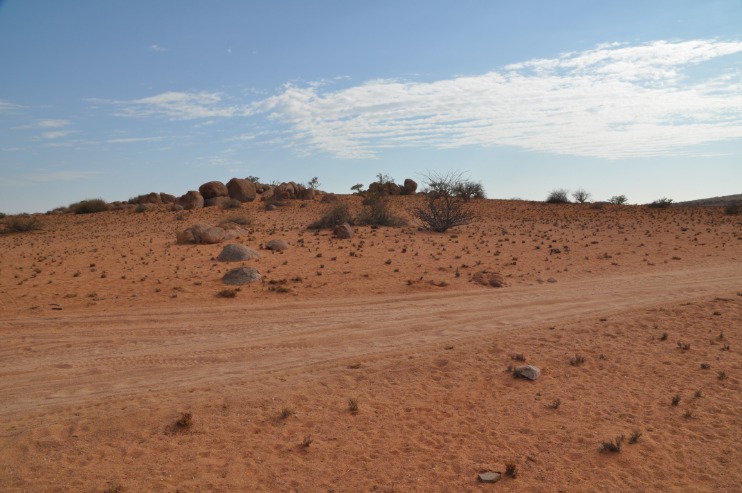
The geography of Namibia’s desert and ocean regions is characterized by vast, arid landscapes and extensive coastal areas that define the country’s unique environment. The Namib Desert, one of the oldest and most iconic deserts in the world, stretches along the Atlantic Ocean coast in southwestern Namibia, creating a striking boundary between land and sea. Its location and extent are essential to understanding Namibia’s natural landscape and ecological significance.
- The Namib Desert is situated along the western coast of Namibia, extending approximately 1,200 kilometers (around 750 miles) from the southern border with South Africa to the northern border with Angola.
- It covers an area of about 81,000 square kilometers (31,300 square miles), making it one of the largest desert regions in Africa.
- The desert lies directly adjacent to the Atlantic Ocean, influencing its climate and creating unique coastal desert conditions.
- Its location along the coast means it is exposed to cold Atlantic currents, which contribute to the desert’s aridity and foggy mornings, supporting some specialized flora and fauna.
Atlantic Ocean Bordering Namibia
Namibia features a diverse geography that includes expansive desert regions and a significant coastline along the Atlantic Ocean. The country is known for its arid landscapes, which are primarily characterized by the Namib Desert, one of the oldest deserts on Earth, stretching along the Atlantic coast. The Atlantic Ocean forms Namibia’s western border, greatly influencing its climate and marine ecosystems.
- The Namib Desert extends along the country’s entire Atlantic coast, covering roughly 2,000 kilometers and creating stunning sand dunes such as the iconic Dune 45.
- The desert’s environment is marked by extreme temperature variations, scarce rainfall, and unique adaptations of flora and fauna.
- Along the coastline, there are rich fishing grounds and offshore marine reserves that support local communities and biodiversity.
- The Atlantic Ocean winds also generate fogs that provide vital moisture to desert ecosystems, supporting some plant and animal life despite the arid conditions.
Topographical Features of the Desert
Namibia’s desert and ocean regions are characterized by striking topographical features that define the country’s unique landscape. The Namib Desert, one of the oldest deserts in the world, stretches along the Atlantic coast and is known for its towering sand dunes, some reaching heights of over 300 meters. These dunes are shaped by persistent winds and are among the most iconic features of the desert. The desert landscape includes gravel plains, rocky outcrops, and dry riverbeds, contributing to its diverse topography. Adjacent to the desert, the Atlantic Ocean influences the region’s climate and coastal features, including rocky shores, sandy beaches, and rich marine ecosystems. The coastal area also features the Skeleton Coast, known for its foggy conditions and shipwrecks, adding to the region’s rugged topographical diversity. Overall, Namibia’s desert and ocean regions display a stark yet captivating topographical variety that plays a significant role in shaping the country’s environment and ecosystems.
Coastal Landforms and Marine Boundaries
Namibia’s geography is characterized by its expansive desert landscapes and its extensive coastline along the Atlantic Ocean. The Namib Desert, one of the world’s oldest deserts, stretches along the coast and features towering sand dunes, rugged gravel plains, and sparse vegetation. This desert region plays a significant role in shaping the country’s climate and ecosystem. Adjacent to these deserts are the coastal landforms that include rocky cliffs, sandy beaches, and estuarine areas vital for marine life.
The coastal region of Namibia is influenced by the cold Benguela Current, which brings nutrient-rich waters, supporting a diverse array of marine species such as fish, seals, and seabirds. The marine boundaries along Namibia’s coast extend into the Atlantic Ocean, with territorial waters defined by international conventions, enabling fishing rights and marine conservation efforts.
Namibia’s coastal landforms also include notable features like the Skeleton Coast, known for its treacherous waters, shipwrecks, and fog-covered beaches. The marine boundaries established in this region are crucial for managing maritime resources and ensuring sustainable use of the oceanic environment. Together, Namibia’s desert and ocean regions create a unique and dynamic landscape with significant ecological and economic importance.
Ecology and Wildlife in Namibia’s Desert and Coastal Areas
Namibia’s desert and coastal regions are home to a diverse array of ecology and wildlife, showcasing nature’s resilience in some of the most arid environments on Earth. The Namib Desert, one of the oldest deserts globally, hosts unique plant and animal species adapted to extreme conditions. Along the Atlantic coast, the Benguela Upwelling System sustains rich marine life, supporting vibrant ecosystems and important fishing industries. Together, these landscapes create a remarkable environment where desert and ocean ecosystems intertwine, offering vital habitats for numerous species and attracting ecological research and eco-tourism.
Desert Flora and Fauna
Namibia’s desert and coastal areas are some of the most unique and ecologically rich regions in the world. These environments support a diverse range of wildlife and plant species that have adapted to extreme conditions such as drought, high temperatures, and limited water availability. The coastal region along the Atlantic Ocean, especially the Namib Desert, is home to remarkable flora and fauna that sustain ecological balance despite the harsh environment.
Ecology and Wildlife in Namibia’s Desert and Coastal Areas
The Namib Desert is renowned for its stunning landscapes and endemic species. The region’s wildlife is specialized to survive in arid conditions, including various mammals, reptiles, and bird species. The coastal area, influenced by the cold Benguela Current, supports rich marine life, making it a vital habitat for marine animals and bird colonies.
Desert Flora and Fauna
- Flora: Vegetation in the desert includes resilient plants such as the Namib Desert aloe, Welwitschia mirabilis, and various succulents like coping with limited water resources. These plants have developed water storage capabilities and deep root systems.
- Fauna: Desert animals have adapted through behaviors and physical features. Notable species include the oryx, desert-adapted elephants, and springbok. Reptiles like geckos and sand vipers are abundant and help control insect populations.
- Birds: Species such as the Rüppell’s sandgrouse and various vultures thrive in the desert environment, often relying on oases and seasonal water sources for survival.
Marine and Coastal Life
- Marine Mammals: The cold Benguela Current supports populations of seals, sea lions, and even occasional whales along the coastline.
- Birdlife: Coastal regions host diverse bird species, including the African penguin, terns, and cormorants, which depend on the rich fishing grounds.
- Marine Invertebrates: The shoreline is home to various crustaceans and mollusks that form the basis of the marine food chain.
Overall, Namibia’s desert and coastal ecosystems are critical habitats that showcase the resilience of nature. Conservation efforts are essential to preserve these unique environments and their incredible biodiversity for future generations.
Marine Ecosystems along the Atlantic Coast
Namibia’s desert and coastal regions are remarkable for their diverse ecology and vibrant wildlife, showcasing adaptations to extreme environments. The Namib Desert, one of the oldest deserts in the world, hosts unique flora and fauna such as desert-adapted elephants, oryx, and the endemic Welwitschia plant, which thrives amid arid conditions. These organisms have developed specialized survival strategies, including water conservation and burrowing behaviors, to endure the harsh landscape.
Along the Atlantic coast, Namibia’s marine ecosystems are equally rich and diverse. The cold Benguela Current brings nutrient-rich waters, supporting prolific fisheries and a variety of marine life such as seals, dolphins, and whales. The coast features protected areas like the Skeleton Coast, which provides sanctuary for these species and serves as an important breeding ground. The dynamic interaction between the desert landforms and the ocean currents creates a unique environment that sustains a wide array of ecological communities.
Adaptations of Desert Animals
Namibia’s desert and coastal regions are home to a diverse array of wildlife that have developed remarkable adaptations to survive in its harsh environment. The Namib Desert, one of the oldest deserts in the world, hosts animals that have evolved unique strategies to conserve water and stay cool under the intense sun. Coastal areas along the Atlantic Ocean, including the Namibian Skeleton Coast, support species adapted to tolerate salty conditions and limited food resources.
Desert animals in Namibia, such as the oryx and springbok, have specialized kidneys that concentrate urine, reducing water loss. The slender-horned gazelle is able to obtain most of its moisture from the plants it consumes, minimizing the need for direct water intake. Many animals are nocturnal, becoming active at night to avoid daytime heat, and their light-colored coats reflect sunlight to prevent overheating.
In coastal zones, animals like the Cape fur seal and seabirds have adapted to thrive in nutrient-rich but challenging environments. The fur seals have thick fur and blubber layers to insulate against cold ocean currents, while some seabirds utilize the updrafts created by the topography to conserve energy during flight. These adaptations enable wildlife in Namibia’s desert and coastal areas to not only survive but also flourish despite the extreme conditions.
Marine Species and their Habitats
Namibia’s desert and coastal regions are remarkable ecological zones that host a diverse array of wildlife adapted to extreme conditions. The Namib Desert, one of the oldest deserts in the world, provides a habitat for specialized species such as oryx, desert-adapted elephants, and the endemic Namibian desert lion. These animals have developed unique adaptations to survive scarce water, high temperatures, and limited vegetation. Along Namibia’s coast, the Atlantic Ocean influences the environment, creating rich marine ecosystems teeming with species like Cape fur seals, dolphins, and whales. The Benguela Current offshore supports abundant fish populations, including anchovies and sardines, which form the foundation of the marine food web. Coastal bird species such as pelicans, terns, and cormorants thrive in these nutrient-rich waters, while tide pools and rocky shores provide habitats for a variety of invertebrates and small fish. Together, the desert and marine environments of Namibia form a complex and fragile ecological mosaic, highlighting the importance of conservation efforts to protect these unique habitats and their wildlife.”
Climate and Environmental Conditions
Namibia’s unique landscape is characterized by a striking combination of deserts and oceans, creating diverse climate and environmental conditions. The desert regions, including the world-famous Namib Desert, experience extreme temperatures and low rainfall, leading to arid and harsh environments. Along the Atlantic coastline, the climate shifts to cooler and more humid conditions influenced by ocean currents. These contrasting environments support a variety of ecosystems and wildlife, highlighting the importance of understanding Namibia’s complex climatic conditions.
Climate Patterns in the Namib Desert
The Namib Desert, located along the coast of Namibia, is characterized by its extreme climate and unique environmental conditions. It is one of the oldest deserts in the world, with a climate that is arid and highly variable, leading to some of the harshest living conditions on Earth. The desert experiences minimal rainfall, often less than 50 millimeters annually, which contributes to its barren landscape and scarce vegetation.
Climate patterns in the Namib Desert are heavily influenced by the Atlantic Ocean, particularly the cold Benguela Current, which causes the coastal fog that is vital for the limited life forms in the region. This fog provides moisture to plants and animals, creating a rare microclimate that sustains desert-adapted species. Temperatures can vary drastically, with daytime highs reaching up to 40°C (104°F) during summer and dropping significantly at night, sometimes below freezing in winter. The combination of low precipitation, high temperature fluctuations, and cold ocean currents shapes the distinctive climate pattern of this coastal desert.
Oceanic Climate Influences
The climate of Namibia and its surrounding desert regions is heavily influenced by oceanic conditions, particularly the cold Benguela Current flowing along the coast. This oceanic influence results in a semi-arid to desert climate characterized by low and unpredictable rainfall, high evaporation rates, and significant temperature fluctuations between day and night. The cold current cools the air above it, reducing the likelihood of significant cloud formation and rainfall, which contributes to the arid environment of the Namib Desert. Additionally, the proximity to the Atlantic Ocean moderates temperatures along the coast, leading to cooler coastal areas compared to the inland desert regions. These oceanic factors play a crucial role in shaping Namibia’s unique desert landscape and its overall climate conditions, fostering a harsh yet distinctive environment adapted to these climatic influences.
Impact of Climate Change on Desert and Ocean Environments
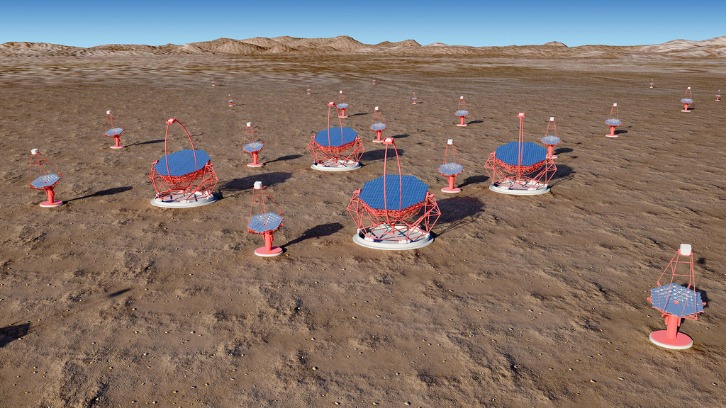
The Namibia desert and ocean regions are significantly affected by changing climate and environmental conditions, which have profound impacts on their ecosystems and local communities. Rising temperatures contribute to increased evaporation rates in the desert, intensifying arid conditions and threatening the survival of native flora and fauna. In the ocean, climate change leads to warmer sea surface temperatures and altered circulation patterns, disrupting marine biodiversity and affecting fisheries that depend on healthy marine ecosystems.
In the Namibia desert, intensified droughts and irregular rainfall patterns have resulted in reduced water availability and soil degradation, making it difficult for plant and animal species to thrive. These conditions also threaten traditional livelihoods, such as pastoralism and agriculture, increasing vulnerability of local populations. Conversely, in the Atlantic Ocean adjacent to Namibia, warming waters have caused shifts in marine species distribution, decreased fish stocks, and coral bleaching, which impacts biodiversity and economic stability of fishing communities.
Furthermore, rising sea levels and increased storm activity pose additional risks to coastal areas, leading to erosion and habitat loss. Protecting the delicate balance of Namibia’s desert and ocean environments requires concerted efforts to mitigate climate change, implement sustainable resource management, and promote conservation initiatives that safeguard these unique ecosystems for future generations.
Tourism and Conservation Efforts
Tourism in Namibia offers a unique blend of desert landscapes and coastal beauty, attracting travelers from around the world. While exploring the stunning dunes of the Namib Desert and the vibrant oceans along its coast, it is essential to pursue conservation efforts to preserve these natural wonders. Sustainable tourism plays a crucial role in protecting Namibia’s diverse environments, ensuring that future generations can continue to enjoy its breathtaking scenery and rich biodiversity.
Desert Safaris and Eco-tourism
Namibia’s desert and ocean environments offer unique opportunities for tourism while emphasizing the importance of conservation efforts. Visitors are drawn to the vast, breathtaking landscapes of the Namib Desert, home to iconic dune formations like Dune 45, which attract tourists from around the world. To protect these delicate ecosystems, sustainable tourism practices are promoted, ensuring that economic benefits do not come at the expense of environmental health. Desert safaris provide an adventurous way for travelers to explore the dunes, wildlife, and unique flora, all while adhering to conservation guidelines that minimize ecological impact.
Eco-tourism plays a vital role in Namibia’s approach to balancing tourism with nature preservation. Initiatives focus on educating visitors about the importance of conserving the desert and ocean ecosystems, including the rich marine life along the Atlantic coast and the rare desert-adapted species. Community-based tourism projects empower local communities, creating economic incentives to maintain biodiversity and protect natural resources. By integrating eco-friendly accommodations and responsible travel practices, Namibia showcases how tourism can be a force for conservation, enabling travelers to experience its extraordinary desert and ocean landscapes sustainably.
Marine Protected Areas and Marine Tourism
Namibia’s unique desert landscapes and expansive ocean environments present both opportunities and challenges for sustainable tourism and conservation efforts. To preserve its rich biodiversity and scenic beauty, Namibia has implemented various measures including marine protected areas and eco-friendly tourism practices.
Marine protected areas (MPAs) in Namibia are crucial for conserving marine life and maintaining ecological balance along the Atlantic Ocean coast. These MPAs serve to safeguard critical habitats, support fish populations, and promote scientific research. Well-managed MPAs also bolster local communities by fostering sustainable fishing and tourism activities.
Marine tourism in Namibia offers visitors a chance to experience vibrant marine ecosystems, including whale watching, dolphin tours, and exploring unspoiled beaches. Responsible tourism practices help minimize environmental impact, ensuring that future generations can enjoy Namibia’s natural treasures.
- Establishment of Marine Protected Areas to conserve marine biodiversity and support sustainable fisheries.
- Promotion of eco-friendly marine tourism activities, such as whale watching and diving, that emphasize environmental education and conservation awareness.
- Community involvement and benefits, ensuring local populations participate in and sustain tourism and conservation initiatives.
- Research and monitoring programs to track ecological health and adapt management strategies accordingly.
- Educational campaigns to raise awareness among tourists and residents about the importance of preserving Namibia’s desert and ocean environments.
Conservation Initiatives for Desert and Ocean Ecosystems
Namibia’s unique desert and ocean ecosystems attract many tourists while requiring careful conservation efforts to preserve their fragile environments. Sustainable tourism practices are crucial in minimizing the ecological impact of visitors and ensuring the long-term health of these ecosystems. Various conservation initiatives have been implemented to protect Namibia’s iconic landscapes, including the Namib Desert and the Atlantic Ocean coastline.
- Establishment of protected areas such as Namib-Naukluft National Park to conserve desert flora and fauna.
- Promotion of eco-tourism activities that emphasize low-impact visitation and environmental awareness.
- Community-based conservation projects that involve local residents in protecting natural resources, providing economic benefits and promoting stewardship.
- Research and monitoring programs aimed at understanding the impacts of tourism and climate change on desert and ocean ecosystems.
- Marine conservation initiatives, including the creation of marine protected areas to safeguard fish stocks and marine biodiversity.
- Educational campaigns to increase visitor awareness about the importance of conserving Namibia’s desert and ocean environments.
Economic Activities in the Desert and Coastal Regions
The economic activities in Namibia’s desert and coastal regions showcase a diverse blend of resource-based industries and tourism. The desert areas, characterized by arid landscapes, primarily support activities such as mining and mineral extraction, while the coastal regions are vital for fishing, salt production, and tourism. These industries play a crucial role in the country’s economy, leveraging Namibia’s unique geographical features to foster growth and development in these challenging environments.
Mining and Natural Resource Extraction in the Desert
In Namibia, economic activities in desert and coastal regions are diverse, with a focus on sustainable utilization of natural resources. The desert areas, particularly the Namib Desert, support specific industries such as mineral mining and tourism, while the coastal regions are vital for fishing and maritime trade. Mining is a significant economic activity in the desert, with Namibia being rich in minerals like uranium, copper, zinc, and salt. These resources are extracted through various mining operations that contribute considerably to the national economy. Additionally, salt evaporation is practiced along the coast, utilizing the natural saline springs and seawater. The coastal regions also benefit from tourism, attracting visitors to the unique landscapes, wildlife, and coastal phenomena. Overall, both desert and coastal regions play critical roles in Namibia’s economic development, leveraging natural resources responsibly and promoting sustainable industries.
Fisheries and Marine Resources
Economic activities in Namibia’s desert and coastal regions are diverse, reflecting the unique geographical features of the area. In the desert regions, activities such as mining, including uranium and mineral extraction, play a significant role in the local economy. Additionally, tourism centered around the Namib Desert’s stunning landscapes attracts visitors from around the world. In coastal areas, fishing and marine resource utilization are vital economic contributors. The Atlantic Ocean provides rich fishing grounds for species like sardines, hake, and anchovies, supporting both local consumption and export markets. Marine resources also include crustaceans and mollusks, which bolster the fishing industry. Sustainable management of these resources is essential to maintain the ecological balance and ensure ongoing economic benefits for communities dependent on fishing and marine activities.
Renewable Energy Projects (e.g., Solar, Wind)
The desert and coastal regions of Namibia are characterized by diverse economic activities that leverage their unique environments. In the desert areas, mining and tourism play significant roles, with mineral extraction from areas such as the Namib Desert contributing to the economy. Additionally, the arid landscape attracts eco-tourism, drawing visitors interested in wildlife and natural scenery. Along the coast, fishing is a vital industry, supported by rich marine resources in the Atlantic Ocean, which sustains local communities and exports. These regions also increasingly focus on renewable energy initiatives to harness their natural advantages.
Renewable energy projects in Namibia’s desert and coastal regions are gaining momentum, particularly solar and wind energy. The expansive deserts offer abundant sunlight, making solar power a highly viable and sustainable energy source. Large-scale solar farms have been developed to generate electricity for both local consumption and export. Wind energy is also harnessed along the coastline, where strong and consistent sea breezes provide ideal conditions for wind turbines. These projects not only contribute to Namibia’s energy independence but also support environmental sustainability and economic growth by creating employment opportunities and attracting investments in green technologies.

0 Comments