
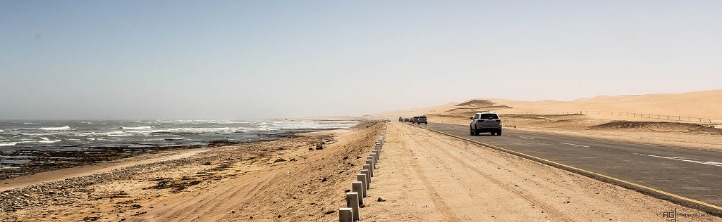
Geographical Overview of the Namib Sand Sea
The Namib Sand Sea, located along the Atlantic coast of Namibia, is one of the world’s most breathtaking and expansive desert landscapes. Covering an area of approximately 16,200 square kilometers, it is renowned for its towering sand dunes, some exceeding heights of 300 meters. This unique desert environment is part of the Namib Desert, one of the oldest in the world, and features a diverse array of flora and fauna adapted to its extreme conditions. The Namib Sand Sea’s striking terrain and remote wilderness make it a significant natural wonder and a vital part of Namibia’s ecological and cultural heritage.
Location and Extent
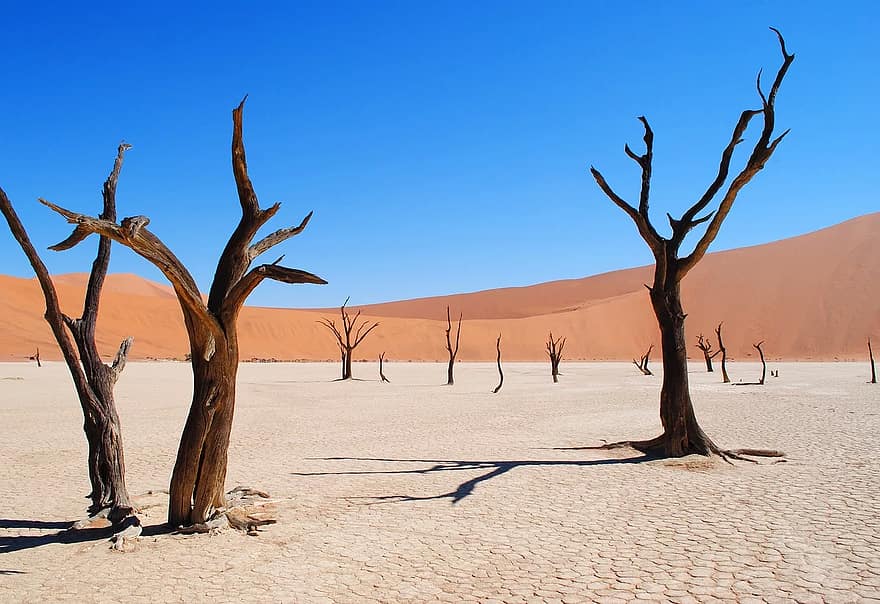
The Namib Sand Sea is a vast and stunning desert landscape located in southwestern Namibia, renowned for its extensive sand dunes and unique ecological features. It is part of the Namib Desert, one of the oldest deserts in the world, and is characterized by its dramatic orange dunes that stretch over a significant area along the Atlantic coast.
- The Namib Sand Sea primarily lies within the boundaries of the Namib-Naukluft National Park, which spans portions of the Namib Desert.
- It extends from the southern border of Angola down along the Atlantic coast towards the vicinity of Walvis Bay in Namibia.
- The aerial extent of the sand sea covers approximately 17,000 square kilometers, making it one of the largest vegetated sand seas globally.
- The region is defined by its formidable dunes, some of which reach heights over 300 meters, notably the famous Dune 45 near Sossusvlei.
- The coastal area where the sand sea meets the Atlantic Ocean creates a distinctive landscape of shifting sands, coastal plains, and rugged mountain ranges.
Geological Formation and Age
The Namib Sand Sea, located along the Atlantic coast of Namibia, is one of the world’s oldest and most spectacular deserts, renowned for its vast expanse of towering dunes and unique ecological features. This desert stretches approximately 130 kilometers inland and spans a length of about 100 miles, forming a natural border between the Atlantic Ocean and the Namibian interior. The region is characterized by its dynamic dunes, some of which reach heights of over 300 meters, creating an iconic landscape that attracts researchers and tourists alike.
Geographically, the Namib Sand Sea encompasses a variety of terrains including mobile sand dunes, gravel plains, and occasional rocky outcrops. The area is largely flat, with the dunes shifting and reshaping due to wind patterns, particularly the dominant trade winds from the southeast. This region is part of the broader Namib Desert, which is considered one of the oldest deserts in the world, with its formation shaped by complex climatic and geological processes over millions of years.
Geologically, the formation of the Namib Sand Sea is closely linked to its ancient geological history. The gravel plains and dunes owe their origins to the erosion and weathering of surrounding mountain ranges, particularly the Kaokoveld and the other neighboring ranges. The dunes are primarily composed of quartz sand, which has been transported and deposited by wind over extensive periods. The formation of this desert is believed to date back at least 55 to 80 million years, making it one of the most ancient deserts on Earth. Its age is evidenced by the stability of its dunes and the fossilized remnants of ancient organisms preserved within the sediments. The ongoing geological processes, combined with the climatic conditions, continue to shape the landscape of the Namib Sand Sea, ensuring its status as a dynamic and primeval environment.
Climate and Weather Patterns
The Namib Sand Sea, located along the coast of Namibia, is one of the world’s most remarkable and expansive dune fields, covering approximately 17,000 square kilometers. This unique desert landscape stretches from the mouth of the Orange River in the south to the Guinas River in the north, creating a striking and diverse geographical feature characterized by towering sand dunes, some reaching heights over 300 meters, and a landscape shaped by centuries of wind erosion and deposition. The region is part of the Namib Desert, widely regarded as the oldest desert in the world, with a landscape that has remained largely unchanged for thousands of years.
The climate of the Namib Sand Sea is classified as hyper-arid, with very low and unpredictable rainfall, high temperatures during the day, and significant temperature drops at night. The region experiences average annual rainfall less than 50 millimeters, primarily falling during the winter months from May to August due to cold Atlantic Ocean currents. The coastal location influences the climate, often resulting in foggy mornings caused by the cold Benguela Current, which contributes moisture to the air and supports some localized ecosystems within this harsh environment.
Weather patterns in the Namib Sand Sea are strongly influenced by the cold ocean currents, prevailing wind systems, and the desert’s geographic features. The dominant wind direction is from the southwest, bringing in dry, cool air that sustains the arid conditions. Seasonal variations lead to extremely hot summers, with daytime temperatures frequently exceeding 40 degrees Celsius (104 degrees Fahrenheit), while winter temperatures can drop significantly overnight. The persistent coastal fog plays a crucial role in the desert’s ecology, providing moisture necessary for the survival of various specialized plants and animals adapted to this extreme environment.
Unique Landscape Features
The Namib Sand Sea in Namibia is renowned for its extraordinary landscape features that showcase nature’s artistry. This vast desert region is characterized by dynamic sand dunes, breathtaking patterns formed by wind, and pristine, untouched environments. These unique landscape features create a surreal and captivating landscape, making it a remarkable destination for explorers and nature enthusiasts alike.
Dunes and their Morphology
The Namib Sand Sea in Namibia is renowned for its striking and unique landscape features, particularly its expansive sand dunes that showcase remarkable morphological diversity. These dunes are composed of fine, well-sorted quartz grains, forming part of the world’s largest continuous expanse of sandy desert. Their shapes and forms are influenced by wind dynamics, creating a variety of dune types such as crescent-shaped barchans, linear seifs, dome-shaped dunes, and star dunes. Each dune type possesses distinctive features that tell a story of prevailing wind directions and shifting sand patterns over thousands of years. The massive, towering dunes, some exceeding 300 meters in height, contribute to a surreal landscape that highlights natural processes of erosion, deposition, and sediment transport. The morphology of these dunes not only shapes the visual landscape but also supports diverse ecosystems adapted to harsh, dynamic conditions, making the Namib Sand Sea a remarkable natural laboratory for studying desert geomorphology and landscape evolution.
Color Variations and Sand Composition
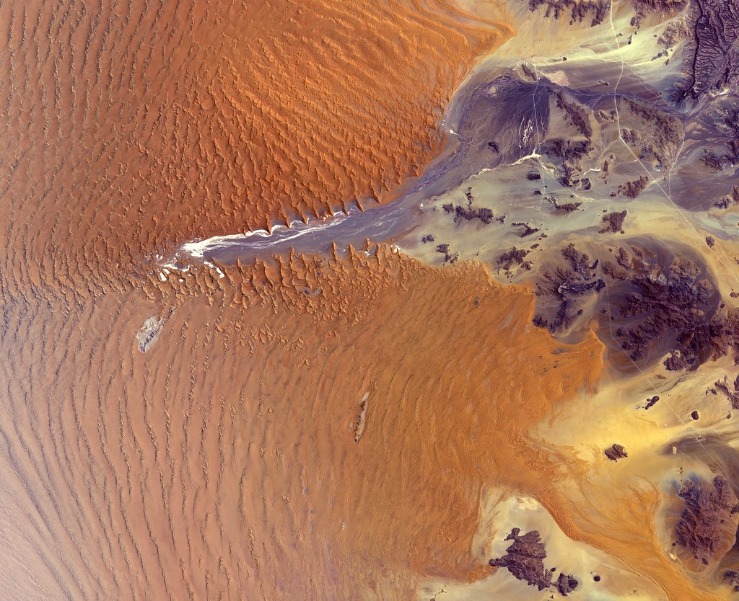
The Namib Sand Sea in Namibia is renowned for its extraordinary landscape features, vibrant color variations, and diverse sand composition. Its vast dunes, some reaching heights of over 300 meters, create striking silhouettes against the horizon, showcasing natural artistry shaped by millennia of wind and erosion. The colors of the dunes range from deep reds and oranges to lighter yellows and even purples, reflecting the mineral content within the sand and the angle of sunlight at different times of day. This landscape is further distinguished by unique formations, such as white quartz fields and crescent-shaped dunes, adding to its visual complexity.
The color variations within the Namib Sand Sea are primarily driven by mineral deposits like iron oxide, which give the dunes their characteristic rich reds and rust tones. As sunlight strikes different parts of the dunes, their hues shift, creating a dynamic and ever-changing palette that captivates visitors and photographers alike. The interplay of light and color enhances the surreal quality of the landscape.
Sand composition in the Namib Sand Sea is predominantly quartz, making it one of the world’s largest continuous areas of white quartz sand. This mineral-rich sand results from prolonged weathering of rocks over millions of years, with wind and water transporting these fine particles across the landscape. The uniformity and purity of the quartz grains contribute to the distinctive appearance and texture of the dunes, providing vital habitat for specialized flora and fauna adapted to this harsh environment.
Superimposed and Transverse Dunes
The Namib Sand Sea in Namibia is renowned for its stunning and diverse landscape features, particularly its unique dune formations. Among these, superimposed and transverse dunes stand out as some of the most remarkable structures, contributing to the area’s dramatic scenery and ecological significance.
Superimposed dunes are formed when older dunes are overlaid by newer ones, creating a layered appearance that reveals the history of wind patterns and sediment accumulation. These dunes often show different orientations and sizes, illustrating the dynamic geological processes at work within the Namib Desert.
Transverse dunes, on the other hand, are characterized by their linear shape and are aligned perpendicular to the prevailing wind direction. They are typically vast and continuous ridges that maximize sand accumulation, forming striking visual patterns across the landscape. Their formation indicates strong, consistent winds and abundant sand supply, shaping the desert’s iconic horizon.
- Superimposed dunes provide insight into the historical wind conditions and shifting patterns over time.
- Transverse dunes dominate large parts of the Namib Sand Sea, creating a mesmerizing sea of sand ridges.
- The interplay between these dunes creates a dynamic and ever-changing landscape, attracting scientists and travelers alike.
- Such features are vital habitats for specialized desert flora and fauna adapted to these extreme conditions.
Ecology and Biodiversity
The Namib Sand Sea in Namibia is a remarkable example of Earth’s intricate ecological systems and unparalleled biodiversity. This vast desert landscape teems with a unique array of plant and animal species adapted to its extreme environment. Understanding the ecological dynamics and the rich variety of life here is essential for appreciating the delicate balance that sustains this extraordinary region.
Flora Adaptations to Arid Conditions
The Namib Sand Sea in Namibia is a striking example of ecological resilience, showcasing a diverse range of flora adapted to the harsh, arid conditions of the desert. In this environment, plants have evolved specialized strategies to survive extreme temperatures, water scarcity, and nutrient-poor soils. Many native species develop deep root systems to access underground water sources, while others possess thick, waxy coatings on their leaves to minimize water loss through evaporation.
Additionally, some plants, such as succulents, store water in their fleshy tissues to sustain them during prolonged dry periods. Small or spiny leaves reduce surface area and limit water loss, while rapid life cycles allow certain plants to germinate, grow, and reproduce quickly during rare rainfall events. These adaptations not only enable survival but also support the wider ecological community by providing shelter and food for insects, birds, and other desert wildlife, maintaining biodiversity in the challenging environment of the Namib Sand Sea.
Fauna of the Namib Sand Sea
The Namib Sand Sea in Namibia is one of the most remarkable ecologies in the world, renowned for its vast, shifting dunes and rich biodiversity. Despite the harsh desert environment, this region supports a variety of flora and fauna uniquely adapted to survive in extreme conditions, making it a vital area for biodiversity preservation.
The fauna of the Namib Sand Sea includes several specialized species that have evolved to thrive in this desert ecosystem:
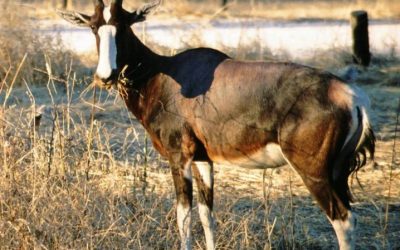
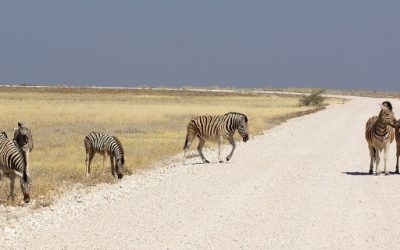
- Namib Desert adaptation species such as oryx, springbok, and desert-adapted elephants that have developed efficient water conservation mechanisms.
- Small mammals like gerbils and desert foxes that are nocturnal to avoid daytime heat and conserve moisture.
- Reptiles including geckos, lizards, and snakes that regulate their body temperature through behavioral adaptations and burrowing.
- Avian species such as sociable weavers, lappet-faced vultures, and dune larks which are crucial for the ecological balance and pollination.
- Invertebrates like beetles and scorpions that are specially adapted to survive the extreme dryness and temperature fluctuations.
The biodiversity of the Namib Sand Sea is protected within the Namib-Naukluft National Park, which ensures the conservation of these unique species and their fragile habitats. Understanding and safeguarding this ecological treasure is vital for maintaining the resilience and health of desert ecosystems worldwide.
Microbial and Insect Life
The Namib Sand Sea in Namibia is one of the world’s oldest and most expansive desert ecosystems, exhibiting remarkable biodiversity despite its arid conditions. This unique environment supports a variety of flora and fauna that have adapted to survive in extreme heat and minimal water availability, showcasing the resilience of life in challenging habitats.
Ecology and biodiversity in the Namib Sand Sea are characterized by specialized plant species such as desert grasses and hardy succulents that stabilize the soil. These plants form the foundation for animal communities, including insects, reptiles, and small mammals, which have evolved various adaptations to thrive in this environment.
Microbial life plays an essential role in the desert ecosystem, with bacteria and fungi helping to decompose organic material and recycle nutrients vital for plant growth. Extremophile microorganisms have been discovered in soil and water sources, displaying unique metabolic processes that support life even in the harshest conditions.
Insect populations, including beetles, ants, and other invertebrates, are crucial for pollination, soil aeration, and food chains within the Namib Sand Sea. Their adaptations, such as altered activity patterns and water conservation mechanisms, enable them to survive the extreme environment and maintain ecological balance.
The delicate interplay between microbial, insect, plant, and animal life in the Namib Sand Sea exemplifies the intricate web of ecology and biodiversity. Protecting this fragile ecosystem is vital for preserving its unique biological heritage and understanding resilience in extreme environments.
Ecological Significance and Conservation
The Namib Sand Sea in Namibia is a vast and dynamic desert ecosystem that plays a crucial role in maintaining ecological balance in the region. Its unique landscape supports a diverse array of plant and animal species adapted to extreme conditions. Preserving this fragile environment is vital not only for the survival of its native inhabitants but also for maintaining the overall health of the planet’s ecological systems. Conservation efforts are essential to protect this pristine wilderness from threats such as climate change, human activity, and overexploitation.
Protected Areas and National Parks
The Namib Sand Sea in Namibia holds immense ecological significance as one of the world’s oldest and most expansive sand deserts. It provides a unique habitat supporting specialized flora and fauna adapted to extreme arid conditions, including endemic plant species and resilient wildlife such as oryx, desert-adapted elephants, and various bird species. The region plays a crucial role in maintaining ecological balance and supporting migratory routes for many species. Conservation efforts are vital to preserve this fragile ecosystem from threats like climate change, mining, and tourism pressures.
Protected areas and national parks in Namibia, including parts of the Namib Sand Sea, are established to safeguard this unique environment. These areas help conserve biodiversity, promote sustainable tourism, and support scientific research. National parks such as Namib-Naukluft and Kaokoland encompass significant portions of the desert, ensuring that the natural landscape remains undisturbed and that native species continue to thrive. Effective management of these protected areas is essential for maintaining Namibia’s ecological heritage and ensuring that future generations can appreciate the desert’s beauty and ecological importance.
Conservation Challenges
The Namib Sand Sea in Namibia is an ecologically vital area renowned for its unique desert landscape, diverse flora and fauna, and ecological processes that support various species. Its vast dunes and ephemeral rivers create a fragile yet resilient ecosystem that plays a crucial role in regional biodiversity and climate regulation.
Conservation of the Namib Sand Sea is essential to preserve its ecological integrity and protect its endemic species. Efforts focus on maintaining the natural dynamics of the dunes, safeguarding critical habitats, and promoting sustainable tourism that minimizes environmental impact.
- Habitat Loss and Fragmentation: Increasing human activities such as mining, infrastructure development, and tourism can disrupt the delicate balance of the dune ecosystem.
- Climate Change: Rising temperatures and changing rainfall patterns threaten the stability of the dunes and the survival of native species adapted to harsh desert conditions.
- Overexploitation of Resources: Unsustainable harvesting of plant species and water resources can deplete essential components of the ecosystem.
- Lack of Awareness and Policy Enforcement: Insufficient local awareness and weak enforcement of conservation policies hinder effective protection measures.
- Invasive Species: Introduction of non-native plants and animals can compete with indigenous species and alter the natural ecology of the area.
Addressing these challenges requires integrated management strategies that combine scientific research, community engagement, and strong policy enforcement to ensure the long-term conservation of the Namib Sand Sea’s unique ecological landscape.
Research and Monitoring Efforts
The Namib Sand Sea in Namibia holds profound ecological significance as one of the world’s oldest and most expansive coastal desert ecosystems. It provides critical habitat for a variety of specialized flora and fauna adapted to extreme arid conditions, including unique plant species, desert-adapted elephants, and endemic insects. Its dynamic sand dunes play a vital role in regulating local climate patterns and supporting biodiversity. Conservation efforts are crucial to protect this fragile environment from threats such as overgrazing, mining, and climate change, which could disrupt its delicate ecological balance. Various initiatives focus on establishing protected areas, promoting sustainable tourism, and involving local communities in conservation activities to ensure the sand sea’s ecological integrity endures for future generations. Ongoing research and monitoring are vital, aiming to understand ecological processes, track environmental changes, and develop adaptive management strategies that help safeguard this emblematic desert landscape. These efforts provide critical insights into desert ecology and support global understanding of desert resilience amid evolving global environmental challenges.
Cultural and Economic Aspects
The Namib Sand Sea in Namibia is a mesmerizing landscape that beautifully exemplifies the intricate relationship between cultural traditions and economic activities. Its vast dunes and unique environment have shaped the local communities’ way of life for generations, influencing their cultural practices and economic pursuits. Understanding these aspects provides deeper insight into how the region’s natural environment sustains both its people and their rich cultural heritage.
Indigenous Communities
The Namib Sand Sea in Namibia is home to rich indigenous communities that have maintained their unique cultural identities over centuries. These communities, including the Himba, Herero, and San peoples, possess distinct traditions, languages, and lifestyles deeply connected to the arid environment. Their cultural practices often revolve around their relationship with the land, wildlife, and natural resources, which are essential for their survival and cultural expression.
Economically, indigenous communities in the Namib Sand Sea region primarily rely on traditional livelihoods such as pastoralism, hunting, and craft-making. In recent years, there has been an increase in eco-tourism and cultural tourism, providing new economic opportunities while emphasizing the importance of preserving their heritage and environment. Conservation efforts and sustainable development initiatives aim to balance economic growth with the protection of these indigenous cultures and the fragile desert ecosystem they inhabit.
Tourism and Recreational Activities
The Namib Sand Sea in Namibia is a remarkable region that offers a unique blend of cultural richness and economic significance. This UNESCO World Heritage Site is renowned for its towering sand dunes, ancient landscapes, and diverse ecosystems, attracting visitors from around the world. The local communities have preserved their cultural heritage through traditional practices, crafts, and festivals, which add a vibrant dimension to the region’s appeal. Economically, tourism plays a crucial role, providing income and employment opportunities for residents while promoting sustainable development.
Tourism and recreational activities in the Namib Sand Sea are diverse and cater to adventure seekers, nature lovers, and cultural enthusiasts alike. Visitors can explore iconic dunes like Dune 45 and the Big Daddy, often by guided safaris, quad biking, or hot air balloon rides that offer panoramic views of the surreal landscape. Wildlife safaris provide opportunities to observe desert-adapted animals such as oryx, springbok, and even rare desert elephants. The region’s pristine environment encourages eco-tourism initiatives, ensuring that tourism remains sustainable and benefits local communities. Overall, the Namib Sand Sea presents a compelling destination where natural beauty and cultural heritage intersect to create a truly unforgettable experience.
Impact of Human Activities
The Namib Sand Sea in Namibia exemplifies a unique region where cultural and economic aspects are deeply intertwined with the environment. As one of the oldest deserts in the world, it holds significant cultural value for local communities who have adapted their lifestyles and traditions around its expansive landscapes. Economically, the area attracts tourists and adventure seekers, providing a vital source of income for Namibia through sustainable tourism initiatives. However, human activities such as off-road driving, mining, and infrastructure development pose threats to the fragile desert ecosystem, leading to habitat degradation and loss of biodiversity. Balancing the preservation of this natural wonder with local economic growth remains a crucial challenge, underscoring the importance of responsible management and conservation efforts. Overall, human influence has the potential to both support and threaten the cultural heritage and ecological stability of the Namib Sand Sea.
Research and Scientific Studies
The Namib Sand Sea in Namibia is a remarkable natural landscape that has captivated researchers and scientists for generations. Renowned for its vast, shifting dunes and unique ecosystems, this UNESCO World Heritage site offers invaluable insights into desert dynamics, climate change, and ecological adaptations. Scientific studies conducted here contribute significantly to our understanding of arid environments and the delicate balance of life in extreme conditions.
Geomorphological Research
The Namib Sand Sea in Namibia is a remarkable region for geomorphological research, offering unique insights into desert landscape formation and geomorphic processes. Scientists study its extensive dune fields, interdune corridors, and complex sedimentary structures to understand how wind-driven processes sculpt the arid terrain over millennia. This area provides valuable data on aeolian geomorphology, sediment transport, and dune dynamics, helping to reveal the interplay between climate, wind patterns, and geological history.
Research in this region also investigates the influence of ancient riverbeds and underlying rock formations on the current landscape, contributing to broader knowledge of desert evolution and landscape stability. The Namib Sand Sea’s accessibility and well-preserved features make it an ideal natural laboratory for monitoring desertification, dune migration rates, and the impacts of climate change. Such scientific studies enhance our understanding of desert ecosystems and support sustainable management strategies for these fragile environments.
Climate and Environmental Studies
The Namib Sand Sea in Namibia is a remarkable region that has garnered significant attention from researchers and scientists due to its unique climate and environmental features. It is one of the oldest deserts in the world, showcasing millennia of geological and ecological evolution. Scientific studies focus on understanding the intricate interactions between climatic conditions and the desert’s stability, as well as the adaptations of endemic flora and fauna to such an extreme environment.
Climate research in the Namib Sand Sea highlights the influence of the Atlantic Ocean’s cold Benguela current, which contributes to the desert’s arid conditions and frequent fog formation. These fog events are vital for sustaining life in this hyper-arid landscape and are a key subject of environmental studies aiming to assess the impacts of climate variability and change. Additionally, researchers are investigating the desert’s fossil records and geological formations to trace historical climate fluctuations and predict future environmental shifts.
Environmental assessments also examine the conservation efforts to protect this fragile ecosystem from threats such as mining, tourism, and climate change. Studies emphasize the importance of maintaining the natural balance to preserve the biodiversity unique to the Namib Sand Sea, including specialized plant species like welwitschia and various desert-adapted animals. Through ongoing scientific research, efforts are made to develop sustainable management practices that ensure the longevity of this breathtaking and ecologically important region.
Biological and Ecological Research
The Namib Sand Sea in Namibia is a unique and vital area for biological and ecological research, offering insights into desert ecosystems, adaptation, and conservation efforts. Its expansive dunes and biodiversity hotspots provide a natural laboratory for scientists studying the resilience of life in harsh environments.
- Research in the Namib Sand Sea focuses on how flora and fauna adapt to extreme arid conditions, including specialized plant species like welwitschia and desert-adapted animals such as oryx and desert reptiles.
- Ecological studies examine the interactions between organisms and their environment, particularly how sand dune mobility influences habitat stability and species distribution.
- Biological investigations include the study of microbial communities that thrive in sandy soils, revealing their roles in nutrient cycling and soil stabilization.
- Scientific efforts also assess the impacts of climate change on the desert’s ecosystem, helping to develop strategies for its preservation and sustainable management.
- Long-term ecological monitoring projects aim to understand ecological shifts and identify endangered species within the desert environment.
- Research on desert geomorphology contributes to understanding dune formation, migration patterns, and sediment transport processes.
- Studies often incorporate remote sensing and GIS technologies to map habitat changes and support conservation planning.
- Interdisciplinary approaches combine biological, geological, and atmospheric sciences to gain comprehensive knowledge about the Namib Sand Sea’s ecological dynamics.

0 Comments