
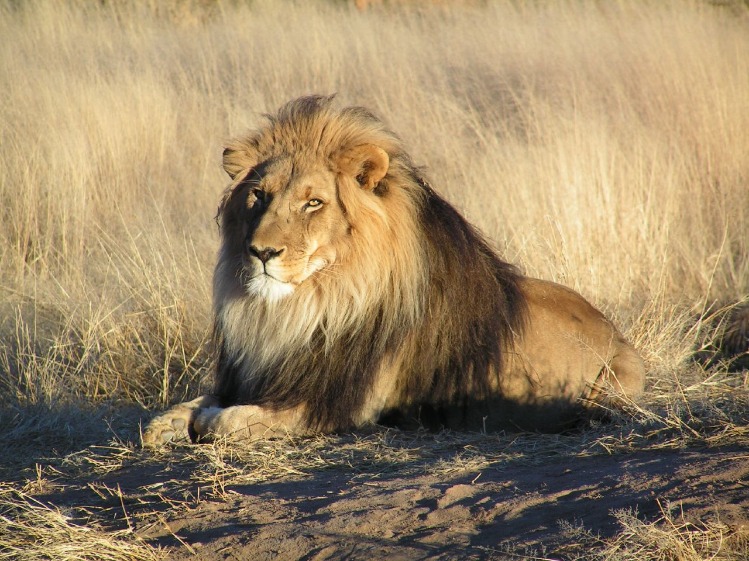
Overview of Namibia National Parks
Namibia is renowned for its stunning landscapes and diverse wildlife, making its national parks some of the most celebrated in Africa. These protected areas offer visitors a unique opportunity to explore vast deserts, lush wetlands, and rugged mountains while observing a wide variety of animal species in their natural habitats. Namibia’s national parks are essential conservation sites that showcase the country’s rich ecological heritage and provide unforgettable experiences for nature enthusiasts and travelers alike.
Location and Geographical Features
Namibia is home to several stunning national parks that showcase its diverse landscapes and rich ecosystems. These parks protect unique flora and fauna, offering visitors an opportunity to experience the country’s natural beauty and wildlife. The boundaries of Namibia’s national parks are carefully managed to preserve their ecological integrity and promote tourism and conservation efforts.
Namibia’s national parks are primarily located in the central, northern, and southern regions of the country. Etosha National Park, situated in the north, is renowned for its expansive salt pan and abundant wildlife, including elephants, lions, and rhinoceroses. The Namib-Naukluft National Park, in the southwest, encompasses part of the world’s oldest desert, featuring towering sand dunes such as the iconic Dune 45 and rugged mountains. Waterberg Plateau Park offers dramatic escarpments and diverse habitats, while Skeleton Coast Park lies along the Atlantic coast, characterized by shipwrecks, foggy conditions, and unique coastal ecosystems. These parks are characterized by varied geographical features, including vast deserts, savannahs, mountain ranges, and rugged coastline, making Namibia a truly exceptional destination for nature enthusiasts.
Historical Significance
Namibia is home to some of Africa’s most remarkable national parks, each offering unique landscapes and rich biodiversity. These parks serve as vital conservation areas that protect endemic species and preserve Namibia’s natural heritage. The parks are renowned for their stunning desert scenery, vast plains, and diverse wildlife, making them popular destinations for eco-tourism and adventure travelers.
Historically, Namibia’s national parks hold significant cultural and environmental importance. They provide insights into the region’s ancient ecosystems and have played a crucial role in conservation efforts since their establishment. For example, Etosha National Park, one of the largest and most visited parks, was proclaimed in 1907 and has contributed to the preservation of wildlife populations, including endangered species like black rhinos and cheetahs. These parks also reflect Namibia’s commitment to sustainable tourism and environmental protection, fostering awareness about the importance of maintaining ecological balance for future generations.
Overview of Major Parks
Namibia boasts a diverse range of national parks that showcase its stunning landscapes, rich wildlife, and unique ecosystems. These protected areas are vital for conservation and offer incredible opportunities for ecotourism and wildlife viewing, drawing visitors from around the world. The parks provide a glimpse into Namibia’s natural heritage and ecological significance.
Among the major parks, Etosha National Park stands out as one of Africa’s premier wildlife reserves, famous for its salt pan and abundant game such as elephants, lions, rhinoceroses, and giraffes. It serves as a crucial habitat for endangered species and is renowned for its waterholes that attract animals during the dry season. The Namib-Naukluft National Park, on the other hand, features vast sand dunes, including the iconic Dune 45, and offers breathtaking desert landscapes perfect for scenic drives, hiking, and photography. Bwabwata National Park overlaps the Caprivi Strip and is notable for its lush vegetation and diverse species, including elephants, hippos, and crocodiles, thriving in its riverine environment. Other important parks include Skeleton Coast National Park, known for its hauntingly beautiful coastal scenery and shipwrecks, and Waterberg Plateau Park, which provides dramatic cliffs, rich flora and fauna, and opportunities for hiking and wildlife encounters. Collectively, these parks highlight Namibia’s commitment to preserving its natural environment and provide diverse experiences for nature enthusiasts.
Etosha National Park
Etosha National Park is a renowned wildlife sanctuary located in Namibia, famous for its vast salt pan and diverse array of animal species. Covering an area of approximately 22,750 square kilometers, it offers a unique landscape where visitors can observe incredible wildlife including elephants, lions, giraffes, and rhinoceroses. The park’s waterholes attract animals year-round, making it a top destination for safaris and nature enthusiasts exploring Namibia’s rich natural heritage.
Wildlife and Biodiversity
Etosha National Park is one of Namibia’s most renowned wildlife reserves, known for its vast salt pan and rich biodiversity. The park spans approximately 22,750 square kilometers and provides a vital habitat for a wide variety of flora and fauna. It serves as a crucial sanctuary for many endangered species, including black rhinos and cheetahs, offering visitors the opportunity to witness remarkable wildlife in their natural environment.
The park is home to over 340 bird species, making it a popular destination for birdwatchers. The availability of water around the many waterholes during the dry season attracts large concentrations of wildlife such as elephants, lions, giraffes, zebras, and antelopes. The diverse ecosystems within Etosha support a high level of biodiversity, fostering intricate food webs and ecological interactions that sustain its vibrant wildlife population.
Conservation efforts in Etosha National Park have been instrumental in maintaining its biodiversity and protecting threatened species. The park’s varied habitats, from grasslands to acacia woodlands, contribute to its status as a crucial ecological site in Namibia. Visitors to Etosha not only enjoy unforgettable safari experiences but also contribute to the ongoing conservation initiatives that help preserve Namibia’s natural heritage for future generations.
Tourist Attractions and Activities
Etosha National Park is one of Namibia’s premier wildlife destinations, offering visitors a unique opportunity to witness stunning landscapes and diverse animal species. The park is renowned for its vast salt pan that dominates the landscape and attracts numerous wildlife species throughout the year.
- Wildlife Viewing: Etosha is home to elephants, lions, cheetahs, giraffes, rhinoceroses, and numerous antelope species. The park’s waterholes provide excellent vantage points for spotting animals during game drives.
- Etosha Pan: The expansive salt pan is a breathtaking feature, especially during the rainy season when it temporarily transforms into a shimmering lake, attracting migratory birds.
- Bird Watching: With over 340 bird species recorded, bird enthusiasts can enjoy viewing species such as flamingos, herons, and vultures.
- Guided Safaris: Professional guides offer game drives and walking safaris that enhance the wildlife experience and provide insight into the park’s ecosystem.
- Camping and Lodges: Visitors can stay at designated campsites or luxury lodges within the park, allowing for immersive wildlife experiences and close contact with nature.
- Night Drives: Some select activities include night game drives to observe nocturnal animals in their natural habitat.
- Photography Tours: The scenic landscapes and abundant wildlife make Etosha a perfect location for photography enthusiasts.
- Educational Programs: The park offers educational sessions and visitor centers focused on conservation and local wildlife.
Conservation Efforts
Etosha National Park in Namibia is widely recognized for its diverse wildlife and extensive conservation efforts aimed at preserving its unique ecosystem. Established in 1907, it is one of Africa’s oldest and most important conservation areas, drawing tourists and researchers alike. The park’s focus on sustainable management and habitat preservation has contributed significantly to the protection of many endangered species, including black rhinos, elephants, lions, and cheetahs.
Conservation efforts in Etosha National Park include a combination of ecological management, community involvement, and international cooperation. These initiatives are designed to balance wildlife preservation with tourism and local community development, ensuring long-term sustainability of the park’s natural resources.
- Habitat Restoration: Active programs restore and maintain natural waterholes and grasslands to support diverse wildlife populations.
- Anti-Poaching Measures: The park employs patrols, surveillance, and modern technology to combat poaching and illegal activities.
- Community Engagement: Local communities are involved in conservation projects, promoting sustainable livelihoods and raising awareness about the importance of preserving the park.
- Research and Monitoring: Ongoing scientific research helps monitor species health, migration patterns, and ecosystem changes to inform conservation strategies.
- Partnerships and Funding: Collaborations with international organizations and governments provide essential funding and expertise for conservation programs.
Namib-Naukloft National Park
Namib-Naukloft National Park is a captivating protected area located in Namibia, renowned for its diverse landscapes and rich wildlife. This park offers visitors a unique opportunity to explore the contrasting desert dunes, lush flora, and abundant fauna that define Namibia’s natural beauty. As a vital part of Namibia’s conservation efforts, Namib-Naukloft provides a pristine environment for both wildlife and outdoor enthusiasts to experience the country’s majestic wilderness.
Unique Desert Ecosystem
Namib-Naukluft National Park, located in Namibia, is renowned for its striking desert landscape and diverse ecosystems. As one of the largest national parks in Africa, it encompasses vast dunes, rugged mountains, and arid plains that support a unique desert ecosystem. The park is home to the towering sand dunes of the Namib Desert, including the iconic Dune 45, which attracts photographers and visitors alike.
The park’s environment is characterized by extreme dryness, high temperatures, and minimal rainfall, creating specialized habitats for its flora and fauna. Despite the harsh conditions, it supports a variety of adapted species such as oryx, desert-adapted elephants, and the endemic fog-basking beetles that rely on morning fog for moisture. The landscape also provides vital breeding grounds for migrating birds and desert-adapted predators.
Namib-Naukluft National Park is not only a showcase of Earth’s most extreme desert environment but also a testament to the resilience of life. Visitors can explore the surreal scenery through safari drives, hot air ballooning, and guided hikes, gaining insight into this extraordinary desert ecosystem and its ecological significance.
Sand Dunes and Geology
Namib-Naukloft National Park is a remarkable protected area in Namibia, renowned for its diverse landscapes, unique geology, and stunning sand dunes. This park offers visitors a chance to explore the contrasts between rugged terrains and vast desert expanses, making it a vital part of Namibia’s natural heritage.
The park’s most iconic feature is its expansive sand dunes, which are among the tallest in the world. These dunes, formed by centuries of wind-driven sand movement, create a mesmerizing landscape of rippling peaks and valleys. The shifting sands are not only a visual spectacle but also a dynamic geological process illustrating the power of aeolian (wind) geomorphology.
Geologically, Namibia’s landscape is rooted in ancient rock formations that date back billions of years. In Namib-Naukloft National Park, visitors can observe geological features such as sandstone ridges, gravel plains, and exposed bedrock that reveal the area’s complex geological history. The park’s geology provides insight into the Earth’s past, including periods of volcanic activity and sedimentation that have shaped the region over millions of years.
Overall, the combination of impressive sand dunes and rich geological history makes Namib-Naukloft National Park a significant destination for those interested in natural sciences, geology, and the dramatically beautiful landscapes of Namibia.
Flora and Fauna
Namib-Naukloft National Park in Namibia is renowned for its diverse flora and fauna, making it a significant conservation area in the region. This park features expansive desert landscapes, salt pans, and wetlands, providing a habitat for a wide variety of plant and animal species adapted to harsh conditions.
- Flora: The park hosts unique desert plants such as Welwitschia Mirabilis, which is considered a living fossil, along with various hardy grasses, succulents like Aloes, and drought-resistant shrubs that thrive in the arid environment.
- Fauna: The park supports a rich array of wildlife, including desert-adapted elephants, lions, cheetahs, oryx, springbok, and giraffes. Birdlife is abundant, with species like the black-winged lapwing, pallid harrier, and desert-adapted seabirds attracting birdwatchers.
Protecting this unique ecosystem is vital for preserving Namibia’s rich biodiversity. The flora and fauna of Namib-Naukloft National Park exemplify adaptations to some of the world’s most extreme environments, making it a fascinating destination for nature enthusiasts and researchers alike.
Waterberg Plateau Park
Waterberg Plateau Park is a stunning national park located in Namibia, renowned for its towering sandstone plateau that rises dramatically from the surrounding plains. This protected area offers a unique blend of rugged wilderness, rich wildlife, and historical significance. Visitors can enjoy incredible views, diverse flora and fauna, and a variety of outdoor activities such as hiking and game drives, making it a must-visit destination within Namibia’s extraordinary network of national parks.
Geological Formation and Features
Waterberg Plateau Park in Namibia is renowned for its striking geological formation characterized by a prominent sandstone plateau that rises dramatically from the surrounding plains. This natural feature was formed through extensive erosion and sedimentation processes over millions of years, resulting in its steep cliffs and flat-topped summit. The plateau’s geological composition primarily consists of sandstone and granite, which contribute to its rugged appearance and intricate rock formations. These features offer a unique landscape that supports diverse flora and fauna, making it a significant site for conservation and tourism. The park’s elevated plateau provides panoramic views of the surrounding environment and contains numerous caves and rock outcrops that are both aesthetically impressive and historically significant. Overall, Waterberg Plateau Park exemplifies Namibia’s rich geological history and natural beauty, attracting visitors interested in its geological features and ecological significance.
Wildlife and Vegetation
Waterberg Plateau Park in Namibia is renowned for its diverse wildlife and unique vegetation, making it a vital part of the nation’s conservation efforts. The park’s scenery features a prominent sandstone plateau that rises dramatically from the surrounding plains, providing a habitat for numerous species. The area is home to an array of wildlife, including rhinoceroses, elephants, cheetahs, and various antelopes, which thrive in the protected environment. Birdwatchers can enjoy spotting numerous bird species such as vultures, eagles, and hornbills. The park’s vegetation comprises dry savannahs, woodlands, and lush corridors that support the diverse animal populations. Unique plant species, including cycads and indigenous trees, contribute to the area’s rich biodiversity. Overall, Waterberg Plateau Park offers a remarkable combination of scenic beauty and ecological significance within Namibia’s network of national parks.
Historical and Cultural Significance
Waterberg Plateau Park holds significant historical and cultural importance in Namibia as a symbol of conservation and indigenous heritage. The park is renowned for its rugged sandstone plateau, which has served as a refuge for wildlife and humans alike for centuries. It is a site of historical relevance due to its association with early resistance movements against colonial rule, particularly the Waterberg Battle of 1904, where major battles between German colonial forces and Herero and Nama people took place. This event marked a pivotal moment in Namibia’s history, reflecting the struggles for independence and sovereignty. Additionally, the area is culturally significant to the indigenous communities, who regard the plateau as a sacred site, holding stories and traditions connected to their ancestors. The park’s preservation efforts help honor and maintain these historical narratives, making it an important destination for understanding Namibia’s past and cultural identity.
Ai-Gams National Park
Ai-Gams National Park is a stunning protected area located in Namibia, renowned for its rich biodiversity and breathtaking landscapes. It offers visitors a unique opportunity to experience Namibia’s diverse wildlife and pristine natural environment. With expansive plains, rugged mountains, and lush vegetation, the park is a haven for both wildlife enthusiasts and nature lovers alike.
Ecological Significance
Ai-Gams National Park in Namibia is a vital sanctuary that showcases the country’s rich biodiversity and unique ecological features. It plays a crucial role in maintaining the regional balance of flora and fauna, supporting numerous endemic and migratory species within its protected landscapes.
- Habitat Diversity: Ai-Gams National Park encompasses a variety of ecosystems, including savannas, woodlands, and wetlands, which provide essential habitats for diverse wildlife.
- Protection of Endemic Species: The park is a refuge for several endemic plants and animals, helping to preserve Namibia’s unique biological heritage.
- Migration Corridor: It serves as a crucial migration route for large mammals such as elephants and zebras, facilitating their seasonal movements and genetic diversity.
- Water Resources Conservation: The wetlands and rivers within the park contribute to groundwater recharge and support the ecological health of the surrounding regions.
- Climate Regulation: The vegetation in Ai-Gams National Park contributes to local climate stability and carbon sequestration efforts, combating climate change impacts.
Wildlife Species
Ai-Gams National Park in Namibia is a remarkable conservation area known for its rich biodiversity and diverse wildlife species. Visitors to the park can experience an array of animals that thrive in its protected environment, making it a prime destination for nature enthusiasts and safari lovers.
- Elephants
- Giraffes
- Black rhinoceroses
- Springboks
- Oryxes
- Spotted hyenas
- Leopards
- Brown hyenas
- Wildebeests
- Various bird species, including eagles, vultures, and ostriches
Visitor Activities
Ai-Ais / Richtersveld Transfrontier Park offers a variety of visitor activities for nature enthusiasts and adventure seekers alike. Visitors can enjoy scenic hiking trails that showcase the stunning desert landscape and unique flora and fauna. The park also features opportunities for camping and birdwatching, allowing guests to immerse themselves in the tranquil environment. For those seeking adventure, river rafting adventures along the Orange River provide an exciting experience. Additionally, guided game drives and cultural tours offer deeper insights into the region’s ecological and local heritage, making it a versatile destination for memorable exploration.
Environmental Conservation in Namibia
Namibia is renowned for its stunning landscapes and diverse ecosystems, making environmental conservation a vital part of the country’s identity. National parks such as Etosha and Namib-Naukluft play a crucial role in protecting endemic wildlife and preserving natural habitats. Efforts to conserve Namibia’s environment not only ensure the survival of its unique flora and fauna but also support sustainable tourism and local communities. Through strategic conservation initiatives, Namibia continues to uphold its commitment to maintaining its rich natural heritage for future generations.
Government Policies and Protected Areas
Namibia is renowned for its commitment to environmental conservation, particularly through the establishment of national parks and protected areas. The government has implemented various policies aimed at preserving Namibia’s unique ecosystems, wildlife, and natural heritage. These initiatives not only promote biodiversity preservation but also support sustainable tourism and local livelihoods.
Namibia’s government policies focus on the conservation of its vast landscapes and diverse species. The country has designated numerous protected areas, including famous national parks like Etosha National Park, Namib-Naukluft Park, and Bwabwata National Park. These parks serve as strongholds for endangered species such as the black rhino, desert-adapted elephants, and lions. The government also promotes community-based conservation programs, encouraging local communities to participate in protecting wildlife while benefiting economically from eco-tourism.
- Establishment of protected areas to conserve biodiversity.
- Community-based natural resource management programs.
- Anti-poaching laws and wildlife law enforcement to combat illegal activities.
- Promotion of sustainable tourism practices in national parks.
- Environmental education and awareness campaigns to foster conservation efforts.
Namibia’s national parks, especially Etosha, are world-famous for their expansive salt pans and abundant wildlife. These parks play a pivotal role in Namibia’s commitment to environmental preservation, ensuring that future generations can enjoy its natural beauty while maintaining ecological balance.
Community Involvement
Community involvement plays a vital role in the successful conservation of Namibia’s national parks, ensuring the preservation of its unique biodiversity while fostering local development. In Namibia, local communities are actively engaged in conservation efforts through programs such as communal conservancies, which empower residents to manage and protect wildlife resources. These initiatives not only promote sustainable tourism but also provide economic benefits, encouraging communities to participate in habitat preservation and anti-poaching activities. By involving local populations in decision-making processes and offering incentives, Namibia enhances the effectiveness of its environmental conservation strategies. This collaborative approach helps safeguard the rich wildlife heritage of Namibia’s national parks, such as Etosha and Namib-Naukluft, ensuring these natural treasures are preserved for future generations.
Challenges and Future Prospects
Namibia’s national parks play a vital role in environmental conservation, showcasing a rich diversity of wildlife and unique landscapes. These protected areas, such as Etosha National Park and Namib-Naukluft National Park, help preserve rare species and delicate ecosystems in the face of increasing environmental pressures.
However, Namibia faces several challenges in conserving its environment. Poaching remains a significant threat to endangered species like rhinos and elephants, driven by illegal wildlife trade. Climate change has intensified drought periods and altered habitats, impacting both flora and fauna. Additionally, expanding human populations and livestock farming exert pressure on natural resources, leading to habitat fragmentation and degradation.
Despite these challenges, Namibia has promising future prospects for environmental conservation. Innovative community-based conservation programs empower local communities to participate in protecting wildlife, ensuring sustainable livelihoods. Investment in eco-tourism promotes economic growth while emphasizing the importance of preserving natural habitats. Furthermore, Namibia’s commitment to international conservation agreements and policies reflects a proactive approach to safeguarding its unique ecosystems for future generations.



0 Comments