

Geography and Climate of Namibia
Namibia is a country located in southwestern Africa, known for its diverse landscape and unique climate. Its geography features vast deserts, such as the Namib Desert, which is one of the oldest deserts in the world, as well as savannahs, mountains, and coastal areas. The climate varies from arid and semi-arid conditions in the desert regions to more temperate and humid zones along the coast and in the higher inland areas. These diverse environmental features play a significant role in shaping Namibia’s ecosystems and way of life.
Desert Landscapes and Natural Features
Namibia is a country located in southwestern Africa known for its stunning desert landscapes and diverse natural features. Its geography is characterized by vast plains, rugged mountains, and expansive deserts, making it one of the most striking and varied terrains on the continent. The country shares borders with Angola, Zambia, Zimbabwe, Botswana, and South Africa, with a coastline along the Atlantic Ocean.
The climate of Namibia is predominantly desert and semi-arid, with temperatures that can vary greatly between day and night. The coastal region, particularly near the Namib Desert, experiences cool breezes influenced by the cold Benguela Current, resulting in relatively moderate temperatures. Further inland, the climate becomes hotter and drier, with some areas receiving very little rainfall annually. The interior desert regions are among the driest in the world, creating extreme conditions that support unique desert flora and fauna.
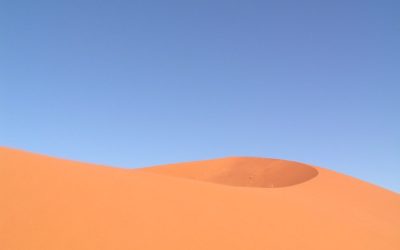
Namibia’s desert landscapes are among the most iconic globally, especially the Namib Desert, which is considered the oldest desert in the world. The desert features towering sand dunes, some reaching over 300 meters high, with the famous Dune 45 near Sesriem attracting many visitors. The Skeleton Coast, another notable feature, is renowned for its foggy conditions, shipwrecks, and rugged shoreline. Beyond deserts, Namibia is home to the Namib-Naukluft National Park and Etosha National Park, which showcase a variety of ecosystems and are vital habitats for wildlife. These natural features and climatic conditions create a dramatic and captivating environment that defines Namibia’s geographical identity.
Climate Zones and Seasonal Variations
Namibia, located in southwestern Africa, features a diverse geography and climate that significantly influence its environment and inhabitants. The country is characterized by vast deserts, including the Namib Desert, which is one of the oldest deserts in the world, and the Kalahari Desert to the east. Additionally, Namibia has highlands, mountain ranges such as the Brandberg Mountains, and a rugged coastline along the Atlantic Ocean.
The climate in Namibia varies across its regions, generally categorized as arid or semi-arid. The coastal areas experience a desert climate with mild temperatures and low rainfall, often affected by the Benguela Current, which moderates coastal temperatures and causes frequent fog. The interior regions tend to have semi-arid to arid conditions, with hot temperatures during the day and cooler nights. The highland areas receive more rainfall and have cooler temperatures due to their elevation.
Namibia’s climate zones include desert, semi-desert, and savannah regions, each supporting different ecosystems. The climate experiences seasonal variations, with the main rainy season occurring from November to April, marked by thunderstorms and heavy but localized rainfall. This period is crucial for agriculture and water resources. The dry season, from May to October, is characterized by clear skies, lower humidity, and cooler temperatures, especially at night. These seasonal patterns influence wildlife migration, human activities, and the overall landscape, making Namibia a country of distinct climatic and ecological zones.
Major Rivers and Water Bodies
Namibia, located in southwestern Africa, is characterized by diverse geography and climate. The country features vast deserts, including the Namib Desert, which is one of the oldest and most arid deserts in the world. The landscape also includes savannahs, grasslands, and rugged mountains such as the Gamsberg and Brandberg ranges. The climate varies from hyper-arid in the Namib Desert to semi-arid in central regions, with coastal areas experiencing moderate temperatures due to the cold Benguela Current. Rainfall is generally sparse and unpredictable, contributing to the arid environment.
Major rivers in Namibia include the Orange River, which forms part of the country’s southern border and is the longest river in southern Africa. The Kunene River flows along the northwestern border, serving as a natural boundary with Angola. Other important water bodies consist of the Okavango River, which feeds into the Okavango Delta in Botswana, and smaller rivers such as the Swakop River, which drains into the Atlantic Ocean. Although Namibia has limited permanent water sources, these rivers are crucial for the country’s water supply, agriculture, and ecosystems.
Historical Background and Cultural Heritage
Namibia boasts a rich historical background and diverse cultural heritage that reflects its fascinating past and vibrant present. From ancient settlements of indigenous communities to colonization by Europeans, the country has evolved through a complex tapestry of influences. Its cultural traditions, languages, and practices are preserved through generations, offering a unique insight into the spirit and resilience of its peoples. Exploring Namibia’s historical and cultural landscape reveals the diversity and depth that shape this remarkable nation today.
Pre-Colonial Societies and Indigenous Communities
Namibia boasts a rich historical background shaped by diverse pre-colonial societies and indigenous communities that have inhabited the region for centuries. These communities, including the San, Nama, Herero, and Ovambo, among others, each possess unique cultural practices, languages, and social structures that contribute to Namibia’s vibrant cultural tapestry. Long before European colonization, these groups thrived as nomadic and pastoral societies, developing complex customs and traditions rooted in their environment and spiritual beliefs.
The San people, often recognized as one of the oldest cultures in the world, are renowned for their ancient rock art and deep connection to the land. The Nama people have a history of cattle herding and distinctive oral traditions, while the Herero and Ovambo communities played significant roles in regional trade and politics. Colonial influences, notably German and South African rule, profoundly affected these indigenous groups, but their cultural heritage remains resilient and continues to shape Namibia’s national identity today.
Colonial Era and Independence Movement
Namibia, located in southwestern Africa, has a rich historical background shaped by its diverse indigenous cultures and early colonial encounters. The region was inhabited by various tribal groups such as the Herero, Nama, and Damara, each with unique traditions and social structures that contributed to the nation’s cultural heritage. European contact began in the 19th century, primarily through German and later South African influence, which introduced new technologies, religion, and administrative systems. These colonial powers left a lasting impact on Namibia’s development and societal organization.
During the colonial era, Namibia was known as German South West Africa, with Germany establishing control in the late 19th century. After World War I, the League of Nations mandated South Africa to administer the territory, a period marked by racial segregation and economic exploitation. Resistance to colonial rule grew throughout the early 20th century, rooted in the struggles of indigenous populations facing displacement and discrimination. The fight for independence gained momentum after World War II, fueled by the broader wave of decolonization across Africa.
The Namibia independence movement culminated in the formation of the South West Africa People’s Organization (SWAPO) in the 1960s. SWAPO led a protracted guerrilla war against South African rule, advocating for sovereignty, equal rights, and the preservation of Namibia’s cultural heritage. This struggle was marked by resilience and international support, ultimately resulting in Namibia’s independence in 1990. Today, Namibia celebrates its diverse cultural heritage and remembers its journey from colonial domination to sovereign nationhood, with a commitment to maintaining its rich indigenous traditions and embracing post-independence development.
Cultural Traditions and Festivals
Namibia boasts a rich historical background and a vibrant cultural heritage that reflect its diverse indigenous peoples and colonial past. The country’s history is marked by the indigenous Khoisan, Herero, Himba, and Nama communities, each with unique traditions and customs. European contact, particularly German and South African influence, has also shaped Namibia’s cultural landscape, evident in its architecture, language, and societal structures.
Culturally, Namibia is renowned for its colorful traditions, arts, and festivals that celebrate its heritage and community identity. The Namibian people take pride in their music, dance, crafts, and rituals, which are often showcased during various celebrations throughout the year.
- Omaheke Cultural Festival – Celebrates local traditions, music, dance, and storytelling among the San and other communities.
- Herero Day – Commemorates the Herero people’s history, featuring traditional dress and cultural performances.
- Omaheke Festival – A vibrant event highlighting Namibian arts, crafts, and cultural heritage.
- Himba Cultural Festival – Focuses on the traditions of the Himba people, including their distinctive dress and body art.
Namibia’s cultural heritage is also deeply intertwined with its natural environment, with many rituals and practices centered around the land, wildlife, and water sources. These traditions are preserved through community events and support the ongoing appreciation and respect for the nation’s diverse cultural identity.
Economy and Natural Resources
Namibia’s economy is closely linked to its natural resources, which play a vital role in shaping the country’s economic landscape. Rich in minerals, wildlife, and vast landscapes, Namibia leverages these resources to drive industries such as mining, tourism, and agriculture. Understanding the interplay between Namibia’s natural wealth and its economic development provides insight into the country’s growth potential and challenges ahead.
Agriculture and Livestock Farming
Namibia’s economy heavily relies on the sustainable management of its natural resources, which form the backbone of its national development. The country is rich in mineral deposits, including diamonds, uranium, and copper, making mining a major contributor to the economy. Additionally, Namibia’s vast deserts and savannahs support diverse ecosystems that are crucial for conservation efforts and ecotourism. The nation’s natural resources not only generate income but also promote environmental preservation and local employment opportunities.
Agriculture in Namibia is predominantly subsistence-based due to arid conditions, with cattle, goats, and sheep being the main livestock. Livestock farming is vital for the livelihoods of many rural communities, providing meat, milk, and hides. Despite the challenges posed by irregular rainfall and desertification, innovative water management and drought-resistant crop cultivation have helped sustain some agricultural activities. Efforts are ongoing to improve agricultural productivity and food security through better extension services and sustainable farming practices.
Mining and Mineral Resources
Namibia is renowned for its rich natural resources, which play a vital role in the country’s economy. The nation possesses significant mineral deposits, making mining a key sector in Namibia’s economic development. The mineral resources include uranium, copper, gold, silver, lead, zinc, and particularly diamonds, which are among the world’s leading sources. The mining industry not only provides employment opportunities but also contributes substantially to national revenue and export earnings. Additionally, Namibia’s natural resources extend to its vast wildlife and scenic landscapes, supporting a growing tourism industry. The sustainable management of these resources is crucial for ensuring long-term economic growth and environmental preservation in Namibia.
Tourism Industry and Attractions
Namibia is renowned for its rich natural resources and diverse economy, which significantly rely on the sustainable management of its mineral wealth and natural landscapes. The country boasts abundant deposits of minerals such as uranium, diamonds, and gold, contributing substantially to its exports and economic stability. Additionally, Namibia’s natural resources extend to its vast wildlife and pristine landscapes, which are integral to the nation’s conservation efforts and eco-tourism initiatives.
The tourism industry in Namibia is a vital sector that attracts visitors from around the world, eager to experience its unique natural beauty. The country offers a wide range of attractions, including the iconic red sands of the Namib Desert, the towering dunes of Sossusvlei, and the wildlife-rich Etosha National Park. Adventure tourism, wildlife safaris, and desert excursions are popular activities that showcase Namibia’s extraordinary landscapes and biodiversity.
Namibia’s attractions not only serve as economic drivers but also promote environmental preservation and cultural heritage. The country’s commitment to eco-tourism helps conserve its natural resources while providing economic opportunities for local communities. Overall, Namibia’s sustainable development in natural resources and tourism continues to position it as a distinguished destination for travelers and investors alike.
Wildlife and Conservation
Namibia is renowned for its rich and diverse wildlife, making it a vital area for conservation efforts. The country’s vast landscapes, from deserts to savannahs, provide a unique habitat for numerous species, many of which are threatened by human activity and environmental changes. Conservation initiatives in Namibia play a crucial role in protecting these species, promoting sustainable tourism, and preserving the natural beauty of this extraordinary region for future generations.
National Parks and Protected Areas
Namibia is renowned for its incredible wildlife and vast protected areas that play a crucial role in conservation efforts. The country boasts a range of national parks and reserves that provide a sanctuary for both iconic species like elephants, lions, cheetahs, and rhinos, as well as numerous bird and plant species. Etosha National Park, one of Namibia’s most famous reserves, is home to the massive Etosha Pan and offers exceptional wildlife viewing opportunities throughout the year. Namibia’s commitment to conservation is evident in its innovative approaches, such as community-based conservancies that involve local communities in protecting natural resources and promoting sustainable tourism. These measures help maintain biodiversity, support local livelihoods, and ensure the preservation of Namibia’s unique ecosystems for future generations. The country’s protected areas not only serve as vital refuges for wildlife but also contribute significantly to eco-tourism, which is a key economic driver and a sustainable way to conserve Namibia’s natural heritage.
Endangered Species and Conservation Efforts
Namibia is renowned for its rich wildlife and dedicated conservation efforts, making it a prominent example in the fight to protect endangered species. The country boasts vast deserts, including the Namib Desert, which supports unique ecosystems and diverse flora and fauna. Namibia’s commitment to conservation is evident through its community-based natural resource management programs that empower local communities to protect wildlife while benefiting economically.
Endangered species in Namibia include the black rhinoceros, African elephant, and cheetah, all of which face threats from poaching, habitat loss, and human-wildlife conflict. The government, along with various conservation organizations, has implemented strict anti-poaching laws, protected areas, and wildlife corridors to mitigate these threats and promote sustainable coexistence.
Namibia’s conservation efforts extend to innovative projects such as wildlife tourism, which not only generates revenue but also raises awareness about the importance of protecting endangered species. These initiatives have contributed significantly to the recovery of several populations and serve as a model for sustainable conservation in arid and semi-arid regions.
Ecotourism and Sustainable Practices
Namibia is renowned for its breathtaking landscapes and rich biodiversity, making it a vital destination for wildlife conservation and ecotourism. The country’s vast deserts, such as the Namib Desert, support unique ecosystems that are home to species like oryx, springbok, and the elusive desert-adapted elephants. Namibia has implemented innovative conservation strategies, including community-based natural resource management programs that involve local communities in protecting wildlife while benefiting economically from eco-friendly tourism. This sustainable approach helps preserve Namibia’s natural heritage and promotes responsible tourism practices, ensuring that future generations can continue to enjoy its pristine environments.
Urban Development and Infrastructure
Urban development and infrastructure are vital components shaping the growth and sustainability of Namibia’s cities. As the nation continues to urbanize, effective planning and investment in infrastructure such as transportation, water supply, and energy become crucial for supporting economic development and improving residents’ quality of life. Exploring Namibia’s initiatives and challenges in this sector provides insight into the country’s efforts to build resilient and modern urban environments.
Main Cities and Urbanization Trends
Urban development and infrastructure play a crucial role in shaping the growth of Namibia’s main cities and managing the expanding urban landscape. As Namibia experiences increasing urbanization, particularly in cities like Windhoek, Walvis Bay, and Swakopmund, there is a strong focus on improving transportation, housing, and public services to accommodate the growing population. The trend toward urbanization reflects Namibia’s economic development and rural-to-urban migration, which necessitates sustainable planning and infrastructure investments.
Transport Networks and Connectivity
Urban development and infrastructure in Namibia are essential for supporting economic growth and improving the quality of life of its citizens. The country faces unique challenges due to its vast desert landscape and dispersed population, which influence the planning and implementation of transport networks and connectivity. Investing in modern infrastructure is vital for enhancing regional integration, facilitating trade, and promoting tourism across the country.
- Namibia’s transport network primarily comprises roads, railways, and airports that connect major urban centers like Windhoek, Swakopmund, and Walvis Bay.
- The road infrastructure is the backbone of domestic freight and passenger movement, with ongoing projects to upgrade and expand these routes to improve accessibility.
- Rail connectivity, especially the TransNamib Railway, plays a key role in transporting minerals and goods to export points, emphasizing Namibia’s mining-driven economy.
- Airports such as Hosea Kutako International Airport facilitate international travel and trade, positioning Namibia as a regional hub for air transit.
- Efforts are underway to enhance connectivity through digital infrastructure, ensuring reliable telecommunications and broadband services to support urban and rural development.
- Urban planning in Namibia focuses on sustainable development, managing urban sprawl, and ensuring the efficient provision of services such as water, sanitation, and electricity.
- Growing urban centers are increasingly adopting smart city initiatives, incorporating digital connectivity to improve governance and service delivery.
- Transport networks are being expanded to connect remote communities, reducing isolation and fostering regional integration.
- The government promotes private sector participation in infrastructure projects to accelerate development and address funding challenges.
- Renewable energy infrastructure, particularly solar power, is integrated into urban planning to create sustainable and resilient cities amid the country’s ample sunlight.
Healthcare and Educational Facilities
Namibia’s urban development and infrastructure, along with healthcare and educational facilities, play a crucial role in shaping the nation’s growth and improving the quality of life for its citizens. The country has been focusing on expanding its urban areas to accommodate a rising population and promote economic development.
- Urban Development and Infrastructure: Namibia’s cities, especially Windhoek, are experiencing rapid growth, leading to increased investment in roads, water supply, waste management, and public transportation systems. Efforts are underway to modernize infrastructure to support sustainable urban living.
- Healthcare Facilities: Namibia has made significant progress in expanding healthcare access, with numerous clinics and hospitals across urban and rural areas. The government emphasizes maternal and child healthcare, combating infectious diseases like HIV/AIDS, and improving healthcare quality through training and infrastructure upgrades.
- Educational Facilities: The country has a nationwide network of schools and higher education institutions. Initiatives focus on boosting literacy, expanding university access, and integrating vocational training to equip the youth with relevant skills for Namibia’s development needs.
Overall, Namibia’s investments in urban development, healthcare, and education are vital steps toward fostering social progress and economic stability while addressing challenges related to rural-urban disparities and service delivery.
Political Structure and Governance
Namibia’s political structure is characterized by a democratic government with a strong emphasis on sovereignty and decentralization. Its governance system features an executive branch led by the president, a legislature comprising the National Assembly and National Council, and an independent judiciary. The nation has made significant strides in establishing stable political institutions, fostering peace, and promoting democratic principles that support its development and national unity.
Government System and Leadership
Namibia’s political structure is a democratic republic characterized by a multi-party system, where power is divided among executive, legislative, and judicial branches. The government operates under a constitution established in 1990, which provides the framework for governance and human rights. The President of Namibia serves as both head of state and head of government, elected through direct elections for a five-year term and eligible for multiple terms. The National Assembly, the principal legislative body, is composed of members elected via proportional representation, playing a vital role in lawmaking and oversight. Namibia’s leadership emphasizes stability, democratic principles, and development, with the government actively engaging in policy initiatives aimed at economic growth and social progress. Overall, Namibia’s political system promotes participatory governance, transparency, and accountability, fostering a relatively stable and inclusive political environment.
Legal and Administrative Framework
Namibia’s political structure is characterized by a stable, democratic republic with a multi-party system. The nation operates under a presidential system where the President serves as both the head of state and government, supported by a National Assembly and a National Council that facilitate legislative functions. The governance framework emphasizes democratic principles, regular elections, and civilian rule, ensuring political stability and continuity.
The legal framework in Namibia is anchored by a constitution that guarantees fundamental rights, freedoms, and the rule of law. The judiciary is independent, comprising the Supreme Court, the High Court, and lower courts, tasked with upholding constitutional mandates and ensuring justice. The legal system is based on Roman-Dutch law and customary law, which collectively influence legislative and judicial proceedings.
Administratively, Namibia is divided into several regions, each administered by local government authorities responsible for delivery of services and regional development. The central government oversees national policy implementation, economic planning, and security, while regional and local governments handle grassroots administrative tasks. Good governance practices, transparency, and participatory decision-making are foundational aspects of Namibia’s administrative framework, promoting sustainable development and democratic accountability.
International Relations and Diplomacy
Namibia’s political structure is a representative democratic republic, characterized by a president serving as both head of state and government. The country operates with a multi-party system, where political stability has largely been maintained since independence in 1990. The National Assembly and the National Council form the legislative branch, ensuring governance through elected representatives. Namibia’s governance focuses on promoting development, democracy, and social justice, with a strong commitment to constitutional principles.
In terms of international relations and diplomacy, Namibia actively participates in regional organizations such as the Southern African Development Community and the African Union, aiming to foster regional stability and economic cooperation. It maintains diplomatic ties with numerous countries worldwide, emphasizing peaceful coexistence and mutual development. Namibia’s foreign policy prioritizes stability, sustainable development, and international cooperation, reflecting its commitment to integrating into the global community while safeguarding national sovereignty.

0 Comments