
Geographical Overview of Namibia’s Landscape
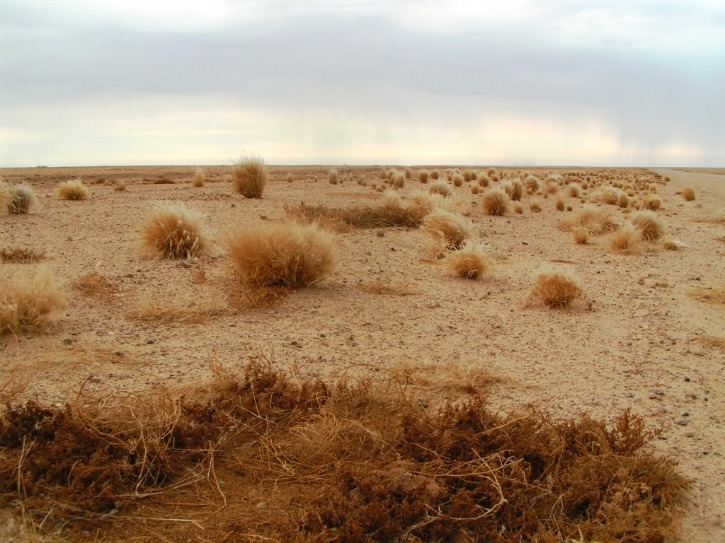
Namibia’s landscape offers a striking convergence of desert and ocean, creating a unique geographical tableau. The country is characterized by vast arid deserts, including the world-famous Namib Desert, with its towering dunes and rugged terrain. Along its Atlantic coastline, the landscape transitions into rugged cliffs and sandy beaches, where the desert meets the cold Atlantic Ocean. This distinctive environment supports diverse ecosystems and showcases Namibia’s remarkable natural beauty, making it a captivating destination for explorers and nature enthusiasts alike.
Location and Extent of the Coastal Desert
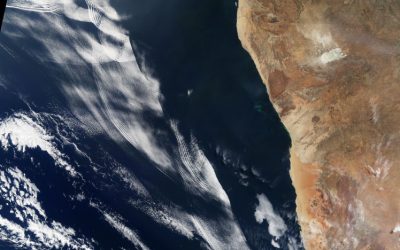
Namibia’s landscape is characterized by a diverse array of geographical features, with a significant portion dominated by arid and semi-arid regions. Located along the southwestern coast of Africa, Namibia spans approximately 824,300 square kilometers, making it one of the region’s larger countries. The coastal desert, particularly the Namib Desert, is a prominent feature of its western boundary, stretching along the Atlantic Ocean for about 1,200 kilometers. This desert is distinguished by its vast dunes, some of the tallest in the world, and a landscape molded by wind and minimal precipitation. The Namib Desert’s proximity to the Atlantic Ocean creates a unique environment where the desert meets the ocean, resulting in a striking juxtaposition of barren sands and expansive waters. This intersection fosters a distinctive ecosystem that supports specialized flora and fauna, making Namibia’s coastal region a fascinating subject of ecological and geographical interest.
Intersection of Desert and Ocean Ecosystems
Namibia’s landscape presents a remarkable intersection where the arid desert meets the vast expanse of the Atlantic Ocean, creating a unique ecological and geographical region known as the Namib Desert. This area exemplifies the coexistence of contrasting environments, resulting in diverse habitats and ecosystems that are rare in the natural world.
- The Namib Desert, one of the oldest deserts in the world, stretches along Namibia’s coastline, characterized by towering sand dunes, rocky plateaus, and sparse vegetation adapted to extreme aridity.
- The Atlantic Ocean’s cold Benguela Current influences the climate, bringing fog and cooler temperatures to the coastal region, supporting a rich coastal ecosystem.
- Distinct ecological zones develop where desert landscapes meet the ocean, fostering specialized flora and fauna such as desert-adapted predators, unique bird species, and marine life that thrive in this interaction zone.
- Marine ecosystems along Namibia’s coast include rich fish populations, seals, and seabirds that depend on the upwelling currents for food, establishing a crucial link between land and sea.
- The convergence of desert and ocean creates a striking visual contrast and represents a critical area for conservation efforts, highlighting the importance of preserving these interconnected habitats.
The Namib Desert: Characteristics and Features
The Namib Desert, renowned for its breathtaking landscape and extreme conditions, stretches along the coast of Namibia and uniquely meets the Atlantic Ocean. This remarkable intersection creates a dynamic environment characterized by towering dunes, arid plains, and the cool fog that essential for local ecosystems. The desert’s stark beauty and diverse features make it a fascinating subject of exploration, highlighting the intriguing relationship between desert and ocean in this region.
Formation and Climate Conditions
The Namib Desert, renowned for its striking landscapes and unique features, is a vast arid region located along the Atlantic coast of Namibia. Characterized by expansive sand dunes, some of the tallest in the world, and rugged gravel plains, it creates a dramatic contrast against the oceanic backdrop. The desert’s distinctive crimson and orange dunes are formed over thousands of years through the wind’s relentless erosion and deposition processes, shaping its iconic shapes and patterns. The Namib also hosts various endemic plant and animal species adapted to extreme conditions, highlighting its ecological significance.
The formation of the Namib Desert is primarily attributed to the convergence of cold Atlantic Ocean currents and the subtropical high-pressure system, which inhibit significant rainfall and create hyper-arid conditions. Situated along the coast, the desert’s proximity to the Atlantic Ocean plays a crucial role, influencing local climate and contributing to the phenomenon known as the fog belt, where mist provides essential moisture for desert life. Its geological history involves ancient sedimentary layers, fossilized dunes, and evidence of past climatic shifts that have contributed to its current arid landscape.
The climate conditions in the Namib Desert are characterized by extreme dryness, high temperatures during the day, and considerable temperature drops at night. Rainfall is infrequent and sporadic, often less than 50 millimeters annually, making it one of the driest places on Earth. The persistent fog along the coast moderates temperature extremes and supplies critical moisture, enabling some plant and animal life to survive in this harsh environment. Overall, the Namib Desert’s climate is a direct result of oceanic influences combined with atmospheric circulation patterns, creating a unique desert-ocean interface that shapes its extraordinary physical features.
Unique Flora and Fauna Adaptations
The Namib Desert, located along the coast of Namibia, is renowned for its striking landscape characterized by vast sand dunes, rugged plains, and rocky outcrops. It is one of the oldest and most arid deserts in the world, with some areas having remained unchanged for thousands of years. The desert’s proximity to the Atlantic Ocean creates a unique environment where land meets sea, influencing local climate and ecological conditions.
Despite its harsh environment, the Namib Desert hosts a variety of specialized flora and fauna that have adapted to extreme conditions. Certain plants, such as the Welwitschia mirabilis, can survive in nutrient-poor soils by having deep root systems and slow growth rates. Many succulent plants store water in their tissues, allowing them to endure long periods without rainfall. The desert’s fauna, including oryx, desert-adapted elephants, and small insects, have developed remarkable survival strategies like burrowing, camouflaging, and nocturnal activity to avoid the intense daytime heat and conserve moisture.
These adaptations highlight the resilience of life in the Namib Desert, where species have evolved unique mechanisms to thrive in an environment marked by extreme dryness, high temperatures, and the cold Atlantic currents that influence coastal climatic conditions. The interaction between the desert and the nearby ocean adds to the area’s ecological uniqueness, supporting both desert and marine ecosystems in a delicate balance.
The Atlantic Ocean Along Namibia’s Coast
The Atlantic Ocean along Namibia’s coast creates a striking and dynamic landscape where the vast desert meets the endless sea. This unique intersection offers breathtaking views, rich marine life, and dramatic cliffs that highlight the region’s natural beauty. The meeting of the Namib Desert and the Atlantic Ocean forms one of the most extraordinary environments, attracting travelers and researchers alike to explore its vibrant ecosystem and captivating scenery.
Physical Characteristics and Currents
The Atlantic Ocean along Namibia’s coast presents a striking contrast where the vast Namib Desert meets the deep, expansive waters. This region is characterized by an extensive, rugged coastline with numerous beaches, cliffs, and sandy shores. The physical features of the ocean here include largely cold, nutrient-rich waters influenced by cold currents, which support a diverse marine ecosystem. The coast is often characterized by the presence of the Benguela Current, one of the most prominent ocean currents affecting this region.
The Benguela Current flows northward along Namibia’s coast, bringing cold, dense water from the Southern Ocean. This current plays a significant role in shaping the climate and marine conditions, leading to frequent fogs and lower temperatures compared to other coastal regions. The cold waters encourage upwelling, bringing nutrients from the ocean depths to the surface, which sustains abundant marine life such as sardines, anchovies, and other fish species. The interaction of these physical features and currents creates a unique environment where the arid desert seamlessly transitions into vibrant marine habitats.
Marine Biodiversity and Ecosystem Dynamics
The coastline where the Namib Desert meets the Atlantic Ocean is a unique and dynamic environment that supports diverse marine life and complex ecosystem interactions. This interface creates a striking contrast between the arid desert landscape and the vibrant marine habitats, making it an important area for both ecological research and conservation efforts.
The Atlantic Ocean along Namibia’s coast is characterized by nutrient-rich waters driven by the Benguela Current, which sustains a highly productive marine ecosystem. Upwelling processes bring deep, cold, and nutrient-dense water to the surface, fostering abundance of phytoplankton that forms the foundation of the food chain. This productivity supports large populations of fish, seabirds, and marine mammals, making the region vital for local fisheries and biodiversity.
Marine biodiversity in this region is impressive, including species such as sardines, anchovies, sharks, and various seabirds. The coastal waters are also known for the occurrence of seasonal whale migrations, including humpback whales, which feed on the abundant fish stocks. Additionally, the intertidal zones and rocky shores host a variety of invertebrates and specialized flora adapted to the harsh conditions of the desert-ocean interface.
The ecosystem dynamics here are influenced by both natural processes and human activities. Overfishing, climate change, and pollution pose threats to the delicate balance of this marine environment. Conservation initiatives, such as marine protected areas and sustainable fishing practices, are crucial to preserve the rich biodiversity and ensure the resilience of these ecosystems for future generations.
The Confluence: Where Desert Meets Ocean
The Confluence: Where Desert Meets Ocean explores the extraordinary landscape where Namibia’s vast desert landscapes seamlessly blend into the boundless Atlantic Ocean. This unique natural phenomenon highlights the striking contrast and stunning harmony between the arid sands and the deep blue waters, creating a captivating environment that attracts travelers, photographers, and nature enthusiasts alike. Discover the captivating beauty of this rare confluence and the ecological significance behind this extraordinary meeting point.
Geological Processes Shaping the Boundary
The confluence of Namibia’s desert and ocean creates a striking and dynamic natural boundary shaped by various geological processes. This unique meeting point occurs along the Atlantic Ocean coastline, where the desert landscape transitions abruptly into the expansive waters, producing a dramatic contrast of ecosystems. The Namib Desert, one of the world’s oldest deserts, has been formed over millions of years through the erosion of ancient rocks and the influence of arid climate conditions, leading to vast sand dunes and minimal rainfall.
Geological processes such as wind erosion and sediment deposition continually shape this boundary. The strong Atlantic winds transport sand inland, creating iconic dunes like those at Sossusvlei, while also influencing the coastal landscape by eroding rocks and transporting marine sediments. Tectonic activity in the region, including faulting and uplifting, has contributed to the formation of the rugged coastline, cliffs, and rocky outcrops that mark the transition zone.
The interaction between the desert and ocean also involves complex ecological and geological dynamics. As fresh water from rivers and underground aquifers meets the salty ocean, it creates unique coastal habitats such as estuaries and desert oases. These areas serve as critical breeding grounds for marine and terrestrial species, further emphasizing the importance of geological processes in maintaining the region’s ecological diversity. Overall, the boundary where Namibia’s desert meets the ocean exemplifies the powerful influence of natural geological forces in shaping Earth’s diverse landscapes.
Interactions Between Terrestrial and Marine Life
The Namib Desert’s dramatic meeting with the Atlantic Ocean creates a unique and captivating landscape where terrestrial and marine ecosystems intertwine. This confluence gives rise to a rich diversity of life adapted to extreme conditions on land and in the ocean, fostering complex interactions between the two environments. The coastline supports specialized plants and animals that thrive in arid conditions while also benefiting from nutrient-rich waters brought by upwellings, which stimulate marine productivity. These interactions are vital for maintaining the ecological balance, supporting species such as desert-adapted seals, migrating birds, and fish that rely on both terrestrial and marine resources. The dynamic boundary between the desert and ocean exemplifies a delicate and resilient ecosystem where life has evolved to flourish in the face of harsh environmental challenges.
Ecological Significance of the Meeting Point
The meeting point of the Namib Desert and the Atlantic Ocean creates a unique ecological landscape that is of great environmental significance. This distinctive convergence fosters diverse habitats, supporting a wide range of plant and animal species adapted to both desert and marine conditions. The interface serves as a vital area for biodiversity, ecological interactions, and natural preservation, highlighting the importance of understanding and safeguarding this exceptional environment.
Habitat Diversity and Species Richness
The meeting point of the Namib Desert and the Atlantic Ocean creates a unique ecological zone that holds significant importance for both habitat diversity and species richness. This convergence offers a variety of microhabitats, from arid desert landscapes to nutrient-rich coastal waters, supporting a wide array of flora and fauna. The diverse environmental conditions foster specialized adaptations among species, contributing to a high level of biodiversity. For example, desert-adapted plants and animals coexist alongside marine organisms, forming intricate ecological interactions. The dynamic interface also influences local climate and nutrient cycling, ensuring ecological stability and resilience. Overall, this meeting of desert and ocean exemplifies a vital habitat complex that enhances regional ecological richness and supports numerous species with specialized ecological roles.
Endangered and Unique Species Found Here
The meeting point of Namibia’s desert and ocean creates a uniquely ecological environment that supports a diverse range of species and ecosystems. This confluence fosters a range of habitats from arid sands to rich marine environments, making it a critical zone for biodiversity conservation.
- Endangered Species: The area is home to several threatened species such as the African Penguin, which relies on coastal waters for food and nesting sites, and the Heaviside’s Dundaroo, a rare coastal snake adapted to the desert-ocean interface.
- Unique Species: Unique to this region are species like the Namib Desert Beetle, which has adapted to harvest moisture from the air, and the Brown Fur Seal, which nests along the rocky shores and relies on the nutrient-rich waters for feeding.
- Ecological Significance: The interface acts as a vital nutrient exchange zone, supporting bird migratory routes, facilitating fish spawning, and maintaining the health of coastal and desert ecosystems. This interplay enhances biodiversity and ecosystem resilience.
Tourism and Conservation Efforts
The unique landscape where Namibia’s desert meets the ocean offers a remarkable destination that attracts travelers from around the world. This extraordinary environment not only provides stunning natural beauty but also highlights the importance of sustainable tourism and conservation efforts. Protecting this delicate ecosystem ensures that future generations can continue to experience the captivating blend of arid dunes and azure waters.
Popular Destinations and Activities
Namibia’s unique landscape where the desert meets the ocean offers an extraordinary destination for travelers seeking both natural beauty and adventure. Conservation efforts in Namibia are crucial to preserve its diverse ecosystems, including the iconic Namib Desert and the coastal marine habitats. These initiatives aim to protect endangered species like the desert-adapted elephants and the African penguins, ensuring sustainable tourism practices. Visitors to this remarkable region can explore a variety of popular destinations such as the Skeleton Coast, known for its hauntingly beautiful shipwrecks and rugged dunes, and the Namib Desert, home to towering sand dunes like Dune 45. Engaging activities include dune climbing, wildlife safaris, bird watching, and guided tours along the coast to observe marine life. This blend of desert and ocean creates a captivating experience that highlights Namibia’s commitment to conservation while offering unforgettable adventures for travelers.
Conservation Challenges and Initiatives
The unique convergence of desert landscapes and oceanic beauty in Namibia offers a captivating destination for travelers while emphasizing the importance of sustainable tourism. Conservation efforts in this region focus on protecting its diverse ecosystems, including the thriving marine environments and arid desert habitats. These efforts aim to preserve iconic species such as desert-adapted elephants, marine life in the Atlantic Ocean, and the fragile dune systems, ensuring that tourism benefits local communities without harming the environment.
However, the region faces numerous challenges in conservation, including climate change-induced droughts, overfishing, habitat degradation, and increased tourism pressure. These threats threaten the delicate balance between human activity and environmental preservation. To address these issues, Namibia has implemented initiatives like community-based tourism projects, marine protected areas, and eco-friendly safari operations, promoting responsible exploration and conservation awareness among visitors.
Ongoing initiatives aim to integrate conservation into tourism practices by supporting local communities, enforcing environmental regulations, and investing in research and monitoring programs. Collaboration between government agencies, local communities, and international organizations plays a crucial role in ensuring that Namibia’s desert and ocean treasures are preserved for future generations while providing sustainable economic opportunities through eco-tourism. This coexistence of desert and ocean landscapes highlights the importance of balancing human enjoyment with environmental stewardship.
Cultural and Economic Impacts
The meeting of the Namib Desert and the Atlantic Ocean creates a unique environment that significantly influences both local culture and economic activities. This extraordinary landscape fosters distinctive traditions and ways of life while also shaping opportunities for tourism, fishing, and sustainable development. Understanding the cultural and economic impacts of this convergence reveals the importance of preserving the region’s natural beauty and leveraging it for future growth.
Local Communities and Indigenous Knowledge
The confluence of Namibia’s desert and ocean creates a unique environment that significantly influences local communities and their sustainable practices. This stark landscape fosters a deep understanding of indigenous knowledge, particularly in managing scarce water resources and adapting to extreme climatic conditions. Local communities have developed resilient livelihood strategies, such as fishing, coastal farming, and artisanal craftwork, which are closely intertwined with their cultural heritage and traditional wisdom.
The interaction between the desert and ocean also brings economic opportunities, including tourism centered around scenic desert coastlines and marine biodiversity. These industries provide employment and promote cultural exchange, which can boost local economies. However, they also pose challenges, such as environmental degradation and the risk of cultural dilution, emphasizing the need to balance economic development with the preservation of indigenous knowledge and cultural identity.
Furthermore, Namibia’s rich indigenous knowledge offers valuable insights into sustainable environmental management, benefiting broader conservation efforts. Recognizing and integrating this traditional wisdom into modern practices can enhance resilience against climate change impacts, ensure the protection of delicate ecosystems, and foster a sense of cultural pride among local communities. This harmonious relationship between environment, economy, and culture underscores the significance of respecting and preserving indigenous knowledge in the face of development pressures.
Economic Opportunities from Ecotourism
The convergence of the Namib Desert and the Atlantic Ocean offers a unique setting for ecotourism, which significantly impacts both cultural and economic spheres. This distinctive landscape attracts travelers interested in experiencing the raw beauty of desert dunes meeting the sea, fostering appreciation for local traditions and indigenous cultures. As visitors engage with local communities, there is an opportunity to preserve and promote traditional crafts, music, and customs, strengthening cultural identity and heritage. Economically, ecotourism stimulates local economies by creating jobs, encouraging small business growth, and increasing income for community members. The development of eco-friendly accommodations, tours, and activities also attracts investment and promotes sustainable development, ensuring that natural and cultural resources are conserved while offering long-term economic benefits to the region.

0 Comments