
Geography of Namibia
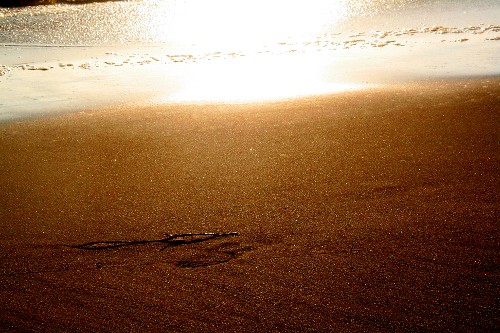
The geography of Namibia is characterized by a diverse landscape that includes vast deserts, rugged mountains, and a long Atlantic Ocean coastline. The country is famous for the Namib Desert, one of the oldest and most arid deserts in the world, which stretches along the Atlantic coast. This unique environment creates a stunning contrast between the dry, sandy dunes and the lush coastal areas, making Namibia a fascinating destination for nature lovers and explorers alike.
Location and Boundaries
Namibia is a country located in southwestern Africa, characterized by its diverse landscapes that include deserts, savannahs, and Atlantic Ocean coastline. Its geography plays a significant role in shaping the country’s climate, ecosystem, and natural attractions. Namibia is renowned for its vast desert regions, especially the Namib Desert, which is one of the oldest and driest deserts in the world, extending along the Atlantic Ocean coast. The country’s location places it between Angola to the north, Zambia and Botswana to the east, South Africa to the south and southeast, and the Atlantic Ocean to the west.
- Namibia’s western boundary is defined by the Atlantic Ocean, offering a long stretch of coastline that influences its climate and marine life.
- The northern borders meet Angola and Zambia, characterized by more humid conditions and lush environments in some regions.
- To the east and south, Namibia borders Botswana and South Africa, with these borders forming part of its natural and political boundaries.
- The country’s interior is predominantly a semi-arid to arid landscape, dominated by desert regions like the Namib and Kalahari deserts.
Topography and Landscape Features
Namibia is a country located in southwestern Africa, renowned for its diverse geography that encompasses deserts, oceanic coastlines, and unique landscape features. The country’s topography is characterized by vast desert regions, rugged mountains, and coastal plains that create a striking natural environment. The Namib Desert, one of the oldest and most pristine deserts in the world, dominates much of the terrain and is famous for its towering sand dunes, some reaching heights of over 300 meters.
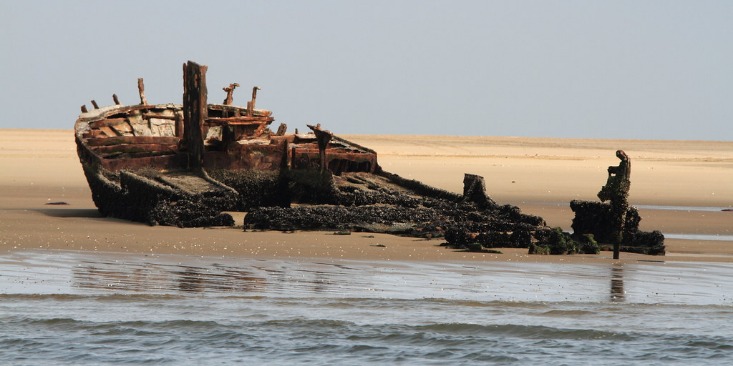
The landscape of Namibia includes the Namib Desert along the Atlantic Ocean coast, where the desert meets the ocean in a dramatic fashion. The Skeleton Coast region features shipwrecks and rugged terrain shaped by the Atlantic waves and desert winds. Inland, the country is punctuated by the Kalahari Desert in the east, which extends into Botswana and South Africa. The Namibian Highlands and the central plateau offer elevated terrains with semi-arid conditions and sparse vegetation.
The ocean coastline is marked by spectacular cliffs, beaches, and rich marine ecosystems, supporting a variety of marine life that thrives in the cold Atlantic currents. The ocean influences the climate and weather patterns of the region, creating a contrast between the arid desert interiors and the more temperate coastal zones. Overall, Namibia’s geography and landscape features reflect a dramatic convergence of desert, ocean, and mountain environments, making it a land of extraordinary natural beauty and ecological diversity.
Climate and Weather Patterns
Namibia unveils a diverse geography that features vast deserts, rugged coastlines, and expansive plains, making it a unique landscape shaped by both marine and terrestrial forces. Its coastline along the Atlantic Ocean is particularly notable for the striking, barren Namib Desert that stretches parallel to the sea, creating an iconic desert ocean view. The country’s interior is marked by the Kalahari Desert and other arid regions that support a range of desert-adapted flora and fauna, contributing to its remarkable ecological diversity.
The climate of Namibia is primarily characterized by arid to semi-arid conditions, with significant variations depending on the region. The coastal areas experience a cool desert climate influenced by the cold Benguela Current, leading to low temperatures, high humidity, and frequent fogs, especially along the Namib Desert. Further inland, temperatures can soar, with some regions experiencing extreme heat during the summer months. Rainfall is scarce, usually less than 250mm annually, creating an environment where only hardy plants and animals survive.
Weather patterns in Namibia are largely dictated by the cold Atlantic Ocean current and the movement of the South Atlantic high-pressure system. During the summer, the region can experience thunderstorms and occasional heavy rains, especially in the northern parts. Conversely, winter months tend to be dry and cooler, with some night frosts in desert areas. Coastal fog is a persistent feature, playing a crucial role in providing moisture to the local ecosystem despite the overall dry conditions.
- The cold Benguela Current influences the coastal climate, contributing to cool temperatures and fog formation.
- Summer temperatures in the desert regions can exceed 40°C (104°F), while winter temperatures may drop below freezing at night.
- Precipitation is highly variable and generally concentrated during the summer months, supporting ephemeral vegetation.
- Consistent fog along the coast sustains unique desert-adapted species and contributes to Namibia’s distinctive desert ocean environment.
Namibia Desert
The Namibia Desert, part of the vast Namibian landscape, is renowned for its stunning and otherworldly scenery. Located along the Atlantic coast, this desert features towering dunes, unique flora and fauna, and dramatic coastal cliffs. Its proximity to the ocean creates a fascinating blend of desert beauty and maritime influence, making it a captivating destination for travelers and nature enthusiasts alike.
Namib Desert: Overview
The Namib Desert, located along the coast of Namibia, is one of the world’s oldest and most arid deserts, stretching over 1,900 miles. Known for its towering sand dunes, unique flora and fauna, and striking landscapes, the desert is a significant natural feature of southwestern Africa. The Namib Desert is distinguished not only by its vast sandy plains but also by its proximity to the Atlantic Ocean, creating a striking interface between land and sea.
The Namib Desert’s coastline directly abuts the cold Atlantic Ocean, influencing the desert’s climate and ecosystem. This unique interaction results in high humidity levels and frequent fog, which serves as a vital source of moisture for plants and animals adapted to this environment. The convergence of oceanic and desertic characteristics makes the Namib an intriguing region for scientific research and tourism alike.
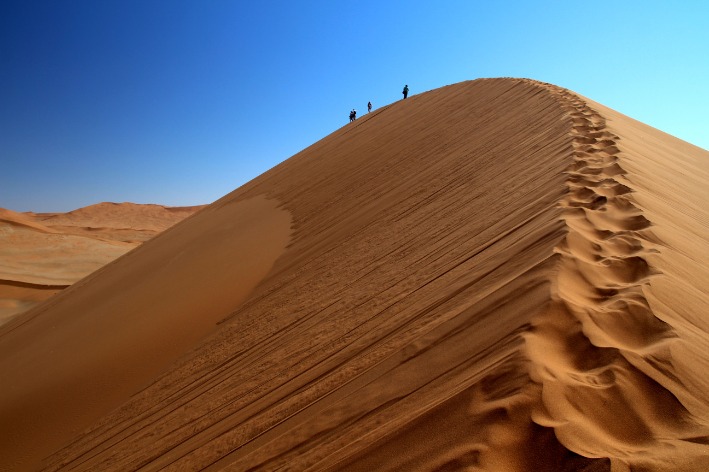
- Leading to the formation of the famous Namib Sand Dunes, including the iconic Dune 45.
- Home to diverse wildlife such as desert-adapted elephants, oryx, and seals along its coastline.
- The coastal fog provides a crucial vapor resource, supporting unique coastal ecosystems.
- Features the Skeleton Coast, known for shipwrecks and rugged, dramatic scenery.
- The interaction of the desert with the Atlantic Ocean creates a dynamic environment rich in natural beauty and ecological diversity.
Unique Sand Dunes and Formation
The Namibia Desert Ocean is renowned for its stunning and unique sand dunes, which are among the highest and most spectacular in the world. These dunes stretch across the Namib Desert, creating an iconic landscape that captures the imagination of travelers and scientists alike. Their distinctive reddish hue results from the high iron oxide content in the sand, giving them a striking appearance against the often blue sky.
The formation of these magnificent sand dunes is a result of complex natural processes involving wind, weather, and the unique climate conditions of the region. Constant wind activity, primarily from the southeast, carries and deposits sand particles over vast distances, gradually building up enormous dunes. The prevailing winds shape the dunes into various types, including star-shaped, longitudinal, and crescent-shaped dunes, each with their own distinct patterns and structures.
Over time, the dunes continue to evolve, shifting their positions and changing their shapes due to ongoing wind patterns and occasional rainfall. The placement and movement of these dunes reveal insights into the climatic history of the region. The Namib Desert’s dunes are considered some of the oldest in the world, with many dating back thousands of years, which adds to the richness of the terrain’s geological history. This dynamic landscape offers a mesmerizing view of nature’s power to shape the earth through wind-driven processes.
Biodiversity in the Desert Ecosystem
The Namibia Desert, often known as the Namib Desert, is a stunning arid landscape characterized by its vast dunes and unique desert ecosystem. Despite its harsh conditions, the desert boasts remarkable biodiversity, with many specially adapted plants and animals thriving in this extreme environment. The biodiversity in the desert ecosystem includes resilient plant species such as succulents and drought-resistant shrubs, which provide vital resources for animals. Fauna like oryx, springboks, desert-adapted elephants, and numerous reptiles have evolved strategies to survive the intense heat and scarce water supply. Additionally, migratory birds find nourishment in the seasonal water sources that appear after rare rains, adding to the desert’s ecological complexity. This diverse array of life forms demonstrates the resilience and adaptability of desert organisms, making the Namibia Desert an intriguing area for ecological study and conservation efforts. The health of this ecosystem is essential for maintaining regional biodiversity and supporting the broader desert ocean environment that surrounds the area.
Notable Landmarks: Dune 45 and Deadvlei
The Namibia Desert, part of the vast Namib Desert, is renowned for its stunning landscapes and iconic landmarks that attract travelers from around the world. Among these, Dune 45 stands out as one of the most famous sand dunes, reaching approximately 80 meters high and offering breathtaking views of the surrounding desert landscape. Visitors often climb this dune to witness spectacular sunrises and sunsets, capturing the shifting hues of the desert sands. Additionally, Deadvlei is another notable feature in the area, a surreal white clay pan dotted with centuries-old, blackened camel thorn trees. Surrounded by some of the tallest dunes in the world, Deadvlei presents a striking contrast of fiery orange sands, pale white clay, and dark trees, creating a truly unique and otherworldly scene. These landmarks exemplify the stunning natural beauty and dramatic environments found within the Namibia Desert, making it a must-visit destination for adventure seekers and nature enthusiasts alike.
Marine Environment and Oceanography
The marine environment and oceanography encompass the study of oceanic ecosystems, physical processes, and the vital role oceans play in Earth’s climate and biodiversity. These fields explore how oceans influence weather patterns, support marine life, and connect different regions through ocean currents. In the context of Namibia’s desert ocean, understanding these oceanic dynamics is crucial to appreciating the unique interactions between the cold Benguela Current and the arid coastal environment.
Atlantic Ocean Coastline
The Namibia Desert ocean, situated along the Atlantic Ocean coastline of Namibia, is a unique and dynamic marine environment that combines arid land with rich oceanic ecosystems. The coastal region is characterized by its cold Benguela Current, which brings nutrient-rich waters from the deep ocean to the surface, supporting a diverse array of marine life including fish, seabirds, and marine mammals. This upwelling system fosters high productivity, making the area one of the most important fishing zones in Africa.
Marine Ecosystems and Biodiversity
The Namibia Desert Ocean, located along the Atlantic coast of Namibia, presents a unique marine environment characterized by extreme conditions and remarkable biodiversity. The cold Benguela current flowing northward creates nutrient-rich waters that support vibrant marine ecosystems despite the arid desert landscape nearby. This interplay between desert and ocean fosters highly productive habitats that sustain numerous species of fish, marine mammals, seabirds, and invertebrates.
The marine biodiversity in this region is exceptional, with species adapted to withstand harsh conditions such as low temperatures and fluctuating nutrient levels. The benthic communities thrive in the nutrient-dense waters, supporting fisheries that are vital to both local economies and global seafood markets. The diverse ecosystems include kelp forests, sandy shores, and rocky reefs, each hosting specialized organisms that contribute to the overall health of the marine environment.
Preserving the marine ecosystems of the Namibia Desert Ocean is crucial, as they play a significant role in global oceanic health and local livelihoods. Ongoing research and conservation efforts aim to protect this fragile environment from threats such as overfishing, climate change, and pollution, ensuring the resilience of its biodiversity and the sustainability of its marine resources for future generations.
Ocean Currents Affecting Namibia
The ocean currents significantly influence the marine environment off the coast of Namibia, creating a unique desert ocean ecosystem. The most notable current is the Benguela Current, which flows northward along the southwestern coast of Africa. This cold, nutrient-rich current originates from the Southern Ocean and brings cold waters to the region, impacting the local climate and marine life. The Benguela Current leads to high productivity in the waters, supporting abundant fish populations, especially sardines and anchovies, which are vital to the local fishing industry. Additionally, the cold waters suppress tropical marine species, contributing to the stark contrast between the desert-like land environment and the vibrant, productive marine ecosystem. This interaction between ocean currents and the marine environment sustains Namibia’s rich biodiversity and shapes its reputation as a key area for marine research and sustainable fisheries.
Fishing Industry and Marine Resources
The Namib Desert Ocean region presents a unique and dynamic interface between arid land and vast marine ecosystems, making it a critical area of study within marine environment and oceanography. This area is characterized by nutrient-rich coastal waters driven by upwelling currents, which support diverse marine life and contribute to the productivity of the fishing industry. The rich marine resources in this region include commercially valuable species such as sardines, anchovies, and hake, which form the backbone of Namibia’s fishing economy.
The fishing industry in the Namib Desert Ocean is vital for local livelihoods and the national economy, providing employment and export revenue. Sustainable management of these resources is essential to prevent overfishing and ensure the longevity of marine populations. Advances in marine research have focused on understanding the complex oceanographic processes that influence fish stock dynamics, including the impact of climate variability and ocean temperature changes.
Marine resources in this region extend beyond fisheries, encompassing minerals, bioprospecting potential for marine organisms, and coastal tourism. Preserving the health of the marine environment, through measures such as marine protected areas and sustainable fishing practices, is crucial for maintaining the biodiversity and productivity of the Namib Desert Ocean ecosystem for future generations.
Interactions Between Desert and Ocean
The relationship between deserts and oceans is a fascinating aspect of Earth’s climate and ecosystems, especially evident in regions like Namibia where the desert and the Atlantic Ocean interact dramatically. This interaction influences weather patterns, coastal ecology, and the unique landscapes that define Namibia’s coastline. Understanding how these two environments influence each other helps reveal the delicate balance of natural processes shaping this arid yet vibrant region.
Climate Influence and Weather Patterns
The interaction between the Namib Desert and the Atlantic Ocean creates a unique climate and greatly influences local weather patterns. The desert’s arid conditions are largely shaped by the cold Benguela Current flowing along the coast, which cools the air above the ocean and inhibits cloud formation, resulting in minimal rainfall over the desert. This cool ocean current affects the adjacent landmass by maintaining low temperatures and stability in the atmosphere, leading to the extreme dryness characteristic of the Namib Desert. Additionally, the temperature difference between the warm inland air and the cold ocean surface generates frequent fog events, which serve as a vital moisture source for desert flora and fauna. These interactions play a crucial role in shaping the climate of the region, creating a stark contrast between the lush ocean environment and the hyper-arid desert landscape. Overall, the dynamic relationship between the desert and the ocean significantly impacts local weather patterns, influencing rainfall, fog formation, and temperature regulation in Namibia.
Impact on Local Ecosystems and Livelihoods
The interactions between the Namib Desert and the Atlantic Ocean create a unique and dynamic environment that significantly impacts local ecosystems and livelihoods. The desert’s arid conditions and the cold Benguela Current from the ocean influence each other, resulting in a distinctive coastal habitat rich in specialized flora and fauna. This interconnection supports diverse species adapted to extreme conditions, such as desert-adapted elephants and unique coastal birds. Additionally, the nutrient-rich waters of the ocean promote fishing industries that sustain local communities, while the desert’s harsh landscape limits agricultural activities, making fishing and tourism vital economic sources. These interactions also pose challenges, such as coastal erosion and the fragile balance of desert and marine ecosystems, requiring careful management to preserve biodiversity and support sustainable livelihoods in Namibia’s coastal regions.
Conservation Efforts and Challenges
The Namibia Desert and ocean interactions create a unique and dynamic environment where the arid desert landscape meets the vibrant Atlantic Ocean. This coastal region features a striking contrast between the barren, windswept sands and the rich marine ecosystems, fostering diverse ecological interactions. These interactions are critical for maintaining biodiversity and supporting local communities that rely on fishing and tourism. Conservation efforts in this area aim to protect endangered species, such as seabirds and marine mammals, while preserving the delicate balance between desert and ocean environments. However, these efforts face numerous challenges, including climate change-induced desertification, overfishing, habitat degradation, and pollution. Addressing these issues requires integrated strategies that involve local communities, government policies, and international cooperation to sustainably manage and conserve this unique Namibia desert-ocean interface for future generations.



0 Comments