
Geographical Overview of Namibia
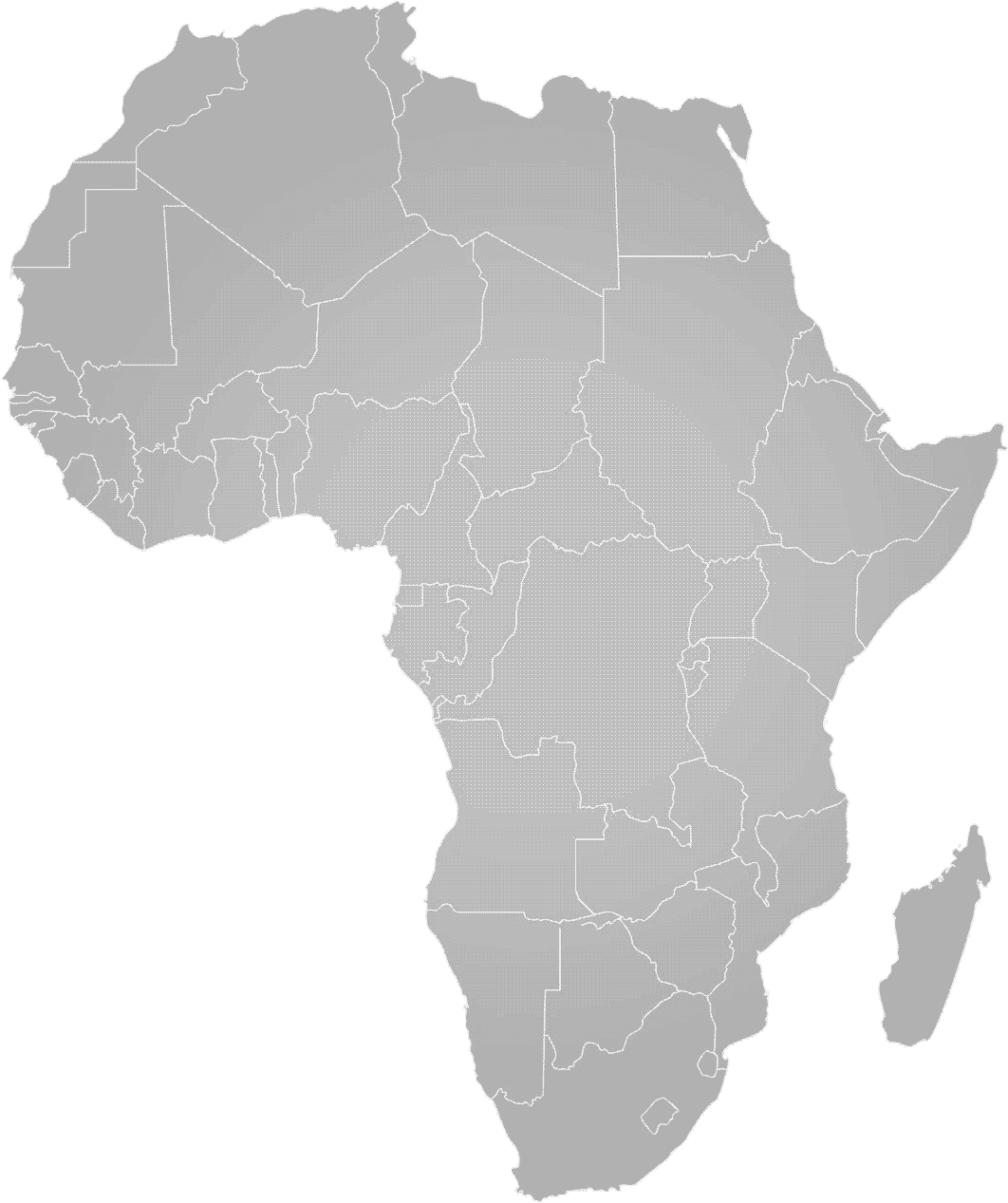
Namibia, located in the southwestern part of Africa, is known for its diverse and striking landscapes. It borders the Atlantic Ocean to the west and shares land borders with Angola, Zambia, Botswana, Zimbabwe, and South Africa. The country features expansive deserts such as the Namib, which is the oldest desert in the world, as well as savannahs, mountain ranges, and rivers. This geographical diversity contributes to Namibia’s unique ecosystems and rich natural heritage, making it a prominent highlight on the Africa map.
Location and Boundaries
Namibia is a country located in southwestern Africa, known for its diverse landscapes and rich natural heritage. It is bordered by the Atlantic Ocean to the west, which provides it with a lengthy coastline, and shares land borders with Angola and Zambia to the north, Zimbabwe to the northeast, Botswana to the east, and South Africa to the south and southeast. The country’s strategic location positions it as a transitional zone between the coastal desert regions and the more inland Sahelian zones. Namibia’s geographical boundaries define its unique topography, featuring deserts, mountains, savannahs, and coastlines, making it a prominent feature on the map of Africa.
Topography and Landscape
Namibia, located in southwestern Africa, features a diverse and striking geographical landscape that significantly influences its climate, ecosystems, and land use. The country is characterized by vast deserts, expansive plains, and rugged mountains, making it a unique and visually stunning part of the African continent. Its geographical features are primarily shaped by its positioning along the Atlantic Ocean and its placement within the Sahara and Sahel zones.
- The Namib Desert: One of the world’s oldest deserts, extending along Namibia’s coast, known for its towering dunes and arid conditions.
- The Great Escarpment: A prominent geological formation that runs parallel to the Atlantic Ocean, creating a dramatic landscape with steep cliffs and highland areas.
- The Central Plateau: An elevated region that covers much of the country, providing fertile grounds for agriculture and settlements.
- The Kalahari Desert: A semi-arid sandy basin in the eastern part of Namibia, hosting diverse wildlife and indigenous communities.
- Major Rivers: Rivers such as the Orange River along the southern border and the Kavango River in the northeast contribute to agricultural activities and ecosystems.
Overall, Namibia’s topography and landscape shape its climate, animal habitats, and human settlement patterns, making it a distinctive feature of the Africa map with vast deserts, rugged terrains, and lush river systems interwoven across its expanse.
Major Rivers and Water Bodies
Namibia, located in southwestern Africa, is characterized by diverse geographical features that include vast deserts, high plateaus, and coastal plains. The country’s landscape is dominated by the Namib Desert along its Atlantic Ocean coastline, which is considered one of the world’s oldest deserts. The terrain gradually rises towards the central and eastern regions, featuring rugged mountains and expansive savannahs. Namibia’s geographical positioning on the Africa map makes it a country of stark natural beauty and ecological significance, with various water bodies and river systems shaping its environment.
- Orange River: The longest river in Namibia, flowing from the Drakensberg mountains in South Africa into the Atlantic Ocean, forming a natural border with Botswana at the river’s northern end.
- Kunene River: Originating from Angola, it traverses Namibia’s northwestern border and is notable for the Epupa Falls, serving as a vital water source in an arid region.
- Okavango River: Flows into the Okavango Delta in Botswana but originates in Namibia’s Caprivi Strip, contributing to one of Africa’s largest inland deltas.
- Kuiseb River: A temporary river that flows through the Namib Desert and is a crucial water source for local flora and fauna during rare floods.
- Swakop River: Runs through the central part of Namibia, including the capital Windhoek, and supports various ecological and urban needs.
In addition to these rivers, Namibia is home to several significant water bodies such as Lake Oanob, an artificial lake providing water for Windhoek, and the Atlantic Ocean coast that borders the country, supporting fishing industries and coastal ecosystems. The abundance and distribution of water bodies are vital for Namibia’s biodiversity, agriculture, and human settlement patterns across the arid landscape.
Administrative Divisions
Administrative divisions are essential units of governance that organize the territory of a country into manageable regions for administrative, political, and logistical purposes. In Namibia, these divisions play a crucial role in structuring local government, land management, and resource distribution across the country. Understanding Namibia’s administrative boundaries helps to better comprehend its regional diversity and the organization of its political landscape within the continent of Africa.
Regions of Namibia
Namibia, a country located in southern Africa, is divided into several administrative regions, each serving as a key administrative unit within the country. These regions facilitate local governance, resource management, and regional development efforts. Namibia is composed of 14 regions, which vary in size and population, reflecting the country’s diverse geography and cultural landscape. The regions include Kavango West, Kavango East, Zambezi, Omusati, Oshana, Ohangwena, Oshikoto, Oshakati, Kunene, Erongo, Khomas, Hardap, //Karas, and Namibia. Each region has its own regional council responsible for local administration and development projects, contributing to Namibia’s overall stability and progress.
Capital and Major Cities
Namibia is a country located in southern Africa, known for its diverse landscapes and rich cultural heritage. It is divided into various administrative divisions, each with its own capital and major cities that contribute to the country’s economic and social development.
The administrative divisions of Namibia include 14 regions, each functioning as an important administrative unit. These regions are further subdivided into local councils and traditional authorities. The capital city of Namibia is Windhoek, serving as the political, economic, and cultural center of the country. Other major cities include Walvis Bay, known for its port and industries, and Swakopmund, famous for tourism and its coastal scenery.
- Windhoek – the capital city and largest urban area
- Walvis Bay – a key port city on the Atlantic coast
- Swakopmund – a popular tourism hub and coastal town
- Rundu – the administrative center of Kavango West and East regions
- Oshakati – an important commercial and administrative city in the northern regions
Local Government and Administration
Namibia, located in the southwestern part of Africa, is divided into various administrative divisions that facilitate effective local governance. The country is structured into 14 regions, each governed by a regional council responsible for local development and administration. These regions are further subdivided into districts and local authorities, including towns and villages, to ensure that administrative services reach even the most remote areas. Namibia’s local government system operates under a framework that emphasizes decentralization, empowering local councils to make decisions on community needs and resource management. This organizational structure helps maintain order, promote economic development, and support public service delivery across the diverse terrains of Namibia, from the coastal desert regions to inland grasslands and forested areas. The administrative divisions are crucial for implementing national policies at the local level and enhancing governance throughout the country on the map of Africa.
Climate and Ecology
Namibia, a country located in southern Africa, is known for its remarkable landscapes and rich ecological diversity. Its climate varies from desert conditions in the Namib Desert to more temperate zones in the higher inland areas, influencing the unique ecosystems that thrive there. Understanding Namibia’s climate and ecology is essential to appreciating its role within the broader African environment and the importance of conserving its natural resources.
Climate Zones within Namibia
Namibia, located in southwestern Africa, features diverse climate zones influenced by its vast landscape and geographies. The country primarily experiences a desert and semi-desert climate, with the Namib Desert along the coast known for its arid conditions and minimal rainfall. Inland regions, such as the Central Plateau, have a semi-arid climate with slightly more rainfall, supporting sparse vegetation and grazing lands. The northeast, including parts of the Kavango and Zambezi regions, exhibits a more tropical climate with higher rainfall, supporting savannah ecosystems and diverse wildlife. These varying climate zones contribute to Namibia’s rich ecological diversity, ranging from desert adaptations to lush riverine habitats. The climate and ecology are integral to understanding Namibia’s geography on the Africa map, showcasing its unique environmental features across different regions.
Desert Areas and Ecosystems
Namibia, located in southwestern Africa, features vast desert areas and unique ecosystems adapted to arid conditions. The country’s climate is predominantly desert and semi-desert, with some regions experiencing extreme dryness and high temperatures. These harsh environmental conditions influence the diverse flora and fauna that have evolved to survive in such resilient ecosystems.
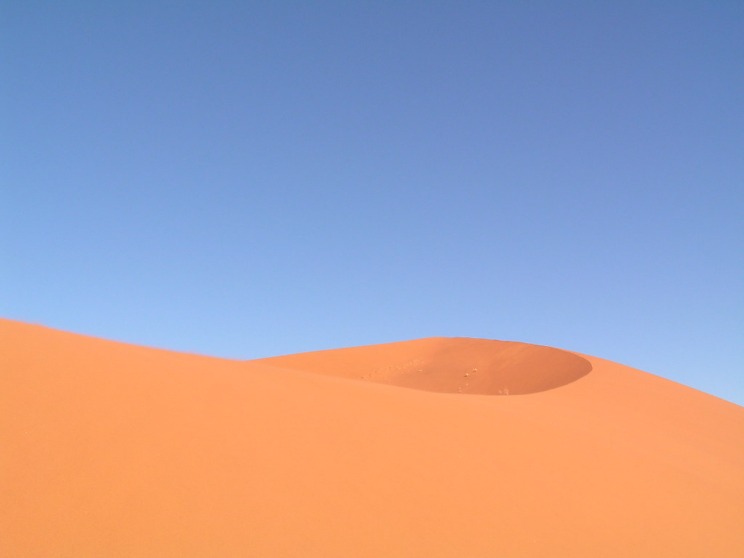
- The Namib Desert, one of the oldest deserts in the world, stretches along the Atlantic coast and is famous for its towering sand dunes, including the iconic Dune 45 at Sossusvlei.
- Adapted plant species such as xerophytes thrive here, including succulents and hardy grasses that conserve water.
- The desert provides habitat for unique animals like the oryx, desert elephants, and brown hyenas, which have developed specialized adaptations to endure extreme heat and scarce water sources.
- Namibia also hosts the Skeleton Coast, a rugged and foggy region supporting specialized marine and terrestrial life.
Despite the challenging environment, Namibia’s desert ecosystems play a vital role in maintaining biodiversity and supporting local communities through eco-tourism and conservation efforts. Understanding these delicate ecosystems is crucial for sustaining the region’s ecological balance amid climate change and human activity.
Wildlife and Conservation Areas
Namibia, located in southwestern Africa, is renowned for its diverse climate and rich ecological landscapes that support a wide array of wildlife. The country features desert regions such as the Namib Desert, one of the oldest and most arid deserts in the world, alongside savannahs and grasslands, creating unique habitats for various flora and fauna.
The climate of Namibia varies from scorching, dry conditions in desert areas to more temperate zones along the coastal and inland regions, influencing the distribution of wildlife and plant species across the country. This diverse climate supports numerous conservation areas and national parks dedicated to preserving Namibia’s natural heritage.
Namibia is home to several important wildlife and conservation areas, including Etosha National Park, known for its vast salt pan and abundant wildlife such as elephants, lions, rhinoceroses, and zebras. The country has made significant efforts in conservation, particularly in protecting rhinos from poaching and establishing community-based conservancies that allow local communities to benefit from wildlife tourism.
These conservation initiatives help maintain ecological balance, safeguard biodiversity, and promote sustainable tourism, which is vital for Namibia’s economy. Overall, Namibia’s unique climate and diverse ecosystems play a crucial role in supporting its thriving wildlife populations and conservation efforts on the African map.
Historical and Cultural Context
Understanding the historical and cultural context of Namibia provides essential insights into the nation’s unique identity within Africa. Namibia’s rich history is shaped by indigenous tribes, colonial influences, and its journey to independence. Its diverse cultures, languages, and traditions reflect a complex heritage that continues to influence its social and political landscape today. Exploring this background offers a deeper appreciation of Namibia’s place on the African map and its significance within the broader continent.
Pre-Colonial History
In the context of Namibia’s placement on the African map, understanding the pre-colonial history and cultural background is essential. Long before European influences shaped its borders, the region was inhabited by various indigenous groups with rich traditions and social structures. The Namibian landscape has witnessed the rise and fall of different kingdoms and tribes, each contributing uniquely to the country’s cultural tapestry. These early societies engaged in vibrant trade networks, developed sophisticated art, and maintained spiritual practices deeply rooted in nature and ancestral reverence.
- The San people, known for their ancient rock art and hunter-gatherer lifestyle, are among the earliest inhabitants of Namibia, with archaeological evidence dating back thousands of years.
- The Herero and Ovambo tribes established established kingdoms and social systems that played significant roles in regional dynamics before colonization.
- Trade routes linked Namibia to other parts of Africa, facilitating cultural exchange and the spread of domesticated animals, crops, and ideas.
- Namibia’s diverse ecosystems, from deserts to savannas, supported various communities that adapted their lifestyles accordingly, contributing to the country’s rich cultural diversity.
- Throughout the pre-colonial era, oral traditions, stories, and rituals preserved the history and customs of Namibia’s indigenous populations, shaping their collective identity.
Colonial Period and Independence
Namibia’s historical and cultural context is deeply rooted in its colonial past and the journey toward independence. During the colonial period, Namibia, then known as German South West Africa, was administered by Germany from 1884 to 1915, which significantly influenced its cultural landscape and infrastructure. Following German rule, South Africa took control, imposing apartheid policies that affected societal structures until Namibia gained independence in 1990. The struggle for liberation was marked by a resilient movement led by the South West Africa People’s Organization (SWAPO), culminating in the country’s sovereignty. This history has left a lasting impact on Namibia’s diverse cultures, languages, and social dynamics, which are reflected in its contemporary national identity on the African continent.
Cultural Heritage and Ethnic Groups
Namibia, located on the southwestern coast of Africa, boasts a rich historical and cultural heritage shaped by various ethnic groups and historical events. The country’s history includes periods of German colonization, followed by South African rule, which have left lasting influences on its cultural landscape. Namibia’s indigenous groups, such as the Himba, Herero, San, and Owambo, contribute diverse traditions, languages, and customs that are integral to the nation’s identity. These ethnic communities have preserved unique practices in areas like ceremony, dress, and storytelling, enriching Namibia’s cultural mosaic. Recognizing its colonial past and diverse demographics, Namibia has cultivated a sense of national pride rooted in respect for its indigenous heritage and history of resilience. The preservation and celebration of this cultural heritage are vital aspects of Namibia’s identity within the broader context of African history and cultural diversity on the map of Africa.
Economy and Resources
Namibia, a country located on the southwestern coast of Africa, is known for its rich natural resources and diverse economy. Its strategic position along major trade routes and abundant mineral deposits have shaped its economic landscape. Understanding Namibia’s resources provides insight into its development prospects and regional importance within Africa.
Natural Resources and Mining
Namibia, a country located on the southwestern coast of Africa, possesses a diverse economy largely influenced by its abundant natural resources and mining activities. The nation is rich in mineral deposits, making mining a cornerstone of its economic sector. Key minerals extracted include uranium, which Namibia is one of the world’s leading producers, along with diamonds, copper, zinc, and gold. These resources contribute significantly to national revenue and export earnings.
Natural resources in Namibia extend beyond minerals to include fisheries, wildlife, and renewable energy sources. The country’s extensive coastal waters support a thriving fishing industry, supplying fish and seafood to international markets. Namibia’s vast deserts and open landscapes also offer potential for renewable energy development, particularly solar and wind power, which can help meet domestic energy needs and reduce reliance on imported fuels.
The sustainable management and utilization of these resources are vital for Namibia’s economic growth and development. By investing in mining technology, environmental conservation, and renewable energy projects, Namibia can diversify its economy, create employment opportunities, and improve the living standards of its citizens, all while protecting its unique natural heritage.
Farming and Agriculture
Namibia, located on the southwestern coast of Africa, has a diverse economy that relies heavily on its abundant natural resources and efforts in farming and agriculture. The country’s economy is driven by various sectors including mining, agriculture, tourism, and manufacturing.
In terms of resources, Namibia is rich in mineral deposits such as diamonds, uranium, copper, gold, and zinc, which significantly contribute to its exports and economic growth. The country also has substantial fish resources along its Atlantic Ocean coastline, supporting a thriving fishing industry. Additionally, Namibia possesses vast areas of arid land and mineral-rich deposits that attract investment and exploration.
Farming and agriculture in Namibia are characterized by their adaptation to the arid environment. The sector primarily includes livestock farming, crop cultivation, and fishing. Due to limited water resources, farming often depends on rain-fed agriculture and irrigation systems where available.
- Livestock farming is a major component, with cattle, goats, and sheep raised for meat, milk, and hides.
- Crop cultivation mainly involves drought-resistant crops such as millet, sorghum, and maize.
- Fishing is a vital industry, providing employment and export revenues through the harvesting of fish and seafood.
Tourism and Attractions
Namibia, situated on the southwest coast of Africa, boasts a diverse and resource-rich economy supported by its abundant natural resources and thriving tourism sector. The country is known for its rich mineral deposits, including diamonds, uranium, copper, and gold, which play a crucial role in its economic development and exports. Additionally, Namibia’s vast plains and deserts provide crucial resources such as salt, fish, and livestock, contributing to both local livelihoods and trade.
Tourism is a significant driver of Namibia’s economy, attracting visitors with its stunning landscapes, unique wildlife, and cultural heritage. Key attractions include the Namib Desert and its iconic dunes, Etosha National Park with its abundant wildlife, and the Skeleton Coast with its hauntingly beautiful scenery. Adventure tourism, eco-tourism, and wildlife safaris form the core of Namibia’s tourism offerings, drawing eco-conscious travelers from around the world.
- Namibia’s robust mining industry, including diamonds from the coast and uranium from the Keetmanshoop area.
- Expansive national parks that showcase Namibia’s diverse flora and fauna, making it an eco-tourism hotspot.
- Attractions like the Daan Viljoen Game Reserve, Sossusvlei, and Fish River Canyon, which are famous for their breathtaking landscapes and outdoor activities.
- Growing tourism infrastructure, including luxury lodges, safari camps, and cultural tour experiences that enhance visitor engagement.
Strategic Significance
Namibia holds considerable strategic significance within Africa, positioning itself as a vital player in regional stability and economic development. Its geographic location offers access to important trade routes and natural resources, making it an influential country in both the southern African region and the broader continent. Understanding Namibia’s placement on the Africa map highlights its role in fostering regional cooperation and economic growth.
Trade Routes and Transportation
Namibia’s strategic significance on the African map is largely influenced by its placement along key trade routes and its extensive transportation network. Located in the southwestern part of Africa, Namibia serves as a crucial gateway for trade between southern Africa and global markets, especially through its ports such as Walvis Bay, which is one of the continent’s most important maritime hubs. Its geographic position enables it to facilitate the movement of goods within the region and beyond, enhancing economic connectivity.
The country features well-developed transportation infrastructure, including major highways, railway lines, and port facilities that support export and import activities. The railway network links Namibia with neighboring countries like Botswana, Zambia, and Zimbabwe, fostering regional trade and integration. These transportation pathways are vital for the movement of mineral resources, agricultural products, and manufactured goods, reinforcing Namibia’s role in regional and continental commerce.
Overall, Namibia’s location on the Africa map, combined with its strategic trade routes and transportation facilities, underscores its importance as a facilitator of economic activity and regional development in southern Africa.
Border Relations and Security
Namibia holds significant strategic importance within the African continent due to its geographic location, natural resources, and regional influence. Situated along the Atlantic Ocean coast, Namibia serves as a crucial maritime gateway for southern Africa, facilitating trade and access to international markets. Its extensive border with Angola, Zambia, Botswana, Zimbabwe, and South Africa makes it a key player in regional stability and cooperation.
Border relations are vital for Namibia’s security and economic development. The country has worked towards maintaining peaceful and cooperative relations with its neighbors, emphasizing boundary demarcation and joint security initiatives. These relationships help prevent conflicts, combat cross-border crime, and promote regional integration.
Security concerns in Namibia include safeguarding its borders from illegal immigration, smuggling, and potential threats from extremist groups. The government invests in border patrols, military collaboration, and intelligence sharing with neighboring countries to ensure national and regional stability. Overall, Namibia’s strategic location, border management, and security measures contribute to its role as a stable and influential nation within Africa.



0 Comments