

Geographical Location and Size of Namib Naukluft Park
Namib Naukluft Park is a vast protected area located in the southwestern part of Namibia, covering a significant portion of the Namib Desert. Known for its expansive dunes, rugged mountains, and diverse ecosystems, the park spans approximately 19,320 square kilometers, making it one of the largest conservation areas in Africa. Its extensive size and unique geographical features attract travelers and nature enthusiasts from around the world, offering a remarkable landscape of natural beauty and wilderness.
Position within Namibia
Namib Naukluft Park is situated in the southwestern part of Namibia, making it one of the largest protected areas in Africa. The park covers an extensive region that includes parts of the Namib Desert and the Naukluft Mountain Range.
- The park spans approximately 20,000 square kilometers (7,722 square miles), offering vast and diverse outdoor landscapes.
- It is located within the Hardap and Erongo regions of Namibia.
- The park lies along the Atlantic Ocean coastline, with the famous Namib Desert extending across its eastern territory.
- Its central geographical position places it near key Namibian towns such as Sesriem and Walvis Bay.
- Namib Naukluft Park is conveniently accessible from Windhoek, Namibia’s capital, which is situated roughly 360 kilometers to the northeast.
Extent and Boundaries
Namib Naukluft Park is located in southwestern Namibia, encompassing a significant portion of the Namib Desert, one of the world’s oldest deserts. The park covers an expansive area of approximately 20,000 square kilometers, making it one of the largest protected areas in Africa. Its boundaries extend across the Erongo and Kunene regions, offering a diverse landscape that includes towering dunes, rugged mountains, and gravel plains. The park’s northeastern boundary adjoins the Skeleton Coast National Park, forming a continuous protected area along Namibia’s coast. To the south and west, the boundaries are marked by Namibia’s national borders, while the terrain transitions into other protected regions and wilderness areas. This vast expanse provides a critical habitat for a variety of endemic flora and fauna, including desert-adapted elephants, lions, and numerous bird species. The park’s extensive size and strategic location facilitate the preservation of unique desert ecosystems and scenic landscapes that attract researchers, tourists, and conservationists alike.
Natural Features and Landscapes
Namib Naukluft Park in Namibia is renowned for its stunning natural features and diverse landscapes. From vast deserts to rugged mountains and sprawling dunes, the park showcases some of the most iconic and breathtaking scenery in Africa. These natural landscapes not only attract photographers and adventurers but also play a crucial role in preserving the unique flora and fauna of the region.
The Namib Desert and Dunes
The Namib Naukluft Park in Namibia is renowned for its stunning natural features and diverse landscapes, making it a unique destination for travelers and nature enthusiasts alike. The park encompasses a vast expanse of the Namib Desert, one of the oldest and most arid deserts in the world, characterized by incredible sand dunes, rugged mountains, and expansive plains.
One of the most iconic features of the Namib Naukluft Park is the towering sand dunes of the Namib Desert. These dunes are among the highest in the world, with Dune 45 and Big Dune being popular landmarks that attract visitors with their striking beauty and panoramic views. The dunes change color throughout the day, shifting from deep reds and oranges to golden hues, creating a mesmerizing landscape.
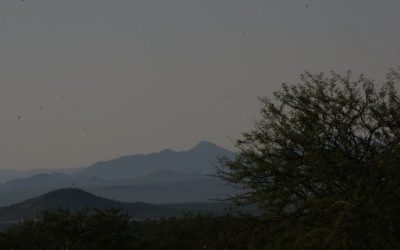
The landscape of the park also includes the Naukluft Mountains, a rugged range with steep cliffs, caves, and lush rock pools that contrast sharply with the surrounding desert. This area offers excellent hiking and rock climbing opportunities, allowing visitors to explore the diverse terrain and observe native flora and fauna adapted to the harsh environment.
- Wide expanses of desert plains with sparse vegetation
- Colorful, ever-changing sand dunes vital for ecological balance
- Majestic mountain ranges with intricate valleys and caves
- Specialized flora and fauna adapted to extreme conditions
- Breathtaking vistas that highlight Namibia’s natural grandeur
The natural features of the Namib Naukluft Park highlight the remarkable resilience of life in some of Earth’s most challenging environments and showcase Namibia’s stunning landscapes that continue to captivate visitors from around the world.
Mountains and the Nauklaft Range
Namib Naukluft Park in Namibia is renowned for its striking natural features and diverse landscapes. The park is home to some of the most breathtaking mountain ranges and deserts in Africa, offering a unique blend of geological marvels. The Naukluft Mountains are a prominent feature, characterized by rugged peaks, steep cliffs, and deep canyons that attract hikers and nature enthusiasts alike. These mountains provide habitat for various plant and animal species adapted to the arid environment. The park also encompasses the vast Namib Desert, with its iconic towering sand dunes, such as Dune 45, which rise majestically against the flat plains. Alongside the dunes, there are salt pans, gravel plains, and lush riverbeds that support a surprising array of wildlife. The contrasting landscapes of mountains and deserts in the Namib Naukluft Park create a dramatic scenery that exemplifies the raw beauty of Namibia’s natural environment.
Salt Flats and Dry Lakes
Namib Naukluft Park in Namibia is renowned for its striking natural features, including expansive salt flats and dry lakes that create otherworldly landscapes. These unique formations are a testament to the area’s ancient climatic conditions and geological history. The salt flats, such as the famous Sossusvlei, are characterized by their bright white surfaces contrasting sharply with surrounding red sand dunes and rugged mountains.
- Salt Flats and Dry Lakes: The park is home to several large salt pans and dry lakes like Dead Vlei and Sossusvlei, where the intense heat and minimal rainfall have dried the lakes, leaving behind crusts of salt.
- Unique Geology: The salt flats develop over time as water from underground sources dissolves minerals, which then evaporate, leaving mineral deposits that form vast, flat salt surfaces.
- Vivid Landscapes: These features provide a surreal landscape scene that attracts photographers and nature lovers, especially during sunrise and sunset when the reflections and colors are most vivid.
- Ecological Significance: Despite their harshness, these areas support specialized flora and fauna adapted to extreme conditions, contributing to the park’s ecological diversity.
Flora and Fauna in the Park
Namib Naukluft Park in Namibia is a stunning wilderness area renowned for its diverse and vibrant flora and fauna. The park provides a unique habitat for various plant and animal species, thriving amidst the desert landscape and rugged mountains. Visitors can witness the spectacular adaptations of life that have evolved to survive in this arid environment, making it a fascinating destination for nature enthusiasts.
Unique Plant Species
Namib Naukluft Park in Namibia is renowned for its diverse flora and fauna, offering a unique ecosystem that supports a wide range of plant and animal species. This protected area encompasses some of the most striking desert landscapes, including the towering sand dunes of the Namib Desert and rugged mountain formations.
Unique Plant Species in Namib Naukluft Park
- Welwitschia mirabilis: An extraordinary plant endemic to the Namib Desert, known for its extensive basal leaves that can live for over a thousand years.
- Oryx Aloe (Aloe ortholopha): A rare aloe species adapted to the arid environment, featuring striking rosette-shaped leaves and vibrant flowers.
- Desert Rose (Adenium multiflorum): A succulent shrub with thick, swollen stem base and beautiful pink to red flowers, thriving in arid conditions.
- Namib Sand Milkweed (Gannemania namibensis): A plant uniquely adapted to sandy soils, with tender leaves and distinctive yellow flowers.
Wildlife of Namib Naukluft Park
- Desert-adapted elephants, lions, and cheetahs that are capable of surviving in the harsh desert environment.
- Endemic bird species such as the dune lark and desert cisticola.
- Insects like the Namib beetle, which has specialized adaptations to harvest moisture from fog.
- Reptiles including the welwitschia viper and various geckos endemic to the region.
Wildlife Diversity
Namib Naukluft Park in Namibia is renowned for its exceptional diversity of flora and fauna, making it a vital sanctuary for wildlife in the region. The park’s unique ecosystem features a variety of plant species adapted to survive in arid desert conditions, including succulent plants such as aloe and mesembryanthemum, which thrive in the rocky terrain and provide essential food sources for local animals. The flora’s resilience supports a range of fauna that have evolved to endure the harsh climate.
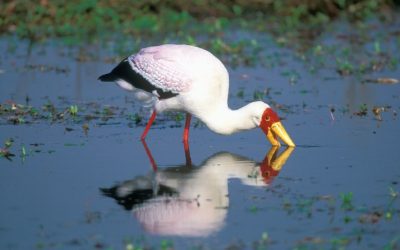
Wildlife within the park is equally diverse, with species specially adapted to the desert environment. Among the notable animals are oryx, springbok, and desert-adapted elephants, which navigate the vast sandy plains and rugged mountains. Birdlife is abundant, including vultures, lappet-faced vultures, and several species of raptors that play a crucial role in the ecological balance. Reptiles such as geckos, snakes, and lizards are commonly observed, showcasing adaptations to extreme temperatures. Overall, Namib Naukluft Park exemplifies the richness of desert biodiversity, highlighting the resilience of life in some of Earth’s most challenging habitats.
Birdlife and Reptiles
The Namib Naukluft Park in Namibia is renowned for its rich and diverse flora and fauna, offering a unique blend of desert and mountainous ecosystems. The park’s vegetation mainly consists of hardy succulent plants, drought-resistant shrubs, and grasses adapted to the arid environment, providing vital resources for local wildlife. Birdlife in the park is particularly impressive, with species such as desert-adapted raptors, lappet-faced vultures, and the endemic only Namibia’s desert-dwelling bird, the Namibia short-toed eagle. The park also hosts a variety of reptiles, including geckos, skinks, and the impressive horned viper, which thrive amid the rocky terrains and sandy dunes. This diverse array of flora and fauna makes Namib Naukluft Park a fascinating destination for nature enthusiasts and wildlife observers alike, showcasing the resilience of life in one of the world’s harshest environments.
Activities and Tourism Opportunities
Namib Naukluft Park in Namibia offers a diverse range of activities and tourism opportunities for adventurers and nature enthusiasts alike. From breathtaking desert landscapes to unique wildlife encounters, visitors can enjoy a variety of experiences that showcase the park’s natural beauty. Whether exploring towering sand dunes, hiking scenic mountain trails, or discovering local flora and fauna, tourists are presented with unforgettable opportunities to connect with Namibia’s rugged wilderness.
Desert Safaris and Dune Climbing
Namib Naukluft Park in Namibia offers an array of exciting activities and tourism opportunities for adventurers and nature enthusiasts alike. Visitors can indulge in thrilling desert safaris that showcase the stunning landscapes and unique wildlife of the arid region. These safaris often include guided excursions across vast expanses of the desert, allowing travelers to explore remote areas and discover the park’s diverse flora and fauna.
One of the most popular activities in Namib Naukluft Park is dune climbing, especially on the world-famous Dune 45 near Sossusvlei. Climbing these towering red dunes provides not only an exhilarating challenge but also breathtaking panoramic views of the surrounding desert. Watching the sunrise over the dunes is a mesmerizing experience, highlighting the park’s surreal and otherworldly scenery. Overall, the combination of desert safaris and dune climbing makes Namib Naukluft Park a premier destination for adventure seekers and nature lovers alike.
Hiking and Trekking Routes
Namib Naukluft Park in Namibia offers a diverse range of activities and tourism opportunities for adventurers and nature enthusiasts alike. Visitors can explore the stunning desert landscape, vibrant desert wildlife, and unique geological formations that make this park a remarkable destination. The park is renowned for its expansive dunes, including the iconic Dune 45, which provides breathtaking panoramic views and perfect opportunities for photography.
Hiking and trekking routes within Namib Naukluft Park cater to all levels of experience. The Nara Plain Trail offers an accessible hike through the scenic plains, while the more challenging trekking routes in the Naukluft Mountains test endurance with rugged terrain and steep ascents. A popular route is the Tsauchab River Valley hike, which takes travelers through lush oasis areas and past historical landmarks. Guided treks are available for those seeking expert advice and a deeper understanding of the area’s geology, flora, and fauna.
Aside from hiking, visitors can engage in activities like camel trekking, scenic flights over the dunes, and wildlife safaris to spot desert-adapted elephants and cheetahs. Nighttime stargazing is also a notable activity, thanks to the park’s remote location and clear skies. With its dramatic landscapes and varied outdoor pursuits, Namib Naukluft Park remains one of Namibia’s top destinations for adventure and nature tourism.
Camping Sites and Accommodation Options
Namib Naukluft Park in Namibia offers a diverse range of activities and tourism opportunities for visitors seeking adventure and nature immersion. Nature safaris, bird watching, and guided desert tours provide unique experiences to explore the stunning landscapes and wildlife. Visitors can also enjoy scenic hikes through the rugged mountains and vast dunes, including the famous Dune 45, for breathtaking views and memorable photo opportunities.
Camping sites within the park range from basic campsites to more equipped options, allowing travelers to immerse themselves in the serenity of the desert environment. Popular camping spots include Sesriem Camp and the Namatoni Campsite, both offering essential facilities and a chance to experience the park’s natural beauty overnight. For those seeking more comfort, nearby lodges and guesthouses provide cozy accommodation options, blending convenience with the opportunity to enjoy Namibia’s stunning scenery in style.
Cultural and Historical Significance
Namib Naukluft Park in Namibia holds profound cultural and historical significance, serving as a vital part of the region’s heritage. This protected area not only showcases unique desert landscapes but also preserves the traditions and stories of indigenous communities who have lived there for generations. Exploring the park offers insights into Namibia’s rich cultural history and the enduring relationship between its people and the natural environment.
Ancient Rock Art and Petroglyphs
Namib Naukluft Park in Namibia is renowned not only for its stunning desert landscapes but also for its rich cultural and historical significance, especially through its ancient rock art and petroglyphs. These prehistoric artworks provide a window into the lives, beliefs, and practices of early inhabitants of the region, offering an invaluable connection to Namibia’s distant past.
The rock art and petroglyphs found within the park are estimated to be thousands of years old, created by indigenous peoples such as the San and other early communities. These images often depict animals, human figures, hunting scenes, and abstract symbols, serving as records of daily life, spiritual beliefs, and environmental conditions at the time.
- Preservation of Cultural Heritage: The rock art adds to the understanding of ancient societies, their rituals, and interactions with nature.
- Archaeological Significance: These artworks help researchers to trace migration patterns, social organization, and ecological changes over millennia.
- Spiritual and Ritualistic Context: Many of the petroglyphs are believed to have held spiritual or ceremonial importance for the early inhabitants of the region.
- Educational Value: The sites attract scholars and visitors alike, fostering awareness and appreciation for Namibia’s ancient cultural legacy.
Overall, the ancient rock art and petroglyphs in Namib Naukluft Park are a vital part of Namibia’s cultural identity, symbolizing a profound link between the past and present, and highlighting the ongoing importance of preserving this invaluable heritage for future generations.
Historical Use of the Area
Namib Naukluft Park in Namibia holds profound cultural and historical significance as a symbol of the region’s rich heritage and natural resilience. The park encompasses ancient landscapes that have been inhabited and revered by indigenous peoples for centuries, serving as a testament to their deep connection with the land. Historically, the area was utilized for grazing and hunting by local communities, shaping their lifestyles and traditions over generations. The rugged terrain and unique desert ecosystems also played a crucial role in shaping local folklore, spiritual beliefs, and cultural practices, reflecting a harmonious relationship between people and nature. Additionally, the park’s historical use includes early exploration and scientific studies that contributed to understanding desert environments and biodiversity, further cementing its importance in Namibia’s historical landscape.
Conservation and Management
Conservation and management are essential for preserving the unique natural landscapes and biodiversity of Namib Naukluft Park in Namibia. As one of Africa’s largest conservation areas, the park plays a vital role in protecting fragile ecosystems, including the iconic Namib Desert dunes and diverse wildlife. Effective management strategies ensure that visitors can enjoy the park’s natural beauty while maintaining ecological balance for future generations.
Protection Policies and Regulations
Namib Naukluft Park in Namibia is a vital protected area dedicated to conserving its unique desert landscape, diverse ecosystems, and endemic species. Effective management and strict protection policies are essential to maintain the park’s ecological integrity and promote sustainable tourism. The park’s conservation strategies focus on safeguarding its rich biodiversity, including the Namib Desert’s iconic dunes, wildlife such as oryx, springbok, and desert-adapted elephants, and fragile plant species.
- Establishment of protected zones to prevent overexploitation of natural resources.
- Implementation of strict regulations on tourism activities to minimize environmental impact.
- Monitoring of wildlife populations to ensure species conservation and detect threats.
- Community engagement initiatives to involve local communities in conservation efforts.
- Research and environmental assessments to inform adaptive management strategies.
Protection policies in Namib Naukluft Park emphasize the enforcement of anti-poaching laws, habitat preservation, and control of invasive species. Regulations also dictate sustainable land use practices, waste management, and restrictions on deforestation. These measures collectively aim to preserve the park’s pristine environment for future generations while promoting eco-tourism that benefits local communities economically and culturally.
Research and Monitoring Efforts
Conservation and management, as well as research and monitoring efforts, are crucial components in preserving the unique ecosystems of Namib-Naukluft Park in Namibia. The park, renowned for its stunning desert landscapes, dunes, and diverse flora and fauna, benefits from targeted conservation initiatives aimed at protecting its fragile environment from threats such as over Tourism, climate change, and illegal activities. These efforts involve the implementation of strict management policies, habitat restoration projects, and community involvement to ensure sustainable use of natural resources.
Research and monitoring play an essential role in understanding the dynamics of the park’s ecosystems. Scientific studies focus on wildlife populations, vegetation health, and the impacts of environmental changes. Continuous data collection helps in assessing the effectiveness of conservation strategies and guides adaptive management practices. Collaborations between government agencies, research institutions, and local communities help in gathering valuable insights that inform policy decisions and promote the long-term preservation of Namib-Naukluft Park’s unique environment.


0 Comments