
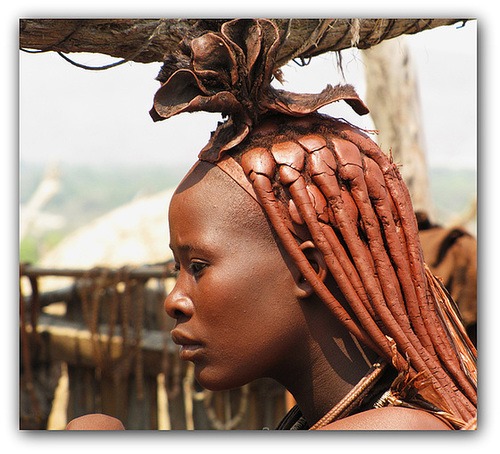
Historical and Cultural Background of the Himba People
The Himba people are a semi-nomadic ethnic group native to northern Namibia, with a rich cultural heritage that has been preserved for centuries. Known for their striking appearance, including intricate hairstyles and distinctive clothing, the Himba have maintained their traditional way of life despite external influences. Their society is deeply rooted in customs, oral history, and spiritual practices that emphasize harmony with nature and community. The Himba culture offers a fascinating glimpse into resilience and identity amidst a changing world.
Origins and Ethnic Heritage
The Himba people are an indigenous ethnic group predominantly found in the northern regions of Namibia. Their history and culture are deeply rooted in their traditional ways of life, which have been preserved over centuries despite external influences. The Himba are known for their semi-nomadic pastoralist lifestyle, focusing mainly on cattle herding, which plays a vital role in their social and economic systems.
Origins of the Himba people trace back to the OvaHerero and OvaMbanderu ethnic groups, with whom they share linguistic and cultural ties. They migrated into the region centuries ago, adapting their customs to the harsh desert environment of the Namib Desert. Their ancestors are believed to have migrated from central regions, establishing a distinct cultural identity that includes unique languages, clothing, and social structures.
The Himba’s ethnic heritage is characterized by their rich oral traditions, traditional adornments, and spiritual practices. They are mainly Khoe-speaking people, which links them culturally to other Khoekhoe-speaking groups of Southern Africa. Despite modern influences, the Himba maintain their traditional customs, such as the use of otjize—a mixture of butterfat and red ochre—to cover their skin and hair, symbolizing beauty, age, and social status. Their cultural identity remains vibrant, reflecting a strong connection to their ancestors and land.
Traditional Lifestyle and Customs
The Himba people are an indigenous ethnic group residing primarily in the northwestern region of Namibia. They are renowned for maintaining a semi-nomadic way of life that has been preserved for centuries, reflecting their deep connection to their land and traditions. The Himba have a rich cultural heritage that is distinctively characterized by their unique customs, clothing, and societal structures.
The Himba society is organized into clans, with a strong emphasis on family lineage and communal living. They are traditionally cattle herders and farmers, relying heavily on livestock for their livelihood and social status. Their livelihood practices are closely tied to their environment, which sustains their way of life through the arid landscape of the Namibian desert.
The traditional lifestyle of the Himba is deeply rooted in their customs and spiritual beliefs. They are known for their elaborate beauty rituals, including the application of otjize—a mixture of butterfat and ochre—which they use to protect their skin from the harsh desert sun and to create their distinctive red appearance. Women, especially, play a central role in maintaining and passing down cultural traditions, evident in their intricate jewelry, hairstyles, and attire.
Customs such as age-based initiation rites, marriage ceremonies, and festivals are vital aspects of Himba culture. They also have a deep respect for their ancestors and traditional spiritual practices, which influence daily life and community decisions. Despite external influences and modernization, the Himba continue to uphold their traditional customs, preserving their identity and cultural heritage in Namibia’s diverse cultural landscape.
Significance of Social Structure and Leadership
The Himba people, an indigenous group primarily residing in northern Namibia, have a rich historical and cultural background that has been preserved through generations. Known for their semi-nomadic pastoral lifestyle, they traditionally relied on cattle herding and small-scale farming, which remain central to their economy and social identity. Their history is marked by resilience and adaptability, maintaining distinct customs despite external influences and colonial efforts to assimilate or marginalize them. The Himba are recognized for their unique customs, including their traditional dress, elaborate jewelry, and distinctive body and hair ornamentation, which symbolize social status and cultural heritage.
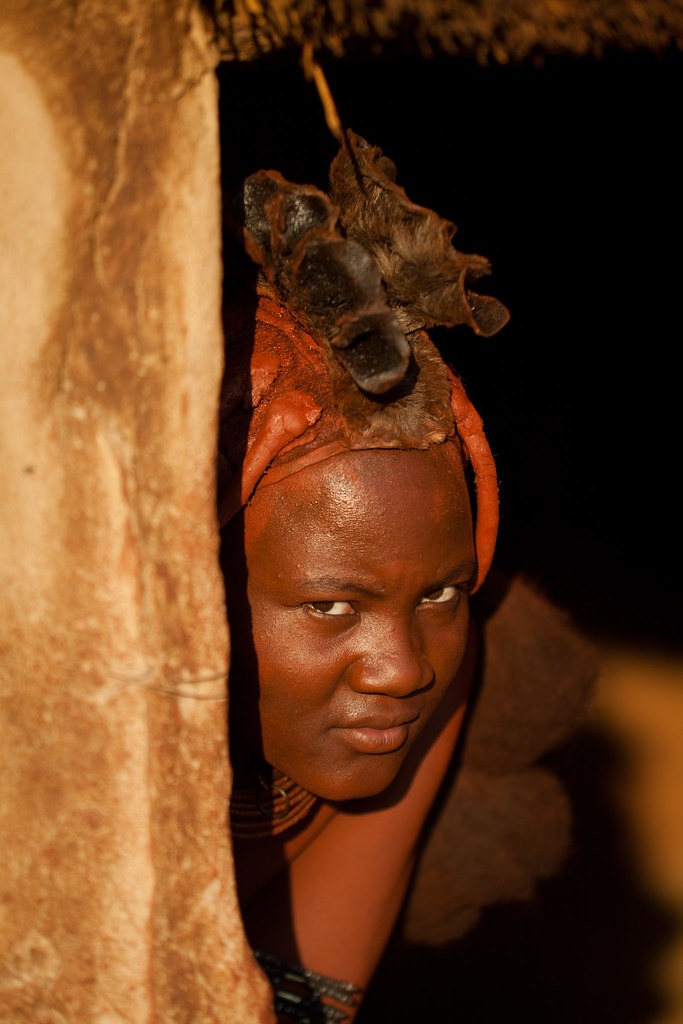
Central to their social organization is a well-defined social structure that emphasizes kinship, age-sets, and gender roles. Men typically hold leadership positions, guiding communal decisions and resource management, while women are vital in household and cultural practices, especially in grooming, marriage, and child-rearing. Leadership within the Himba community is often based on respect, experience, and lineage, with elders playing a significant role in maintaining social cohesion. The community values collective well-being, with social harmony reinforced through rituals, ceremonies, and adherence to tradition. This structured social order ensures the preservation of Himba cultural practices and provides stability and continuity within their society amidst changing external influences.
Distinctive Appearance and Attire of Himba Women
The Himba women of Namibia are renowned for their unique and striking appearance, which reflects their rich cultural heritage and traditional way of life. Their distinctive attire and grooming practices set them apart, creating a memorable and culturally significant image. From their elaborate hairstyles to their intricate clothing and adornments, Himba women embody a powerful expression of identity and tradition.
Omo and Headdress Styles
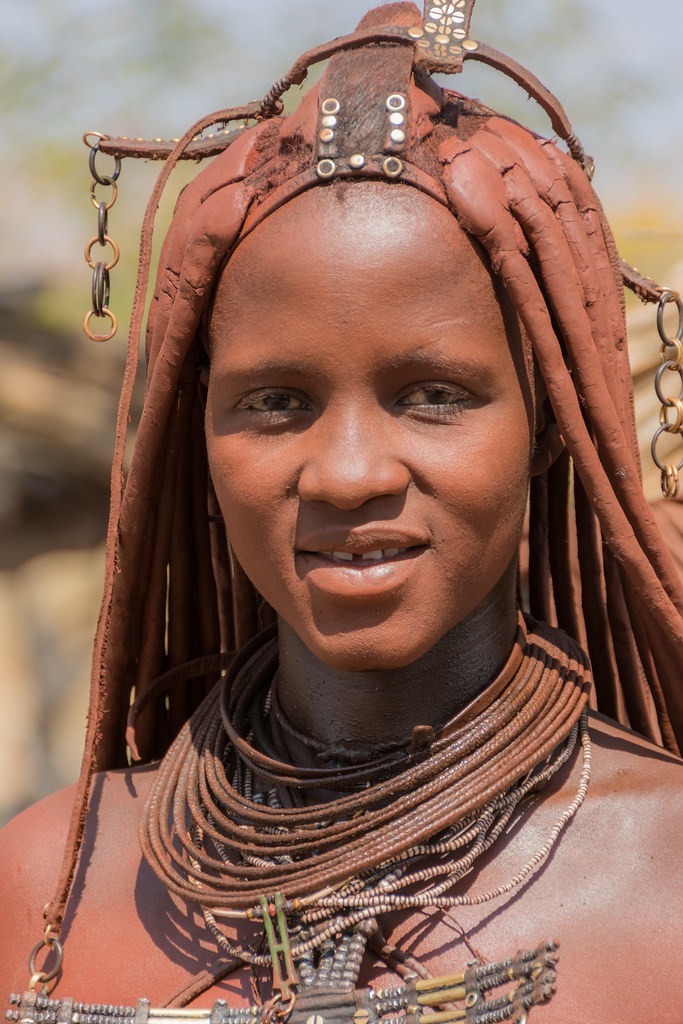
Himba women are renowned for their striking distinctive appearance and unique attire, which serve as cultural identifiers and symbols of their identity within their community. Their skin is often coated with a reddish-orange paste called otjize, made from red ochre and butter, which gives them a vibrant hue and protects against the harsh desert climate. This traditional cosmetic is also a vital part of their beauty standards and cultural practices.
The attire of Himba women typically includes minimal clothing made from goat skins, with an emphasis on adornment through jewelry, beads, and metal ornaments. Their clothing reflects their connection to pastoral heritage and status within the tribe. The Headdress styles vary, often featuring intricate arrangements of beads, cowrie shells, and metal ornaments that signify age, social standing, or marital status. During special ceremonies or rites of passage, they may wear more elaborate headpieces shaped into cones or other distinctive forms, further emphasizing their cultural significance.
Traditional Clothing and Jewelry
Himba women are renowned for their distinctive appearance and traditional attire, which reflect their cultural identity and heritage. Their skin is often coated with a red paste made from ochre and butter, giving them a striking red hue that symbolizes earth and fertility. This practice also offers protection from the sun and insects. The women traditionally wear minimal clothing, typically wrapping leather skirts around their waists and covering their upper bodies modestly. Their jewelry is elaborate and significant, featuring necklaces, headpieces, and armlets made from beads, shells, and metals. These adornments are not only decorative but also serve as symbols of social status, age, and marital status. The overall appearance of Himba women is both distinctive and vibrant, representing a deep connection to their cultural roots and environment in Namibia.
Use of Red Ochre and Body Decoration
The Himba women of Namibia are renowned for their distinctive appearance and traditional attire that reflect their cultural identity. Their unique look is easily recognizable, set apart by the vibrant use of red ochre and elaborate body decorations. Himba women typically cover their skin and hair with a mixture made from red ochre, butter, and sometimes aromatic herbs, which gives their skin a striking reddish hue. This practice not only serves as beautification but also provides protection from the harsh sun and insect bites in the Namibian environment. Their hair is styled in intricate, elaborate patterns, often styled into thick braids or distinctive topknots, and decorated with ochre. Additionally, women adorn themselves with jewelry such as ornate necklaces, bracelets, and headpieces, which are integral to their traditional dress. The use of red ochre and body decoration is not only a cultural expression but also signifies purity, fertility, and social status within the Himba community. Overall, the Himba women’s appearance is a powerful symbol of their heritage, beauty, and way of life in Namibia.
Daily Life and Roles of Himba Women
Himba women are integral to the cultural identity and daily life of the Himba community in Namibia. They hold vital roles in both household responsibilities and cultural traditions, showcasing strength, resilience, and deep-rooted customs. Through their daily routines, they maintain their unique lifestyle, clothing, and beauty practices, reflecting the rich heritage of their people.
Household Responsibilities and Tasks
Himba women in Namibia play a vital role in daily life and household responsibilities, contributing significantly to their communities and families. Their tasks are traditionally rooted in their cultural practices and social structures, reflecting their resilience and resourcefulness.
- Himba women are primarily responsible for gathering food, water, and firewood, which are essential for daily sustenance and household needs.
- They engage in herding and caring for livestock, particularly goats and cattle, which are valuable assets in Himba society.
- Women participate in crafting and maintaining their distinctive attire, including applying otjize paste made from red ochre, butter, and ochre clay, which is a cultural symbol and protective covering.
- Domestic chores such as cooking, cleaning, and child-rearing are predominantly undertaken by Himba women, ensuring the well-being and upbringing of their children.
- Women also contribute to the transmission of cultural knowledge, traditions, and oral history through stories and teaching younger generations.
Role in Community and Cultural Preservation
Namibia Himba women play a vital role in both daily life and the preservation of their culture. They are responsible for domestic tasks such as cooking, cleaning, and caring for children, ensuring the smooth functioning of their households. Additionally, Himba women are skilled in traditional crafts, including hair styling, jewelry making, and the crafting of traditional clothing, which are vital for cultural identity and economic sustainability.
In their community, Himba women serve as custodians of customs and traditions, passing down oral histories, language, and rituals to younger generations. They actively participate in community decision-making and social gatherings, reinforcing social cohesion. Their presence and practices help to maintain the unique Himba way of life amidst modern influences.
Culturally, Himba women are instrumental in preserving their heritage through attire, especially their distinctive red ochre body paint and intricate jewelry, which symbolize status and cultural values. Their roles extend beyond daily chores, embodying the continuity of Himba traditions and ensuring that their cultural identity endures for future generations.
Marriage Customs and Family Life
The Himba women of Namibia play a vital role in their community, embodying cultural traditions and managing daily life with resilience. They are responsible for household chores, gathering water and firewood, and caring for children and elders. Their daily routine also includes preparing traditional foods and maintaining their distinctive appearance, which is an important symbol of their identity.
Marriage customs among Himba women involve specific rituals that emphasize communal ties and cultural continuity. Women often marry within their tribe, and marriage is seen as a lifelong union. The bride frequently undergoes a purification ceremony and receives their distinctive red ochre paste, symbolizing beauty, health, and status. Women enjoy a respected status in society, often managing household affairs and participating actively in community decisions.
Family life for Himba women is centered around kinship and social bonds. They are primarily responsible for raising children and passing down cultural values and traditions. Extended families live close together, creating a supportive network. Women also play a crucial role in maintaining cultural practices, such as traditional dress, dance, and ceremonies, ensuring the continued vitality of Himba heritage for future generations.
Traditional Practices and Rituals
The Namibian Himba women are renowned for their rich traditional practices and rituals that preserve their cultural identity and ancestral heritage. These customs encompass unique ways of dress, body adornment, and ceremonial gatherings that hold deep spiritual and social significance. Through their enduring traditions, Himba women maintain a strong connection to their history, environment, and community, offering a fascinating glimpse into their way of life that has been passed down through generations.
Ceremonial Practices and Festivals
The Himba women of Namibia are renowned for their rich cultural heritage, which is deeply rooted in traditional practices, rituals, and festivals that have been passed down through generations. Their ceremonial practices often revolve around life milestones such as coming-of-age ceremonies, marriage rituals, and rites of purification, reflecting their deep connection to community and spirituality. During these events, Himba women adorn themselves with intricate jewelry, unique hairstyles, and ochre-colored skin, symbolizing their cultural identity and social status.
Festivals and communal gatherings serve as significant occasions where Himba traditions are celebrated and preserved. These festivals often feature traditional music, dance, and storytelling, fostering a strong sense of unity and cultural pride among the Himba people. Rituals related to livestock, rain, and harvest also play a vital role, as they are believed to invoke blessings for prosperity and protection.
The Himba’s ceremonial practices often involve sacred rituals carried out by elders or spiritual leaders, emphasizing their spiritual beliefs in ancestral spirits and natural forces. These rituals are essential for maintaining balance between the physical world and the spiritual realm, ensuring the wellbeing of individuals and the community as a whole. Overall, the traditional practices and festivals of the Himba women showcase a vibrant cultural legacy that continues to thrive amid modernization, highlighting their resilience and deep-rooted sense of identity.
Spiritual Beliefs and Ancestor Worship
The Himba women of Namibia are renowned for their rich cultural traditions that encompass traditional practices, rituals, spiritual beliefs, and ancestor worship. These customs are deeply rooted in their way of life and serve to maintain their cultural identity across generations.
Traditional practices among the Himba include unique hair and body styling, which hold symbolic meanings related to social status, age, and spiritual beliefs. They often use ochre, herbs, and butter to create their signature red skin and hair, reflecting their connection to the earth and their ancestors.
Rituals play a vital role in Himba society, such as ceremonies for initiation, marriage, and honoring their ancestors. These rituals often involve singing, dancing, and offerings, which serve to reinforce social bonds and spiritual continuity.
Spiritual beliefs among the Himba are centered around a creator god, Mukuru, and various nature spirits. They believe that spirits influence everyday life and should be respected through offerings and prayers. Ancestor worship is a central element, with the Himba venerating their forebears by maintaining sacred sites and performing rituals to seek guidance, protection, and blessings from their ancestors.
Overall, the Himba’s cultural practices and spiritual beliefs reflect their profound respect for nature, community, and ancestral heritage, which continue to shape their identity and way of life in Namibia today.
Rite of Passage and Coming-of-Age Ceremonies
The Himba women of Namibia participate in rich traditional practices and rituals that are integral to their cultural identity. These ceremonies often mark significant life stages and reinforce social bonds within the community. One of the most notable rites of passage for Himba women is the transition from girlhood to womanhood, celebrated through specific coming-of-age ceremonies.
During these rituals, young Himba girls often undergo a series of traditional rites, including symbolic adornment and participation in dances that symbolize their readiness to assume adult responsibilities. The distinct red ochre paste called otjize, applied to their skin and hair, plays a vital role in these ceremonies, representing beauty, social status, and cultural significance. The rituals serve as a rite of passage, marking their transition into mature members of the community and often involve guidance from elders who pass down ancestral wisdom.
Coming-of-age ceremonies in Himba culture are deeply rooted in tradition, emphasizing the importance of cultural continuity and identity. These ceremonies are both a celebration of individual growth and a reinforcement of communal values, ensuring that the younger generation understands their roles and responsibilities within their society. Overall, such rituals exemplify the Himba people’s enduring cultural heritage and their respect for age-old traditions that shape their identity as Namibia’s Himba women.
Challenges Faced by Himba Women in Modern Society
Himba women in Namibia face a range of challenges as they navigate the demands of modern society while striving to preserve their cultural identity. Balancing traditional roles with contemporary opportunities often leads to struggles related to education, gender equality, and economic independence. Despite their rich cultural heritage and resilience, Himba women encounter obstacles that threaten their social and personal well-being in an evolving world.
Impact of Modernization and Tourism
Namibia Himba women face a range of challenges in modern society, as globalization, modernization, and increasing tourism impact their traditional way of life. These women often struggle to preserve their cultural practices and customs amidst rapid social change and external influences. Modernization introduces new opportunities but also threatens their traditional livelihoods, leading to economic uncertainties and cultural erosion. Tourism, while providing income, can sometimes result in commodification of their culture, with women being encouraged to showcase their traditional attire and customs for commercial purposes. This can diminish the authenticity of their cultural identity and place pressure on them to perform cultural stereotypes. Additionally, Himba women may encounter challenges related to education, health, and gender equality, as modern societal norms influence their traditional roles and expectations. Despite these obstacles, many Himba women actively seek ways to balance their cultural heritage with the demands of contemporary life, striving to maintain their identity while adapting to changing circumstances.
Environmental Challenges and Livelihood
Himba women in Namibia face numerous challenges in modern society, balancing their traditional customs with the influences of globalization and changing social dynamics. As modern education and technology become more prevalent, some women struggle to retain their cultural identity while adopting new ways of life. Environmental challenges significantly impact their livelihood, as climate change leads to droughts and water scarcity, affecting traditional herding and farming practices. These environmental issues threaten their ability to sustain their communities and maintain their way of life. Additionally, economic pressures and limited access to resources hinder their opportunities for education and entrepreneurship, making it difficult to achieve greater independence and social mobility. Despite these obstacles, Himba women continue to demonstrate resilience, striving to preserve their heritage while adapting to the evolving modern landscape.
Preservation of Cultural Identity Amid Change
Himba women in Namibia encounter numerous challenges as they navigate the pressures of modern society while striving to preserve their cultural identity. One significant challenge is balancing traditional lifestyles with the influence of globalization and urbanization, which often introduce new elements that may threaten their customs and practices. Additionally, modernization brings about economic pressures that compel Himba women to seek employment or education outside their communities, risking the erosion of their cultural heritage. The preservation of their unique attire, body art, and social roles becomes increasingly difficult as younger generations adopt modern influences. Furthermore, gender roles and expectations within Himba society face evolving perspectives due to external societal shifts, leading to potential conflicts between tradition and change. Despite these challenges, many Himba women actively work to maintain their cultural identity by passing down traditions and participating in community practices, asserting their unique heritage in a rapidly changing world.




0 Comments