
Geographical Location and Environment
The Namibian Himba tribe is deeply connected to its geographical surroundings, which significantly influence their way of life and cultural practices. Located in the arid and rugged regions of northwestern Namibia, their environment features vast deserts, dry plains, and sparse vegetation. This challenging landscape shapes not only their daily activities, such as herding cattle and goats, but also their traditional attire and customs, reflecting a resilient adaptation to their harsh yet striking environment.
Distribution within Namibia
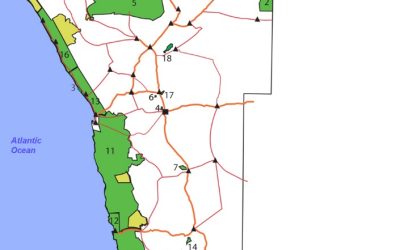
The Himba tribe is an indigenous people primarily found in the northwestern regions of Namibia, particularly in the Kunene Region. Their geographical location is characterized by the arid and semi-arid environments of the Namib Desert and surrounding semi-desert areas, which influence their traditional lifestyle and customs. The landscape includes vast sand dunes, sparse vegetation, and rocky outcrops, reflecting the harsh climate conditions the Himba have adapted to over centuries.
The distribution of the Himba tribe within Namibia is mainly concentrated in the remote Himba villages near the border with Angola. They often inhabit the Kaokoland area, which is known for its rugged terrain and limited accessibility. Their dispersion is relatively sparse, with clusters of communities maintaining their traditional ways of life, relying on pastoralism, cattle herding, and small-scale agriculture. Their geographical environment plays a significant role in shaping their cultural practices, dress, and social organization, allowing the Himba to sustain their unique identity amidst the challenging natural surroundings.
Landscape and Climate
The Himba tribe is primarily located in the northwestern region of Namibia, particularly in the Kunene Province. This area is characterized by vast, rugged landscapes that include semi-arid desert plains and rocky terrain. The environment is dominated by the Namib Desert, one of the oldest deserts in the world, which contributes to the arid climate of the region. The landscape features stunning red sand dunes, sparse vegetation, and isolated mountain ranges, creating a striking backdrop for the Himba’s traditional way of life. The climate in this area is generally hot and dry, with temperatures often soaring during the day and cooler nights. Rainfall is infrequent and unpredictable, shaping the Himba’s pastoral activities, as they depend on limited water sources for their cattle and goats. Overall, the geographical location and environment of the Himba tribe are integral to their cultural practices, lifestyle, and survival strategies in this harsh, yet beautiful landscape.
Historical Background
The Himba tribe of Namibia is a fascinating indigenous group with a rich historical background that dates back centuries. Renowned for their unique customs, traditional attire, and spiritual practices, the Himba have preserved their cultural identity amidst changing environments and external influences. Understanding their historical roots offers valuable insight into their resilience, social structures, and ongoing traditions that continue to define their community today.
Origins and Ancestry
The Himba tribe of Namibia is an indigenous ethnic group with a rich historical background that dates back centuries. Their origins are believed to stem from the Ova-Himba people who migrated to the Kunene region in northwestern Namibia. The tribe is part of the larger Himba and Herero peoples, sharing cultural and linguistic roots. Historically, the Himba were semi-nomadic pastoralists, primarily engaged in raising cattle and goats, which played a significant role in their social and economic life. Their ancestors are thought to have descended from Khoisan-speaking peoples and later integrated influences from Bantu-speaking groups over generations. This diverse ancestry has contributed to their distinctive customs, language, and traditions that are still evident today. The Himba’s resilience and preservation of their heritage allow them to maintain a deep connection to their historical roots while adapting to contemporary influences.
Evolution of the Tribe
The Himba tribe, one of Namibia’s most iconic indigenous groups, has a rich historical background that dates back several centuries. Originating from the Himba people who are part of the larger Herero group, their history is deeply intertwined with the migratory patterns and social changes in southwestern Africa. Traditionally nomadic pastoralists, the Himba have maintained their distinct cultural practices despite external influences and modern pressures.
The evolution of the Himba tribe has been shaped by various historical events, including colonialism, which impacted their social structure and livelihoods. Over time, they adapted to changing environments while preserving key elements of their cultural identity. Their interactions with neighboring tribes and European settlers have led to a unique blend of traditions, which are evident in their clothing, rituals, and social organization. Today, the Himba continue to thrive as a community that balances tradition and adaptation, maintaining their ancestral heritage while navigating modern challenges.
Cultural Practices and Traditions
The Himba tribe of Namibia is renowned for its rich cultural practices and vibrant traditions that have been preserved for generations. Their unique way of life reflects a deep connection to their environment, spirituality, and community values. Through distinctive clothing, elaborate hairstyles, and traditional ceremonies, the Himba people showcase their cultural identity and pride. Exploring these practices offers insight into their history, beliefs, and the resilience of their cultural heritage in a modern world.
Clothing and Adornment
The Himba tribe of Namibia is renowned for its rich cultural practices and unique traditions that have been preserved over centuries. Central to their identity are distinctive clothing and adornment styles that symbolize social status, age, and beauty ideals within the community.
Himba women traditionally wear skirts made from Otjize, a mixture of butterfat and ochre pigment, which gives their skin a characteristic reddish hue. They also adorn themselves with elaborate jewelry, including necklaces, ankle bracelets, and headpieces, often made from shells, beads, and metal. These decorations serve both aesthetic and cultural purposes, reflecting personal achievements and social rank.
The tribe’s cultural practices extend to rituals, ceremonies, and daily life, which are deeply intertwined with their spiritual beliefs and connection to the land. For instance, the Himba people maintain sacred rituals to honor their ancestors and seek blessings for their herds and crops.
Traditional clothing and adornment play a vital role in the Himba’s cultural identity, helping to preserve their heritage amid modern influences. Their distinctive appearance and customs attract interest worldwide, serving as a vivid expression of Namibia’s diverse cultural landscape.
Jewelry and Body Painting
The Himba tribe of Namibia is renowned for its rich cultural practices and vibrant traditions that have been preserved for generations. Central to their cultural identity are distinctive jewelry and body painting, which hold significant social and symbolic meaning. Himba women adorn themselves with elaborate jewelry made from metals, beads, and shells, often indicating their social status, age, and tribal affiliations. These adornments are carefully curated to reflect beauty and cultural pride, with some jewelry pieces passed down through families. Body painting is another prominent tradition among the Himba people; women apply a mixture of red ochre, butter, and herbs to their skin and hair, creating striking red hues that symbolize earthiness, fertility, and protection. This body painting not only enhances their appearance but also serves as a ritualistic practice during ceremonies and important life events. Overall, these cultural practices and adornments embody the Himba’s deep connection to their heritage, spiritual beliefs, and community identity, making them a captivating part of Namibia’s cultural landscape.
Music, Dance, and Rituals
The Himba tribe of Namibia is renowned for its rich cultural practices and vibrant traditions that have been preserved for generations. Their customs often revolve around community, spirituality, and a deep connection to their environment. Music and dance play vital roles in their social and ceremonial life, serving as expressions of identity, celebration, and religious rituals. Himba music typically involves the use of traditional instruments such as drums, rattles, and stringed instruments, creating rhythmic sounds that energize communal gatherings. Dance is a significant aspect of their cultural expression, with movements that reflect storytelling, social bonding, and spiritual beliefs. Rituals among the Himba often include ceremonial rites related to life milestones such as initiations, marriages, and funerals. They also perform unique practices like applying otjize—a mixture of butterfat and ochre—to their skin and hair, which holds spiritual and cultural significance. Overall, the Himba’s cultural practices, music, dance, and rituals beautifully illustrate their resilience and the importance they place on maintaining their heritage amidst a changing world.
Social Structure and Community Life
The Himba tribe of Namibia exemplifies a unique social structure that shapes their community life and cultural identity. Their social organization is deeply rooted in traditional customs, kinship ties, and shared responsibilities that sustain their way of life. Understanding the social dynamics within the Himba community provides insight into their resilience, social cohesion, and the preservation of their customs in a changing world.
Family and Lineage
The Himba tribe of Namibia exemplifies a unique social structure and community life that are deeply rooted in their cultural traditions. Central to their society is the organization around family and lineage, which determine social roles, responsibilities, and identity. Lineage, often traced through the male line, establishes authority and inheritance, reinforcing hierarchical relationships within the community.
Family units typically consist of nuclear families living together, with strong emphasis placed on kinship ties that extend into a broader community network. The Himba people prioritize familial bonds, which serve as the foundation for social cohesion and mutual support. Elders are respected figures, guiding community decisions and maintaining cultural practices.
Community life among the Himba revolves around shared responsibilities such as cattle herding, ceremonies, and ritual practices that sustain their traditions. Social gatherings and rituals reinforce the group’s unity, ensuring the transmission of knowledge and customs across generations. Despite external influences, the Himba maintain a cohesive social structure that preserves their identity and cultural heritage.
Leadership and Roles
The Himba tribe of Namibia exemplifies a distinct social structure and vibrant community life characterized by clear leadership roles and social organization. Their society is structured around kinship, age groups, and gender, which define individual roles and responsibilities within the community. Leadership is typically held by elders and respected community members who guide social, cultural, and spiritual practices. The tribe maintains strong social bonds through communal activities, rituals, and shared customs that reinforce social cohesion and cultural identity.
- The traditional leadership hierarchy includes senior elders who make important decisions and lead communal gatherings.
- Women play vital roles in daily activities, nurturing family traditions, and participating in cultural rituals.
- Age groups organize community labor, celebrations, and rites of passage, fostering a sense of collective responsibility.
- Marriage, kinship, and clan affiliations are central to social organization, influencing individual roles and status.
- Community life is highly interconnected, with social events and rituals serving to strengthen bonds among members.
Lifestyle and Daily Activities
The Himba tribe of Namibia offers a fascinating glimpse into a unique way of life that revolves around daily activities deeply rooted in their culture and traditions. Their lifestyle encompasses traditional craftsmanship, community-oriented routines, and a strong connection to their natural environment. Exploring their daily habits provides insight into how they maintain their cultural identity while adapting to modern influences.
Hunting, Gathering, and Farming
The Himba tribe of Namibia leads a lifestyle deeply rooted in traditional practices of hunting, gathering, and farming. Their daily activities revolve around sustaining their community through a combination of these subsistence methods, shaped by their arid environment. Hunting is primarily a communal activity where men search for game in the surrounding plains, utilizing bows, arrows, and traps to secure food. Gathering involves collecting wild plants, fruits, and herbs that grow in their semi-desert habitat, which are used for both nourishment and medicinal purposes. Farming plays a vital role despite the challenging climate; the Himba cultivate crops such as millet and maize, often relying on irrigation techniques to support their crops. Their daily routines are closely tied to the natural rhythms of their environment, emphasizing a harmonious relationship with the land and its resources. This lifestyle reflects their resilience and adaptability in maintaining their cultural identity amidst modern influences.
Construction of Huts and Living Spaces
The Himba tribe of Namibia is renowned for their distinctive lifestyle and unique approach to constructing living spaces. Their daily activities revolve around pastoralism, with herding cattle and goats being central to their livelihood. The Himba people also engage in traditional crafts, such as pottery and jewelry making, which are integral parts of their cultural identity. Their daily routines are closely tied to the natural environment, emphasizing a harmonious relationship with nature.
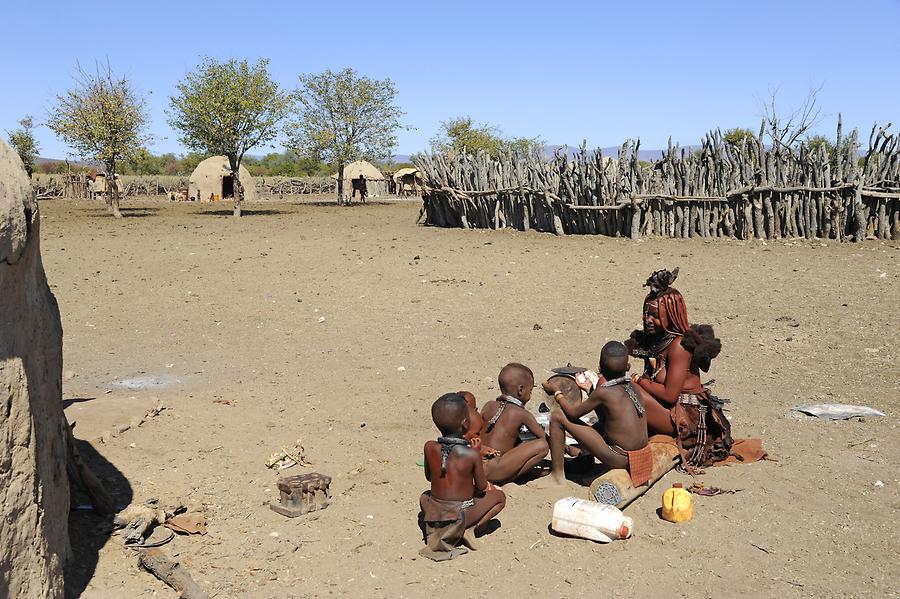
The construction of huts and living spaces in Himba culture reflects practical adaptation to their arid desert surroundings. They commonly build round, single-room dwellings called “Ovahere” using a mixture of traditional materials like mud, cow dung, thatch, and wood. These huts are designed to be cool in hot weather and provide protection from the elements. The structures are often simple but sturdy, allowing for easy maintenance and modification as needed. The layout of their settlements typically revolves around communal living, with dwellings arranged for safety and social interaction, underscoring the importance of community in Himba life.
Language and Oral Traditions
The Himba tribe of Namibia is renowned for its rich oral traditions that serve as a vital means of preserving their history, culture, and identity. Through storytelling, poetry, and other spoken forms, the Himba people pass down knowledge and customs from generation to generation. These oral traditions play a crucial role in maintaining their cultural heritage and strengthening communal bonds within the tribe.
Himba Language Characteristics
The Himba tribe of Namibia possesses a rich oral tradition that plays a vital role in preserving their cultural identity and history. Their language, Himba, is a dialect of the Otjihimba language, which is a branch of the larger Bantu language family. Himba language characteristics include a system of noun classes that influence verb conjugations and modifications, reflecting gender and noun categories. It features a tonal system where pitch is used to distinguish meanings between words, adding complexity to spoken communication. The language is primarily oral, with stories, myths, and genealogies passed down from generation to generation, ensuring the continuity of Himba cultural heritage. Despite modern influences, the Himba language remains a crucial element of their identity and social cohesion within the tribe.
Storytelling and Proverbs
The Himba tribe of Namibia is renowned for its rich oral traditions, which play a vital role in preserving their cultural identity. Through storytelling, elders pass down histories, myths, and lessons that reinforce community values and worldview. These stories often feature ancestral heroes, spiritual beliefs, and explanations of natural phenomena, ensuring that knowledge is kept alive across generations.
Storytelling among the Himba is often performed during communal gatherings, where both elders and younger members participate. This oral practice fosters a sense of unity and continuity, allowing the tribe to maintain a strong connection to their heritage despite modern influences. The narratives are often embellished with gestures, songs, and dance, creating a multisensory experience that enhances memorability and engagement.
Proverbs hold a prominent place in Himba language and communication, encapsulating wisdom, morals, and social principles in concise, impactful phrases. These sayings serve as guidance in everyday life, offering insights into patience, respect, and community responsibility. Through proverbs, the Himba uphold traditional values and teach younger generations the importance of living harmoniously within their environment and society.
Challenges and Contemporary Issues
The Himba tribe of Namibia faces a range of challenges and contemporary issues that threaten their cultural heritage and way of life. As modern influences, environmental changes, and socio-economic pressures increase, the Himba are navigating complex decisions to preserve their traditions while adapting to a rapidly changing world. Understanding these issues provides insight into the resilience and struggles of this unique community in the 21st century.
Modernization and Cultural Preservation
The Himba tribe of Namibia faces a complex interplay between modernization and cultural preservation, highlighting significant challenges in maintaining their traditional way of life amidst external influences. As modernization advances, the Himba encounter pressures from globalization, tourism, and technological changes that threaten their customs, language, and social structures. The younger generation often adopts modern lifestyles, which can lead to the erosion of traditional knowledge, rituals, and cultural identity. Balancing the desire to participate in broader economic opportunities while safeguarding their heritage is a constant struggle for the Himba community.
Contemporary issues also include the impact of environmental changes and land rights conflicts that affect their pastoral lifestyle. Efforts to preserve the Himba language and cultural practices are sometimes hindered by external influences and lack of adequate support. Despite these challenges, many Himba elders and cultural leaders actively seek ways to maintain their traditions through local initiatives and responsible tourism. The ongoing tension between modernization and cultural preservation underscores the importance of respectful engagement and inclusive strategies that allow the Himba to adapt while safeguarding their unique cultural identity for future generations.
Environmental and Economic Challenges
The Himba tribe of Namibia faces a range of environmental and economic challenges that threaten their traditional way of life. Climate change has led to increased droughts and unpredictable weather patterns, impacting their ability to sustain livelihoods dependent on livestock and agriculture. Water scarcity has become a pressing concern, making it difficult for the Himba to access clean water for daily use and livestock maintenance. Economically, the tribespeople often rely on traditional means of income, which are increasingly strained by modern influences and limited access to broader markets. Tourism has provided some economic opportunities, but it also raises concerns about cultural commodification and environmental degradation. Balancing the preservation of their cultural identity with economic development poses ongoing challenges for the Himba community, as they strive to adapt to a rapidly changing world while maintaining their customs and ecological sustainability.
Tourism and Cultural Exchange
Tourism and cultural exchange offer a unique opportunity to explore and appreciate the rich traditions of diverse communities around the world. One such captivating culture is that of the Himba tribe in Namibia, whose vibrant customs and way of life attract travelers eager to experience authentic cultural heritage. Visiting the Himba provides a chance to learn about their history, rituals, and daily practices, fostering a deeper understanding and appreciation of Namibia’s cultural diversity.
Visitations and Cultural Tours
The Namibian Himba tribe offers a unique and immersive experience in tourism and cultural exchange, attracting visitors eager to learn about their rich traditions and way of life. Cultural tours provide an opportunity to explore their ancient customs, traditional dress, and sustainable living practices that have been passed down through generations. These visits foster deeper understanding and appreciation of the Himba people’s heritage, promoting responsible tourism that benefits the community.
- Guided cultural tours to Himba villages enable visitors to observe traditional activities such as processing red ochre, craft making, and social ceremonies.
- Visitors can participate in storytelling sessions with Himba elders, gaining insights into their mythology, history, and spiritual beliefs.
- Community-led visitations often include demonstrations of Himba hairstyling and adornment, highlighting their unique aesthetic and cultural identity.
- Tourism initiatives aim to support local livelihoods by providing income opportunities through craft sales and cultural performances.
- Responsible visitation emphasizes respecting local customs, minimizing environmental impact, and supporting sustainable practices within the Himba community.
Impact of Tourism on the Tribe
Tourism and cultural exchange have a significant impact on the Himba tribe of Namibia, offering both opportunities and challenges. Increased tourism helps generate income for the Himba people through cultural performances, crafts, and guided tours, which can alleviate poverty and support local communities. However, this influx of visitors also raises concerns about the preservation of their traditional way of life, as outsiders may unintentionally disrupt social norms or influence changes in their customs. The exposure to external cultures can lead to a loss of cultural identity if not managed carefully. Nonetheless, responsible tourism can foster greater understanding and appreciation of the Himba’s unique heritage, encouraging efforts to preserve their traditions. It is essential to balance economic benefits with the preservation of their cultural integrity to ensure that tourism remains a positive force for the Himba tribe of Namibia.



0 Comments