

Overview of Namibia’s Wildlife Diversity
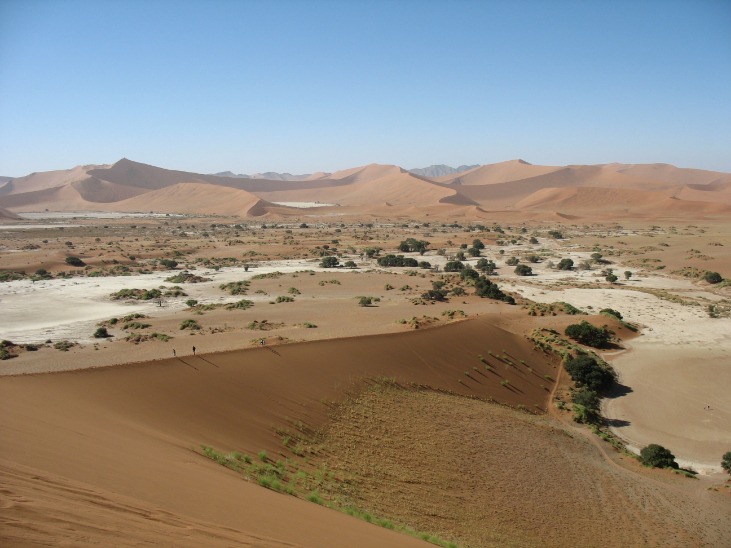
Namibia is renowned for its incredible wildlife diversity, which includes a wide variety of mammals, birds, reptiles, and insects. The country’s diverse habitats, ranging from the arid Namib Desert to savannahs and wetlands, provide ideal environments for many species to thrive. The Namib Desert is home to specialized desert-adapted animals such as oryx, springboks, and desert-adapted elephants, which have evolved unique traits to survive the harsh conditions. In Etosha National Park, visitors can observe large populations of lions, cheetahs, rhinos, and giraffes that inhabit the savannahs and waterholes. Birdlife is abundant, with species like the flamingo, oryx, and hornbills adding to the region’s rich avian diversity. Reptiles such as geckos, snakes, and lizards are prevalent across various ecosystems, showcasing Namibia’s ability to support a complex web of life despite its arid environment. Overall, Namibia’s wildlife diversity underscores its importance as a conservation hotspot and a destination for eco-tourism and wildlife enthusiasts.
Iconic Animals of Namibia
Namibia is renowned for its diverse and iconic wildlife that roams its vast landscapes and protected areas. From majestic elephants to graceful oryx, the country’s fauna captivates visitors and conservationists alike. These animals play a crucial role in maintaining the ecological balance and symbolize Namibia’s rich natural heritage. Exploring the iconic animals of Namibia offers a glimpse into the unique biodiversity that makes this country a premier destination for wildlife enthusiasts.
Elephants
Namibia is renowned for its diverse and captivating wildlife, with elephants standing out as one of its most iconic animals. These majestic creatures play a vital role in the ecosystems of Namibia’s savannas and national parks, attracting visitors from around the world eager to witness their grandeur.
- Namibian elephants are known for their impressive tusks and social groups, often forming herds led by a matriarch. They are adapted to the arid environment, traveling long distances to find water and food.
- In Etosha National Park, elephants are among the most frequently sighted animals, providing a mesmerizing experience for travelers and wildlife enthusiasts.
- Conservation efforts in Namibia aim to protect these magnificent animals from threats such as poaching and human-wildlife conflict, ensuring their populations thrive for future generations.
- Elephants in Namibia also contribute to the ecosystem by helping maintain grassland and woodland balance, which benefits many other species.
- Their presence in Namibia’s wilderness highlights the country’s commitment to wildlife preservation and sustainable tourism.
Black Rhinoceros
The Black Rhinoceros is one of the most iconic animals of Namibia, known for its impressive presence and critical conservation status. Native to the regions of Namibia, this majestic creature plays a vital role in maintaining the ecological balance of its habitat. Due to poaching and habitat loss, the Black Rhinoceros has become an endangered species, prompting extensive conservation efforts in Namibia. Visitors to the country often have the opportunity to see these magnificent animals in protected parks such as Etosha National Park and the Namibian desert reserves. The Black Rhinoceros symbolizes Namibia’s commitment to wildlife preservation and highlights the importance of protecting vulnerable species for future generations.
Oryx and Gemsbok (Oryx Gazella)
Namibia is renowned for its diverse and unique wildlife, especially its iconic desert animals such as the Oryx and the Gemsbok. The Oryx, also known as the Arabian oryx, is a striking antelope with long, straight horns and a white coat that helps it reflect the intense desert heat. It is highly adapted to survive in arid environments, capable of conserving water for long periods and grazing on scarce vegetation. The Gemsbok, or Oryx Gazella, is another emblematic species of Namibia’s deserts. Recognizable by its bold black and white facial markings and long, curved horns, the Gemsbok is a formidable presence in the desert landscape. It has powerful adaptations like a specialized kidney that minimizes water loss and the ability to tolerate high body temperatures, enabling it to thrive in some of the most challenging conditions. Both animals symbolize Namibia’s remarkable ability to sustain life amid harsh desert environments and are vital components of the country’s rich biodiversity.
Royal and Striped Hyena
Namibia is home to a diverse array of iconic animals, including the fascinating Royal and Striped Hyenas. These remarkable creatures are integral to the country’s rich wildlife heritage and play vital roles in maintaining ecological balance. The Royal Hyena, known for its distinctive appearance and social structure, is a rare sighting for wildlife enthusiasts. Meanwhile, the Striped Hyena, with its unique striped coat and scavenging habits, contributes significantly to the health of the ecosystem by helping to clean up carrion. Both species highlight Namibia’s commitment to conserving its unique animal populations and offer incredible opportunities for wildlife observation and appreciation.
South African Lion
Namibia is renowned for its diverse and iconic wildlife, with the South African Lion standing out as one of its most majestic animals. These lions are a symbol of strength and agility, often seen in the vast savannahs and protected areas like Etosha National Park. Adapted to the semi-arid environment, South African Lions in Namibia exhibit remarkable hunting skills and social behaviors within their prides. Their presence not only highlights the rich biodiversity of Namibia but also emphasizes the importance of conservation efforts to protect these magnificent creatures for future generations.
Unique and Endemic Species
Namibia is home to a remarkable array of unique and endemic animal species that showcase the country’s rich biodiversity. These species have evolved and adapted to Namibia’s diverse habitats, including deserts, savannas, and coastal regions. Their exclusivity to this region highlights the importance of conservation efforts to protect these rare and fascinating creatures.
Thorn Forest Frogs
Namibia is home to a variety of unique and endemic species, many of which are specially adapted to its diverse habitats. Among these, Thorn Forest Frogs are notable for their limited distribution and specialized ecological niches. These frogs are primarily found in the specific Thorn Forest regions of Namibia, where they thrive amidst the unique vegetation and climate conditions. Their restricted habitat makes them an important species for conservation efforts, as they exemplify the rich biodiversity unique to the region. Protecting these endemic species helps maintain the ecological balance and preserves Namibia’s natural heritage for future generations.
Desert-adapted Elephants
Namibia is home to a remarkable array of animals, many of which are unique and endemic to the region. Among these, desert-adapted elephants stand out due to their extraordinary ability to survive in one of the harshest environments on Earth. These elephants have developed specialized adaptations that enable them to traverse the arid desert landscape, finding water sources that are often scarce and navigating extreme temperatures. Their existence highlights the resilience of wildlife in Namibia and underscores the importance of conserving these extraordinary creatures and their habitats. Protected areas like the Damaraland Conservation Program focus on safeguarding these uniquely adapted elephants, ensuring their populations remain stable amid ongoing environmental challenges.
Damara Mole Rat

The Damara Mole Rat is a unique and endemic species found exclusively in Namibia. This subterranean rodent has adapted to invasive desert conditions, displaying remarkable traits that distinguish it from other mole rats. Its specialized physiology allows it to thrive in the arid environment of the Namib Desert, making it a vital part of the region’s biodiversity. The species’ limited geographic distribution highlights its importance for conservation efforts, as it contributes to the overall ecological balance of Namibia’s unique habitat.
Predatory Birds and Raptors
Predatory birds and raptors are some of the most remarkable and agile creatures found in Namibia’s diverse wildlife. These birds are known for their keen eyesight, powerful talons, and hunting prowess, making them essential to the ecological balance of the region. In Namibia, they play a vital role in controlling populations of small animals and insects, contributing to the health of the environment. Exploring these majestic aviators offers a fascinating glimpse into the country’s rich animal heritage.
Bateleur Eagle
Predatory birds and raptors are an essential part of Namibia’s diverse wildlife, showcasing remarkable adaptations for hunting and survival in the wild. Among these birds, the bateleur eagle stands out as a striking and powerful predator endemic to the region. Known for its vivid red face, black body, and distinctive yellow cere, the bateleur is a short-tailed eagle that soars high above Namibia’s savannas and open plains in search of prey. These birds primarily feed on small mammals, insects, and carrion, playing a vital role in maintaining the ecological balance. Their impressive flying skills, sharp eyesight, and aggressive hunting behavior make the bateleur eagle a fascinating symbol of Namibia’s rich avian heritage and the intricate food webs that sustain its unique ecosystems.
Kori Bustard
Namibia is home to a diverse range of wildlife, including several fascinating predatory birds and raptors. These birds play crucial roles in maintaining the balance of ecosystems by controlling populations of smaller animals and insects. Among these avian predators, the African Fish Eagle and the Brown Snake Eagle are prominent, known for their impressive hunting skills and striking appearances. Raptors, a term that refers to birds of prey such as hawks, falcons, and eagles, are abundant in Namibia’s savannahs and deserts.
The Kori Bustard is one of the most notable terrestrial birds in Namibia. It is the heaviest flying bird and is often seen wandering across open plains. Kori Bustards are ground-dwelling birds that feed on insects, small vertebrates, and seeds. They are known for their impressive size, elaborate courtship displays, andAdaptability to the arid environment of Namibia. These birds are an integral part of the ecosystem, helping control pest populations and contributing to the region’s rich biodiversity.
Secretary Bird
Namibia is home to a diverse array of wildlife, including several fascinating predatory birds and raptors. These birds play a vital role in maintaining the ecological balance of the region, often preying on smaller animals and helping control populations of pests and pests. Among the most notable predatory birds in Namibia is the Secretary Bird, known for its distinctive appearance and unique hunting techniques.
- The Secretary Bird (Sagittarius serpentarius) is a tall, striking bird with long legs, a crest of black feathers on its head, and sharp talons. It primarily hunts on the ground, preying on insects, small mammals, and snakes—including venomous species.
- It is often seen walking through savannas and grasslands, using its keen eyesight to spot prey from a distance. The Secretary Bird kills its prey by stamping on it with powerful legs or using its sharp beak.
- Other notable raptors in Namibia include the Tawny Eagle, steppe buzzard, African harrier-hawk, and the Lappet-faced Vulture. These birds are highly adaptable and can be found in various habitats across the country.
These predatory birds are essential to Namibia’s ecosystem, contributing to healthy biodiversity and aiding in the natural control of rodent and insect populations. Protecting these magnificent species ensures the continued vitality of Namibia’s unique environment.
Marine and Coastal Wildlife
Namibia boasts a rich and diverse array of marine and coastal wildlife, thriving in its pristine waters and along its expansive shoreline. From vibrant coral reefs to powerful marine mammals, the region’s aquatic ecosystems are essential habitats for numerous species. These creatures not only contribute to the country’s natural beauty but also play a vital role in maintaining ecological balance and supporting local communities through fishing and tourism.
Seals and Sea Lions
Namibia is home to a diverse array of marine and coastal wildlife, including various species of seals and sea lions that inhabit its shores and offshore waters. These animals play a vital role in the coastal ecosystem and attract conservation efforts aimed at protecting their populations.
- Namibia’s coastline along the Atlantic Ocean provides a habitat for the Cape fur seals, which are one of the most common seal species in the region. These seals breed at beaches such as Cape Cross, which boasts one of the world’s largest colonies of Cape fur seals.
- Sea lions, notably the South African sea lions, can also be found along Namibia’s coast, particularly around the Namibian islands and rocky shores. They are recognized by their larger size and external ear flaps compared to seals.
- These marine mammals are essential to the marine food chain, feeding on fish, squid, and other small marine creatures, and are themselves prey for sharks and killer whales.
- Conservation efforts in Namibia focus on monitoring population health, limiting human disturbance, and establishing protected areas to ensure the survival of these species amid challenges such as overfishing and climate change.
Humpback Whales
Humpback whales are one of the remarkable marine species found along the coast of Namibia, contributing significantly to the region’s rich marine biodiversity. These majestic mammals are known for their impressive breaches, haunting songs, and immense size, making them a favorite among wildlife enthusiasts. During their migration, humpback whales travel from Antarctic feeding grounds to warmer tropical waters for breeding and calving, passing through the waters of Namibia, especially near the Skeleton Coast and Walvis Bay. The coastal environment provides essential habitat and food sources, supporting not only humpbacks but a diverse array of marine and coastal wildlife. Protecting these whales is vital for maintaining the health and balance of Namibia’s marine ecosystems, ensuring that future generations can continue to witness these awe-inspiring creatures.
Shark Species
Namibia is renowned for its diverse marine and coastal wildlife, including a variety of shark species that inhabit its Atlantic Ocean waters. These sharks play a vital role in maintaining the health of marine ecosystems along Namibia’s coastline, particularly around the Namib Desert’s coastal regions and marine protected areas.
- Great White Shark: One of the most iconic species found off Namibia’s coast, especially around Damaraland. These sharks are known for their size and are a major attraction for shark cage diving tourism.
- Zambezi Shark (Bull Shark): Often found in coastal waters and estuaries, capable of swimming in both salt and freshwater, and occasionally venture into rivers in Namibia.
- Blue Shark: Recognized for their sleek appearance, they are commonly seen offshore and are attracted to the rich fishing grounds of Namibia.
- Hammerhead Shark: Various species of hammerheads inhabit the Namibian waters, particularly around kelp forests and rocky areas, contributing to the ocean’s biodiversity.
- Leafscale Sharpnose Sharks: Smaller species that inhabit shallow coastal waters and are important for the local ecosystem balance.
Namibia’s coastline not only hosts a rich diversity of shark species but also supports numerous other marine animals such as seals, dolphins, and seabirds, making it a unique and vital region for marine conservation efforts.
Conservation Challenges and Efforts
Namibia is home to a diverse array of unique and endangered animal species, making conservation efforts crucial to protect its rich biodiversity. The country faces numerous challenges, including habitat loss, poaching, and climate change, which threaten its wildlife populations. In response, various conservation initiatives and community-based programs have been implemented to ensure the preservation of Namibia’s remarkable animals for future generations.
Poaching and Illegal Wildlife Trade
Namibia is home to a diverse range of wildlife, including elephants, rhinos, and cheetahs, which face significant conservation challenges due to poaching and illegal wildlife trade. These activities threaten the survival of many species, particularly the iconic black rhino and desert-adapted elephants, whose horns and tusks are highly valued on the black market. The demand for wildlife products in international markets fuels criminal networks that operate across borders, making law enforcement and anti-poaching efforts more complex.
In response, Namibia has implemented numerous conservation measures, such as establishing private game reserves, community conservancies, and protected areas that promote sustainable tourism and local involvement in wildlife management. The government, along with international partnerships, has increased anti-poaching patrols, deployed modern technology like surveillance drones, and strengthened legislation to combat illegal activities. Community-based programs empower local residents to participate actively in conservation, providing economic incentives to protect wildlife rather than exploit it. Despite these efforts, ongoing threats require continued vigilance, enhanced cooperation, and innovative strategies to ensure Namibia’s unique wildlife endures for future generations.
Protected Areas and National Parks
Namibia is renowned for its rich biodiversity and diverse ecosystems, home to a wide variety of unique and endangered animals. However, conserving these species presents numerous challenges due to habitat loss, poaching, and climate change. Efforts to protect Namibia’s wildlife include establishing protected areas and national parks that serve as refuge for many species. These areas, such as Etosha National Park and Namib-Naukluft National Park, play a crucial role in preserving critical habitats and promoting ecotourism. Conservation organizations collaborate with local communities to ensure sustainable practices and raise awareness about the importance of safeguarding Namibia’s natural heritage. Despite these efforts, continued vigilance and increased resources are necessary to address emerging threats and ensure the survival of Namibia’s iconic animals for future generations.
Community-Based Conservation Initiatives
Namibia is renowned for its rich biodiversity and diverse wildlife, including elephants, rhinos, and cheetahs. However, the country faces significant conservation challenges such as habitat loss, poaching, and human-wildlife conflict, which threaten many native species. In response, various conservation efforts have been implemented to protect these animals and promote sustainable coexistence.
Community-based conservation initiatives play a vital role in Namibia’s conservation strategy. These programs empower local communities to actively participate in wildlife preservation, offering economic benefits through eco-tourism and sustainable resource management. By involving local people, Namibia enhances the effectiveness of conservation measures and fosters a sense of stewardship over natural resources.
- Community Conservancies: Local communities manage wildlife resources, benefiting from tourism and hunting rights, which incentivizes habitat protection.
- Anti-poaching Campaigns: Collaboration with police and conservation organizations to curb illegal hunting of endangered species like rhinos and elephants.
- Environmental Education: Initiatives aimed at raising awareness about the importance of wildlife conservation among local residents and visitors.
- Sustainable Livelihood Programs: Providing alternative income sources such as eco-lodges, guiding services, and craft markets to reduce reliance on natural resources.
- Partnerships with NGOs and Government Agencies: Coordinated efforts to develop policies and strategies to address conservation challenges effectively.

0 Comments