
Geographical Overview of Lüderitzbucht
Lüderitzbucht, located along the southwestern coast of Namibia, is a picturesque coastal town renowned for its unique geographical features and historical significance. Surrounded by rugged desert landscapes and scenic shoreline, it offers a striking contrast between arid plains and the Atlantic Ocean. The area’s geographic setting has played a vital role in shaping its maritime economy and cultural heritage, making it a distinctive destination in Namibia.
Location and Coordinates
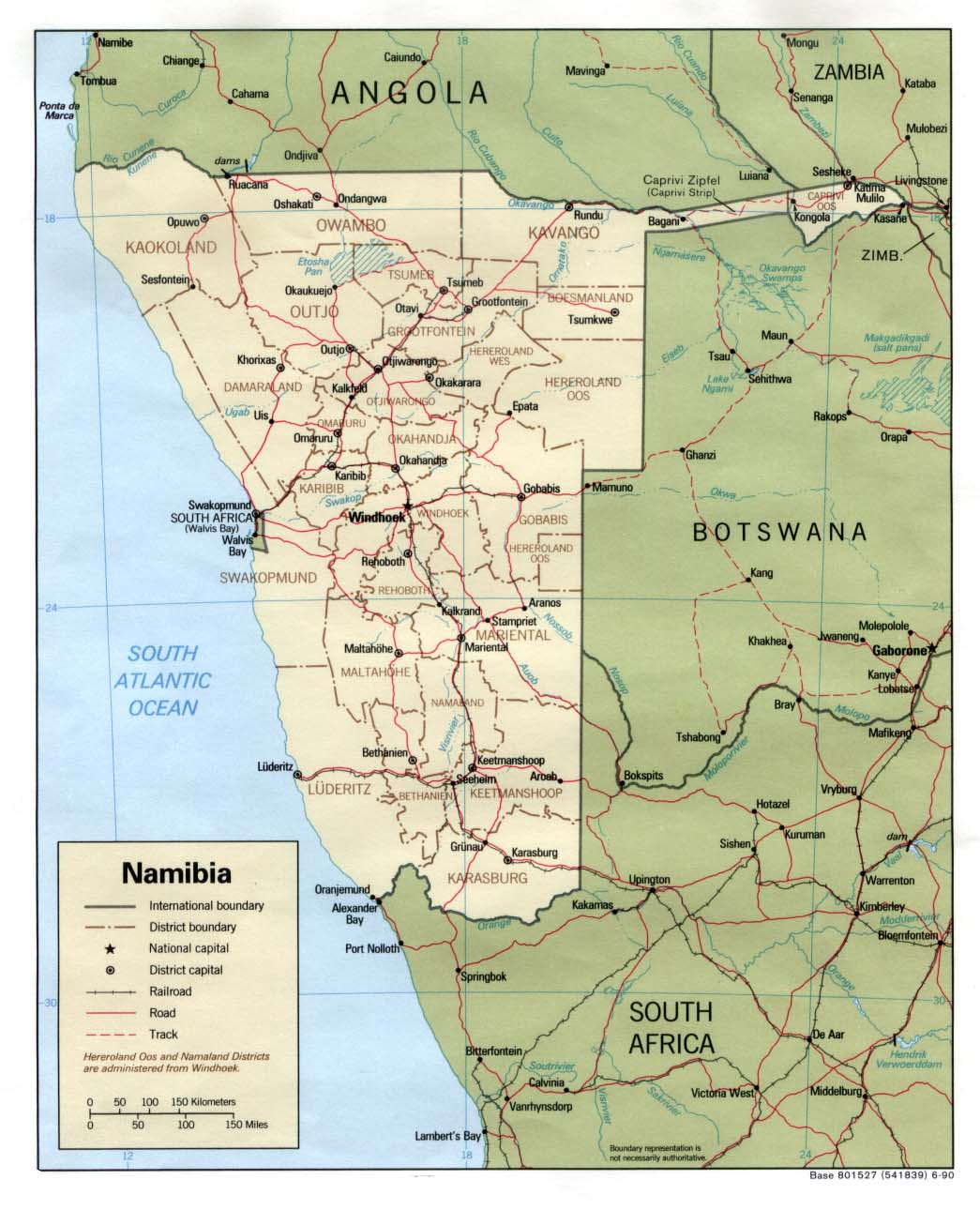
Lüderitzbucht, also known as Lüderitz Bay, is a coastal town located in the southwestern part of Namibia along the Atlantic Ocean. It is situated in the Namib Desert region, renowned for its rugged landscapes and historical significance as a German colonial port during the early 20th century.
The town is precisely positioned at approximately 26.65° South latitude and 15.16° East longitude, making it one of the southernmost ports in Namibia. Its strategic location along the coast provides access to natural harbor facilities and scenic views of the Atlantic, contributing to its importance for maritime activities and tourism.
Physical Geography and Landscape
Lüderitzbucht, located in southwestern Namibia, is a coastal town characterized by its striking geographical features and diverse landscapes. The area is situated along the Atlantic Ocean, offering a scenic shoreline marked by cliffs, beaches, and rocky outcrops. The landscape is shaped by the arid desert environment of the Namib Desert, which extends inland, creating a stark contrast between the desert and the ocean. The region features a series of rugged hills and granite formations that rise abruptly from the flat coastal plains, forming a picturesque backdrop to the bay.
The physical geography of Lüderitzbucht is influenced by its semi-arid climate, with low rainfall and high temperatures prevalent throughout the year. The coastline is notably rugged, featuring numerous coves and small bays that provide natural harbors. The waters of the Atlantic are often cold due to the Benguela Current, which contributes to the area’s rich marine biodiversity. The landscape also includes salt pans and ephemeral desert lakes that occasionally fill with water during rare rains, adding to the region’s unique geographical diversity.
Climate and Weather Patterns
Lüderitzbucht, located in southern Namibia, is a coastal town renowned for its picturesque harbor and historical significance. Nestled along the Atlantic Ocean, it features a rugged landscape characterized by desert plains and distinctive granite peaks, creating a dramatic backdrop for visitors and residents alike.
The climate in Lüderitzbucht is classified as desert or semi-arid, with generally low annual rainfall and high temperatures throughout the year. Summers tend to be hot and dry, with daytime temperatures frequently exceeding 30°C (86°F), while winters are cooler but still mild, with daytime temperatures averaging around 16°C to 20°C (61°F to 68°F). The region experiences strong, steady southeast trade winds, which influence both the weather patterns and the local climate.
Weather patterns in Lüderitzbucht are predominantly governed by the cold Benguela Current along the Atlantic coast, which contributes to relatively mild temperatures compared to other desert regions. The area often experiences foggy conditions, especially during the cooler months, from May to August, due to the interaction between the cold ocean currents and warm inland air. Precipitation is scarce, typically occurring as infrequent thunderstorms or light rain, which supports the sparse vegetation of the area and the surrounding desert landscape.
Historical Significance of Lüderitzbucht
Lüderitzbucht, located along the southwestern coast of Namibia, holds a remarkable historical significance as a once-thriving port and center of German colonial activity. Established in the late 19th century, it played a vital role in the region’s economic development, particularly through the diamond and mineral industries. The town’s unique architecture and remnants of colonial influence serve as enduring reminders of its complex past, making Lüderitzbucht an important site for understanding Namibia’s colonial history and its transition towards independence.
Early Settlements and Colonial Era
Lüderitzbucht, located in Namibia, holds significant historical importance due to its early settlements and role during the colonial era. Established in the late 19th century, it became a strategic port for German colonizers who sought to expand their influence in Africa. The area’s natural harbor and proximity to mineral-rich regions made it an ideal location for trade and resource exploitation. During the colonial period, Lüderitzbucht served as a key logistical hub for German South West Africa, facilitating transportation of goods and people between inland territories and the sea.
The settlement was initially established by German traders and settlers, transforming Lüderitzbucht into a prominent colonial outpost. The architecture and infrastructure from this era reflect German colonial influences, and remnants of this history are still visible today. The presence of artifacts and historical sites underscores the importance of Lüderitzbucht in Namibia’s colonial past.
Furthermore, Lüderitzbucht played a notable role during the scramble for Africa, symbolizing European ambitions and territorial claims. Its development during this period laid the foundations for Namibia’s socio-economic landscape and left a lasting legacy of colonial influence. Today, the town’s historical sites attract visitors interested in exploring Namibia’s complex colonial history and its impact on local culture and identity.
German Colonial Influence
Lüderitzbucht, located in Namibia, holds significant historical importance due to its role as a key center of German colonial expansion in Africa. Established in the late 19th century, the town was founded by Adolf Lüderitz, a German merchant, and quickly became a strategic port and trading hub within German South West Africa. The region was earmarked for economic development, particularly in the diamond and mineral industries, which attracted German settlers and investors.
The influence of German colonial rule is evident in Lüderitzbucht’s architecture, urban planning, and infrastructure, which reflect European styles and colonial priorities. This legacy has left a lasting impact on Namibia’s cultural landscape, with remnants of colonial buildings and infrastructure still visible today. The period of German rule also introduced new economic systems and social structures, shaping local communities and influencing regional development patterns.
During its colonial period, Lüderitzbucht was also a site of conflict and negotiation, particularly in regard to land rights and resource exploitation. The legacy of German influence persists in the town’s historical sites and in the collective memory of Namibia, serving as a reminder of the colonial past and its complex impact on the nation’s history. Today, Lüderitzbucht remains a symbol of Namibia’s colonial heritage and a testament to the historical interplay between indigenous cultures and European powers.
Transition to Namibian Control
Lüderitzbucht holds a significant place in Namibian history due to its strategic importance during the colonial era. Originally developed as a German colonial port in the late 19th and early 20th centuries, it served as a crucial hub for trade, particularly in diamonds and other mineral resources. The town’s architecture and infrastructure reflect its colonial past, illustrating the influence of German colonization on the region’s development.
The transition to Namibian control marked a pivotal moment in the country’s journey toward independence. After years of colonial rule and the eventual end of German administration following World War I, Lüderitzbucht became part of South African-administered Namibia under the League of Nations mandate. This period saw efforts to integrate the region into broader Namibian national identity, although racial and economic inequalities persisted.
The formal independence of Namibia in 1990 ultimately transferred Lüderitzbucht from South African to Namibian sovereignty, symbolizing the end of colonial and apartheid-era influences. Today, Lüderitzbucht is recognized for its historical significance, cultural diversity, and potential for economic development, especially in tourism and mining sectors, reflecting its enduring legacy as a historical port and gateway to Namibia’s rich heritage.
Economic Activities in Lüderitzbucht
Lüderitzbucht in Namibia is a notable hub of economic activity, historically driven by its strategic location along the Atlantic coast. The town’s economy revolves around multiple industries, including fishing, tourism, and salt production. Its deep-water port plays a crucial role in regional trade, supporting export activities and facilitating access to international markets. Additionally, the area has attracted interest for mineral mining and potential offshore oil exploration, further contributing to its economic significance.
Mining Industry and Resources
Lüderitzbucht, located in Namibia, is a historic port town with a significant role in the country’s economic activities, particularly in the mining industry. The region’s economic foundation has been built on the extraction of valuable mineral resources, which have contributed to development and employment opportunities. The mining sector in Lüderitzbucht is notably centered around the recovery of minerals such as diamonds, base metals, and other mineral ores, supported by the area’s rich geological formations. The town’s strategic coastal location also facilitates export activities for mined resources, enhancing Namibia’s economic growth. Ongoing investments in mining infrastructure and exploration initiatives continue to position Lüderitzbucht as a vital hub for mineral resource development within Namibia.
Fishing and Seafood Processing
Lüderitzbucht in Namibia is a vital hub for economic activities centered around fishing and seafood processing. The region’s proximity to rich marine resources makes it an ideal location for commercial fishing operations, particularly for species such as fish, squid, and crustaceans. The fishing industry in Lüderitzbucht not only provides employment for local communities but also contributes significantly to Namibia’s economy through exports.
Seafood processing facilities in Lüderitzbucht are equipped to handle large quantities of marine catch, ensuring quality preservation and efficient packaging for both local consumption and international markets. The industry supports a range of related activities including boat construction, maintenance, and the supply of fishing gear, which further boosts the local economy. Overall, fishing and seafood processing remain cornerstone sectors in Lüderitzbucht, fostering economic growth and community development in the region.
Tourism and Hospitality
Lüderitzbucht in Namibia is a vibrant hub of economic activities, heavily reliant on tourism and hospitality. The region’s unique coastal scenery, historic architecture, and rich cultural heritage attract numerous visitors each year. Tourism serves as a key driver of the local economy, supporting a range of businesses from hotels and guesthouses to restaurants and tour operators.
The hospitality industry in Lüderitzbucht caters to a diverse array of travelers, including adventure seekers, history enthusiasts, and nature lovers. Many establishments offer specialized tours to explore the area’s the ghost towns, marine life, and scenic landscapes. The growth of tourism has also led to increased employment opportunities for residents, fostering economic development in the region.
Additionally, Lüderitzbucht benefits from ancillary economic activities such as fishing and mineral mining, which complement the tourism sector. Investments in infrastructure and marketing continue to boost Lüderitzbucht’s profile as a must-visit destination, ensuring sustainable growth for its economic activities in the future.
Tourist Attractions and Landmarks
Luderitzbucht in Namibia is a captivating destination renowned for its unique blend of historic landmarks and stunning seaside scenery. Visitors are drawn to its vibrant town center, colonial architecture, and nearby natural wonders. This charming harbor town offers a fascinating glimpse into Namibia’s rich history and diverse culture, making it an ideal spot for exploring notable attractions and landmarks that showcase the area’s charm and heritage.
Kolmanskop Ghost Town
Kolmanskop Ghost Town, located near Luderitzbucht in Namibia, is a fascinating historical site that attracts many visitors. Once a thriving diamond mining town in the early 20th century, it was abandoned after the diamonds became scarce, leaving behind a hauntingly beautiful destination. The town’s abandoned buildings, partially buried in sand, create a surreal landscape that offers a glimpse into Namibia’s colonial past. Tourists can explore the decaying structures, including a former hospital, theater, and casino, which evoke a sense of nostalgia and adventure. Visiting Kolmanskop provides a unique opportunity to experience the eerie beauty of a once-bustling settlement now reclaimed by nature, making it a must-see landmark in the Luderitzbucht area.
Diaz Point and Penguin Colonies
Luderitzbucht in Namibia is renowned for its unique attractions, including the picturesque Diaz Point and the fascinating penguin colonies. Diaz Point offers stunning coastal views and is named after the Portuguese explorer Bartholomeu Dias. Visitors can enjoy scenic walks along the rugged coastline, explore historical landmarks, and take in beautiful sunsets over the Atlantic Ocean.
The penguin colonies near Luderitzbucht are a major draw for travelers. These colonies are home to various species of African penguins, which thrive on the rocky beaches and cliffs. Witnessing these charming creatures in their natural habitat provides a memorable experience, making it an ideal destination for wildlife enthusiasts and nature lovers alike.
Lüderitz Museum and Cultural Sites
Lüderitzbucht in Namibia is renowned for its rich history, vibrant culture, and unique attractions that draw visitors from around the world. The area offers a blend of natural beauty and historical significance, making it a must-visit destination for travelers interested in exploring Namibia’s diverse heritage.
One of the key cultural sites in Lüderitzbucht is the Lüderitz Museum, which provides insights into the town’s colonial past, maritime history, and local traditions. The museum showcases artifacts, photographs, and exhibits that highlight the area’s development and its significance during various historical periods.
Beyond the museum, Lüderitzbucht boasts several notable landmarks and attractions, including the Diaz Cross, which commemorates the explorers who first navigated these waters, and the historic Kolmannskuppe Diamond Mine town, now a ghost town preserved as a reminder of Namibia’s diamond rush era.
- Kolmannskuppe Ghost Town – An important historical site from Namibia’s diamond mining history
- Diaz Cross – A monument commemorating Portuguese explorer Bartolomeu Dias
- Jenni’s Hill – Panoramic views of Lüderitz and the Atlantic Ocean
- Goerke House – A colonial-era building reflecting the town’s architecture
- Felsenkirche – A historic Lutheran church with significant cultural importance
Visitors to Lüderitzbucht can immerse themselves in its unique cultural landscape by exploring these sites, engaging with local traditions, and learning about the town’s pivotal role in Namibia’s history.
Natural and Environmental Features
Luderitzbucht in Namibia is renowned for its stunning natural and environmental features that showcase the region’s unique landscape. Nestled along the Atlantic coast, this area boasts dramatic cliffs, pristine beaches, and vibrant marine ecosystems. The striking combination of desert scenery and oceanic beauty makes Luderitzbucht a captivating destination for nature lovers and explorers alike. These natural features not only define the area’s breathtaking scenery but also support diverse wildlife and contribute to its ecological significance.
Desert Ecosystems and Dunes
Luderitzbucht in Namibia is renowned for its unique natural and environmental features, especially its desert ecosystems and expansive sand dunes. The region is characterized by a stark, arid landscape where the desert environment dominates, creating a dramatic and awe-inspiring scenery. These desert ecosystems support specialized flora and fauna adapted to survive in harsh conditions, including hardy shrubs, succulents, and resilient animal species. The towering dunes in the area are among the most iconic geological formations, formed by the persistent movement of sand driven by wind over countless years. These dunes not only define the landscape but also serve as important ecological zones, offering habitat for various desert-adapted species and contributing to the area’s distinctive beauty. The interplay of the desert environment and dynamic dunes creates a captivating setting that attracts nature enthusiasts and researchers interested in desert ecology and geomorphology.
Marine Life and Conservation Areas
Luderitzbucht in Namibia is renowned for its stunning natural and environmental features, including its rugged coastline, sheltered harbor, and unique desert landscapes. The area offers dramatic vistas where desert meets the Atlantic Ocean, creating a striking backdrop for visitors and marine ecosystems alike.
The region hosts a diverse array of marine life, with species such as seals, dolphins, and various seabirds thriving in its waters. The nutrient-rich currents support vibrant underwater habitats, making it a popular destination for marine observation and eco-tourism.
Conservation areas in Luderitzbucht are dedicated to protecting its fragile ecosystems. These include marine protected zones that safeguard the diverse marine species, as well as desert preservation efforts aimed at conserving rare flora and fauna. These initiatives help maintain the ecological balance and ensure sustainable tourism and local livelihoods.
Transportation and Infrastructure
Luderitzbucht in Namibia is a key coastal town that plays an important role in the region’s transportation and infrastructure. Its strategic location along the Atlantic Ocean has made it a vital hub for maritime activities, shipping, and trade. The city boasts a well-developed port facilities and an expanding road network that connects it to inland areas, supporting economic growth and facilitating the movement of goods and people. These infrastructure elements are crucial for the town’s development and its integration into Namibia’s broader transportation system.
Ports and Shipping Facilities
Luderitzbucht in Namibia is a crucial hub for transportation and infrastructure, particularly in the realms of ports and shipping facilities. Its strategic location along the Atlantic Ocean makes it an important point for maritime activity and regional trade. The port’s infrastructure is developed to support both commercial shipping and passenger vessels, facilitating the movement of goods and people within Namibia and beyond.
- The Port of Lüderitz features modern loading and unloading facilities capable of handling various cargo types, including minerals, fish, and general merchandise.
- There are designated areas for container handling, ensuring efficient and secure transfers of goods to inland transportation networks.
- Navigation within the port is supported by well-maintained anchorage points and the use of navigational aids to ensure safety for ships arriving and departing.
- Transport infrastructure connecting the port to inland regions includes roads and rail links, which are vital for the movement of goods to and from the port.
- Plans are underway to expand and upgrade port facilities to accommodate larger vessels and increase cargo capacity, boosting Namibia’s maritime trade capabilities.
Roads and Accessibility
Luderitzbucht in Namibia boasts a unique transport and infrastructure network that is vital for connecting this remote coastal town to the rest of the country and supporting its tourism industry. The town primarily relies on well-maintained roads that facilitate movement of both residents and visitors, with key routes leading to notable attractions like the Kolmanskop Ghost Town and surrounding natural sites. Accessibility is enhanced through a combination of paved and gravel roads, accommodating various vehicle types and enabling access to coastal and inland destinations. While rail infrastructure is limited, efforts have been made to improve road quality and maintain navigability in harsh desert conditions. Overall, Luderitzbucht’s transportation system plays a crucial role in its economic activities, tourism development, and accessibility for local communities and international visitors alike.
Air Transport and Connectivity
Luderitzbucht in Namibia is a notable port town that plays a significant role in the country’s transportation and infrastructure network. Its strategic location along the Atlantic coast facilitates maritime trade and supports regional connectivity. The town’s airport enhances air transport options, enabling quick access for travelers and goods, thus boosting tourism and economic activities. Infrastructure development in Luderitzbucht focuses on improving port facilities and road links to neighboring regions, fostering efficient movement of resources and people. The combination of air and sea connectivity in Luderitzbucht underscores Namibia’s efforts to strengthen its transportation network and promote sustainable regional growth.
Cultural and Demographic Overview
Luderitzbucht, located in Namibia, is a vibrant coastal town characterized by a rich cultural tapestry and diverse demographic makeup. Its history as a German colonial settlement has significantly influenced the local culture, traditions, and architectural styles. The population comprises mainly of Nama and Oshiwambo speaking communities, alongside a growing number of other ethnic groups, creating a unique blend of cultural identities. This diversity contributes to the town’s dynamic social fabric, making Luderitzbucht a fascinating place to explore Namibia’s multicultural heritage.
Population Composition
Luderitzbucht in Namibia is a small coastal town characterized by a diverse cultural and demographic composition. Its history as a German colonial settlement influences much of its cultural landscape, evident in architecture, local traditions, and linguistic patterns. The population includes a mix of ethnic groups such as Germans, Nama, Oorlam, and other indigenous communities, contributing to a rich cultural mosaic. Demographically, the town has a relatively small population, predominantly comprising people engaged in fishing, tourism, and mining industries. The presence of various cultural influences creates a unique social fabric that reflects Namibia’s broader history of migration, colonization, and indigenous resilience.
Languages and Cultural Heritage
Luderitzbucht, located in Namibia, is a coastal town renowned for its rich cultural heritage and diverse demographic composition. The population has historically included a mix of ethnic groups, reflecting the region’s complex history of indigenous cultures, colonial influences, and international settlement. This blend has fostered a unique cultural landscape that is evident in the town’s traditions, architecture, and community life.
Languages spoken in Luderitzbucht primarily include:
- English
- Afrikaans
- Nama/Damara languages
- German
Cultural heritage in Luderitzbucht is reflected through its historical architecture, including colonial-era buildings, and cultural festivals that celebrate the diverse origins of its inhabitants. The town’s history as a German colonial settlement is still visible today, contributing to a distinctive blend of Namibian and European cultural elements. Traditional music, dance, and cuisine further embody the vibrant cultural identity of the residents.
Community Events and Festivals
Luderitzbucht, located in southern Namibia, is a vibrant coastal town known for its rich cultural diversity and unique demographic makeup. The population comprises a mix of ethnic groups including the Nama, German, Afrikaans, and other Namibian communities, resulting in a vibrant multicultural environment. This diversity is reflected in the town’s language, cuisine, and traditions, creating a unique blend of cultural influences.
The community actively celebrates its heritage through various events and festivals throughout the year. One prominent event is the Luderitz Fan Fest, which features local music, dance, and cultural performances, attracting visitors from across the region. The Luderitz Yacht Week is another popular festival that celebrates maritime culture with boat races, social gatherings, and outdoor entertainment. Additionally, the town hosts traditional Nama cultural festivals that showcase music, dance, storytelling, and crafts, helping to preserve and promote the region’s rich cultural heritage.


0 Comments