
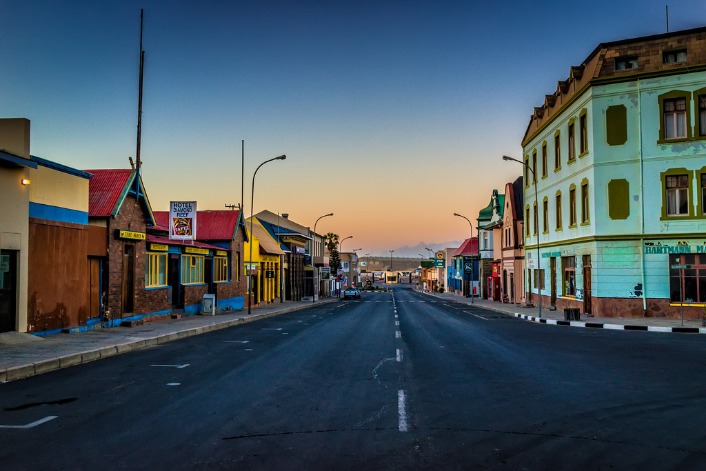
Geographical Overview of Lüderitzbucht
Lüderitzbucht, located along the southern coast of Namibia, is a picturesque coastal town renowned for its striking landscapes and historical significance. Nestled within the Namib Desert, this port city features rugged cliffs, sandy beaches, and the vibrant Namibian marine environment. Its strategic position along the Atlantic Ocean has made it an important hub for trade, tourism, and fishing activities over the years. The region’s unique geographical setting combines desert beauty with marine richness, offering a distinctive and captivating environment for visitors and residents alike.
Location and Coordinates
Lüderitzbucht, also known as Lüderitz Bay, is a scenic coastal area located in the southern part of Namibia along the Atlantic Ocean. It is renowned for its stunning landscapes, historic German colonial architecture, and rich maritime history. The bay is situated within the ǁKaras Region of Namibia, offering a unique blend of desert and oceanic environments.
The geographical coordinates of Lüderitzbucht are approximately 26.6444° South latitude and 15.1548° East longitude. These coordinates place the town on the southwestern coast of Namibia, near the Namib Desert, making it a distinctive destination for travelers interested in exploring Namibia’s diverse geography. The bay’s location provides it with a semi-arid climate, characterized by warm temperatures and strong Atlantic Ocean influences.
Physical Features and Landscape
Lüderitzbucht, located in southern Namibia, is a coastal town recognized for its striking geographical features and unique landscape. The area is characterized by a rugged coastline, expansive deserts, and distinctive geological formations that create a dramatic scenery. Its physical environment influences both the local climate and the biodiversity present in the region.
The landscape of Lüderitzbucht is primarily dominated by the following physical features:
- Steep cliffs and rocky outcrops along the shoreline, providing spectacular views of the Atlantic Ocean.
- Extensive sandy beaches and dune systems that extend inland, blending desert terrain with coastal environments.
- Adjacent Namib Desert, one of the oldest deserts in the world, contributing to the arid climate and sparse vegetation.
- Unique geological formations, including volcanic rocks and mineral-rich deposits that have attracted mining activities historically.
- There are also sheltered bays and small islands near the coast, serving as breeding grounds for various seabird species and marine life.
Climate and Weather Patterns
Lüderitzbucht, located along the southwestern coast of Namibia, is a historic port town known for its unique geographical features and coastal charm. The region is characterized by rugged granite hills, sandy beaches, and vibrant maritime activity, making it a notable point of interest for visitors and researchers alike.
The climate of Lüderitzbucht is classified as a semi-desert or desert climate, with generally dry conditions prevailing throughout the year. The area experiences mild winters with temperatures rarely dropping below freezing and warm summers where temperatures can reach up to 30°C (86°F). The proximity to the Atlantic Ocean influences the weather patterns, often leading to cool ocean breezes that moderate temperature extremes.
Weather patterns in Lüderitzbucht are predominantly affected by the Benguela Current, which brings cold waters from the Southern Ocean, leading to frequent fog formation, especially in the mornings and evenings. Rainfall is minimal, averaging less than 50mm annually, contributing to the arid environment. The region’s weather is relatively stable, with occasional cold fronts that can bring brief periods of increased cloud cover or rainfall, although such events are rare. Overall, Lüderitzbucht enjoys a generally cool and dry climate that shapes its unique ecological and cultural landscape.
Historical Background of Lüderitzbucht
Lüderitzbucht, located along the southern coast of Namibia, has a rich historical background shaped by European exploration and colonial ambitions. Originally inhabited by indigenous communities, the area gained prominence in the late 19th century when German traders and explorers arrived, attracted by its strategic maritime position and natural resources. The establishment of Lüderitzbucht as a German colonial port marked a significant chapter in Namibia’s history, influencing its development and cultural landscape to this day.
Origins and Early Settlement
Lüderitzbucht, located in southwestern Namibia, has a rich historical background rooted in early exploration and colonial interests. Originally inhabited by indigenous communities, the area gained significance in the late 19th century during the age of European exploration. German traders and settlers arrived in the 1880s, attracted by the bay’s strategic position and potential for trade. The town was formally established by Adolf Lüderitz, a German merchant, who acquired land and declared the region part of German South West Africa in 1884. Early settlement efforts focused on establishing a port for trade and resource extraction, particularly from nearby mineral-rich areas. These initial developments laid the foundation for Lüderitzbucht’s growth as a key economic and administrative hub in Namibia’s colonial history. The town’s origins reflect a mix of indigenous presence and European-driven expansion that shaped its development into the notable settlement it is today.
Significant Historical Events
Lüderitzbucht, located in southern Namibia, has a rich and diverse historical background marked by indigenous settlement, European exploration, and colonial development. Originally inhabited by the indigenous Nama and Khoikhoi peoples, the bay’s strategic location attracted European interest in the late 19th century, especially during the age of colonial expansion.
The area became significant in the late 1800s when the Germans established it as part of their colonial empire during the period known as German South West Africa. In 1883, Adolf Lüderitz, a German merchant, acquired land in the region and later founded the settlement of Lüderitz, which served as a key port for trade and resource extraction.
A major historical event was the signing of the protectorate agreement in 1884, establishing German control over the territory. The development of the harbor and infrastructure transformed Lüderitzbucht into an important economic hub, especially with the discovery of precious minerals such as diamonds in the early 20th century.
During the colonial period, Lüderitzbucht was also a site of significant conflicts, including resistance from indigenous groups and broader geopolitical struggles between European imperial powers. World War I saw the surrender of German South West Africa to South African forces, and subsequently, the area was administered under South African rule until Namibia gained independence in 1990.
Today, Lüderitzbucht’s historical heritage remains visible through colonial architecture, historic sites, and the memory of its pivotal role in Namibia’s colonial and post-colonial history, making it a key location for understanding Namibia’s cultural and historical landscape.
Colonial Era and Influences
Lüderitzbucht, located in Namibia, has a rich historical background shaped significantly by colonial influences and early economic activities. Originally inhabited by indigenous peoples, the area gained prominence during the 19th century when European powers began exploring the southern coast of Africa. The establishment of Lüderitzbucht as a port and settlement was driven by its strategic location and potential for economic development.
During the colonial era, Lüderitzbucht became a focal point of German colonial ambitions in Southwest Africa. In 1883, the region was claimed by Germany, and it officially became part of German South West Africa. The Germans invested heavily in developing the port infrastructure and infrastructure to extract resources, especially diamonds and minerals, fueling rapid growth and modernization of the settlement.
The colonial influence is evident in the architecture, town planning, and administrative systems introduced during this period. German language, customs, and legal frameworks left a lasting imprint on Lüderitzbucht and the surrounding areas. This era also saw the exploitation of local populations and the implementation of policies that shaped the socio-economic landscape of present-day Namibia.
- German colonization began in the 1880s and established Lüderitzbucht as a key port for resource export.
- The area experienced significant economic activity centered around mining and trade, particularly diamonds.
- German influence persists in architecture, cultural practices, and place names within Lüderitzbucht.
- The colonial era contributed to complex relationships between indigenous communities and colonial administrators, leading to social and political changes.
Cultural and Demographic Profile
Lüderitzbucht in Namibia is a vibrant coastal town characterized by its rich cultural heritage and diverse demographic makeup. This unique region reflects a blend of indigenous traditions, colonial influences, and modern developments. Understanding its cultural and demographic profile provides insight into the community’s history, identity, and social dynamics, highlighting the importance of diversity in shaping Lüderitzbucht’s character.
Population Composition
Lüderitzbucht in Namibia is characterized by a diverse cultural and demographic profile, reflecting its rich history as a port city with German colonial influences and indigenous roots. The population comprises a mix of ethnic groups, including the Nama, Ovambo, and German descendants, among others, creating a vibrant cultural tapestry. The demographic composition has been shaped by historical migration, trade, and colonial settlement, leading to a blend of traditional practices and modern influences. The city’s inhabitants predominantly speak languages such as English, Afrikaans, and indigenous dialects, which contribute to the multilingual environment. Overall, Lüderitzbucht’s population is a testament to Namibia’s broader diversity, with unique community identities and demographic dynamics that continue to evolve amid ongoing social and economic changes.
Cultural Heritage and Traditions
Lüderitzbucht in Namibia boasts a rich cultural and demographic profile shaped by its unique history and diverse communities. The town has been influenced by German colonial heritage, evident in its architecture, traditions, and linguistic background, alongside indigenous Nama and Khoikhoi peoples who contribute to the region’s vibrant cultural tapestry. The demographic makeup is a blend of descendants from various origins, creating a multicultural environment that celebrates diversity.
Cultural heritage and traditions in Lüderitzbucht are deeply rooted in both its colonial past and indigenous practices. German traditions are preserved through festivals, cuisine, and historical sites, reflecting the region’s colonial era. Simultaneously, indigenous customs such as music, dance, and craft-making are actively maintained and celebrated by local communities. The coexistence of these cultures fosters a unique heritage that is expressed through local events, storytelling, and artistic expressions, making Lüderitzbucht a distinctive destination for appreciating Namibia’s multicultural identity.
Languages Spoken
Lüderitzbucht, located in Namibia, boasts a diverse cultural and demographic profile shaped by its history as a colonial port and trading hub. The population includes a mix of ethnic groups such as the Nama, Namaqua, and broader Bantu-speaking communities, along with a legacy of German influence due to historical colonization. This blend of cultures has fostered a rich cultural tapestry reflected in local traditions, architecture, and community practices.
Languages spoken in Lüderitzbucht predominantly include English, which serves as an official language, alongside Afrikaans and German, reflecting the area’s multicultural heritage. Indigenous languages such as Khoekhoegowab are also present within local communities, highlighting the area’s deep roots in indigenous traditions and history. The multilingual environment creates a unique cultural landscape that is exemplified in everyday life, local media, and cultural events across the town.
Economy and Industry
Lüderitzbucht in Namibia is a fascinating region where the economy and industry play a vital role in shaping its development. Known for its rich history and unique geographic features, this coastal area has evolved through various industries, including fishing, tourism, and resource extraction. The local economy benefits from the natural harbor, attracting maritime activities and mineral exploration, which continue to influence the region’s growth and prosperity.
Mining Activities
Lüderitzbucht in Namibia has a rich history rooted in its mining and industrial activities. The region is historically known for its diamond mining operations, which have significantly contributed to Namibia’s economy. Mining activities in Lüderitzbucht include not only diamonds but also other minerals such as copper and tin, harnessing the area’s mineral wealth to fuel economic growth. Additionally, the industrial sector in the area supports export activities, with the port serving as a crucial hub for shipping minerals and other goods. Over the years, efforts have been made to modernize mining techniques and develop sustainable practices to ensure long-term economic benefits for the region while preserving its natural environment. The combination of mineral resources and industrial infrastructure makes Lüderitzbucht an important location for Namibia’s economic development in the mining sector.
Fishing Industry
Lüderitzbucht in Namibia has historically been a significant hub for the fishing industry, contributing substantially to the local economy. Its strategic location along the Atlantic coast provides access to rich marine resources that support various fishing activities, including hake, tuna, and other seafood products. The fishing industry not only supplies domestic markets but also plays a role in international trade, helping to foster economic growth in the region.
- Importance of sustainable fishing practices to maintain marine biodiversity
- Development of processing facilities to add value to catch products
- Employment opportunities generated by fishing and related industries
- Challenges faced due to overfishing and environmental changes
- Government initiatives aimed at supporting and regulating the fishing sector
Tourism and Hospitality Sector
Lüderitzbucht in Namibia is a significant hub for the economy and industry, largely driven by its strategic location along the Atlantic coast. The town’s economy benefits from mining, particularly the extraction of minerals such as uranium, copper, and zinc, which contribute substantially to national revenue. Additionally, the port facilities serve as vital points for maritime trade and logistical activities, supporting both local industries and export activities.
The tourism and hospitality sector in Lüderitzbucht is a vital component of its local economy, attracting visitors with its unique history, diverse landscapes, and cultural heritage. Tourists are drawn to the historic German colonial architecture, the Namib Desert scenery, and the nearby coastal wildlife, including colonies of Jackass penguins and seal populations. The hospitality industry supports this influx of visitors through hotels, guesthouses, and guided tour services.
- Mining operations contribute significantly to the local economy and employment opportunities.
- The port facilities facilitate international trade and regional logistics.
- Tourism infrastructure continues to expand, catering to eco-tourists, history enthusiasts, and adventure seekers.
- Preservation of natural and historical sites enhances Lüderitzbucht’s appeal as a tourist destination.
Tourist Attractions and Activities
Lüderitzbucht in Namibia is a captivating destination renowned for its stunning coastal scenery and historical significance. Visitors can explore a variety of attractions and activities that showcase the unique culture and natural beauty of the region. From picturesque harbor views to intriguing colonial architecture, Lüderitzbucht offers an unforgettable experience for travelers seeking adventure and discovery.
Famous Landmarks and Historical Sites
Lüderitzbucht in Namibia is a captivating destination known for its unique blend of history, architecture, and natural beauty. Visitors can explore a range of attractions that highlight the region’s rich past and stunning landscapes.
One of the most famous landmarks is the Kolmanskop Ghost Town, an abandoned diamond mining town that has become a popular site for photographers and history enthusiasts. Its deserted buildings and shifting sand dunes create an eerie yet beautiful atmosphere.
Another notable site is Diaz Point, offering breathtaking views of the Atlantic Ocean and the rugged coastline. From here, tourists often enjoy whale watching during migration season and observe the local seabird colonies.
The Lange Reef and the nearby Seal Colony provide opportunities for wildlife viewing and boat excursions. The area’s history is also preserved at the Lüderitz Museum, which showcases artifacts related to the region’s colonial past and diamond industry.
For adventure seekers, activities such as quad biking, fishing, and exploring the surrounding desert landscapes are popular. Lüderitzbucht’s unique blend of historical sites and natural attractions makes it an intriguing destination for travelers looking to experience Namibia’s diverse heritage and scenery.
Natural Attractions and Scenic Spots
Lüderitzbucht in Namibia is renowned for its captivating blend of historical charm and breathtaking natural scenery. Visitors can explore its unique colonial architecture and learn about the area’s rich history as a former German port. The town offers several interesting attractions, including the Diaz Point lighthouse, which provides stunning views of the Atlantic Ocean and rugged coastline.
Natural attractions in Lüderitzbucht are truly remarkable. The surrounding deserts and coastal landscapes create a surreal environment for visitors. The nearby Kolmanskop Ghost Town, once a thriving diamond mining settlement, now offers a hauntingly beautiful scene with deserted buildings partly buried in shifting sands. Additionally, the Penguin and Seabird colonies along the coast are a haven for bird watchers and nature lovers.
Scenic spots in the region include the stark and colorful rock formations at Langstrand and Bogenfels, a striking natural rock arch that stretches into the ocean. These spots offer incredible opportunities for photography and sightseeing. The coastline itself, with its dramatic cliffs and secluded beaches, provides a peaceful retreat and a chance to experience the raw beauty of Namibia’s Atlantic coast.
Adventure and Recreational Activities
Lüderitzbucht in Namibia is a captivating destination known for its unique blend of historical charm and stunning natural landscapes. Visitors can explore the colonial-era architecture, including old German buildings that tell stories of the town’s rich past. The area offers numerous attractions such as the Lüderitz Ghost Town, which provides a glimpse into Namibia’s mining history, and the nearby Diaz Point with its iconic lighthouse and panoramic ocean views. Adventurers can enjoy activities like boat trips to see dolphins and seals, as well as guided tours to the neighboring Kolmanskop Desert Ghost Town filled with abandoned diamonds and abandoned structures.
For those seeking recreational experiences, Lüderitzbucht provides opportunities for bird watching, especially along the coast where seabirds thrive. Water-based activities like kayaking and fishing are popular, allowing visitors to engage closely with the Atlantic Ocean. The surrounding deserts and rugged terrain also invite exploration through 4×4 safaris and hiking excursions, offering stunning vistas of unspoiled wilderness. Whether exploring historic sites, enjoying marine life, or venturing into the desert, Lüderitzbucht offers a diverse array of attractions and activities for every traveler seeking adventure and culture in Namibia.
Infrastructure and Transportation
Lüderitzbucht in Namibia is a coastal town that relies heavily on well-developed infrastructure and transportation networks to support its economy and connectivity. The region’s infrastructure includes ports, roads, and communication systems that facilitate trade, tourism, and local development. Efficient transportation options are vital for connecting Lüderitzbucht with other parts of Namibia and neighboring countries, ensuring smooth movement of goods and people in this remote yet vital area.
Transportation Modes and Accessibility
Lüderitzbucht in Namibia is a coastal town that plays a significant role in the country’s infrastructure and transportation network. Its development has been closely linked to its strategic location along the Atlantic Ocean, facilitating maritime connectivity and trade. The town’s transportation system encompasses various modes designed to support both local and freight movement, ensuring efficient access to remote areas and neighboring regions.
Transportation modes in Lüderitzbucht include road networks, maritime shipping, and air travel. The port facilities serve as critical hubs for importing goods and exporting minerals and fish, which are vital to Namibia’s economy. Road connectivity links Lüderitzbucht to other Namibian towns and attractions, although some routes can be challenging due to terrain and weather conditions. In addition, the town features an airport that accommodates regional flights, enhancing accessibility for tourists and business travelers.
Accessibility in Lüderitzbucht is tailored to support tourism, local residents, and industrial activities. Efforts have been made to improve transportation infrastructure to foster economic growth and regional integration. The combination of maritime, road, and air transportation modes ensures that Lüderitzbucht remains a key gateway in Namibia, despite its relatively remote location, enabling it to serve as a vital link in the country’s broader transport and infrastructure network.
Facilities and Amenities
Lüderitzbucht in Namibia is a remote coastal town known for its unique infrastructure and transportation facilities that support both residents and visitors. The town features a well-maintained road network connecting it to other regions, facilitating the movement of goods and people efficiently. Due to its remote location, air transport plays a vital role, with small airports serving chartered flights to nearby cities and international destinations.
The facilities in Lüderitzbucht are designed to accommodate tourism, fishing, and mining industries. There are comfortable accommodation options, including hotels and lodges, providing essential amenities. The town also boasts essential services such as healthcare centers, banks, and local markets that cater to the needs of the community and travelers.
In terms of amenities, Lüderitzbucht offers recreational facilities like beaches and historical sites, enhancing its appeal as a tourist destination. Local restaurants and cafes provide diverse culinary options, while basic infrastructure like water and electricity supply is reliably maintained to support daily life. Overall, Lüderitzbucht’s infrastructure and amenities reflect its position as a strategic and scenic coastal settlement in Namibia.
Future Development Plans
Lüderitzbucht in Namibia is a prominent coastal town known for its historic significance and strategic location. Future development plans focus on enhancing infrastructure and transportation to support economic growth and tourism. Efforts include expanding port facilities to accommodate larger vessels and improve cargo handling efficiency. There are also initiatives to upgrade road networks connecting Lüderitzbucht to other major regions, facilitating smoother transportation of goods and people. Additionally, plans are underway to develop modern transportation services, such as improved rail links and sustainable public transit systems. These developments aim to boost trade, attract more visitors, and ensure the town’s infrastructure can support long-term growth while promoting sustainable practices in line with environmental preservation efforts.
Wildlife and Natural Conservation
lüderitzbucht in Namibia is a stunning coastal area renowned for its rich wildlife and efforts in natural conservation. The region offers a diverse habitat that supports a variety of marine and terrestrial species, making it a vital area for preserving Namibia’s unique biodiversity. Conservation initiatives here play a crucial role in protecting endangered species and maintaining the delicate balance of this pristine environment.
Flora and Fauna of the Area
Lüderitzbucht in Namibia is renowned for its unique wildlife and rich natural conservation efforts. The area’s diverse ecosystem includes a variety of flora and fauna adapted to its coastal desert environment. Coastal birds such as African penguins, Cape cormorants, and trippeail sandpipers thrive in the region, benefiting from the protected marine and terrestrial habitats. The surrounding marine ecosystem supports species like seals, dolphins, and occasional whales, highlighting the importance of sustainable practices to preserve these populations. Flora in Lüderitzbucht consists mainly of hardy desert plants, including succulents and bushes that withstand the arid climate and salty air. Conservation initiatives aim to safeguard this delicate balance, ensuring the survival of native wildlife and promoting ecological resilience. Efforts by local authorities and environmental organizations focus on habitat preservation, marine protected areas, and raising awareness about the importance of conserving Namibia’s unique coastal biodiversity.
National Parks and Protected Areas
Lüderitzbucht in Namibia is a remarkable region renowned for its rich biodiversity and stunning natural landscapes. The area is part of Namibia’s efforts to conserve its unique ecosystems through the establishment of national parks and protected areas. These regions provide safe habitats for a variety of wildlife, including desert-adapted elephants, oryx, springbok, and numerous bird species, some of which are endemic to the region.
The protected areas around Lüderitzbucht play a crucial role in safeguarding the coastal desert environment, which supports specialized flora and fauna. Conservation initiatives aim to maintain the delicate balance between development and natural preservation, ensuring that future generations can enjoy the area’s unique beauty and wildlife diversity.
Tourists visiting Lüderitzbucht can experience not only its historic and cultural sites but also explore nearby protected areas and nature reserves. These conservation efforts help to promote sustainable tourism while promoting awareness about the importance of preserving Namibia’s natural heritage for future generations.
Conservation Efforts and Challenges
Lüderitzbucht in Namibia is a region rich in unique wildlife and natural beauty, highlighting the importance of conservation efforts to preserve its fragile ecosystems. The area is home to diverse species, including seabirds, marine mammals, and endemic plants, which thrive in its coastal waters and desert landscapes. Protecting these species is essential not only for maintaining biodiversity but also for supporting local communities and tourism. However, conservation efforts face numerous challenges, such as habitat degradation caused by mining activities, overfishing, and climate change. Additionally, the increasing demand for tourism can lead to environmental pressure if not properly managed. Effective conservation in Lüderitzbucht requires a balanced approach that involves government regulations, community participation, and sustainable practices to ensure the preservation of its natural heritage for future generations.

0 Comments