

Political Developments in Namibia
Namibia has experienced significant political developments in recent years, shaping its path towards stability and growth. As a nation with a rich history of independence and democratic tradition, Namibia continues to navigate challenges related to governance, economic progress, and social unity. Understanding these political changes is essential for gaining insight into the country’s current landscape and future prospects.
Recent Elections and Results
Namibia has recently experienced significant political developments marked by its latest elections, which drew widespread attention both domestically and internationally. The country held general elections to elect members of the National Assembly and presidential candidates, reflecting ongoing democratic processes. The ruling party, Swapo, continued its dominance, securing a substantial majority in the National Assembly, while the presidential race saw the incumbent winning with a comfortable margin. The election results indicate a relatively stable political landscape, though some opposition parties gained ground, signaling a diversifying political environment. These developments are crucial for Namibia’s governance and future policy direction, fostering hopes for continued progress and democratic stability.
Government Policy Changes
Namibia has experienced significant political developments and government policy shifts in recent months, reflecting its ongoing efforts to strengthen democracy and promote sustainable development.
- The ruling SWAPO party secured a decisive victory in the latest general elections, reaffirming its dominance while also emphasizing the need for inclusive governance.
- The government has introduced new policies aimed at economic diversification, focusing on agriculture, renewable energy, and tourism sectors to reduce dependence on mineral exports.
- Recent reforms in the electoral process include the adoption of electronic voting systems to enhance transparency and voter participation.
- Environmental policies have been prioritized, with the government committing to stricter regulations on resource management and the promotion of conservation efforts.
- Efforts to address social inequalities have led to policy changes in education and healthcare, aiming to increase access and quality for underserved communities.
- Namibia has also taken steps to strengthen regional cooperation within the Southern African Development Community (SADC) to facilitate economic integration and security cooperation.
Diplomatic Relations and International Engagements
Namibia has experienced significant political developments in recent years, marked by efforts to strengthen democratic institutions and promote good governance. The government continues to focus on socio-economic reforms, addressing issues such as unemployment, poverty, and inequality while maintaining stability. Diplomatic relations play a crucial role in Namibia’s international strategy, with the country actively engaging with regional organizations like the Southern African Development Community (SADC) and the African Union (AU). Namibia also seeks to foster strong bilateral ties with key partners, including China, the European Union, and the United States, to promote economic development and regional security. International engagements often encompass diplomacy to attract investment, support for sustainable development initiatives, and participation in peacekeeping missions, reflecting Namibia’s commitment to regional stability and global cooperation.
Economic Trends and Industry Updates
Namibia’s economic landscape is continually evolving, shaped by global market trends and emerging industry developments. Staying informed about these economic trends and industry updates is essential for understanding the country’s growth prospects and investment opportunities. This overview provides a snapshot of recent key movements influencing Namibia’s economic environment and business landscape.
Mining Sector Performance
Namibia’s mining sector continues to demonstrate resilience amid fluctuating global markets, reflecting positive economic trends in the region. The country remains a key player in the extraction of minerals such as uranium, zinc, and diamonds, which contribute significantly to national revenue. Recent industry updates indicate increased investment in exploration and mining technologies, aiming to improve efficiency and sustainability. The government’s policies fostering a conducive environment for foreign investment have attracted several international mining companies. Overall, the sector’s performance is expected to bolster Namibia’s economic outlook by generating jobs, increasing exports, and supporting local communities through corporate social responsibility initiatives.
Agricultural Output and Challenges
Namibia’s economic landscape is experiencing notable shifts, driven by global market fluctuations and internal policy reforms. The country continues to diversify its economy beyond traditional sectors, with a focus on mineral exports, tourism, and agriculture. Recent industry updates highlight investments in renewable energy projects, aiming to reduce reliance on fossil fuels and enhance sustainability. Agricultural output remains a crucial component of Namibia’s economy, providing livelihoods for a significant portion of the population. However, the sector faces challenges such as recurrent droughts, insufficient infrastructure, and limited access to modern technology. These obstacles hamper productivity and threaten food security. Despite these hurdles, Namibia is exploring innovative solutions, including water conservation techniques and crop diversification, to boost agricultural resilience. The government’s efforts to attract foreign investment and promote sustainable practices are central to addressing these challenges and fostering economic growth in the region.
Tourism Industry Recovery and Growth
Namibia is experiencing notable shifts in its economic landscape, driven by recovery and growth within the tourism industry after the global disruptions caused by the pandemic. The country’s strategic focus on enhancing its tourism infrastructure and marketing efforts has contributed to an encouraging rebound in visitor numbers and revenue generation. This upward trend signals a positive outlook for Namibia’s broader economic stability and development plans.
Recent industry updates highlight several key factors influencing this recovery:
- Increased international arrivals, particularly from key markets such as Europe and Africa, boosting hotel occupancy rates and local businesses.
- Government initiatives aimed at diversifying tourism offerings, including eco-tourism and cultural experiences, attracting a broader demographic.
- Investments in infrastructure projects, such as airport upgrades and national parks improvement, enhancing accessibility and visitor experience.
- Collaborations between private sector stakeholders and government agencies to promote sustainable tourism practices.
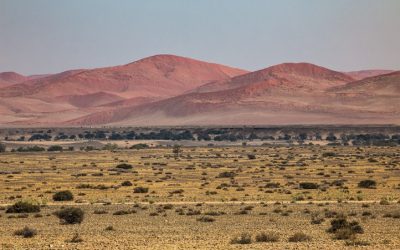
- Growing interest in Namibia’s unique natural attractions, including the Namib Desert, Etosha National Park, and coastal regions, reaffirming its position as a premier safari destination.
Looking ahead, Namibia is poised for continued growth in the tourism sector, which is expected to have a positive ripple effect on the national economy, creating jobs and encouraging investments. The resilience and strategic initiatives undertaken by industry players are key to maintaining and accelerating this recovery trajectory.
Social and Cultural Events
Social and cultural events play a vital role in shaping the vibrant identity of Namibia, showcasing its diverse heritage and community spirit. These gatherings, ranging from traditional festivals to modern celebrations, bring people together to honor their customs, history, and shared values. Stay tuned to Namibia news for updates on upcoming events and initiatives that highlight the rich cultural tapestry of this unique nation.
Major Festivals and Celebrations
Namibia is a country rich in cultural diversity, reflected through its vibrant social and cultural events, major festivals, and celebrations. These occasions showcase the unique traditions, music, dance, and customs of its various ethnic groups, fostering community spirit and national pride. Throughout the year, Namibia hosts numerous events that attract both locals and tourists, offering insight into its cultural heritage. Festivals such as the OMA Festival celebrate Namibian music and arts, while traditional ceremonies like the Himba Purity Ceremony highlight indigenous customs. Religious festivities, including Christmas and Easter celebrations, are also observed with enthusiasm. These social gatherings not only preserve Namibia’s cultural identity but also promote unity and understanding among its people.
Educational Initiatives and Changes
Namibia has experienced a vibrant array of social and cultural events, alongside significant educational initiatives that reflect the nation’s evolving identity. These developments aim to promote inclusivity, cultural heritage, and educational advancement across the country.
Social and cultural events in Namibia often celebrate its diverse heritage, including traditional festivals, music performances, and community gatherings. These events foster a sense of unity and pride among different ethnic groups, such as the Himba, Herero, and San communities, highlighting their unique customs and traditions.
Educational initiatives in Namibia have focused on improving access to quality education for all citizens. The government has launched programs to increase literacy rates, expand school infrastructure, and incorporate modern technology into classrooms. These efforts are vital in preparing Namibia’s youth for a competitive global economy.

Recent changes in the English language curriculum aim to enhance communication skills and prepare students for international opportunities. Additionally, there has been a conscious move to preserve indigenous languages and integrate them into the educational system, fostering cultural preservation alongside academic growth.
- Annual Cultural Festivals showcasing traditional music, dance, and crafts
- Government-led literacy campaigns targeting rural and underserved communities
- Initiatives to incorporate indigenous languages into national education policies
- Partnerships with international organizations to improve educational infrastructure and resources
- Promotion of youth engagement through arts, sports, and community service programs
Health Campaigns and Public Wellness Programs
Namibia has been actively engaging in various social and cultural events aimed at fostering community spirit and celebrating national heritage. These events promote unity, cultural understanding, and national pride among citizens. Alongside these celebrations, health campaigns and public wellness programs play a crucial role in improving the overall health standards across the country, focusing on issues such as HIV/AIDS awareness, lifestyle diseases, and nutrition. Such initiatives are vital in ensuring a healthier population and raising awareness about essential health practices, thereby contributing to Namibia’s socio-economic development. The integration of cultural vitality with health promotion underscores the nation’s commitment to holistic national progress.
Environmental and Conservation News
Namibia News offers vital updates on environmental and conservation efforts within the region, showcasing the nation’s dedication to protecting its rich biodiversity and natural landscapes. As a country renowned for its unique desert ecosystems and wildlife, Namibia’s news highlights innovative projects, government initiatives, and community involvement aimed at sustainable development and environmental preservation. Staying informed about these developments is essential for understanding Namibia’s role in global conservation efforts and its commitment to safeguarding natural resources for future generations.
Wildlife Protection Efforts
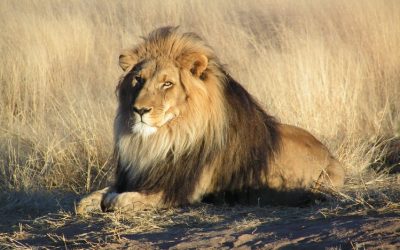
Namibia continues to make significant strides in environmental and wildlife protection efforts, showcasing its commitment to conserving its rich biodiversity. The country has implemented innovative conservation programs aimed at safeguarding endangered species such as rhinos and elephants, which face threats from poaching and habitat loss. Community-based initiatives are playing a crucial role in engaging local populations in conservation activities, fostering a sense of stewardship over their natural resources.
Recent news highlights a partnership between government agencies and international organizations to expand protected areas and establish wildlife corridors that facilitate the safe movement of animals across regions. Namibia’s efforts have also included increased anti-poaching patrols and technological solutions like drone surveillance to monitor and protect wildlife more effectively. These initiatives underscore Namibia’s dedication to balancing economic development with the preservation of its unique ecosystems, ensuring that future generations can enjoy its natural heritage.
Climate Change Impact and Policies
Namibia continues to face significant environmental challenges amid the growing impacts of climate change. Recent conservation efforts highlight the country’s commitment to protecting its unique ecosystem, which includes vast desert landscapes and diverse wildlife. Climate change has led to increased temperatures and irregular rainfall patterns, threatening both local agriculture and natural habitats. In response, Namibia has implemented policies focused on sustainable resource management, water conservation, and expanding protected areas to safeguard its biodiversity. These initiatives aim to mitigate the adverse effects of climate change while promoting ecological resilience and sustainable development for future generations.
Natural Disaster Responses and Preparedness
Namibia is actively engaged in environmental conservation efforts to protect its unique desert ecosystems and diverse wildlife. Recent initiatives include expanding protected areas and promoting sustainable tourism to ensure the preservation of natural resources for future generations. In response to natural disasters, Namibia has strengthened its response and preparedness strategies, particularly for droughts and floods that frequently impact the region. Local authorities and communities are increasingly adopting early warning systems and community-based disaster risk reduction programs to mitigate damage and enhance resilience. These efforts highlight Namibia’s commitment to maintaining ecological balance while safeguarding its population against the increasing threats posed by climate change and natural calamities.
Regional Security and Safety
Regional security and safety are essential components for fostering stability and development within Namibia. Ensuring the well-being of communities, safeguarding borders, and addressing common threats are vital for a peaceful and prosperous nation. As Namibia continues to navigate various security challenges, collaborative efforts and effective strategies play a crucial role in maintaining the safety of its citizens and promoting regional stability.
Border Security Updates
Regional security and safety remain a top priority for Namibia as it continues to strengthen its border security measures to prevent illegal activities and enhance national safety. Recent updates indicate the government has increased surveillance and patrols along key border areas, working closely with neighboring countries to monitor and respond to potential threats. These efforts are part of broader strategies to combat smuggling, human trafficking, and unauthorized crossings, ensuring the stability and security of Namibia’s borders. Enhanced cooperation with regional security organizations has also contributed to more coordinated intelligence sharing and rapid response capabilities. Overall, Namibia is committed to maintaining a secure environment for its citizens and fostering peaceful relations with neighboring states to promote regional stability.
Crime Rate Trends and Law Enforcement Measures
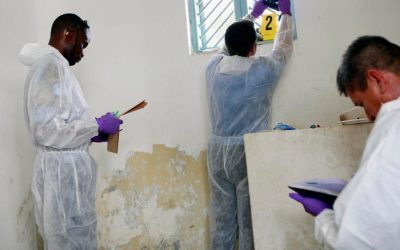
Namibia’s focus on regional security and safety has intensified in recent years, addressing rising concerns over crime and public safety. The government has implemented comprehensive law enforcement measures aimed at reducing criminal activities and enhancing community security across the nation. Trends indicate fluctuations in crime rates, with certain categories such as theft and assault experiencing periodic increases, while others like drug trafficking remain persistent challenges. In response, law enforcement agencies have increased patrols, employed advanced surveillance technologies, and strengthened community engagement programs to foster cooperation and trust. These efforts are part of Namibia’s broader strategy to create a safer environment for its citizens and visitors, promoting stability and sustainable development within the region.
Community Safety Programs
Regional security and safety, as well as community safety programs, play a vital role in fostering a secure environment for residents in Namibia. These initiatives aim to build trust between law enforcement agencies and communities, encouraging active participation in crime prevention and safety measures. By promoting neighborhood watch schemes, emergency response training, and public awareness campaigns, Namibia strives to reduce crime rates and enhance the overall well-being of its citizens. Strengthening regional cooperation and investing in community-led safety projects are essential components to creating resilient and safe communities across the country.

0 Comments