
Freweyni, Eastern Tigray — A Quiet Gateway to Tigrayan Countryside
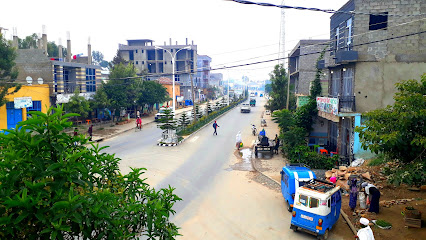
Freweyni is a small town in the eastern part of the Tigray region of Ethiopia. It sits within a landscape of gently undulating hills and rural communities, offering visitors a sense of everyday life beyond major tourist routes. While the town itself is modest in scale, Freweyni can serve as a starting point for exploring surrounding villages, markets, and the rhythms of regional life. Visitors often note a welcoming atmosphere and opportunities to observe traditional practices and daily routines in a setting that feels authentic and off the beaten path.
What makes Freweyni notable is less about flashy attractions and more about its place within the region’s broader cultural and agricultural tapestry. The town can be a convenient stop for travellers travelling between larger towns in eastern Tigray, as well as a base for those looking to experience rural Ethiopian hospitality, local cuisine, and nearby countryside landscapes. If you are seeking a destination with a calm pace and a chance to slow down and observe local life, Freweyni offers a suitable setting.
Highlights you may encounter around Freweyni include nearby rural communities where traditional farming practices, communal gatherings, and market days shape the week. The surrounding terrain provides opportunities for short walks and observational experiences of the landscape, with the chance to see crop patterns and seasonal activities typical to the region. While the town itself may not feature major monuments, many visitors find value in engaging with residents, sampling simple local foods, and learning about regional customs through informal conversations and guided introductions when available.
What to do in Freweyni is largely about immersion and modest exploration. Possible activities include:
- Strolling through the town and surrounding countryside to observe agricultural life and daily routines.
- Visiting nearby markets on market days to see regional goods, textiles, and produce (respectful photography practices apply).
- Trying simple, home-cooked meals that reflect local ingredients and cooking styles, where available through guesthouses or family hosts.
- Engaging with locals to learn about regional crafts, traditional music, or storytelling, when appropriate introductions are offered.
The best audiences for Freweyni are travellers who value quiet, authentic experiences over highly developed tourist infrastructure. It can be particularly appealing to those who enjoy rural life, cultural exchange, and off-the-beaten-path destinations. Those seeking luxury accommodation or formal guided tours should consider planning for more extensive logistics elsewhere, or seeking local guides who operate in the area for a personalised experience.
Practical tips for visiting Freweyni:
- Timing: If you can, align your travel with the dry season when road conditions and travel comfort tend to be more predictable. Be prepared for hot days and cooler evenings in higher elevations.
- Getting there: Access is typically via regional road networks from larger towns. Public transport options may be limited, so plan ahead with local contacts or pre-arranged transfers where possible.
- Avoiding discomfort: Pack modest clothing suitable for rural environments, lightweight layers for day and evening, a hat, sunscreen, and water. A small daypack is useful for short excursions from the town.
- Safety and etiquette: Stay informed about current regional advisories before travel. When interacting with residents, use respectful greetings and show interest in local customs, and ask permission before taking photographs of people or homes.
- Health and supplies: Bring essential medications and a basic first-aid kit. Basic facilities may be limited in surrounding areas, so plan for contingencies and carry sufficient water and snacks.
- Communication: Mobile networks may be intermittent in some areas. Have a plan for offline communication or backup contact details for your accommodation or guide if you are travelling independently.
- Respect for communities: Support locally owned guesthouses or eateries when possible, and be mindful of cultural norms, sacred places, and private spaces.
Best time to visit Freweyni generally aligns with milder weather and fewer travel disruptions, though conditions can vary. If you are exploring during the local harvest periods or market days, you may gain insights into regional life and economy. Always check current information with local contacts or guides before you travel, as regional circumstances can change.
Getting there and around requires a flexible schedule and a cautious approach to local travel logistics. In Freweyni, transport options may be limited compared with major tourist hubs, so advance planning is wise. When you arrive, take time to settle in and connect with hosts or guides who can offer context and help arrange modest excursions into the surrounding countryside.
Overall, Freweyni offers a restrained, authentic experience of eastern Tigray’s rural environment. It’s well suited to travellers who value meaningful cultural encounters, modest scenery, and an uncomplicated pace. With respectful engagement and careful planning, a visit to Freweyni can be a rewarding part of a broader journey through Tigray’s landscapes and communities.
Tigray
Ethiopia
Sorry, no records were found. Please adjust your search criteria and try again.
Sorry, unable to load the Maps API.
Eastern Tigray: Tourism and Travel Guide
Eastern Tigray, a region of northern Ethiopia, offers a mix of dramatic landscapes, historical sites, and warm hospitality. Visitors can expect welcoming communities, rugged scenery, and opportunities to learn about diverse cultures that thrive in this part of the Horn of Africa. The area lends itself to slower, respectful travel, with chances to hike, explore ancient ruins, and observe traditional livelihoods in rural settings.
Tourism
Tourism in Eastern Tigray focuses on natural scenery, historical relics, and cultural encounters. The landscape ranges from undulating highlands to arid plateaus, with viewpoints that reward patient exploration. Guided day trips or multi-day outings are common ways to traverse the region, while independent travellers should plan for irregular transport links between towns. Expect opportunities to meet local guides who can share insights into traditional crafts, agriculture, and daily life.
When planning visits to nearby attractions, respect for local customs and sacred sites is important. Some areas may be more remote, with limited services, so prior preparation helps ensure a comfortable and responsible experience. Visitors are encouraged to turn questions and curiosity into learning experiences about the history, languages, and livelihoods of the communities they meet.
Dining
Eating in Eastern Tigray offers a window into everyday Ethiopian hospitality. Traditional meals are commonly shared from a communal platter and are often accompanied by injera, stews, pulses, and fresh bread. In towns, you may find modest eateries that serve reliable staples as well as occasional dishes that reflect local influences. For travellers with dietary preferences, it is advisable to communicate clearly with hosts or vendors and to sample local flavours with an open but respectful approach.
Smart snacks and bottled water are sensible inclusions for longer excursions. When dining in rural areas, generous portions and seasonal ingredients are typical. Tipping is customary in many establishments, though not universal; observe local guidance and exercise discretion based on service quality.
Accommodation
Options range from simple guesthouses to modest hotels in larger towns. In more remote areas, lodging may be basic but comfortable, with basic amenities and a friendly atmosphere. For those seeking more secure or predictable facilities, prioritise established establishments with good reviews and reliable management. Booking in advance is prudent during peak travel periods or religious festivals when demand can increase.
Technical tips: verify safety features, confirm catches on doors and windows, and check water and power supplies upon arrival. Engaging with accommodation staff about local transport options, guided tours, and safe routes can greatly improve the experience.
Entertainment and Tourist Attractions
Entertainment in Eastern Tigray centres on cultural experiences, markets, and scenic outlooks. Visitors may enjoy traditional music and dance performances when they are available, as well as craft workshops where you can observe weaving, pottery, or metalwork. Scenic viewpoints and rural village visits provide a sense of place and pace that contrasts with urban experiences elsewhere.
Attractions nearby often include ancient ruins, rock formations, and monasteries perched along ridgelines. When visiting religious sites or sacred spaces, dress modestly, speak softly, and seek permission before entering. Always respect local sensitivities regarding photography, private property, and restricted areas.
Practical Tips
- Best time to visit: Dry seasons offer clearer travel routes and better visibility for landscapes and ruins. Consider avoiding the hottest months if you are sensitive to heat.
- Transport: Road journeys are common but can be long and winding. Hire a reputable driver or join guided tours when possible, and plan for possible delays.
- Safety: Stay updated on local travel advisories, travel in groups when feasible, and keep valuables secure. Respect local customs and ask for guidance if you are unsure about etiquette.
- Etiquette: Greet politely, use both hands when presenting items, and take photographs only with permission. Dress modestly in rural areas and religious sites.
- Health and preparedness: Carry bottled water, use sun protection, and have basic first aid supplies. Check vaccination recommendations with a travel clinic ahead of time.
Eastern Tigray invites travellers who favour authentic encounters, scenic horizons, and meaningful cultural exchanges. With careful planning and respectful curiosity, a visit to this region can be a rewarding and memorable experience.