
Vieux Port de Monastir – A Timeless Coastal Stop
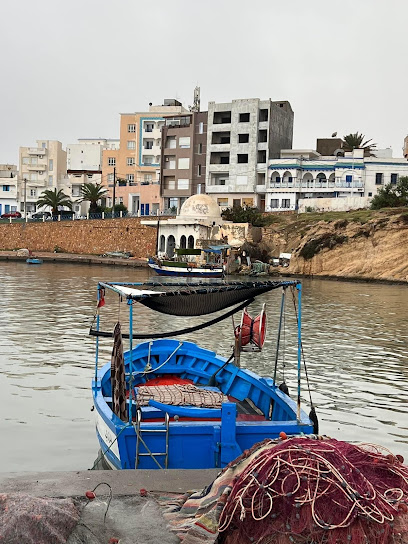
Vieux Port de Monastir sits along the historic shoreline of Monastir in Tunisia, offering visitors a glimpse into the town’s maritime heritage. This traditional harbour area is known for its working boats, laid‑back atmosphere, and scenic views across the Mediterranean. While it remains active as a harbour, it also serves as a pleasant place for a stroll, a coffee break, or a moment of quiet observation of daily life by the water.
Highlights of the harbour area include a bustling quay where fishing boats and small vessels berth, a sense of rhythm that follows the tides and the daily routines of the port workers, and stretches of coastline that invite a relaxed wander. The surrounding streets often lead to cafés and eateries that capture the essence of coastal Tunisian life, offering a simple yet satisfying backdrop for photos, conversations, or a gentle diversion during a day of sightseeing in Monastir.
What you can do here ranges from uncomplicated strolls to more contemplative experiences. Take a walk along the harbour walls to watch the boats come and go and enjoy the sea air. If you’re interested in local life, you may observe fishermen preparing nets or mending gear, which provides a snapshot of traditional coastal livelihoods. The nearby waterfront is a natural place to pause, reflect, and soak up the ambience, especially during mornings or late afternoons when the light is particularly pleasant for photography.
The Vieux Port is well suited to travellers who prefer low‑key experiences that connect them with everyday Tunisian culture rather than high‑volume tourist attractions. It’s an ideal stop for those who enjoy a relaxed pace, a harbour‑side atmosphere, and the opportunity to combine a coastal promenade with other historic or cultural sites in Monastir. It can also appeal to photographers, casual walkers, or visitors who appreciate maritime scenery at modest costs and without strict itineraries.
Practical tips for visiting the Vieux Port de Monastir:
- Wear comfortable, non‑slip footwear, as surfaces near the harbour can be uneven or wet.
- Dress modestly and respectfully, especially when moving through adjacent residential or market areas.
- Bring a light layer or jacket for cooler breezes at harbour level, particularly in the early morning or late afternoon.
- Stay aware of local weather and sea conditions; harbour areas can be windy and slippery when seas are rough.
- Carry water and sunscreen for sun protection, as shade may be limited along open quays.
Best time to visit tends to be in the milder parts of the year—spring and autumn—when the temperatures are comfortable for walking and outdoor time without the peak heat of summer. Early mornings offer tranquil views and quieter streets, while late afternoons can provide beautiful light for photos and a more relaxed atmosphere as the day winds down.
Getting there is straightforward for most visitors staying in Monastir. The harbour is connected to the town by local roads and pedestrian paths, with easy access by taxi or a short walk from central areas. If you are using public transport, check local timetables for buses that serve near‑harbour districts and note that timetables may vary by season. Parking near the port area is available in some spots, but you may prefer to combine your visit with a stroll from a nearby part of the town to enjoy a broader sense of Monastir’s coastal character.
Safety and etiquette are important considerations at the Vieux Port. Exercise general street‑savvy practices as you would in any busy waterfront area: be mindful of uneven ground, watch your belongings, and respect local customs and private property near businesses. When photographing people or boats, do so with courtesy and where appropriate ask permission if individuals are involved in work or daily routines. Finally, remember that harbour life can be active and boats may arrive or depart unexpectedly; give way to maritime activity and observe any posted notices or advice from local staff.
For travellers seeking a calm, authentic maritime experience within Monastir, the Vieux Port de Monastir offers a gentle excursion that complements broader explorations of the city’s Mediterranean charm. It is a place to pause, observe, and enjoy the sea’s enduring presence at the heart of coastal life.
المدينة 2
Monastir
Tunisia
Sorry, no records were found. Please adjust your search criteria and try again.
Sorry, unable to load the Maps API.
Monastir in Tunisia: A Visitor’s Guide to Tourism, Dining, Accommodation, Entertainment and Attractions
Monastir, on Tunisia’s central coast, offers a relaxed blend of sun, sea and history. Its calm beaches, historic sites and friendly souks make it a pleasant base for visitors exploring the eastern Sahel region. This guide highlights what to see and do, where to dine and stay, and practical tips to help you make the most of your visit to المدينة 2 and nearby highlights.
Tourism
Visitors can enjoy long sandy beaches with clear waters, ideal for swimming and watersports. The coastline provides opportunities for seaside strolls, boat trips and sunset views. If you appreciate history, consider a day trip to nearby historic fortes and mosques, and a visit to monuments that reflect Tunisia’s diverse past. For those seeking a slower pace, coastal promenades and laid‑back cafés offer a pleasant retreat. The surrounding countryside is dotted with olive groves and traditional villages, perfect for relaxed exploration and photography.
Dining
Dining in Monastir blends Tunisian flavours with Mediterranean influences. Look for simple, welcoming venues offering fresh seafood, tagines, grills and seasonal dishes. In town you’ll find eateries ranging from modest cafés to family‑run restaurants. Try a light messe platter with olives, bread and dips, followed by grilled fish or vegetables. For dessert, you may encounter fresh fruit, pastries and mint tea. Respect local customs around dress and modesty when dining in more traditional areas, and note that many venues are casual and informal.
Accommodation
Accommodation in and around Monastir ranges from seaside hotels with pools to modest guesthouses and mid‑range inns. Many options are built to take advantage of sea views and easy beach access. When selecting a place to stay, consider proximity to the beach, ease of access to local transport, and safety features. Self‑catering apartments can offer flexibility for longer stays, while boutique hotels may provide characterful rooms and on‑site dining. Booking in advance is advisable during peak sun seasons and holiday periods.
Entertainment
Evenings in Monastir can be gentle and sociable. Beachfront bars, traditional cafés and markets provide light entertainment and opportunities to mingle with locals. Cultural events, when available, often showcase music, dance or crafts and provide insight into the region’s heritage. Daytime entertainment can include boat excursions, guided walks and practical tours that explore local architecture and coastal scenery. For evenings elsewhere in the region, consider a short trip to nearby towns to experience additional nightlife and dining options.
Tourist Attractions
Among the notable sights are historic religious and military buildings that reflect the area’s layered history. A visit to a coastal fortress or ribat (a historic defensive building) affords panoramic views and a glimpse into the region’s architectural styles. Various mosques and traditional markets offer cultural context and are rewarding to explore with a respectful approach. For families, calm beaches and promenade walks provide a relaxing day out, while culture‑hungry travellers may enjoy guided tours that explain local traditions and history.
Practical Tips
- Best time to visit: spring and autumn for milder temperatures and fewer crowds; summer is sunny but hotter and busier.
- Transport: use authorised taxis or pre‑booked transfers; the area is navigable by local buses and organised day trips. If arriving by air, Monastir–Habib Bourguiba International Airport is the main gateway.
- Safety and etiquette: dress modestly in respectful areas, especially around religious sites; carry a small amount of local currency for markets; keep valuables secure and be mindful of personal safety in crowds.
- Etiquette: greetings are warm and courteous; a smile and a polite handshake are common. Tipping is appreciated in hospitality settings but not obligatory.
With its blend of beachside charm, historical interest and approachable cuisine, Monastir and المدينة 2 offer a balanced destination for travellers seeking relaxation and cultural insight in Tunisia.