
Kyerehi Waterfall – A Natural Gem in Kintampo South District, Bono East, Ghana
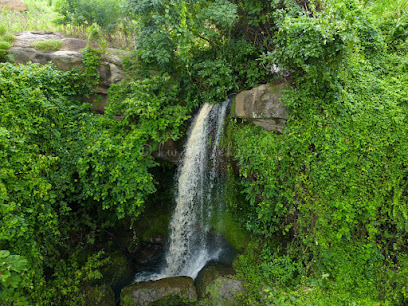
Kyerehi Waterfall is a notable natural feature situated in the Kintampo South District within the Bono East Region of Ghana. As a flowing cascade set amidst Ghana’s woodland and savannah landscapes, it offers travellers a chance to experience the country’s scenic beauty away from the more frequented coastal routes. The site is commonly described as a refreshing escape where visitors can pause to observe the interplay of rock, water and verdant surroundings that characterise this part of Ghana.
What makes Kyerehi Waterfall appealing is its serene setting and the opportunity to enjoy a close-up view of moving water in a relatively peaceful environment. The waterfall creates a natural soundscape that can be relaxing and energising, making it a suitable destination for nature lovers, walkers and those seeking a quiet outdoor excursion. The surrounding area often displays the kind of rustic charm associated with rural Ghana, with opportunities to observe local flora and, depending on the season, perhaps birds and other wildlife that inhabit the region.
When planning a visit, you can expect a straightforward outdoor experience rather than a highly commercial outing. Visitor experiences commonly focus on enjoying the scenery, taking photographs and soaking in the ambience of a pristine waterfall setting. The site lends itself well to a gentle walk in the vicinity, with the emphasis on appreciating nature rather than partaking in highly structured activities. If you have an interest in geoscience or landscape photography, Kyerehi Waterfall can be a rewarding stop as part of a broader exploration of Bono East’s natural landscapes.
Who is Kyerehi Waterfall best for? The location tends to appeal to couples, small groups of friends, and families seeking an uncomplicated day trip in a rural Ghanaian setting. It is also suitable for travellers who enjoy quiet, scenic outdoor spaces and are looking to combine a nature visit with a broader itinerary that includes regional markets, cultural experiences, or rural village life. Visitors should be mindful that facilities at natural sites in the region can be modest, so a prepared approach to packing and planning often enhances the day out.
Practical tips for travellers include wearing comfortable walking shoes, bringing water and light snacks, and protecting yourself from the sun with appropriate clothing or headgear. If you plan to take photos, a camera with a good lens can help capture the waterfall’s ambience and the surrounding foliage. Given the outdoor nature of the site, a small first-aid kit and basic hiking essentials are useful additions to your daypack.
Best time to visit is typically during the wetter months when the water flow tends to be stronger, creating a more impressive cascade and a fuller appearance to the falls. However, this can also bring muddier trails and more humid conditions, so be prepared for seasonal variations. For travellers seeking a calmer experience with a gentler water flow, the dry season can still offer pleasant views and comfortable walking conditions, subject to local weather patterns in any given year.
Getting there usually involves travelling by road from nearby towns or settlements. Local guiding services can enhance the experience by providing contextual information about the landscape, flora and any cultural points of interest in the vicinity. If you have time, coordinating with a local guide or tour operator can help you plan a cohesive day that aligns with your interests and pace.
Safety and etiquette are important considerations. Respect the natural environment by staying on designated paths where available, avoiding litter, and following any instructions from local guides. Always check access rules and water safety guidance before entering the water. If opportunities for swimming or wading exist, confirm that they are permitted and safe at the specific time of your visit. Taking a mindful approach to cultural respect and local communities will contribute to a positive experience for everyone involved.
Kyerehi Waterfall offers a simple yet memorable nature experience within Ghana’s Bono East Region. For travellers seeking a low-key, nature-forward excursion that complements a broader itinerary of regional culture and landscapes, it stands as a worthwhile addition to your Ghanaian travel plans.
Kintampo South District
Bono East Region
Ghana
Sorry, no records were found. Please adjust your search criteria and try again.
Sorry, unable to load the Maps API.
Exploring Kintampo South District: A Guide for Visitors
The Kintampo South District sits in the Bono East Region of Ghana, offering a blend of verdant landscapes, welcoming communities and a relaxed pace that suits travellers seeking authentic experiences. The area is known for its pleasant climate, fertile surroundings and opportunities to connect with local culture, nature and everyday life in the countryside. Visitors can set out to discover scenic river belts, gentle waterfalls, farming villages and markets that showcase regional crafts and flavours.
Tourism in the district revolves around outdoor exploration and cultural immersion. Natural scenery unfolds along rivers and forests where easy walking trails, viewpoints and picnic spots beckon. While exact attractions may vary by season, travellers usually find rewarding experiences in rural settings: tranquil viewpoints at sunset, small agro-tourism enterprises, and community-led tours that provide insight into farming, livelihoods and traditional practices. Guided walks can help you learn about local flora, wildlife and the history of the towns you visit.
Dining in the district centres on simple, hearty Ghanaian cuisine. Expect farm-fresh ingredients, generous portions and flavours that celebrate maize, yams, plantains and fresh vegetables. You may encounter cafés, roadside eateries and local eateries offering dishes such as stews with banku or fufu, grilled fish or chicken, and nourishing soups. When dining out, please be respectful of shared tables and customary greetings, and consider trying a local drink such as a traditional juice or palm-wine where available.
Accommodation options are varied and cater to different budgets. From modest guesthouses to small lodges and countryside retreats, travellers can usually find comfortable, clean rooms and friendly hosts who can help organise short excursions. For a more secluded stay, some establishments offer garden settings or verandahs where you can observe daily village life while relaxing after a day of sightseeing. Booking ahead during peak periods is advisable, but many places can accommodate spontaneous travellers with flexible arrangements.
Entertainment in the district is typically low-key and culture-led, emphasising community events, markets, music and dance in nearby towns. Local gatherings, performances by traditional musicians, and craft fairs provide a sense of place and welcome interaction with residents. If you are fortunate to coincide with a regional festival or market day, you’ll gain a vivid snapshot of everyday Ghanaian hospitality and regional customs.
Practical tips for visitors help ensure a safe and enjoyable stay. Road transport to and within the district is mainly by road; plan your route from major cities such as Kumasi or Techiman, and hire a reputable driver if you are unfamiliar with local roads. Keep valuables secure and be mindful that lighting can be limited after dusk in rural areas. Dress modestly, especially when visiting religious or community sites, and ask for permission before taking photographs of people or their homes. Respect local etiquette—greeting elders first and using polite language enhances interactions and experiences.
Best time to visit tends to be during the dry season when travel is easier and outdoor activities are more comfortable. However, the region’s colours and greenery can be appealing after rains as well, depending on your preferences. Pack light, breathable clothing for daytime warmth, a light jacket for cooler mornings or evenings, and sturdy shoes for walking on uneven paths. Always carry water, use sunscreen, and stay aware of weather and safety advisories when exploring rural areas.
Whether you are drawn by nature, culture or a slow-paced escape, Kintampo South District offers an authentic, friendly Ghanaian experience with opportunities to learn, relax and enjoy the region’s rural charm.