
Sen Ada Tourisme in Communauté rurale de Payar, Senegal – A Brief Guide
Sen Ada Tourisme operates in the rural commune of Payar, within the Koumpentoum Department of Senegal. While specific details about programmes and offerings may vary, the organisation is associated with supporting visitors to experience the local landscape, culture and daily life of this part of the country. The focus is typically on authentic, community-based tourism experiences that highlight the region’s rural character and traditions.
Visitors to Payar can expect a flavour of Senegalese village life, with opportunities to observe farming practices, traditional crafts and meals prepared in local styles. The surrounding environment is characterised by its arid savannah edge and the rhythms of rural communities, offering a slower pace of travel that contrasts with busier urban centres.
Highlights commonly associated with community-focused tourism in similar settings include guided walks or village visits that illuminate local customs, musical or dance expressions, and perhaps visits to nearby markets or natural areas. Experiences tend to be modest in scale, emphasising respectful engagement with residents and a genuine encounter with everyday life in Payar.
What to do during a visit may include: guided village excursions to learn about crops, irrigation practices, and traditional craft techniques; conversations with residents about daily routines, family life and local livelihoods; and sharing meals or refreshments prepared in the regional style. The emphasis is on learning, connection and responsible tourism that benefits the local community.
This destination is best for travellers who value cultural immersion, simplicity, and a hands-on sense of place. It is well-suited to those who prefer modest facilities and a closer look at rural Senegalese life over more tourist-oriented, large-scale facilities.
Practical tips
- Respect local customs and ask before taking photographs of people or private activities.
- Dress modestly and comfortably for warm days and cooler evenings; lightweight layers are useful in the dry season.
- Bring sunscreen, a hat and insect repellent where appropriate, especially if you will be outdoors for extended periods.
- Carry cash in small denominations for modest purchases or tips, since card facilities may be limited.
- Support local hosts by participating in activities and purchasing local products where appropriate.
Best time to visit
Senegal experiences a tropical climate with a distinct dry and wet season. The most comfortable periods for rural excursions are typically during the dry season when temperatures are more moderate and rainfall is low. For those seeking cooler mornings and pleasant daytime warmth, late autumn and winter months can be advantageous. Always check local conditions and plan for hot daytime periods if visiting during the hotter months.
Getting there
Payar lies within the Koumpentoum Department in Senegal. The most practical approach is to travel from larger towns or regional hubs by road, using local transport options to reach the Communauté rurale de Payar. If you are organising a guided visit, your host or tour operator can provide direction, timing and logistical details tailored to your itinerary.
Safety and etiquette
As with all rural-community visits, it is important to travel with courtesy and sensitivity. Follow the guidance of your host, stay on permitted paths, and minimise disruption to daily life. Be mindful of personal belongings and water usage, and dispose of rubbish responsibly. Engaging calmly and respectfully with residents helps promote positive, sustainable experiences for both visitors and the community.
Who this is for
This destination is well suited to travellers who are curious about everyday life in Senegal and who prefer immersive, low-key experiences over high-intensity tourism. It appeals to those who enjoy cultural exchange, nature-based activities, and a slower travel pace that supports local livelihoods.
What to expect from the experience
Expect friendly hospitality and opportunities to learn about local ways of life through guided, community-led activities. The experience emphasises authenticity, respect for local traditions, and sustainable tourism practices that aim to benefit the community of Payar.
Note: Specific programmes, timings, prices or awards are not detailed here. For the most accurate and current information, contacting local providers or the official organisation directly is advisable before planning your trip.
Département de Koumpentoum
Senegal
Sorry, no records were found. Please adjust your search criteria and try again.
Sorry, unable to load the Maps API.
Discover Payar: A Rural Senegalese Gem
Tourism
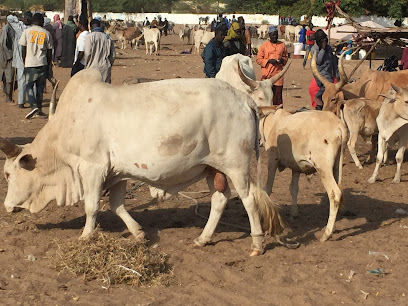
Payar offers a welcoming rural experience centred on traditional Senegalese life, vast skies and open landscapes. Visitors can explore the surrounding plains, observe daily market routines, and gain insight into agricultural rhythms that shape the region. The area is best experienced at a relaxed pace, with opportunities to walk along small paths, meet local families and learn about local crafts and farming methods. Activities tend to be seasonal, so travellers are encouraged to align visits with agricultural cycles or community events for a richer encounter.
Dining
Dining in Payar is a chance to taste home-cooked meals prepared with locally grown ingredients. Expect simple, hearty fare that reflects regional flavours and practices. Rural eateries and guesthouse kitchens often serve dishes based on maize, millet, rice and seasonal vegetables, complemented by traditional stews and fish when available. For a respectful experience, ask about shared meals or special dietary needs ahead of time, and enjoy the slower pace of dining that accompanies rural hospitality.
Accommodation
Accommodation in and around Payar ranges from modest guesthouses to family-run lodgings that prioritise comfort and practicality. Rooms are typically clean and straightforward, offering a restful base for excursions into the countryside. Many options provide basic facilities, countryside views, and a chance to engage with hosts about local customs and places to visit. Booking ahead is sensible during peak agricultural periods or local events, but drop-in stays lodged through community guesthouses can also be possible, subject to availability.
Entertainment
Entertainment is closely tied to community life. Evenings may feature informal gatherings, music, storytelling and communal meals, offering a glimpse into traditional Senegalese socialising. For a more active night, check whether your hosts organise cultural evenings or village celebrations. Educational and nature-focused activities, such as learning about local wildlife or farming practices, provide a meaningful complement to more typical leisure options.
Tourist Attractions
Popular draws include scenic rural landscapes, viewpoints over broad horizons, and agricultural attractions where visitors can observe farming techniques and irrigation practices. Nearby villages may offer craft demonstrations and small markets selling handmade goods. While the landscape is the main attraction, engaging with local guides can reveal little-known spots and folklore associated with the region. Always approach attractions with respect for local customs and permission from hosts when visiting private or community spaces.
Best Time to Visit
The region experiences a warm, tropical climate with a distinct dry season and a wet season. The dry season typically offers pleasant daytime temperatures and clear skies—a good time for outdoor exploration. The wet season brings lush scenery but periodic rain may affect travel plans. Consider visiting during community events or harvest periods to enhance cultural experiences, and plan for shade, hydration and sun protection at all times.
Practical Tips
- Transport: Local transport is often informal; plan routes with hosts or guides where possible. For longer trips, arrange reliable arrangements in advance and carry a map or directions.
- Safety: Stay aware of your surroundings, keep valuables secure, and follow local advice about safe areas to visit, especially after dark.
- Etiquette: Dress modestly, ask before taking photographs of people or private spaces, and listen to hosts’ guidance on social norms and greetings.
- Connectivity: Expect limited mobile coverage in rural areas; enjoy the slower pace and use offline maps where feasible.
- Health & Comfort: Carry water, wear sun protection, and have light clothing and a hat. Bring basic medications and any personal needs, as facilities may be basic outside main towns.