
Mai Jah Jah, Asmara – A Quiet Corner of Eritrea
Mai Jah Jah is a well-loved part of Asmara, the capital city of Eritrea. Known for its relaxed street atmosphere and sense of daily life, this area offers a gentle introduction to the city beyond its more famous landmarks. Visitors often describe Mai Jah Jah as a place to observe local routines, enjoy a café stop and take in some of the city’s distinctive architecture, all at a comfortable pace.
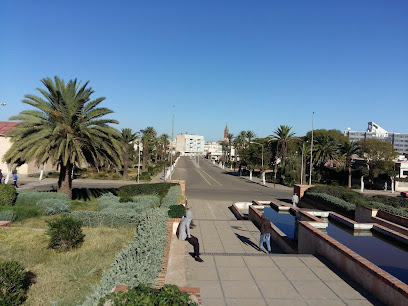
What it is: Mai Jah Jah is best understood as a neighbourhood where residents go about their day and visitors can experience an unhurried side of Asmara. The area sits amidst the city’s network of tree-lined avenues and Art Deco façades, providing a setting that combines light urban buzz with pockets of calm. There are no fixed tourist attractions within Mai Jah Jah per se, but its charm lies in its characterful streets, small shops, and the chance to glimpse Eritrean urban life as it unfolds.
Highlights you may encounter include:
- Photographic opportunities of the local streets, architecture and everyday scenes
- Casual cafe stops where you can try simple, locally produced beverages and snacks
- Quiet streets ideal for a relaxed walk or a slow, reflective stroll
- Nearby access to other historic or notable parts of Asmara via short taxi rides or walks
What to do: Plan a gentle wander through the district to soak up the atmosphere at your own pace. Stop for a coffee or tea in a street-front cafe, take in the rhythm of daily life, and admire the distinctive building styles that give Asmara its recognised character. If you are interested in architecture, use Mai Jah Jah as a starting point for broader exploration of the area, then branch out to adjacent streets and plazas as time allows.
Who it’s best for: Mai Jah Jah suits travellers seeking a tranquil, authentic glimpse of Asmara beyond curated attractions. It is well suited to those who enjoy slow travel, photography, and people-watching, as well as visitors with an interest in urban history and architecture. Families, couples, and solo travellers who appreciate a laid-back, safe neighbourhood atmosphere will likely feel comfortable here.
Practical tips:
- Dress modestly and comfortably for warm weather; light, breathable clothing is advisable
- Carry a water bottle and protect yourself from the sun with a hat and sunscreen
- Respect local customs and observe local etiquette when engaging with residents
- Ask for directions kindly if you plan to visit nearby areas or landmarks
- Keep valuables secure and be mindful of your belongings in busy streets
Best time to visit: Asmara enjoys a mild climate compared with many other parts of the region. The cooler months from November to February are particularly pleasant for street-level exploration, with comfortable temperatures and clear skies. Later in the year, conditions can be warmer; plan outdoor activities for the cooler parts of the day and stay hydrated.
Getting there: Mai Jah Jah is part of central Asmara, so it is most easily reached on foot from nearby neighbourhoods or by local transport. Taxis are widely available and provide a straightforward way to move between different parts of the city. If you are staying in central Asmara, you can usually reach Mai Jah Jah with a short, pleasant walk or a brief ride.
Safety and etiquette: As with any urban area, exercise ordinary caution and be aware of your surroundings. Eritrea is generally peaceful and welcoming to visitors; however, a respectful, low-key attitude will help you engage positively with local people. When taking photographs, especially of people, seek consent where appropriate and avoid intrusive shots of private homes or personnel in sensitive situations.
In summary, Mai Jah Jah offers a gentle, authentic slice of Asmara life. It is not about grand monuments or grandiose claims, but about soaking up the city’s quiet charm and architectural character at a comfortable pace. For travellers who value relaxed pacing, modest scenery, and an opportunity to observe everyday Eritrean life, Mai Jah Jah can be a quietly rewarding part of an Asmara itinerary.
Asmara
Maekel Region
Eritrea
Sorry, no records were found. Please adjust your search criteria and try again.
Sorry, unable to load the Maps API.
Asmara: A Guide to Tourism in the Maekel Region
Asmara, the capital city of Eritrea, sits high on the central plateau in the Maekel Region. It offers a distinctive blend of Art Deco architecture, warm hospitality and a laid‑back atmosphere that makes it rewarding for curious travellers. This guide highlights what you can see and do, where to dine, where to stay, and practical tips to help you plan a memorable visit.
Tourism and Attractions
Strolling through Asmara reveals a city of graceful avenues, shaded by jacaranda trees and lined with well‑preserved colonial-era buildings. You can admire the elegant façades, church spires and orderly streets that give the city its character. In the centre, broad squares and leafy promenades are pleasant for a relaxed wander, and you’ll often encounter friendly locals sharing conversations in coffee houses.
Key highlights include historic churches and architectural ensembles that reflect Eritrea’s diverse past. Art Deco hints mingle with Italianate details, offering ample photo opportunities for architecture enthusiasts. For visitors who enjoy culture, informal architectural walks or guided tours can help you appreciate the stories behind the façades.
Nearby, you might arrange day trips or short excursions to surrounding areas to experience Eritrean countryside, markets and traditional villages. Engage with local guides to learn about craftsmanship, markets and everyday life beyond the city centre. If you enjoy photography, early mornings and late afternoons provide the best light for capturing Asmara’s streets and landmarks.
Dining
Asmara’s dining scene centres on warm Eritrean hospitality and a mix of flavours influenced by nearby cuisines. Expect tasty, home‑style dishes that emphasise fresh ingredients. You’ll find options ranging from modest cafes serving coffee and light bites to more substantial venues offering a flavourful spread of staples. Traditional injera, stews and grilled items are commonly enjoyed with friends and family, often accompanied by rich coffee. While choices can be simple, the emphasis is on generous portions and friendly service.
Accommodation
For travellers, there are several options in Asmara, spanning modest guesthouses to comfortable, mid‑range hotels. Amenities tend to focus on clean, dependable rooms and a quiet environment rather than high‑end luxury. When booking, consider proximity to the city centre, accessibility for exploring on foot, and the availability of reliable water and power services. It is wise to confirm facilities in advance and to expect a warm, personal approach from hosts and staff.
Entertainment
Evenings in Asmara are typically relaxed and sociable. You may find small gatherings in cafes or public spaces where people chat, share music and enjoy companionship. While nighttime entertainment may be more low‑key compared with larger capitals, the city’s cafés and informal venues offer opportunities to experience local hospitality and enjoy a peaceful night out after a day of sightseeing.
Best Time to Visit
The dry season and cooler months are generally considered the most pleasant for sightseeing and outdoor activities. The climate is milder at higher elevations, so mornings and evenings can be comfortable, while daytime temperatures may rise. Plan outdoor activities when the sun isn’t at its peak and always carry water, sun protection and a light layer for cooler evenings.
Practical Tips
- Transport: Arrive via Asmara’s airport if possible; within the city, walking is enjoyable in the centre, and taxis are commonly used for longer trips. Agree fares in advance where possible.
- Safety: Exercise normal travel caution, be respectful of local customs and avoid displaying valuables in crowded areas.
- Etiquette: Dress modestly, especially in religious sites and traditional neighbourhoods. A polite and friendly approach goes a long way in conversations with locals.
- Visas and permits: Check current entry requirements well before travel. Carry a valid passport and any necessary travel documents, and be mindful of local regulations for photography.
Asmara offers a warm introduction to Eritrea’s culture, history and hospitality. With thoughtful planning, you can enjoy its distinctive charm, savour its flavours and return with lasting memories of a city that blends heritage with a calm, welcoming ambiance.