
Jaj Cedars Nature Reserve – A Guide
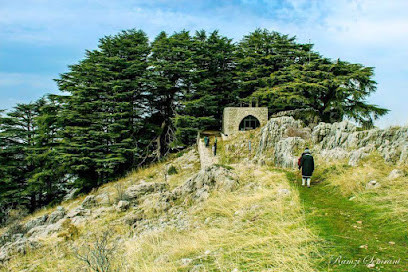
Situated near the village of Jaj in the Keserwan-Jbeil Governorate, Jaj Cedars Nature Reserve is a protected area set within Lebanon’s rugged mountainous terrain. The reserve offers a tranquil retreat for visitors who wish to experience Lebanon’s natural landscapes and, in particular, its emblematic cedar trees. The site is described by locals and visitors as a place where woodland and hillside scenery combine to create a peaceful environment that feels close to nature.
Highlights of a visit typically centre on the forested slopes, the sense of elevation, and the chance to observe local flora and the landscape from vantage points that overlook the surrounding countryside. The reserve is commonly described as a place for gentle exploration rather than large-scale outdoor adventure. As a destination, it lends itself to a reflective stroll, family-friendly walks, and moments of quiet appreciation for the cedar woodland and the seasonal changes in colour and light.
What you can expect on a visit depends on the day and the weather, but common themes include a serene atmosphere, the opportunity to walk on established paths, and peaceful views across pine- and cedar-covered hills. Visitors often remark on how the experience feels authentic and unpretentious, without heavy commercialisation, making it a good choice if you are looking to escape busier tourist hubs and spend time in nature.
What to do
- Take a gentle walk along designated trails to enjoy woodland scenery and elevated views.
- Pause at viewpoints to absorb the surrounding landscape and the quiet rhythm of the mountains.
- Enjoy a picnic in appropriate areas, if permitted, and take in the fresh mountain air.
- Observe seasonal changes in foliage and the interplay of light through the trees.
- Photograph the cedar woodland and the natural textures of the landscape.
Who it’s best for
The reserve suits travellers who are seeking a calmer, nature-forward experience. It is particularly suitable for hikers taking easier or intermediate walks, families enjoying an outdoor day out, and anyone wanting to stretch their legs in a scenic mountain setting. Because the site emphasises natural serenity over extensive facilities, it tends to appeal to visitors who appreciate a straightforward nature visit with minimal distractions.
Practical tips
- Wear sturdy footwear suitable for uneven paths and variable ground conditions.
- Bring water and light snacks, especially if you plan to walk for a while or stay for an extended soak in the surroundings.
- Check the weather forecast beforehand, as conditions can change quickly in higher elevations.
- Respect the environment: stay on marked paths, do not disturb wildlife, and take all rubbish with you where facilities are limited.
- Keep noise to a considerate level to preserve the tranquillity for other visitors and wildlife.
- Plan a flexible itinerary to accommodate changing weather or footing on the trails.
Best time to visit
Due to Lebanon’s varied climate, the reserve can be enjoyable across different seasons. Late spring and early autumn often offer pleasant temperatures for walking and notebook-worthy views, while the winter period may bring cooler conditions and the possibility of snow at higher elevations. Summer visits can be warm, so timing your walk to cooler parts of the day may enhance comfort.
Getting there
The reserve lies near Jaj in the Keserwan-Jbeil region, with access typically via local roads from the village. If you are visiting from Beirut or other parts of Lebanon, plan your route ahead of time and allow extra travel time for mountain road driving. Local directions, signage, and gate openings can vary, so consulting a current map or asking locals upon arrival is advisable.
Safety and etiquette
As with many natural areas, basic safety and etiquette go a long way here. Stay on marked paths, heed any posted guidance, and be mindful of weather-related hazards on higher ground. If you are visiting with children, keep them close and explain the importance of looking after the environment. Leave no trace by carrying out what you bring in and avoiding leaving items or litter behind. If the site has staff or rangers on site, follow their directions and respect restricted zones for your safety and conservation goals.
Jaj Cedars Nature Reserve offers a straightforward, low-key way to connect with Lebanon’s mountain landscapes and cedar woodland. It is a place to slow down, listen to the wind through the trees, and enjoy the simple beauty of the region’s natural heritage.
Jaj
Keserwan-Jbeil Governorate
Lebanon
Sorry, no records were found. Please adjust your search criteria and try again.
Sorry, unable to load the Maps API.
Discover Jaj: A Rustic Corner of Keserwan-Jbeil
Nestled in the Keserwan-Jbeil Governorate, the village of Jaj offers a peaceful retreat from busier Lebanese hotspots. Surrounded by green hills, citrus groves and traditional houses, Jaj is a gateway to outdoor adventures, historic sites and delicious Lebanese dining. Whether you are tracing your family heritage, seeking a scenic break or simply enjoying local hospitality, Jaj provides a rewarding perspective on rural Lebanon while remaining within reach of coast and mountains.
Tourism
Visitors to Jaj can wander quiet lanes, admire stone architecture and enjoy panoramic views across the foothills. The area is ideal for day walks, picnics and photography, with nearby towns offering additional cultural experiences. From Jaj, day trips to the coast and to mountain viewpoints are straightforward, giving you flexibility to tailor your itinerary. Consider combining a village stroll with a visit to historical churches, countryside markets, and small cafés where you can sample regional flavours.
Dining
Local dining in and around Jaj emphasises fresh, seasonal ingredients. Expect rustic Lebanese fare such as mezze, grilled meats, fresh bread and locally made cheeses. Smaller guesthouses or family-run eateries often serve warm, straightforward meals prepared with care. For a broader choice, the surrounding area features neighbouring towns with more cafés and restaurants, including options that specialise in seafood along the coast and mountain-inspired dishes inland.
Accommodation
Accommodation near Jaj ranges from simple guesthouses and rural inns to boutique stays in nearby villages. For visitors seeking tranquillity, rural guesthouses offer an authentic experience of Lebanese hospitality and daily village life. If you prefer more extensive facilities or urban convenience, consider staying in coastal towns within a short drive, where a wider range of hotels, guesthouses and short-term rentals may be available.
Entertainment
Entertainment in Jaj is typically low-key and community-based, focusing on conversation, local music, and seasonal events. In peak travel periods, small cultural gatherings or village fêtes may happen, providing insight into local traditions. For nightlife or more curated entertainment, neighbouring towns along the coast or the capital region offer a wider selection of venues, including bars, music venues and theatres, usually with reverence for local customs and etiquette.
Tourist Attractions
Top nearby attractions include historic religious sites, scenic viewpoints and natural wonders within easy reach of Jaj. A day trip to the coast offers a contrast of sea air and ancient port towns, while venturing into the mountains reveals terraced landscapes and higher altitude vistas. Notable excursions nearby include famous grottoes, ancient ruins and hillside viewpoints that are popular with hikers and photographers. Always check local information for opening times and access conditions, as some sites may have seasonal variations or limited hours.
Best Time to Visit
Spring (April to June) and autumn (September to November) are ideal for comfortable temperatures, outdoor exploration and outdoor dining. Summers can be warm and humid, particularly inland, while winter visits may be rainy and cooler. Plan outdoor activities for the cooler parts of the day and pack comfortable footwear, sun protection and a light layer for cooler evenings.
Practical Tips
- Transport: The most convenient way to reach Jaj is by car from Beirut or coastal towns. Local taxis and private drivers are commonly used for day trips; inquire about return arrangements beforehand.
- Safety and etiquette: Dress modestly when visiting religious sites and rural communities. Respect local customs, ask before taking photographs of people, and keep noise and crowds courteous in residential areas.
- Connectivity: Mobile coverage is generally available, but data speeds may vary. It’s wise to have a map or offline directions for longer drives in rural parts.
- Money: Cash is widely used in small establishments. Have some Lebanese pounds handy, and be aware that card acceptance varies by venue.
- Weather: Weather can change quickly in the hills. Bring a light waterproof jacket and suitable footwear for uneven paths.