
Ethnographic Museum, Ngoma – a guide
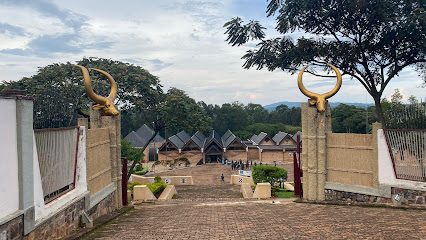
The Ethnographic Museum in Ngoma is part of Rwanda’s national heritage framework, designed to preserve and present the country’s rich cultural legacy. It sits within the broader network of Ingoro ndangamurage (heritage houses) that showcase tangible and intangible aspects of Rwanda’s history, language and customs. Visitors can expect an informative overview of traditional life and the enduring practices that shape the country’s cultural identity.
What you’ll see and highlights to look for include displays and artefacts that reflect everyday life, social structures, artistic expression and historical milestones. The museum forms part of a countrywide effort to collect, conserve and publicise objects and narratives from Rwanda’s past, offering tangible connections to the way people once lived, worked and celebrated. While specific galleries and items may vary, the emphasis remains on presenting a holistic picture of Rwandan culture, from craftsmanship and social organisation to ceremonial practices and everyday materials.
The site is linked to Rwanda’s broader heritage institutions, which work to researchers and the public alike. In addition to static exhibits, the museums in the national network frequently host talks, workshops and cultural programmes that illuminate diverse facets of Rwanda’s heritage. If you’re travelling with family, friends or a cultural interest, you’ll likely find opportunities to engage with stories and contexts that explain how language, custom and history intersect in daily life.
Who it is best for: culture enthusiasts, students, families and anyone curious about Rwanda’s traditions and how they have shaped contemporary life. The museum’s focus on people, practices and material culture makes it a meaningful stop for visitors seeking context beyond a single historical moment. It also complements other heritage sites in the region, offering a complementary perspective on the country’s past and present.
Practical tips
- Check latest opening hours and any guided-tour options on the official heritage site before you visit.
- Allow a couple of hours to explore at a comfortable pace, with time to read captions and reflect on exhibits.
- Bring a note of any accessibility needs in advance to ensure smooth arrangements on arrival.
- Wear respectful clothing and observe etiquette when engaging with exhibits or staff.
- Keep children engaged with questions about daily life in historical contexts and compare with present-day practices.
Best time to visit
To maximise enjoyment, consider visiting during daylight hours when natural light can enhance the viewing experience of displays. If you’re combining the museum visit with other cultural or historical stops in the area, plan a day that allows for a relaxed pace and time to absorb the surroundings and local ambience.
Getting there
The museum is part of Rwanda’s network of national heritage sites, with access generally coordinated through regional transport hubs and main routes within the Southern Province. For the smoothest experience, confirm directions and transport options with the site or your accommodation ahead of time, particularly if you are travelling from Kigali or nearby towns. Public transport, taxis and organised tours are common ways to reach heritage sites in the region.
Safety and etiquette
As with visits to cultural institutions, follow staff guidance, stay with your group, and handle exhibits with care where permitted. Photography policies may vary by gallery or exhibit, so look out for signs or ask staff if you wish to take photos. Respect local customs and be mindful of quiet spaces where discussions or ceremonies may be occurring nearby.
What to do during your visit
Engage with the narratives on show by reading captions and, if available, listening to audio guides or participating in any scheduled talks. Consider taking notes or sketching impressions to reflect on how traditional life shapes modern cultural expressions in Rwanda. If the museum offers workshops or demonstrations, these can provide hands-on insight into crafts, techniques or social practices that underpin Rwanda’s intangible heritage.
Summary
The Ethnographic Museum in Ngoma offers a meaningful lens into Rwanda’s cultural history, emphasising everyday life, artistry and social structures that have shaped the nation. While exhibits may highlight different facets over time, the core aim remains: to preserve, interpret and share the country’s heritage with visitors from around the world. It is a worthwhile stop for anyone keen to deepen their understanding of Rwanda’s past, present and enduring cultural values.
Ngoma
Southern Province
Rwanda
Sorry, no records were found. Please adjust your search criteria and try again.
Sorry, unable to load the Maps API.
Ngoma: A Guide to Tourism in Southern Province, Rwanda
Nestled in Rwanda’s Southern Province, Ngoma offers a quiet, authentic experience of the country’s warm hospitality and diverse landscapes. Visitors arrive for a combination of rural charm, serene surroundings and easy access to wider regional attractions. The area is characterised by rolling hills, tea plantations and vibrant local communities that welcome travellers with smiles and a chance to learn about traditional ways of life.
Tourism
Ngoma is best explored at a relaxed pace. Stroll along quiet country lanes, visit small markets and engage with local guides who can illuminate farming practices, local crafts and everyday life. For nature lovers, the region provides opportunities to observe birdlife and enjoy tranquil viewpoints overlooking the surrounding countryside. Day trips can be organised to nearby natural areas and reserves within a reasonable journey, offering a glimpse of Rwanda’s diverse ecosystems without the bustle of larger tourist hubs.
Dining
Dining in Ngoma centres on warm, family-run eateries and modest guesthouses where you can sample traditional Rwandan dishes alongside simple international options. Expect dishes based on staples such as grains, legumes and fresh vegetables, sometimes featuring fresh, locally sourced ingredients. It’s a good idea to ask for the day’s specialities, as chefs often prepare regional favourites. For a flavourful experience, try a casual local meal with friends or family and enjoy the sociable dining atmosphere that characterises much of the country’s hospitality.
Accommodation
Accommodation around Ngoma ranges from comfortable guesthouses to small lodges and eco-friendly retreats. Many options emphasise a personalised, intimate stay with hosts who can offer practical tips for exploring the surrounding area. Facilities are typically modest but clean, with consideration given to quiet spaces, outdoor seating and easy access to local attractions. Booking in advance is advisable during peak travel periods, but there are often flexible options for shorter stays.
Entertainment
Entertainment in and near Ngoma tends to be low-key and community-focused. Expect evenings spent chatting with locals, enjoying traditional songs or music performances at guesthouses, and informal gatherings where you can learn about regional customs. For a broader cultural experience, ask hosts about any local events or seasonal celebrations, which can provide memorable insights into daily life and rites of passage in rural Rwanda.
Tourist Attractions
The area’s natural beauty is its principal attraction. Visitors can enjoy scenic viewpoints, peaceful walks and opportunities to observe agricultural life up close. For those seeking a broader itinerary, the Southern Province offers additional natural and cultural experiences within reasonably short travel times, including nearby towns and landscapes that illustrate Rwanda’s countryside heritage. While specifics may vary, the emphasis remains on responsible exploration, respectful encounters with residents and sustainable travel practices.
Best Time to Visit
The country experiences both wet and dry seasons. The dry seasons, typically in the favour of travellers, are ideal for outdoor activities and straightforward travel planning. The shoulder periods also offer pleasant weather with fewer crowds. Consider your plans for outdoor excursions, community visits and accommodation availability when choosing your dates.
Practical Tips
- Transport: Private transfers, local taxis and organised tours are commonly used. Roads can be rural and uneven, so plan for slower travel times and carry a basic map or local contact details.
- Safety: Stay aware of your surroundings, keep valuables secure and follow guidance from hosts or guides. It is advisable to respect local customs and dress modestly when visiting villages or places of worship.
- Etiquette: A greet in Kinyarwanda or a polite English greeting is appreciated. Ask before photographing people or private homes, and always seek permission when entering private spaces.
- Health: Stay hydrated, use sunscreen and carry a small first aid kit. Check any required or recommended vaccinations ahead of your trip.
- Money: Cash in local currency is commonly used in rural areas. Have a small amount of cash for markets and eateries, with card facilities more likely available in larger towns or guesthouses.
Ngoma provides a approachable, authentic chapter of Rwanda’s rich tapestry of travel experiences. With friendly hosts, scenic surroundings and a relaxed pace, it is well suited to visitors seeking meaningful moments away from larger tourist corridors.