
Komfo Anokye Sword Site, Kumasi
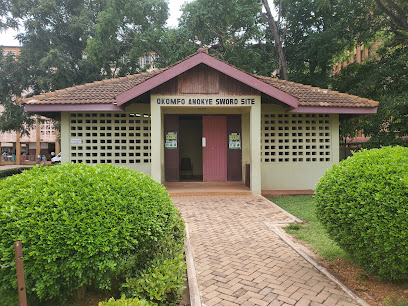
The Komfo Anokye Sword Site in Kumasi, in the Ashanti Region of Ghana, is a place of cultural significance and historical mystery. Visitors Nationally and internationally come to ponder the legendary tale of the sacred sword believed to be buried in the ground, symbolising the unyielding strength of Ashanti sovereignty. The site forms part of a broader cultural landscape in Kumasi, where histories, traditions and legends intertwine with daily life in the city centre.
What you’ll see and feel here is less a single museum experience and more a connection with Ghanaian heritage. The central feature is the legendary golden sword, traditionally said to be planted into the ground by a royal priest in the early days of Ashanti power. The story, passed down through generations, remains a powerful reminder of leadership, unity and the enduring spirit of the Ashanti people. The surrounding grounds and the nearby temples and monuments offer spaces for reflection and a chance to observe local customs in action during festive periods or religious observances.
Highlights often mentioned by visitors include the sense of place created by the surrounding scenery and the way local guides and storytellers share the legends in a way that feels rooted in community memory. For many guests, the experience is as much about the ambience and the tradition as it is about the historical narrative. The site provides an accessible introduction to Ashanti history and to broader themes within Ghanaian cultural life, including reverence for ancestors, leadership, and civic pride.
What to do during your visit varies with the day and the season. Many visitors choose to walk the grounds at a gentle pace, taking in nearby ceremonial areas and sculptures that reflect the region’s artistic styles. Some travellers enjoy listening to local guides as they recount myths and explain the significance of the sword within Ashanti traditions. If you are visiting on a market day or during a cultural event, you may encounter a more animated atmosphere with music, dance and local storytelling, which can enrich your understanding of the site’s living heritage.
This site is best for travellers who are curious about West African history, royal traditions, and the ways communities preserve their legends. It is suitable for families with older children, students of history and anthropology, and anyone seeking a contemplative stop that complements a broader exploration of Kumasi and the Ashanti Region. While not a large museum, the site offers a compact, culturally dense experience that pairs well with visits to nearby cultural centres, markets and historic streets in Kumasi.
Practical tips
- Plan a morning or late afternoon visit to avoid the hottest part of the day and to enjoy softer light for photography.
- Wear comfortable shoes for walking on outdoor surfaces; the terrain can be uneven in places.
- Respect local customs and be mindful when engaging with guides or participants during ceremonies or storytelling.
- Bring water and a light layer, as temperatures can vary through the day.
- Check opening times locally and be prepared for informal arrangements, as access can depend on community activities or events.
Best time to visit
To experience the site at its most atmospheric, visit during the cooler hours of the day or in the late afternoon. If you are seeking a festival atmosphere or additional live performances, align your trip with local cultural calendars, but do note that these events can draw larger crowds and may affect accessibility and parking.
Getting there
The site is in Kumasi, a hub in the Ashanti Region. Most visitors reach Kumasi by bus or car from Accra or other major towns in Ghana, and from Kumasi you can arrange local transport to the sacred site. For visitors staying in central Kumasi, ask your hotel or a local information centre about the best routes and current travel conditions. Public transport options exist, but schedules and accessibility can vary, so allowing extra time for travel is wise.
Safety and etiquette
As with any cultural site, allow space for ceremony-related activities and follow the guidance of local stewards or guides. Keep noise to respectful levels during storytelling or when people are praying or meditating. Do not remove artefacts or touch symbolic objects without permission. Manage your belongings wisely, especially in busy periods near market areas or during events. If you are not sure about etiquette, a courteous enquiry to a guide or local person can help you gestures and greetings that are appropriate at the site.
The Komfo Anokye Sword Site offers a concise glimpse into Ashanti history and a window into the living culture of Kumasi. Whether you are a history buff, a student of culture, or a curious traveller, the site provides a meaningful stop that complements a broader exploration of Ghana’s vibrant capital of the Ashanti Kingdom.
Kumasi
Ashanti Region
Ghana
Sorry, no records were found. Please adjust your search criteria and try again.
Sorry, unable to load the Maps API.
Kumasi Guide: Tourism, Dining, Accommodation, Entertainment & Attractions
Kumasi, the vibrant capital of the Ashanti Region in Ghana, offers a rich tapestry of culture, history and modern city life. Visitors are drawn to its warm hospitality, bustling markets and nearby natural and historical sights. The city is a good base for exploring Ghana’s south‑central geography, with easy access to cultural centres, craft villages and day trips to surrounding landscapes.
Tourism
Begin with a stroll through busy markets where crafts, kente cloth and carved ancestral figures are traded. The city provides a gateway to Ashanti heritage, including traditional rites, music and dance. Guided tours can illuminate the symbolism of artefacts, the role of the Ashanti king’s palace, and the region’s famous history of gold mining and trade. For nature lovers, several nearby reserves and parks offer gentle trails and birdwatching opportunities. It is common to combine a city tour with a visit to a nearby reserve, village workshop or cultural centre to gain a fuller sense of the area’s traditions.
Dining
Dining in Kumasi varies from modest street-food stalls to modestly upscale eateries. Expect hearty dishes featuring staples such as fufu, banku and tilapia, often accompanied by spicy stews. Local eateries are friendly and informal; try a casual meal to experience authentic flavours. For a more relaxed experience, cafés and restaurants in central districts offer light meals, fresh fruit and beverages. When dining out, it is customary to greet staff warmly and allow a little time for service during busy periods.
Accommodation
Options range from mid‑budget hotels to boutique guesthouses in convenient neighbourhoods. Many incumbents prioritise clean rooms, friendly service and proximity to markets and transport links. For a quieter stay, consider guesthouses located a short taxi ride from the city centre, which can offer welcome respite after a busy day of sightseeing. When booking, verify air conditioning, security and hot water facilities, and confirm inclusive breakfast and parking arrangements where relevant.
Entertainment
Evening entertainment often centres on cultural performances, music venues and lively markets that glow after dusk. Live drum and dance displays may be offered at cultural centres or hotels, providing a colourful glimpse into Ashanti artistry. In quieter evenings, many visitors enjoy a stroll in bustling streets, sampling snacks or engaging with locals in safe, well‑lit areas. Respect for performers and participants helps ensure a positive experience for everyone.
Tourist Attractions
Key attractions include cultural landmarks, artisan markets and scenic spots within a short distance of the city. Visitors frequently explore historic sites, crafts villages and nearby parks for day trips. Your itinerary might combine a city walk with an excursion to a traditional workshop or natural reserve to appreciate both the heritage and landscape of the region. Operators and guides can tailor visits to fit interests, whether you seek photography opportunities, architectural insight or a relaxed cultural immersion.
Best Time to Visit & Practical Tips
The climate in Kumasi is typically warm and tropical. The dry season is popular for outdoor activities, while the rainy season may bring brief showers and lush greenery. Plan mornings or late afternoons for outdoor sightseeing during hotter periods, and carry water, sunscreen and a hat. Local transport is readily available, with taxis and shared vans common in city routes. Agree fares in advance where possible, or ensure meters are used. Safety is generally good in busy areas, but standard precautions apply: guard valuables, travel in daylight where feasible and stay in well‑lit, reputable areas after dark. Etiquette favours politeness, modest dress and a respectful attitude towards local customs and dress codes when visiting religious or ceremonial sites.
With friendly people, a rich cultural backdrop and convenient access to attractions, Kumasi offers a balanced and engaging stay for curious travellers. Planning ahead for transport, accommodation and a flexible itinerary will help you make the most of your visit to this dynamic city in the Ashanti Region.