
Porte Bab Er Robb – Marrakesh, Morocco
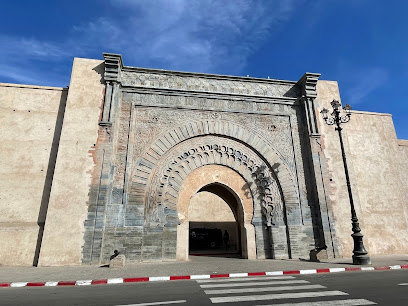
Porte Bab Er Robb is one of the historic gateways that punctuate the walls surrounding Marrakesh’s old medina. Traditionally a city entrance, it forms part of the dramatic, lived-in perimeter that anchors the bustling action of the souks, yammering with markets, cafés, and storytellers. While it may not be as famous as some other monuments, it is a meaningful touchstone for visitors exploring the heart of the old town and stepping back into the city’s medieval atmosphere.
What it is. The gateway stands as a practical, architectural reminder of Marrakesh’s fortified past. From a visitor’s vantage, Porte Bab Er Robb offers a sense of scale and a moment to pause amid the day’s rhythm of street life. Its position near key routes into the medina makes it a logical starting or turning point for a stroll through narrow lanes, bustling squares, and hidden courtyards. The surrounding streets are a tapestry of colour, texture and sounds, illustrating why Marrakesh’s old town remains a magnet for travellers seeking immersion in Moroccan street life.
Highlights. The appeal lies in atmosphere rather than grand embellishment. Expect a modest, historic gate framed by the activity of the neighbourhood. The surrounding district often features a mix of traditional shops, spice sellers, cafe terraces and foot traffic that reflects daily Moroccan life. For those who enjoy wandering at a gentle pace, the area around Porte Bab Er Robb offers a sense of discovery, where every corner could reveal a small detail – a doorway carved in cedar, a tiled frieze, or a horse-drawn cart moving through the bustle.
What to do. When visiting, consider a relaxed approach rather than a formal itinerary. Begin with a stroll through the gateways and adjacent lanes, taking in the textures, scents and sounds of the medina. Look for local crafts, sample a light mint tea, and observe shopkeepers preparing remedies, spices, and textiles. If you are nearby for a short time, use Porte Bab Er Robb as a waypoint to reach nearby souks and historic sites on foot, allowing your route to unfold with spontaneous discoveries. It’s a good spot to pause, watch the ebb and flow of street life, and to capture photographs that convey Marrakesh’s energy without focusing solely on monumental landmarks.
Who it’s best for. Porte Bab Er Robb suits travellers who enjoy slow, atmospheric exploration and who are curious about everyday life within the medina. It is an excellent starting point for those seeking to understand Marrakesh’s city walls and gates as living components of the urban fabric. Families, independent travellers, and couples wanting to immerse themselves in local ambience will find the area approachable and engaging, provided visitors remain mindful of the crowd and pickpocket risks common to busy market streets.
Practical tips. Here are practical pointers to make the most of your visit:
- Wear comfortable footwear suitable for uneven historic streets and gentle climbs.
- Carry water and sun protection, particularly during warmer months, and plan shade breaks during peak sun.
- Respect local customs and dress modestly when wandering through residential lanes near the gate.
- Be aware of your belongings in crowded areas and keep bags secured close to your body.
- If you’re navigating with a map, use it as a loose guide and allow your route to evolve with street-level discoveries.
Best time to visit. The medina is lively throughout much of the year, but late morning to early afternoon can reveal the busiest, most photogenic scenes before the heat or late in the afternoon as the light softens. For travellers who prefer a quieter experience, early mornings or late afternoons tend to offer cooler temperatures and a more relaxed pace, with local activity starting to wake or winding down.
Getting there. Porte Bab Er Robb is best approached on foot from the surrounding lanes of the medina. If you are arriving from outside the walls, you can navigate with a local guide or reliable city map to reach the gate as a notable waypoint before continuing your explorations on foot. Public transport options within the city typically feed into the more modern quarters; once near the gate, walking remains the most straightforward way to absorb the area’s character.
Safety and etiquette. The medina is a dynamic, crowded environment. Stay aware of your surroundings, especially in narrow passages where distractions can occur. Accept assistance politely if offered by local guides or shopkeepers, but be comfortable declining if you prefer to proceed independently. Respect private courtyards and residential spaces, and observe any signage or markers indicating restricted areas. A courteous, calm approach will help you enjoy the atmosphere without feeling overwhelmed.
In summary, Porte Bab Er Robb offers a gateway not just to a street or a square, but to Marrakesh’s living past. It invites visitors to slow their pace, observe, and engage with the city’s everyday rhythm. For those seeking authentic experiences beyond the most famous monuments, a visit to this historic gate can be a gentle, insightful entry into the heart of the medina’s daily life.
Marrakesh
Marrakech-Safi
Morocco
Sorry, no records were found. Please adjust your search criteria and try again.
Sorry, unable to load the Maps API.
Marrakesh: A Tapestry of Sights, Flavours and Culture
Marrakesh, the vibrant heart of Marrakech-Safi, blends ancient traditions with bustling modern life. Visitors are drawn to the maze-like medina, the scent of spices, and the echo of call to prayer across sunlit souks. The city offers a rich tapestry of experiences—from centuries-old palaces and tranquil courtyards to contemporary dining and contemporary arts. For travellers seeking a flavoursome and immersive break, Marrakesh presents a compelling destination.
Tourism in Marrakesh revolves around exploration of historic landmarks, vibrant markets and authentic Moroccan hospitality. Start with the medina to wander through narrow streets filled with stalls selling lamps, fabrics and ceramics. You can also discover traditional crafts, sample street food delicacies, and pause for mint tea at a shaded cafe. Nearby, you may visit grand palaces and gardens that reveal the refined aesthetic of Moroccan design.
Dining in Marrakesh blends savoury tagines, fragrant couscous, grilled meats and modern dining concepts. In the evening, you can enjoy lively rooftop bars, elegant lounges and restaurants that showcase local ingredients and international influences. For a relaxed experience, seek out traditional guest houses and riads that offer intimate dining spaces, where hosts share stories about local customs.
Accommodation ranges from traditional riads set within the old town to contemporary hotels and boutique guesthouses in newer districts. Styles vary from rustic charm to modern comfort, with options to suit different budgets and preferences. Many places provide terraces or courtyards where you can unwind after a day of sightseeing, and some offer guided cultural experiences as part of the stay.
Entertainment in Marrakesh spans music, dance and theatre, together with lively nightlife in selected districts. Evening performances often feature live musicians and traditional entertainment in intimate venues and gardens. For a calmer pace, take a late-night stroll through illuminated streets, or sip mint tea while watching local artisans at work.
Tourist attractions around Marrakesh include the historic medina, colourful souks, and famous squares where storytellers and street performers gather. Beyond the city walls, you can consider gentle day trips to nearby landscapes, with opportunities for light hiking, village visits and sunset viewpoints. Guided tours can enrich your visit by offering context on history, architecture and craft traditions.
Practical tips for visitors:
- Best time to visit is during the spring and autumn when the weather is mild, though Marrakesh can be hot in summer. Winter offers cooler temperatures ideal for exploring.
- Transport within the city is generally straightforward. Consider using recognised taxis, and agree on the fare or ensure the metre is used. Some visitors enjoy arranged transfers or hotel shuttles for convenience.
- Respect local customs and dress modestly in public spaces, particularly in religious sites and traditional quarters.
- Keep belongings secure in crowded areas and be mindful of pushy vendors while negotiating with courtesy.
- Hydration is important; carry water and protect yourself from the sun with a hat and sunscreen.
Whether you seek bustling markets, tranquil courtyards, or a base for exploring nearby scenery, Marrakesh offers a memorable mix of experiences. With thoughtful planning, you can enjoy authentic cuisine, comfortable accommodation, engaging entertainment and a glimpse into Moroccan heritage that lingers long after your return.