
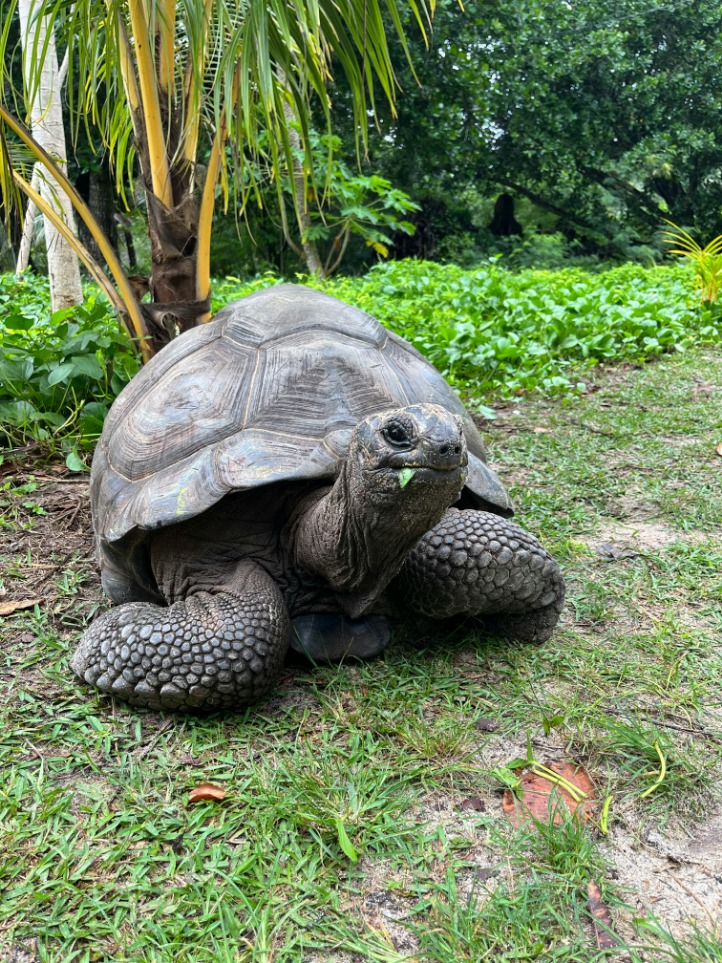
Overview of the Seychelles Giant Tortoise
The Seychelles giant tortoise, also known as Aldabra giant tortoise, is one of the most remarkable and iconic creatures native to the Seychelles islands. Renowned for its impressive size, slow movements, and gentle nature, this species has become a symbol of conservation efforts in the region. Its unique adaptations and status as a vulnerable species make it a fascinating subject for study and admiration.
Physical Characteristics
The Seychelles Giant Tortoise, also known as the Aldabra giant tortoise, is one of the most iconic and impressive reptiles native to the Seychelles islands. Renowned for their large size and ancient lineage, these tortoises have evolved unique physical features that enable them to thrive in their island habitats.
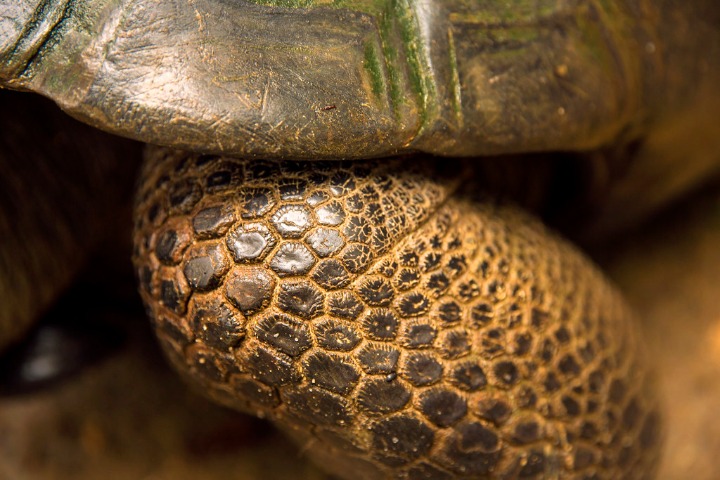
Physically, Seychelles Giant Tortoises are among the largest tortoise species in the world, with adults reaching lengths of up to 1.2 meters (4 feet) and weighing as much as 250 kilograms (550 pounds). They have a dome-shaped shell that is usually dark brown or black, providing protection from predators and harsh environmental conditions. Their sturdy, thick legs are adapted for slow but steady movement across rocky and grassy terrains. The tortoises have a relatively small head with a hooked beak used for grazing on grasses, leaves, and other vegetation. Their skin is thick and wrinkled, often displaying a leathery texture that helps reduce water loss in their dry habitats. Overall, their impressive size and distinctive shell make the Seychelles Giant Tortoise a remarkable symbol of the island’s diverse ecosystem.
Habitat and Range
The Seychelles Giant Tortoise, scientifically known as Aldabrachelys gigantea, is one of the largest terrestrial tortoises in the world. It has a distinctive dome-shaped shell and robust limbs adapted for navigating rugged terrains. These tortoises are renowned for their slow movements and impressive longevity, often living over 100 years in the wild.
Habitat and Range: The Seychelles Giant Tortoise primarily inhabits the granitic islands of the Seychelles archipelago, especially in areas with accessible vegetation and freshwater sources. They are typically found in lush forests, grasslands, and coastal scrubs, where they graze on a variety of plants, grasses, and fruit. Historically, their range was broader across many Seychelles islands, but introduced threats and habitat changes have limited their distribution mainly to specific islands like Mahé, Praslin, and Silhouette Island. Conservation efforts are ongoing to protect their natural habitats and ensure the survival of this remarkable species.
Diet and Feeding Habits
The Seychelles Giant Tortoise, also known as Aldabrachelys gigantea, is one of the largest land tortoises in the world, native to the Seychelles islands. Renowned for its impressive size and gentle nature, this species plays a vital role in the island ecosystems. Its conservation status highlights the importance of protecting these ancient creatures for future generations.
Diet and Feeding Habits of the Seychelles Giant Tortoise
The Seychelles Giant Tortoise primarily consumes a herbivorous diet, feeding on a variety of plant materials found in its natural habitat. Its diet consists mainly of leaves, grasses, fruits, and succulents, which provide essential nutrients and hydration. Due to its slow metabolism, it spends a significant portion of the day foraging and grazing to meet its dietary needs.
- Leaves from various shrubs and trees
- Fruits such as berries and other seasonal produce
- Herbs and grasses found on the ground
- Succulent plants providing moisture and nutrients
Behavior and Ecology
The behavior and ecology of the giant tortoise of Seychelles offer fascinating insights into how this remarkable species has adapted to its unique environment. These ancient reptiles play a vital role in their ecosystems, influencing vegetation patterns and maintaining habitat health. Understanding their behavioral patterns and ecological relationships is essential for conservation efforts and appreciating the intricate balance of life in their island habitats.
Daily Activities and Movements
The giant tortoise of Seychelles, also known as the Aldabra giant tortoise, exhibits unique behavior and ecological adaptations that influence its daily activities and movements. These tortoises are primarily herbivores, feeding on grasses, leaves, and woody plants found in their native habitats, which include coral atolls and islands. Their daily activities are largely dictated by temperature and availability of food, with most foraging taking place during cooler parts of the day, such as the morning and late afternoon. During the hottest hours, they often retreat into shaded areas or burrows to avoid overheating. The movements of Seychelles giant tortoises are generally slow and deliberate, allowing them to conserve energy and navigate their environment efficiently. They tend to have large home ranges, traveling substantial distances in search of food and water resources. These movements and behaviors demonstrate their adaptation to an isolated island ecosystem, where they play vital roles in seed dispersal and maintaining ecological balance.
Reproductive Behavior and Mating
The giant tortoise of Seychelles, also known as the Seychelles freshwater giant tortoise, exhibits fascinating behaviors related to its ecology and reproduction. These reptiles play a crucial role in their habitats, influencing seed dispersal and maintaining ecological balance. Their reproductive behaviors are adapted to the island environment, ensuring the survival of their species despite challenges such as limited habitat and climate variability.
Reproductive behavior and mating strategies of Seychelles giant tortoises include the following key aspects:
- Males often compete for access to females through visual displays and physical interactions, such as head-bobbing and pushing.
- During the breeding season, males may establish dominance hierarchies to gain mating opportunities.
- Females typically lay eggs in sandy or loose soil, creating nests to incubate their offspring.
- The incubation period varies but generally lasts several months, depending on environmental conditions.
- Hatchlings emerge from eggs and are vulnerable to predators, relying on their shells and maternal behaviors for protection.
Understanding these behaviors is essential for effective conservation efforts, as the Seychelles giant tortoise’s reproductive success directly influences population stability and ecological health on the island habitats they inhabit.
Longevity and Life Cycle
The Seychelles giant tortoise, a remarkable species renowned for its impressive longevity and unique life cycle, exemplifies the adaptations of island-dwelling creatures. These tortoises display behaviors that promote survival in their isolated habitats, such as slow movement and herbivorous diets that conserve energy and reduce predation risks. Their ecology is closely tied to the lush, vegetation-rich environment of the Seychelles islands, where they play a vital role in seed dispersal and habitat maintenance. Typically, these tortoises can live over a century, with some individuals reaching ages of 150 years or more, underscoring their status as one of the longest-lived terrestrial animals. Their life cycle involves slow maturation, often taking several decades before reaching reproductive age, which reflects their cautious and resource-efficient lifestyle. Breeding occurs infrequently, with females laying a small number of eggs that incubate for several months before hatchlings emerge. This extended lifespan and prolonged developmental period highlight the Seychelles giant tortoise’s adaptation to a stable but resource-limited environment, emphasizing their importance in the ecological balance of their island home.
Conservation Status and Threats
The conservation status of the Seychelles giant tortoise highlights the importance of protecting this iconic species from numerous threats. As one of the most remarkable reptiles in the world, it faces challenges that endanger its continued existence in the wild. Understanding these threats and the current conservation efforts is crucial for ensuring the survival of this ancient species for future generations.
Historical Population Decline
The Seychelles giant tortoise, also known as the Aldabra giant tortoise, is currently classified as vulnerable due to various threats impacting its survival. Historically, the population of this species experienced significant decline primarily due to overharvesting by humans for food and trade, habitat destruction, and the introduction of invasive species such as rats, cats, and dogs that prey on eggs and hatchlings. These threats resulted in dramatic reductions in their numbers during the 19th and early 20th centuries. Conservation efforts, including habitat protection and the establishment of reserves like the Aldabra Atoll, have helped stabilize and recover some populations. Nonetheless, ongoing challenges such as climate change and the ongoing threat of invasive predators continue to pose risks to their long-term survival. The Seychelles giant tortoise remains a symbol of the importance of conservation in maintaining biodiversity in island ecosystems.
Current Conservation Efforts
The giant tortoise of Seychelles is considered a critically endangered species, primarily due to habitat destruction, illegal poaching, and the introduction of invasive species. These factors have drastically reduced their populations and limited their natural habitat, making conservation efforts crucial for their survival. The species faces ongoing threats from habitat fragmentation caused by agricultural expansion and human development, which further endangers their limited remaining habitats.
Current conservation efforts focus on habitat restoration, establishing protected areas, and breeding programs. Several islands in Seychelles host protected reserves where the giant tortoise populations are monitored and managed actively. Captive breeding programs are also underway to increase population numbers and reintroduce individuals into suitable habitats. Additionally, efforts to control invasive species, such as rats and non-native plants, aim to protect tortoise nests and their food sources. Public awareness campaigns and enforcement of anti-poaching laws are vital components of these conservation strategies, ensuring the protection and sustainable recovery of this iconic species.
Major Threats and Challenges
The giant tortoise of Seychelles is a unique and endangered species facing numerous conservation challenges. Its survival is threatened by habitat loss, introduced predators, and human activities that have significantly reduced their populations over the years.
Major threats and challenges to the conservation of Seychelles giant tortoises include:
- Habitat destruction due to deforestation and land development projects
- Introduction of invasive species such as rats, mice, and cats that prey on eggs and young tortoises
- Overharvesting in the past for food and pets, leading to population decline
- Climate change impacting habitat conditions and food availability
- Limited genetic diversity, which can hinder resilience to diseases and environmental changes
Role in Ecosystem
The giant tortoise of Seychelles plays a vital role in maintaining the health and balance of its ecosystem. As a large herbivore, it helps control plant growth, disperse seeds, and create opportunities for other species to thrive. Its presence influences the structure of the habitat, contributing to biodiversity and the overall stability of the environment. Understanding the role of these tortoises highlights the importance of conserving this iconic species and its habitat.
Impact on Vegetation
The giant tortoise of Seychelles plays a crucial role in the health and balance of its ecosystem. As herbivores, they contribute to seed dispersal, helping to regenerate various plant species and maintain biodiversity. Their grazing habits can influence plant community structures, preventing overgrowth and promoting a variety of vegetation types.
The presence of giant tortoises impacts vegetation by shaping the landscape through their feeding behavior. They select specific plants and fruits, which can lead to the predominance of certain species over others. This selective feeding not only affects plant composition but also fosters the growth of their favored species, ensuring a diverse and resilient plant community.
Furthermore, their movement across the terrain aids in soil enrichment and seed distribution, which benefits overall plant health and diversity. The decline or absence of such tortoises could result in changes to vegetation dynamics, potentially leading to less diverse and less stable ecosystems in Seychelles. Thus, the Seychelles giant tortoise is integral to sustaining the ecological balance and promoting healthy vegetation in its habitat.
Interactions with Other Species
The giant tortoise of Seychelles plays a crucial role in its ecosystem by contributing to seed dispersal and habitat maintenance. As herbivores, they consume a variety of plants, helping to control vegetation growth and promote diversity within their environment. Their movement across landscapes aids in spreading seeds over wide areas, supporting forest regeneration and plant community dynamics. The presence of these tortoises influences other species, including plants, insects, and smaller animals, creating a balanced and interconnected ecosystem. Their interactions with other species help sustain the biodiversity and ecological stability of Seychelles’ unique habitats.
Protection and Preservation Initiatives
Protection and preservation initiatives play a vital role in safeguarding the unique and endangered species such as the giant tortoise of Seychelles. These efforts aim to conserve the natural habitats, prevent illegal hunting, and support breeding programs to ensure the survival of this iconic species. Through dedicated actions by organizations and local communities, the future of the giant tortoise in Seychelles becomes more hopeful, emphasizing the importance of ecological balance and biodiversity conservation.
Past and Present Conservation Programs
Protection and preservation initiatives for the giant tortoise in Seychelles have played a crucial role in conserving this iconic species, which was once on the brink of extinction. Historically, the island’s giant tortoises faced threats from overharvesting, habitat destruction, and introduced predators. In response, early conservation programs focused on protecting their remaining populations and restoring their natural habitats. Present-day conservation efforts incorporate advanced breeding programs, habitat rehabilitation, and strict anti-poaching measures. Numerous protected areas and national parks reserve vital habitats, ensuring the tortoises have safe environments to thrive. Community involvement and international partnerships have also become integral, promoting sustainable practices and raising awareness about the importance of these gentle giants. Overall, the combination of past and current initiatives continues to enhance the survival prospects of Seychelles’ giant tortoises, safeguarding their legacy for future generations.
Breeding and Rehabilitation Projects
Protection and preservation initiatives for the Seychelles giant tortoise focus on safeguarding their natural habitats and preventing illegal poaching. These efforts include establishing protected areas, implementing strict anti-poaching laws, and promoting community awareness programs to involve local residents in conservation activities. Breeding programs in captivity are instrumental in increasing population numbers, with the aim of reintroducing healthy individuals into the wild to restore ecological balance. Rehabilitation projects also play a vital role in caring for injured or orphaned giant tortoises, ensuring their recovery and eventual release into secure habitats. Overall, these combined initiatives aim to secure the survival of the Seychelles giant tortoise for future generations and maintain the biodiversity of the region.
Role of National and International Organizations
The protection and preservation of the Seychelles giant tortoise are essential for maintaining the island’s unique biodiversity and ecological balance. National and international organizations play a crucial role in conserving this species through various initiatives. Local agencies in Seychelles implement breeding programs, habitat restoration projects, and strict anti-poaching laws to safeguard the tortoises from threats such as illegal hunting and habitat destruction. Concurrently, international organizations like the World Wildlife Fund (WWF) and the International Union for Conservation of Nature (IUCN) provide funding, technical expertise, and global awareness campaigns. These collaborations help establish protected areas, support research efforts, and promote sustainable tourism practices that benefit the tortoise population. Together, these efforts aim to secure the survival of the Seychelles giant tortoise for future generations and maintain the ecological integrity of the islands.

0 Comments