
Geography and Location of Mount Kilimanjaro
Mount Kilimanjaro, located in Tanzania, is one of Africa’s most iconic natural landmarks. It stands as the highest mountain on the continent, offering stunning vistas and a unique geographical significance. Situated in northeastern Tanzania near the border with Kenya, Kilimanjaro dominates the surrounding landscape and attracts adventurers from around the world. Its strategic location in the East African Rift Valley contributes to its distinctive geological features and prominence in the region.
Geographical Coordinates
Mount Kilimanjaro is a prominent mountain located in Tanzania, Africa. It is renowned for being the highest peak on the continent and one of the most iconic landmarks in the region.
- Geographical Coordinates: 3°4′S latitude and 37°21′E longitude.
- It is situated near the northeastern border of Tanzania, close to the border with Kenya.
- The mountain is part of Kilimanjaro National Park, a UNESCO World Heritage Site.
- Mount Kilimanjaro stands approximately 5,895 meters (19,341 feet) above sea level.
Topography and Landscape Features
Mount Kilimanjaro, located in Tanzania, is the highest peak in Africa and one of the most iconic mountain summits in the world. It sits near the northern border of Tanzania, close to the border with Kenya, and is part of the Kilimanjaro National Park. Its geographical position makes it a prominent feature of the Tanzanian landscape and a major attraction for trekkers and climbers worldwide.
- Latitude: approximately 3°04′S
- Longitude: approximately 37°21′E
- Elevation: 5,895 meters (19,341 feet) above sea level
- Location: Northern Tanzania, near the border with Kenya
The topography of Mount Kilimanjaro is characterized by its dramatic elevation changes and diverse landscape features. The mountain comprises three volcanic cones: Kibo, Mawenzi, and Shira. Kibo is the tallest and is the summit of Kilimanjaro, while Mawenzi and Shira are smaller, extinct cones that create a rugged terrain. The landscape surrounding the mountain includes lush rainforests at lower elevations, alpine meadows and moorlands in the middle sections, and icy glaciers and snowfields near the summit, although the glaciers have been receding over recent decades.
Climate and Weather Patterns
Mount Kilimanjaro is located in northeastern Tanzania near the border with Kenya. It is the highest peak in Africa, standing at 5,895 meters (19,341 feet) above sea level. The mountain is part of the Kilimanjaro National Park, which is renowned for its diverse ecosystems and stunning landscapes.
The climate on Mount Kilimanjaro varies significantly with elevation. The base of the mountain experiences a tropical climate with warm temperatures and high humidity. As altitude increases, temperatures drop sharply, and the summit remains cold year-round, often below freezing. The mountain’s weather patterns are influenced by monsoon winds and seasonal rains, with the wettest months occurring from March to May and November to January. The summit typically experiences clear, cold, and windy conditions, making it a challenging environment for climbers. Overall, Kilimanjaro’s climate is characterized by distinct ecological zones, ranging from rainforest at the base to arid moorland and eventually, snow and ice at the summit.
Historical Significance of Mount Kilimanjaro
Mount Kilimanjaro, located in Tanzania, is not only Africa’s highest peak but also a symbol of cultural and historical significance. Its towering presence has inspired explorers, local communities, and climbers for centuries, serving as a testament to the region’s natural beauty and geological history. As a prominent landmark, Kilimanjaro has played a crucial role in shaping the identity and heritage of Tanzania, drawing attention to the nation’s diverse landscapes and cultural traditions.
African Cultural and Spiritual Importance
Mount Kilimanjaro, located in Tanzania, holds a profound historical significance as Africa’s highest peak and a symbol of natural grandeur. It has served as a landmark for explorers, adventurers, and local communities for centuries, representing both geographic and cultural heritage. The mountain’s towering presence has inspired countless stories, expeditions, and legends, making it an iconic symbol of African wilderness.
In terms of cultural and spiritual importance, Kilimanjaro is revered by local tribes such as the Chagga, Maasai, and Meru. These communities regard the mountain as sacred, often associating it with spiritual beliefs, ancestral spirits, and traditional worship practices. Kilimanjaro is seen as a divine entity, embodying the connection between the earthly and the spiritual realm, and continues to be a central element in their cultural identity and ceremonies.
Historical Expeditions and First Ascent
Mount Kilimanjaro, located in Tanzania, holds immense historical significance as one of the tallest free-standing mountains in the world and a prominent symbol of African natural heritage. Its majestic presence has long inspired indigenous communities, explorers, and adventurers alike, symbolizing strength, endurance, and the allure of exploration. The mountain has also played a vital role in the cultural and spiritual lives of local tribes, including the Chagga, Maasai, and Pare peoples.
Throughout history, numerous expeditions have been undertaken to conquer Kilimanjaro, beginning in the late 19th century during the age of European exploration. The first recorded ascent was achieved on October 6, 1889, by German geographer Hans Meyer and Austrian mountaineer Ludwig Purtscheller. Their successful climb marked a significant milestone in mountaineering history, demonstrating the mountain’s accessibility despite its formidable appearance. Since then, Kilimanjaro has become a popular destination for trekkers and climbers from around the world, contributing to Tanzania’s growing reputation as a hub for adventure tourism.
Role in Tanzanian Heritage and Local Communities
Mount Kilimanjaro holds a profound historical significance as Africa’s highest peak and a symbol of natural beauty and resilience. It has attracted explorers, adventurers, and researchers for centuries, contributing to the understanding of geology, climate, and biodiversity in the region. The mountain is also a cultural icon for the local Chagga communities and other ethnic groups who have historically regarded it as a sacred place, integral to their traditions and spiritual practices.
In Tanzanian heritage, Mount Kilimanjaro is a national treasure that promotes national pride and identity. Its iconic presence has helped to foster tourism, which is vital to the country’s economy and development. The mountain’s prominence in stories, legends, and cultural practices underscores its role as a symbol of strength and endurance for the Tanzanian people.
Local communities surrounding Kilimanjaro play a significant role in conserving the mountain and its environment. They engage in agriculture, tourism, and cultural activities that are closely linked to the mountain’s presence. Kilimanjaro also provides a sense of community identity and is central to various local ceremonies and rituals, reinforcing the deep connection between the residents and this majestic natural monument.
Ecology and Biodiversity
Ecology and biodiversity are vital components of our planet’s health, encompassing the intricate relationships between living organisms and their environments. In Tanzania, particularly around Mount Kilimanjaro, this rich ecological diversity plays a crucial role in sustaining unique ecosystems. The region’s varied landscapes, from lush rainforests to alpine zones, support countless species of plants, animals, and microorganisms, making it a significant area for conservation efforts and ecological study.
Flora of Kilimanjaro Habitats
Kilimanjaro, located in Tanzania, is renowned for its diverse ecological zones and rich biodiversity, making it a vital area for studying ecology and flora. The mountain’s varying altitudes create distinct habitats, each supporting unique plant and animal communities. From the lush, montane forests at lower elevations to the sparse alpine and glacial zones at higher altitudes, Kilimanjaro showcases a remarkable range of biodiversity.
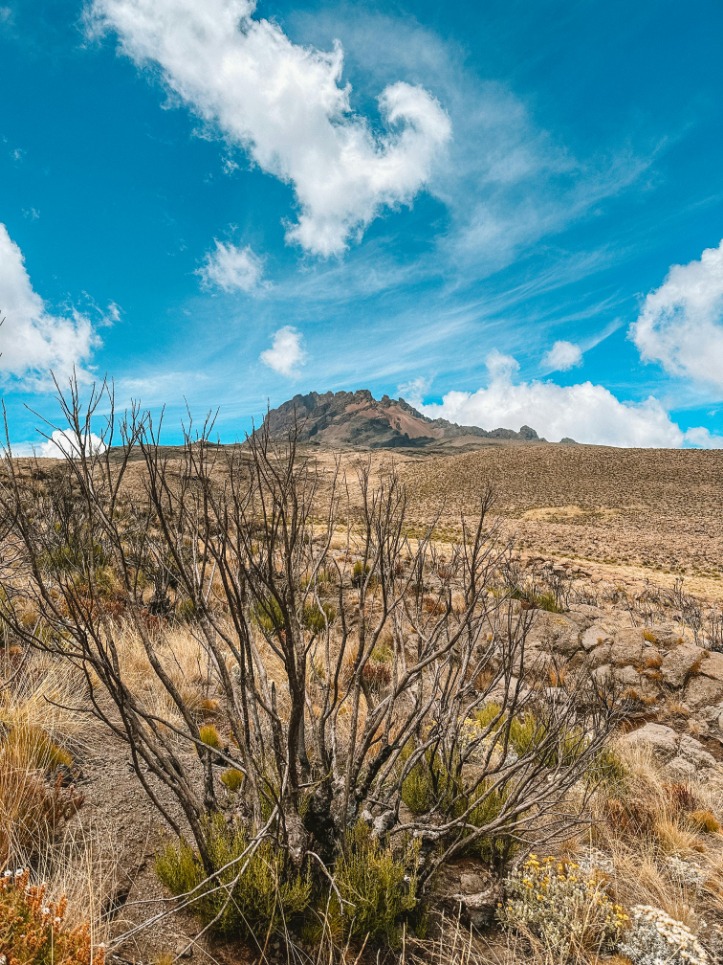
The evergreen forests of Kilimanjaro’s foothills are home to a wide array of plant species, including bamboo, ferns, and native hardwoods, providing habitat for many bird and insect species. As the altitude increases, the forest transitions to heath and moorland habitats characterized by shrubs, grasses, and unique flora such as giant groundsels and lobelias, which have adapted to the cooler, windy conditions.
At the highest elevations, the environment becomes more arid and inhospitable, with only specialized alpine plants like mosses, lichens, and tiny flowering plants capable of surviving the extreme conditions. The diverse flora across these habitats not only supports a complex web of life but also contributes to the ecological stability of Kilimanjaro.
Conservation of this rich biodiversity is crucial, as it faces threats from climate change, deforestation, and human activities. Protecting Kilimanjaro’s habitats ensures the preservation of its unique ecosystems and the myriad of species that depend on them, making it a vital natural heritage of Tanzania.
Fauna and Wildlife Encounters
Tanzania’s Kilimanjaro region is renowned for its rich ecology and diverse biodiversity, offering a unique habitat for an array of fauna and wildlife. The mountain’s varied climates and altitudes create distinct ecological zones, from lush montane forests to alpine deserts, supporting numerous species of plants and animals. Visitors often encounter captivating wildlife such as colobus monkeys, leopards, buffalo, and elephants, especially in the surrounding national parks and conservation areas. These encounters provide an opportunity to observe the region’s vibrant fauna in their natural habitats, highlighting the importance of preserving these ecosystems. Kilimanjaro’s ecological significance not only contributes to its stunning landscapes but also plays a crucial role in sustaining the region’s biodiversity and supporting local communities through eco-tourism activities.
Unique Ecosystems Across Elevation Zones
Kilimanjaro, located in Tanzania, is a remarkable example of diverse ecosystems that span multiple elevation zones, each hosting unique biodiversity. As you ascend the mountain, the landscape transforms from lush, dense rainforests at the base to alpine deserts and icy summits at the top. These distinct ecological zones support a wide variety of flora and fauna specially adapted to their environments. The rainforest zone is rich with endemic species of plants, insects, and birds, providing vital habitats for many organisms. Higher up, the moorlands and heathlands host specialized wildlife such as the funnelling giant lobelias and endemic chameleons. The summit’s icy environment offers little life due to extreme conditions, but the ecological changes across these elevation zones highlight the importance of preserving this unique ecosystem. The biodiversity across Kilimanjaro’s elevation gradient underscores the mountain’s ecological significance and its role in global biodiversity conservation efforts.
Climbing Routes and Expedition Details
Climbing routes and expedition details are essential aspects to consider when planning an adventure to Mount Kilimanjaro in Tanzania. Understanding the various routes available helps climbers choose the path that best suits their experience level and preferences. Additionally, knowing the key details of each expedition ensures a safe and memorable ascent of Africa’s highest peak.
Main Routes to the Summit
The main climbing routes to the summit of Mount Kilimanjaro in Tanzania offer a variety of experiences for adventurers. Popular routes include the Marangu, Machame, Lemosho, Rongai, Northern Circuit, and Umbwe routes, each presenting unique challenges and scenery. The Marangu Route, known as the “Coca-Cola Route,” is the most traditional and accessible, with gradual ascent and huts along the way. The Machame Route, or “Whiskey Route,” is more rugged and preferred for its scenic beauty and higher success rates. Lemosho and Northern Circuit routes provide a more remote experience, with extended acclimatization periods that improve the chances of reaching the summit. Rongai and Umbwe routes are steeper, offering shorter treks with a more intense climb. All routes lead to the crater rim and ultimately to Uhuru Peak, the highest point on the continent, at 5,895 meters above sea level. Proper preparation, acclimatization, and guided expeditions are essential for a successful ascent of this iconic mountain.
Preparation and Equipment Needed
Climbing Mount Kilimanjaro in Tanzania is an exciting and challenging adventure that attracts thousands of enthusiasts each year. The route options vary from traditional paths like Marangu, Machame, Lemosho, Rongai, and Umbwe, each offering unique scenery and difficulty levels. Proper expedition planning includes understanding the altitude, weather conditions, and necessary permits. Preparation for the climb involves physical training to build endurance, strength, and acclimatization. It is essential to be prepared for variable weather, including cold temperatures and rain, especially at higher altitudes.
Equipment needed for a Kilimanjaro trek includes sturdy hiking boots, layered clothing to adapt to temperature changes, a warm sleeping bag, headlamp, sunglasses, sunscreen, and trekking poles. High-quality moisture-wicking base layers and insulated jackets are crucial to stay warm and dry. Additionally, a good backpack, hydration system, and personal hygiene items are vital for comfort and health. Guided tours usually provide some equipment, but personal gear ensures safety and preparedness for unexpected situations. Proper planning, physical readiness, and suitable gear are key to a successful and enjoyable climb up Mount Kilimanjaro.
Duration and Challenges of Summiting
Climbing Kilimanjaro offers a variety of routes, each with distinct features, durations, and challenges. Popular routes include Machame, Rongai, Lemosho, Marangu, Umbwe, and Shira, catering to different skill levels and preferences. The ascent typically ranges from five to nine days, with longer journeys providing better acclimatization and higher success rates. The Marangu route, known as the “Coca-Cola Route,” is the shortest, usually taking five days, but can be more crowded and less acclimatization-friendly. Conversely, the Lemosho and Rongai routes offer more scenic views and better chances of reaching the summit comfortably over seven to nine days.
Summiting Kilimanjaro presents various challenges, including altitude sickness, extreme weather conditions, and physical fatigue. The high altitude can cause dizziness, headaches, and nausea, making acclimatization crucial. Weather varies from warm equatorial conditions at the base to freezing temperatures at the summit, requiring proper gear and preparation. The thin air at the summit demands good physical fitness, mental resilience, and proper hydration. Moreover, the unpredictable nature of weather and the terrain’s ruggedness can pose significant hurdles, emphasizing the importance of experienced guides and thorough preparation for a successful climb.
Tourism and Economic Impact
Tourism plays a vital role in the economic development of Tanzania, particularly through iconic destinations like Mount Kilimanjaro. As one of the world’s most famous landmarks, Kilimanjaro attracts thousands of adventurers and nature enthusiasts each year, contributing significantly to local economies. The influx of tourists not only generates income through park fees and guided tours but also creates employment opportunities and supports small businesses in the region. Overall, tourism around Kilimanjaro serves as a key driver of Tanzania’s economic growth and sustainable development.
Visitor Statistics and Trends
Tourism around Mount Kilimanjaro in Tanzania has become a significant contributor to the country’s economy, drawing visitors from around the world keen to experience its majestic peak. The influx of adventure seekers and nature lovers has boosted various sectors including hospitality, transportation, and local crafts, fostering economic development in the region.
Visitor statistics indicate steady growth over the past decade, with Kilimanjaro consistently ranking as one of Africa’s top mountain destinations. In 2019, before the pandemic, approximately 60,000 climbers attempted to summit Kilimanjaro, with a majority being international tourists. Trends show an increasing number of climbers from emerging markets and Europe, reflecting the mountain’s global appeal and growing accessibility through improved infrastructure.
- Annual climbing permits generate significant revenue for the Tanzanian government.
- Most visitors prefer the Machame and Marangu routes for their scenic routes and established facilities.
- Eco-tourism and sustainable practices are gaining popularity, aligning with global environmental concerns.
- Post-pandemic recovery is underway, with visitor numbers gradually rebounding as travel restrictions ease.
Tourism Infrastructure and Facilities
Tanzania’s Kilimanjaro region is a prominent destination for international tourists, contributing significantly to the country’s economy through tourism-related activities. The influx of visitors seeking to conquer Africa’s highest peak boosts revenue from permits, guides, and local accommodation, creating substantial employment opportunities for residents. Additionally, tourism helps fund community development projects and promotes cultural exchange, thereby fostering sustainable growth in the region.
To support the increasing number of travelers, Tanzania has invested in developing robust tourism infrastructure and facilities around Kilimanjaro. This includes well-maintained roads leading to key trekking routes, modern accommodation options ranging from luxury lodges to budget hostels, and essential services such as medical facilities and transportation. The establishment of visitor centers and trained guides ensures tourists have a memorable and safe experience while exploring the mountain and its surrounding areas, further enhancing Tanzania’s reputation as a world-class tourism destination.
Effects on Local Communities and Economy
Tourism in Tanzania, particularly related to Mount Kilimanjaro, plays a significant role in shaping the local communities and economy. The influx of climbers and tourists generates substantial revenue that supports local businesses, hospitality services, and guiding agencies. This financial boost often leads to the development of infrastructure, such as improved roads, airports, and health facilities, benefiting both visitors and residents.
However, the effects on local communities can be mixed. While tourism creates job opportunities and fosters cultural exchange, it can also lead to environmental degradation and cultural commodification if not managed sustainably. Overcrowding on Kilimanjaro has raised concerns about trail erosion and waste management, impacting the natural landscape and the quality of the experience for future visitors.
Overall, tourism around Kilimanjaro has a profound economic impact, providing vital income streams that can uplift local livelihoods. Responsible tourism practices are essential to ensure that economic benefits are balanced with environmental preservation and community well-being, maintaining Kilimanjaro as a sustainable and iconic destination for generations to come.
Environmental Conservation and Challenges
Environmental conservation is essential for preserving the natural beauty and biodiversity of our planet. In Tanzania, home to the majestic Mount Kilimanjaro, efforts to protect the environment face numerous challenges such as deforestation, climate change, and pollution. These issues threaten the delicate ecosystems and the local communities that depend on them, making it vital to find sustainable solutions to ensure the preservation of this iconic landscape for future generations.
Protection Efforts and National Parks
Environmental conservation in Tanzania, particularly around Mount Kilimanjaro, plays a crucial role in preserving the unique biodiversity and natural beauty of the region. The area faces various challenges such as deforestation, soil erosion, climate change, and illegal wildlife poaching, which threaten the delicate ecosystem of Kilimanjaro and its surrounding forests.
Efforts to protect Kilimanjaro and its environment include government initiatives, community-based conservation programs, and international partnerships. These aim to promote sustainable tourism, protect endangered species, and restore degraded habitats. Many conservation organizations are actively involved in raising awareness and implementing measures to combat environmental threats in the region.
- Kilimanjaro National Park, a UNESCO World Heritage Site, was established to conserve the mountain’s unique flora and fauna.
- Tourism revenue from trekking and safaris supports local communities and funding for conservation projects.
- Educational programs help local residents and visitors understand the importance of preserving Kilimanjaro’s ecosystem.
Despite these efforts, ongoing challenges require continued commitment. Climate change has caused glaciers on Kilimanjaro to recede rapidly, affecting water sources and the local environment. Maintaining robust protection measures and encouraging sustainable practices are essential to safeguarding Kilimanjaro’s natural heritage for future generations.
Impact of Climate Change
Environmental conservation in Tanzania, particularly around Mount Kilimanjaro, is vital for preserving the region’s unique biodiversity and natural beauty. However, the area faces significant challenges, including deforestation, illegal logging, and the effects of climate change. These threats compromise the delicate ecosystems and affect local communities that rely on the mountain’s resources. Climate change has led to rising temperatures and altered precipitation patterns, resulting in the accelerated melting of Kilimanjaro’s ice caps. This melting not only diminishes the mountain’s iconic appearance but also impacts water availability for surrounding regions, affecting agriculture and human settlements. Addressing these issues requires concerted efforts focused on sustainable tourism, reforestation, and raising awareness about environmental protection to ensure the preservation of Kilimanjaro’s majestic landscape for future generations.
Sustainable Tourism Initiatives
Environmental conservation is crucial for preserving the natural beauty and biodiversity of Tanzania, especially around Mount Kilimanjaro. The region faces challenges such as deforestation, habitat degradation, and the impact of tourism, which threaten the fragile ecosystem. Sustainable tourism initiatives have been implemented to mitigate these issues by promoting eco-friendly practices, supporting local communities, and ensuring that tourism activities do not harm the environment. Programs like responsible trekking, waste management, and conservation education help protect Kilimanjaro’s unique landscape. These efforts aim to balance the economic benefits of tourism with the need to conserve the natural resources of this iconic mountain for future generations.




0 Comments