
Geographical Location and Physical Characteristics
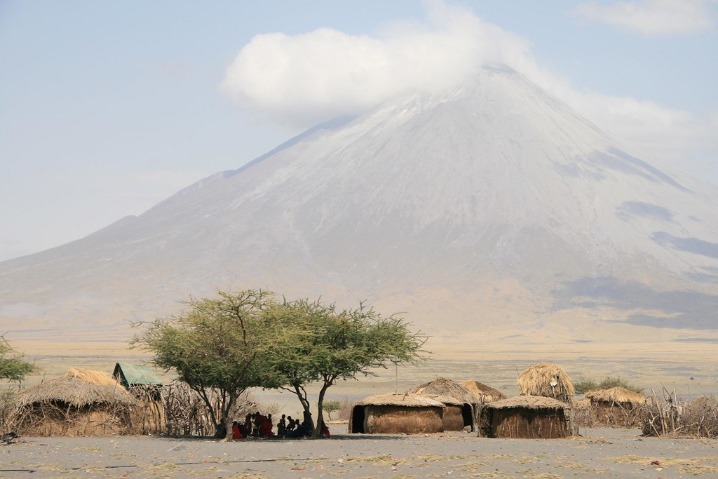
Lake Natron, located in northern Tanzania near the border with Kenya, is a striking geographic feature renowned for its unique physical characteristics. Surrounded by volcanic mountains and situated in the Great Rift Valley, the lake’s environment is shaped by its high alkalinity and mineral-rich waters. Its vivid red coloration, caused by microorganisms and mineral deposits, makes it one of the most distinctive lakes in Africa and a vital habitat for various species, including flamingos. The region’s physical landscape and climatic conditions create a surreal and dynamic ecosystem that attracts researchers and nature enthusiasts alike.
Position within Tanzania
Lake Natron is situated in northern Tanzania, close to the border with Kenya. It is located within the Arusha Region, in the Great Rift Valley, an area known for its volcanic and geological activity. The lake is positioned at approximately 3, which makes it one of the most alkaline and saline lakes in the world. Its coordinates are roughly 2° 31′ S latitude and 36° 11′ E longitude.
The physical characteristics of Lake Natron include a shallow, salt-encrusted basin with an expansive surface area that can reach up to 2,600 square kilometers during the rainy season. The lake’s surface appears pinkish due to the high concentration of algae and microorganisms that thrive in its alkaline waters. Surrounding the lake are black volcanic hills and active volcanoes, such as Mount Oldonyo Lengai, which influence the local geology and climate of the region.
Within Tanzania, Lake Natron’s strategic position within the Rift Valley makes it a significant ecological and geological landmark. It is part of the Lake Natron Basin, a UNESCO World Heritage Site, offering vital habitat for flamingos and other migratory birds, and contributing to the country’s rich natural diversity.
Size and Dimensions
Lake Natron, located in northern Tanzania near the border with Kenya, is a saline and alkaline lake known for its striking landscape and unique biological features. It is situated within the Great Rift Valley, contributing to its distinctive geographical setting. The lake’s physical characteristics include high alkalinity, with pH levels often exceeding 9, which gives the water a reddish hue due to microorganisms and salt-tolerant algae. Lake Natron spans approximately 57 kilometers (35 miles) in length and varies in width from 18 to 57 kilometers (11 to 35 miles), with an average depth of about 3 meters (10 feet). Its surface area fluctuates seasonally based on rainfall and evaporation rates, which significantly influence the lake’s overall size and salinity. The landscape surrounding Lake Natron features volcanic hills and mineral-rich flats, creating a stark yet stunning environment rich in biological diversity, particularly for flamingos that breed in its salty waters.
Elevation and Surrounding Terrain
Lake Natron is a shallow, alkaline lake located in northern Tanzania, near the border with Kenya. It lies within the Great Rift Valley and is renowned for its striking red coloration caused by algae and microorganisms that thrive in its highly alkaline waters. The lake is situated at an approximate elevation of 600 meters (1,970 feet) above sea level, which influences its unique habitat features.
The surrounding terrain of Lake Natron is characterized by volcanic landscapes, rugged plains, and sporadic acacia and shrub vegetation. The area is part of a volcanic region with active and dormant volcanoes, including Mount Ol Doinyo Lengai, which stands nearby and is famous for its natrocarbonatite lava. The terrain surrounding the lake is relatively flat with some gentle slopes, creating a dramatic contrast with the vivid, vibrant waters of the lake itself.
Hydrology and Salt Composition
Lake Natron in Tanzania is renowned not only for its striking reddish hue but also for its unique hydrology and salt composition. This alkaline lake is characterized by its high evaporation rates, which concentrate salts and minerals, creating a distinctive environment. Understanding the hydrology and salt makeup of Lake Natron provides insight into its ecosystem, geological significance, and the adaptations of organisms that thrive in such extreme conditions.
Source of Water and Flow Patterns
Lake Natron in Tanzania is a unique hypersaline lake with distinctive hydrology and salt composition. Its high evaporation rates lead to the accumulation of salts and minerals, creating a highly alkaline environment populated by specialized salt-tolerant organisms. The primary source of water for Lake Natron is the Malawi Rift and Ngare Sero River, which bring freshwater influxes, although these inputs are limited compared to evaporation. The flow patterns are characterized by seasonal inflows during rainfall periods, followed by intense evaporation that concentrates salts and maintains the lake’s hypersaline conditions. These hydrological dynamics result in a predominantly endorheic basin, where water loss exceeds inflow, shaping the lake’s ecological and chemical characteristics.
Salinity Levels and Mineral Content
Lake Natron in Tanzania is renowned for its unique hydrology and distinctive salt composition, which significantly influence its salinity levels and mineral content. The lake’s hydrology is primarily fed by the few inflowing streams that carry mineral-rich waters from the surrounding volcanic regions, resulting in a highly saline environment due to high evaporation rates in the semi-arid climate. The salinity levels in Lake Natron are among the highest of any freshwater body, often exceeding that of typical seawater, creating extreme conditions that inhibit most aquatic life. Its mineral content is dominated by sodium carbonate and bicarbonate compounds, giving the water a characteristic alkaline pH that can reach up to 10.5. These unique chemical properties support specialized adaptations among extremophiles and play a vital role in the lake’s ecological and geological significance.
Unique Chemical Properties
Lake Natron in Tanzania is renowned for its unique hydrology and distinctive salt composition, which create a highly specialized environment. The lake’s high salinity and alkalinity markedly influence its chemical properties, making it one of the most extreme alkaline lakes in the world.
- Lake Natron is fed primarily by mineral-rich hot springs and inflowing rivers, which contribute dissolved salts and minerals to the lake’s waters.
- The lake’s evaporation rate exceeds inflow, causing salts and minerals to concentrate over time, leading to a high salt and soda ash content.
- Its pH level can reach up to 10.5, resulting in highly alkaline conditions that are inhospitable to most aquatic life, except for specialized organisms.
- The unique chemical composition supports the proliferation of salt-tolerant algae and cyanobacteria, which give the lake its vibrant red and orange hues.
- Crystallization of salts at the lake’s surface forms striking salt flats and mineral deposits, contributing to its otherworldly landscape.
Ecological Significance
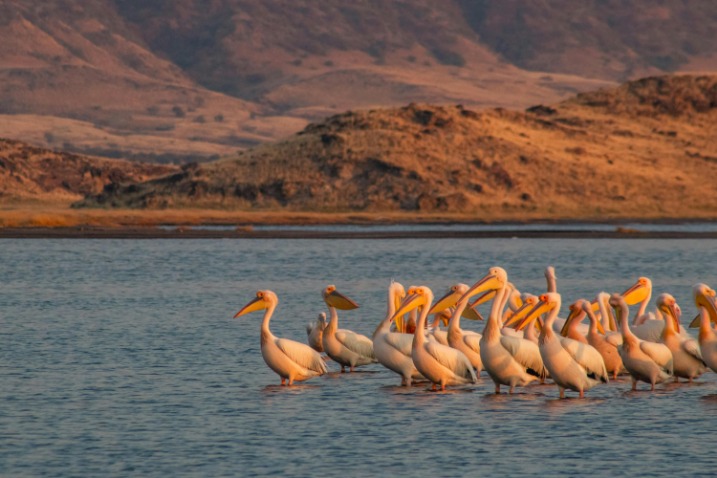
Lake Natron in Tanzania holds immense ecological significance as a vital habitat for a diverse range of species. Its unique saline and alkaline waters create a specialized ecosystem that supports specialized flora and fauna, including the iconic lesser flamingos. The lake’s ecological importance extends beyond its beauty, playing a crucial role in maintaining local biodiversity and ecological balance in the region.
Flora Adaptations
Lake Natron in Tanzania is an ecologically unique environment that plays a vital role in supporting diverse wildlife and maintaining regional ecological balance. Its alkaline waters, high mineral content, and seasonal fluctuations create a specialized habitat that influences local flora and fauna.

Flora adaptations in Lake Natron are remarkable due to the extreme conditions. Many plants have developed salt tolerance, known as halophytes, allowing them to thrive in saline and alkaline soils where most other vegetation cannot survive. These plants often have specialized cellular mechanisms to manage high salt concentrations, such as salt excretion or compartmentalization of salts within their tissues. Additionally, some flora species grow in the less saline surrounding areas, adapting their growth cycles to the seasonal water levels, taking advantage of temporary wet conditions for reproduction and growth. These adaptations enable the flora of Lake Natron to withstand harsh environmental stresses while providing essential resources for local wildlife, including the iconic flamingos that breed on its shores.
Fauna Diversity and Endemism
Lake Natron in Tanzania holds significant ecological importance due to its unique environment that supports a diverse array of flora and fauna. Its highly alkaline waters provide a specialized habitat that sustains organisms uniquely adapted to extreme conditions. The lake is known for its importance as a breeding site for numerous bird species, particularly flamingos, which rely on its saline waters for nesting and feeding. This contributes to the lake’s role in maintaining regional biodiversity.
Fauna diversity in Lake Natron is notable, especially among avian species. The flamingos are the most prominent, with populations that migrate here in large numbers, making it a critical habitat for their lifecycle. Additionally, the lake supports various invertebrates, algae, and microorganisms that thrive in its alkaline conditions, forming the base of the food web and supporting higher trophic levels. The presence of unique organisms adapted to such extreme habitats highlights the lake’s importance as a natural laboratory for studying extremophiles.
Endemism is particularly significant in the ecosystems surrounding Lake Natron. Several species of flamingos, such as the endemic forms of lesser flamingos, are closely tied to the lake’s environment and are found predominantly in this region. The specialized flora and microbial communities are also highly endemic, reflecting the unique evolutionary pressures in this alkaline ecosystem. Protecting Lake Natron is crucial for maintaining these rare and specialized species, some of which are found nowhere else on Earth.
Bird Life and Migration Patterns
Lake Natron in Tanzania is of great ecological significance due to its unique habitat that supports diverse bird species and influences migration patterns across the region. The lake’s alkaline waters create a specialized environment that many bird species rely on for feeding, breeding, and resting during migrations.
- Lake Natron is a crucial breeding site for the endangered Greater Flamingo, which depends on the saline and alkaline conditions to incubate their eggs without many predators.
- The surrounding wetlands provide habitat for numerous migratory bird species, including herons, storks, and cormorants, especially during seasonal migrations.
- This area acts as a vital stopover point for birds traveling between East Africa and other regions, facilitating their long-distance migration routes.
- The lake’s unique ecological conditions help sustain a rich biodiversity, influencing bird life patterns and contributing to the overall health of the regional ecosystem.
Volcanic and Geological Aspects
Lake Natron in Tanzania is a remarkable natural wonder known for its unique volcanic and geological features. Situated in a volcanic basin, the lake’s distinctive red coloration is a result of mineral deposits and microorganisms thriving in its mineral-rich waters. The surrounding landscape is shaped by active volcanic activity, creating a fascinating geological environment that influences the lake’s chemistry and ecosystem. Understanding these volcanic and geological aspects provides insight into the lake’s extraordinary characteristics and its importance in the region’s natural history.
Volcanic Activity and Geological Formation
Lake Natron in Tanzania is a remarkable geological feature characterized by its unique volcanic and geological aspects. The area is dominated by volcanic activity that has significantly shaped its landscape, creating a vivid and intriguing environment. The lake itself is surrounded by volcanic cones and hot springs, which are evidence of past and ongoing volcanic processes that influence the region’s geology.
Volcanic activity in the Lake Natron region is primarily driven by the East African Rift System, which is an active continental rift zone. This activity has resulted in the formation of various volcanic features, including calderas, lava flows, and ash deposits. The volcanic deposits contribute to the high mineral content of the lake, particularly sodium and calcite, which give the lake its distinctive red hue due to microbial life thriving in the alkaline waters.
The geological formation of Lake Natron involves complex tectonic processes that have created a highly alkaline and saline environment. The basin was formed by faulting and volcanic eruptions, which have created a depression that filled with water over time, resulting in the lake. The region’s geology is characterized by volcanic rocks and sediments from past eruptions, making it a significant location for studying volcanic and geological phenomena.
- East African Rift System: The primary driver of volcanic activity, responsible for rift formation and volcanic eruptions.
- Volcanic Cones and Hot Springs: Structures formed from eruptions and geothermal activity, shaping the surrounding landscape.
- Caldera Formation: Resulting from large eruptions that caused the collapse of volcanic craters, influencing the lake’s basin.
- Mineral-Rich Deposits: Created by volcanic ash and lava, contributing to the lake’s chemical composition and coloration.
- Tectonic Faults: Structures that have facilitated the movement of magma and hydrothermal fluids, maintaining volcanic activity.
Mineral Deposits and Salt Crystals
Lake Natron in Tanzania is a fascinating geological and volcanic landscape characterized by its unique mineral deposits and salt crystals. The region’s volcanic origins have shaped its rugged terrain, with active and dormant volcanoes influencing the area’s mineral composition. The lake itself is rich in sodium carbonates and other minerals, which precipitate out of the mineral-laden waters to form extensive deposits along the shorelines. These mineral deposits contribute to the striking red coloration of the lake, caused by algae and mineral content. Additionally, the area is known for its salt flats, where salt crystals form naturally as the water evaporates, creating a surreal and ever-changing landscape. The intense geothermal activity and volcanic history have also led to the formation of various mineral deposits that are valuable both scientifically and economically. Overall, Lake Natron’s volcanic and geological aspects, combined with its mineral deposits and salt crystals, make it a unique natural habitat and a site of significant geological interest.
Geological Age and Evolution
Lake Natron in Tanzania is a fascinating geological and volcanic site, formed in a unique environment shaped by volcanic activity. Its alkaline waters are the result of extensive geothermal processes and volcanic eruptions originating from nearby volcanic mountains such as Ol Doinyo Lengai. The area exhibits a rich geological history, marked by the movement of tectonic plates and volcanic eruptions that have contributed to the formation of its distinctive crust and mineral deposits.
The geological age of Lake Natron is estimated to be millions of years old, with much of its current landscape being the product of ongoing volcanic activity in the region. The presence of natrocarbonatite lava from Ol Doinyo Lengai, which is the only known source of natrocarbonatite magma, highlights the volcanic uniqueness of the area. Over time, these volcanic processes have continuously shaped the basin, creating the saline and alkaline environment that supports specialized flora and fauna.
The evolution of Lake Natron reflects a dynamic interplay between volcanic activity, tectonic movements, and climatic changes. Its formation and ongoing geological processes provide critical insights into volcanic and tectonic phenomena in East Africa. This dynamic landscape is a testament to the powerful geological forces that have operated over millions of years to create one of the most interesting and ecologically significant lakes in the world.
Tourism and Cultural Relevance
Lake Natron in Tanzania is a captivating destination that exemplifies the profound connection between tourism and cultural significance. Renowned for its striking salt flats and vibrant red hues, the lake attracts travelers from around the world. Beyond its natural beauty, Lake Natron holds deep cultural importance for local communities and ecological systems. Exploring this unique site offers insights into both the area’s rich traditions and its fascinating landscape.
Popular Tourist Attractions
Lake Natron in Tanzania is a unique and captivating destination renowned for its stunning natural beauty and rich cultural significance. It is considered sacred by the Maasai people and attracts visitors interested in both its ecological wonders and local traditions.
- Kwaal volcano: An active volcano overlooking the lake that offers dramatic landscapes and photographic opportunities.
- Flamingo nesting sites: Lake Natron is famous for hosting thousands of flamingos, making it a must-visit spot for birdwatchers and wildlife enthusiasts.
- Maasai culture: The local Maasai communities offer an enriching cultural experience, sharing traditional customs and ways of life with visitors.
- Natural pools and hot springs: The mineral-rich, alkaline waters create intriguing natural pools ideal for soaking and relaxation.
- Wildlife viewing: The lake’s surrounding wetlands support diverse species, including zebras, hartebeests, and predatory birds, providing opportunities for eco-tourism and safaris.
Local Cultural Significance
Lake Natron in Tanzania is a site of profound cultural and ecological significance, drawing visitors for both its stunning natural beauty and its deep connection to local traditions. The lake’s unique characteristics and the cultural beliefs surrounding it make it a vital part of the community’s identity and heritage.
- Local communities consider Lake Natron a sacred place, often linked to traditional rituals and spiritual practices. Many tribes believe the lake is inhabited by spirits, making it a focal point of cultural reverence.
- The Maasai people, who reside nearby, have historically used the lake’s surroundings for ceremonies and rites of passage, emphasizing its importance in their cultural landscape.
- Tourism at Lake Natron promotes awareness of local stories and legends, fostering respect and appreciation for indigenous traditions, which are integral to Tanzania’s diverse cultural tapestry.
- The region’s natural beauty, including its flamingo populations and volcanic backdrop, enhances its cultural resonance, attracting eco-tourists and cultural explorers alike.
- Efforts to preserve both the environment and the cultural heritage of Lake Natron help sustain the local communities’ way of life and promote responsible tourism that benefits them economically and culturally.
Regulations and Conservation Efforts
Lake Natron in Tanzania is a unique and culturally significant site that attracts tourists and researchers alike due to its striking appearance and biological importance. The lake holds deep cultural relevance for local Maasai communities, who consider it a sacred site and incorporate it into their traditions and beliefs. Tourism at Lake Natron is growing, but it remains sensitive because of its ecological and cultural significance, necessitating responsible management and regulations.
- Tourists are drawn to Lake Natron for its surreal red-colored waters, alkaline environment, and the chance to witness flamingos that breed there annually.
- The lake is a vital habitat for the greater and lesser flamingos, making it an important destination for birdwatchers and conservationists.
- Local regulations aim to protect the lake’s fragile ecosystem, restricting activities like diving and camping in certain areas to prevent environmental degradation.
- Conservation efforts are focused on monitoring flamingo populations and regulating tourism to ensure the sustainability of this unique habitat.
- International and local organizations collaborate to raise awareness and implement policies that balance tourism development with environmental preservation.
- Adherence to conservation guidelines is crucial for maintaining Lake Natron’s ecological health and cultural integrity.
- Efforts continue to involve local communities in sustainable tourism practices that benefit both the environment and local livelihoods.
- Research and conservation programs are ongoing to better understand the impacts of climate change and human activity on the lake’s ecosystem.
- Legal protections are in place to safeguard the area from extensive commercial exploitation and to preserve its natural and cultural heritage.
- Promoting eco-tourism and responsible visitation practices remain central to preserving Lake Natron’s unique landscape and ecological balance.
Environmental Challenges and Conservation
Lake Natron in Tanzania faces numerous environmental challenges that threaten its unique ecosystem. As one of Africa’s most alkaline lakes, it provides a vital habitat for various wildlife, including the endangered Lesser Flamingos. However, increasing industrial activities, pollution, and climate change pose significant risks to this fragile environment. Conservation efforts are crucial to protect Lake Natron’s natural beauty and the diverse species that depend on it, ensuring it remains a vital natural resource for future generations.
Impact of Climate Change
Lake Natron in Tanzania faces significant environmental challenges that threaten its unique ecosystem. The increasing temperatures and irregular rainfall patterns, driven by climate change, have led to fluctuating water levels and increased alkalinity of the lake, adversely affecting the native flamingo populations and other wildlife. Conservation efforts are crucial to protect this habitat, as it supports one of the world’s largest breeding colonies of Lesser Flamingos. Climate change not only contributes to the physical changes in the lake but also exacerbates human pressures such as salt harvesting and nearby industrial development. To ensure the sustainability of Lake Natron’s delicate environment, coordinated conservation initiatives are needed to mitigate the impacts of climate change and preserve this vital ecological site for future generations.
Human Activities and Pollution
Lake Natron in Tanzania faces significant environmental challenges due to human activities and pollution, which threaten the unique ecosystem and local biodiversity. This alkaline lake is a vital habitat for flamingos and other species, but increasing human interference is putting its delicate balance at risk.
- Poaching and illegal hunting have reduced populations of local wildlife, especially flamingos that rely on the lake for breeding.
- Industrial activities, such as soda ash extraction, have led to habitat degradation and water pollution, impacting the lake’s natural chemistry and biodiversity.
- Pollutants from nearby settlements and agricultural runoff introduce contaminants into the lake, affecting both aquatic life and the surrounding environment.
- Climate change contributes to altered rainfall patterns and increased evaporation rates, causing fluctuations in water levels and salinity, which threaten the ecological stability of Lake Natron.
- Efforts in conservation, including stricter regulations and protected area designation, are crucial to preserve Lake Natron’s unique environment.
- Community involvement and awareness programs can help reduce harmful human activities and promote sustainable practices.
- International collaborations are essential to monitor environmental changes and implement effective conservation strategies.
- Restoring habitat health and controlling pollution sources are vital for maintaining the lake’s ecological integrity and its role as a breeding ground for flamingos.
Conservation Initiatives and Protected Status
Lake Natron in Tanzania faces numerous environmental challenges that threaten its unique ecosystem and the species that depend on it. The primary concerns include rising temperatures due to climate change, increasing industrial pollution, and water diversion for agricultural purposes. These factors contribute to the alteration of the lake’s alkaline environment, which is crucial for the survival of endemic species such as the lesser flamingos. Conservation efforts are vital to preserve this delicate habitat and mitigate further degradation.
- Implementing stricter regulations on industrial activities near the lake to reduce pollution
- Promoting sustainable water management practices to prevent water diversion that lowers the lake’s water levels
- Engaging local communities in conservation initiatives to raise awareness and foster stewardship
- Monitoring climate change impacts and developing adaptive strategies to protect the ecosystem
Several conservation initiatives have been undertaken to safeguard Lake Natron. These include establishing protected areas to restrict harmful activities and collaborating with international organizations to promote environmental awareness. Despite these efforts, ongoing threats demand continuous support and innovative solutions to ensure the lake’s preservation for future generations.
- Designated as a Ramsar Wetland of International Importance, recognizing its ecological significance
- Proposed as a UNESCO World Heritage Site to enhance conservation measures and global recognition
- Ongoing research and monitoring programs to track environmental changes and species health



0 Comments