
Geographical Location and Landscape
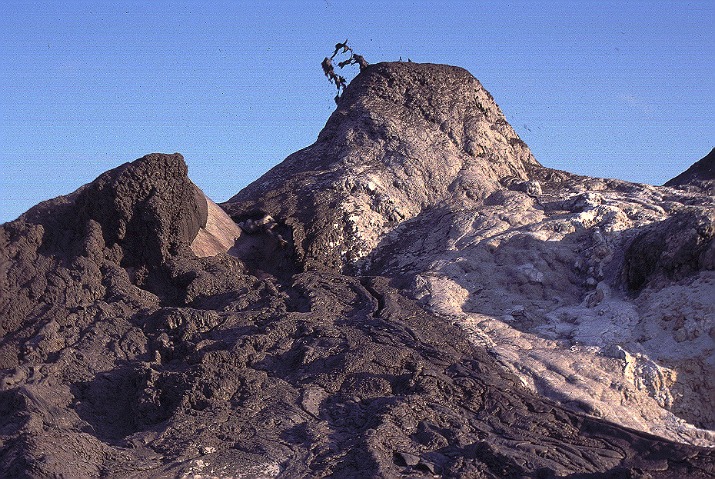
Oldoinyo Lengai, located in Tanzania, is a remarkable volcanic mountain situated in the northern part of the country near the Great Rift Valley. This unique geographical feature is known for its striking landscape, which includes ash plains, lava flows, and the surrounding lush terrain. The mountain’s elevated position and diverse landscape create a stunning and diverse environment that draws visitors and researchers alike. Its distinctive location and natural scenery make Oldoinyo Lengai a fascinating subject for exploration and study.
Position within the Rift Valley
Oldoinyo Lengai is a prominent volcano located in northern Tanzania, within the East African Rift Valley. It is situated east of the Gregory Rift and is part of the volcanic landscape that characterizes the rift’s geological activity. The mountain is positioned near Lake Natron, a shallow and alkaline lake that enhances its distinctive landscape. Its elevation reaches approximately 3,188 meters (10,463 feet) above sea level, making it the highest peak in the area. The volcano’s unique location within the Rift Valley contributes to its active and dynamic geological features, including its rare natrocarbonatite lava flows which are found nowhere else on Earth.
Topographical Features
Oldoinyo Lengai, located in northern Tanzania, is a remarkable volcanic mountain known for its unique geological features and striking landscape. As part of the East African Rift Valley, it stands out due to its distinctive topographical and volcanic characteristics, attracting geologists and tourists alike.
- Geographical Location: Situated in the Ngorongoro Conservation Area within Tanzania, Oldoinyo Lengai is approximately 40 kilometers southwest of Lake Natron and near the border with Kenya.
- Landscape and Topographical Features:
- The volcano rises about 2,878 meters (9,436 feet) above sea level, forming a prominent cone visible from afar.
- The terrain around Oldoinyo Lengai is characterized by rugged volcanic slopes, crater lakes, and barren lava fields.
- The mountain is renowned for its rare natrocarbonatite lava, which flows and cools quickly, creating unusual and dynamic landforms.
- Surrounding landscapes include sparse vegetation, acacia trees, and volcanic ash plains that extend into the surrounding plains of the Rift Valley.
- The area features geothermal activity with fumaroles and hot springs, adding to its geophysical diversity.
Surrounding Ecosystem and Vegetation
Oldoinyo Lengai, located in northern Tanzania near the eastern Rift Valley, is a prominent and unique volcanic mountain. Its geographical setting is characterized by its position within the Eastern African Rift, contributing to the region’s tectonic activity. The landscape surrounding Oldoinyo Lengai features rugged volcanic cones, steep slopes, and expansive plains that have been shaped by past eruptions.
The surrounding ecosystem is diverse, with semi-arid environments that support a variety of wildlife adapted to the volcanic landscape. The area hosts sparse grasses, hardy shrubs, and scattered acacia trees, which are typical of the East African highlands. The volcanic terrain creates unique microhabitats that support specialized flora and fauna, including migratory birds and various small mammals.
The vegetation in the vicinity of Oldoinyo Lengai is mainly composed of drought-resistant species that thrive in the mineral-rich soils created by volcanic activity. The landscape transitions from sparse grasslands to more lush areas in the lower altitudes, especially near water sources. The ecosystem plays a crucial role in maintaining biodiversity and supporting local pastoral communities who rely on the land for grazing and other resources.
Geological and Volcanic Characteristics
Oldoinyo Lengai, located in Tanzania, is a unique volcanic mountain renowned for its geological and volcanic features. As the only active volcano that erupts natrocarbonatite lava, it presents intriguing characteristics that set it apart from other volcanoes worldwide. Its geological history and volcanic activity offer valuable insights into the Earth’s dynamic processes and the formation of rare mineral compositions.
Unique TntO Formation
Oldoinyo Lengai, located in Tanzania, is renowned for its unique geological and volcanic features. It is the only active volcano known for its natrocarbonatite lava, which is significantly different from the typical silicate lavas found in other volcanoes. This mineral composition results in cooler, more fluid lava flows that can erupt at lower temperatures, usually around 500-600 degrees Celsius. The volcano’s crater is a striking landscape of ash and volcanic cones, shaped over thousands of years by ongoing eruptions. Its geological structure is characterized by a massive caldera and a range of volcanic landforms that reflect its dynamic volcanic activity. The formation of Oldoinyo Lengai is a result of tectonic plate movements that cause the magmatic activity beneath the East African Rift, leading to the creation of this distinctive and scientifically significant volcano.
Volcanic Activity and Eruption History
Oldoinyo Lengai, located in Tanzania, is a unique volcanic mountain known for its distinctive geological and volcanic characteristics. It is part of the East African Rift System and features a stratovolcano with a prominent crater. The volcano’s geological makeup includes rich carbonatite lavas, which are rare globally, giving it a distinctive appearance. Volcanically, Oldoinyo Lengai is considered one of the most active volcanoes in Africa, with frequent eruptions that have shaped its landscape over thousands of years.
The eruption history of Oldoinyo Lengai spans over a few hundred thousand years, with significant activity documented in historical times. Its eruptions are characterized by the emission of natrocarbonatite lava, which is much cooler than typical silicate lavas and appears dark, almost black, when freshly erupted. These eruptions often produce lava flows and volcanic ash that contribute to the formation of new geological features around the volcano. Despite its relatively frequent activity, the volcano remains a symbol of both natural beauty and scientific interest due to its unusual volcanic phenomena.
Mineralogy and Composition
Oldoinyo Lengai is a unique volcanic mountain located in Tanzania, renowned for its distinctive geological and volcanic characteristics. It is part of the East African Rift system and is famous for producing natrocarbonatite lava, a rare type of volcanic rock that erupts at relatively low temperatures. The volcano’s structure is composed mainly of volcanic cones and lava flows, demonstrating a mixture of volcanic and sedimentary features formed over thousands of years. Its activity has created a dynamic landscape marked by recent eruptions, particularly involving carbonatite lavas that are rich in alkali minerals.
The mineralogy of Oldoinyo Lengai is specialized, predominantly featuring natrocarbonatite rocks comprising minerals such as nyerereite and gregoryite. These minerals are composed mainly of sodium carbonate, potassium carbonate, and other alkali carbonates, which give the lava its characteristic low viscosity and temperature. The volcanic composition also includes ash deposits and pyroclastic materials that contain various volcanic glass and mineral fragments, contributing to the diverse mineral makeup of the region.
Volcano Eruption Style and Activity
Oldoinyo Lengai in Tanzania is renowned for its unique volcanic activity and distinctive eruption style. As the only known volcano to produce natrocarbonatite lava, it exhibits a fascinating blend of explosive and effusive eruptions that set it apart from other volcanoes worldwide. Studying its eruption patterns provides valuable insights into volcanic processes and the geological history of the region.
Types of Eruptions
Oldoinyo Lengai, located in Tanzania, is renowned for its unique volcanic eruption style and activity. Unlike many other volcanoes, it primarily produces natrocarbonatite lava, which is fluid and cools quickly, resulting in a distinctive eruption style. The volcano exhibits both explosive and effusive eruptions, often characterized by the emission of gases and lava flows that shape its landscape over time.
The types of eruptions at Oldoinyo Lengai include lava effusions, which create flows of natrocarbonatite that can travel significant distances, and minor explosive events that release ash and volcanic gases. These eruptions are generally considered to be less violent than those of stratovolcanoes, but their unique chemistry and flow characteristics make Oldoinyo Lengai a fascinating subject of study.
Overall, the volcano’s activity is relatively stable with periods of quiescence interrupted by eruptions. Its rare natrocarbonatite lava eruptions provide valuable insights into low-temperature volcanic processes and contribute to the distinct geology of the East African Rift region. Understanding Oldoinyo Lengai’s eruption style helps scientists better comprehend volcanic behaviors associated with carbonate-rich magmas.
Frequency and Historical Eruptions
Oldoinyo Lengai, located in Tanzania, is renowned for its unique volcanic activity and eruption style. This volcano is classified as a stratovolcano with a distinctive type of eruption called natrocarbonatite lava flows, which are unusually fluid and cool rapidly, creating distinctive black carbonatite lavas. Its eruptions tend to be explosive yet relatively calm compared to other volcanoes, characterized by the emission of ash, gases, and lava flows. Oldoinyo Lengai’s activity is highly irregular but remains consistently active, with eruptions occurring over the past several centuries.
Throughout its history, Oldoinyo Lengai has experienced numerous eruptions, some dating back to prehistory, with documented activity recorded since the early 20th century. The volcano’s eruptions typically occur every few years or decades, making them relatively frequent in comparison to more dormant volcanoes. Its most notable recent eruptions have occurred in the 20th and 21st centuries, often involving the production of natrocarbonatite lava flows that continue to shape the landscape of the Maasai Steppe and surrounding areas. Despite its relatively frequent activity, Oldoinyo Lengai remains a significant and fascinating site for volcanologists due to its rare eruptive materials and ongoing geological processes.
Impact on the Landscape and Environment
Oldoinyo Lengai, located in Tanzania, is a unique volcano known for its distinctive eruption style and significant impact on the surrounding landscape and environment. It is classified as a stratovolcano and is famous for its natrocarbonatite lava, which is relatively rare among volcanoes worldwide. Its eruptions are often characterized by gentle, fluid lava flows that can last for extended periods, but it can also produce more explosive events involving ash and gas emissions.
The volcanic activity at Oldoinyo Lengai has shaped the landscape dramatically over thousands of years. Its eruptions create fresh lava flows that add to the mountainous terrain, while the cooling lava forms distinctive, often black-colored formations that contrast with the surrounding colorless ash deposits. The volcano’s activity influences groundwater availability and soil fertility, fostering unique ecosystems around the volcano.
Environmentally, Oldoinyo Lengai plays a crucial role in maintaining the biodiversity of the region. Its volcanic activity enriches the soil, supporting diverse plant life, and provides geothermal habitats for specialized fauna. However, eruptions can also pose hazards, such as ash fall and gas emissions that affect local communities and wildlife. Overall, the volcano’s continuous activity contributes both to the formation of the landscape and to ecological processes in the area.
Special Features of Oldoinyo Lengai
Oldoinyo Lengai, located in Tanzania, is renowned for its unique volcanic features that distinguish it from other volcanoes worldwide. As the only active volcano to erupt natrocarbonatite lava, it offers a rare glimpse into unusual volcanic activity. Its distinctive landscape, characterized by ash cones and crater lakes, attracts geologists and travelers alike. These special features make Oldoinyo Lengai a remarkable natural phenomenon with significant scientific and cultural importance.
Carbonatite Lava and Its Uniqueness
Oldoinyo Lengai, located in Tanzania, is renowned for its unique volcanic features, making it a geological marvel. One of its most distinctive aspects is the presence of carbonatite lava, which sets it apart from other volcanoes worldwide. The carbonatite lava erupts at relatively low temperatures, around 510-600°C, and is composed predominantly of sodium and potassium carbonates, giving it a unique composition. This type of lava is highly fluid and cools rapidly, producing black, glassy flows that contrast sharply with the more common silicate lavas. The volcano’s ability to emit carbonatite lava is a rare phenomenon observed in only a handful of volcanoes globally, adding to its scientific significance. Additionally, Oldoinyo Lengai’s eruptions often occur at night, creating spectacular visual displays, and its ashes and flows influence local ecosystems and communities. The volcano’s active status, coupled with its unusual carbonate lava, makes it a fascinating site for geologists and travelers alike.
Color and Texture of Lava Flows
Oldoinyo Lengai in Tanzania is renowned for its unique volcanic features, particularly its distinctive lava flows. The volcano’s lava flows are notable for their unusual color and texture, setting them apart from other volcanoes worldwide.
The lava produced by Oldoinyo Lengai is predominantly natrocarbonatite, which is significantly different from typical basaltic lava. This type of lava often appears dark brown to black when freshly erupted but can sometimes take on a reddish hue due to oxidation. The surface texture of the lava flows is generally smooth and glassy, with some flows exhibiting a rough or crusted appearance as they cool and solidify. These transitions result in a striking visual contrast that makes Oldoinyo Lengai a fascinating subject for geologists and visitors alike.
Crater and Summit Features
Oldoinyo Lengai, located in Tanzania, is renowned for its unique geological features and volcanic activity. The crater of Oldoinyo Lengai is notable for its exceptional temperature and composition, making it distinct among volcanoes worldwide. The summit features a relatively low elevation compared to other volcanoes, yet it holds significant cultural and geological importance. The volcano’s crater occasionally releases natrocarbonatite lava, a rare type of volcanic material that cools rapidly to form unusual, dark, glassy formations. The steep crater walls and irregular summit shape add to its dramatic appearance, attracting geologists and tourists alike. Its special features highlight the volcano’s active nature and unique mineralogy, making Oldoinyo Lengai a fascinating subject for scientific study and exploration.
Ecology and Wildlife
Ecology and wildlife play a vital role in maintaining the balance of natural ecosystems around the world. They encompass the interactions between living organisms and their environments, ensuring the health and sustainability of diverse habitats. In the context of Oldoinyo Lengai in Tanzania, these natural processes are uniquely shaped by the volcanic landscape and its surrounding ecosystems, supporting a variety of species and fostering a dynamic environment for both flora and fauna.
Flora Adaptations
Oldoinyo Lengai in Tanzania is a unique volcanic mountain that plays a vital role in the local ecology and wildlife. Its ash and lava flows create distinctive habitats that support specialized flora and fauna adapted to extreme conditions. These adaptations enable plants and animals to survive the volcanic soil’s nutrient variability and the area’s periodic eruptions.
Many plant species in the region have developed remarkable adaptations, such as deep root systems to access scarce water and thick, protective leaves to reduce water loss. Some plants also have the ability to grow on volcanic rocks, showcasing their resilience and specialized physiology.
Wildlife around Oldoinyo Lengai has also evolved unique adaptations to thrive in this harsh environment. Certain insects and animals have developed resistance to soil toxins and extreme temperatures. For example, some bird species have adapted to feed on endemic insects, while others utilize the volcanic landscape for nesting, taking advantage of the solitude and protection it offers.
Fauna in the Vicinity
Oldoinyo Lengai in Tanzania is renowned for its unique and vibrant ecology, hosting a diverse array of wildlife and fauna in its surrounding vicinity. The region’s volcanic landscape creates a distinctive habitat that supports various plant and animal species adapted to its conditions. Among the notable fauna are various antelopes, such as the dik-dik and the oribi, which graze on the sparse vegetation. Bird enthusiasts can observe numerous species, including vultures, eagles, and silvery cheeked hornbills, soaring high above the volcanic crater. The area also provides shelter for smaller mammals and reptiles that thrive in the rocky and semi-arid environment. Conservation efforts are crucial to preserve this delicate ecosystem, which is vital for maintaining biodiversity and supporting local wildlife populations. The diverse fauna found around Oldoinyo Lengai offers a fascinating glimpse into how life endures and adapts in volcanic and semi-arid landscapes of Tanzania.
Conservation Status and Challenges
Oldoinyo Lengai, an active volcano in Tanzania, plays a significant role in the region’s ecology and wildlife. The unique volcanic landscape provides a habitat for specialized flora and fauna adapted to its harsh environment. Conservation efforts are crucial to preserve the area’s biodiversity, which faces numerous challenges such as climate change, volcanic activity, and human interference. The conservation status of the surrounding ecosystems is vulnerable, necessitating ongoing monitoring and protection initiatives to ensure the survival of native species and the ecological integrity of this distinctive landscape.
Cultural and Religious Significance
Oldoinyo Lengai in Tanzania holds profound cultural and religious significance for local communities and indigenous groups. Known as the “Mountain of God,” it is regarded as a sacred site where spiritual beliefs and traditions are deeply rooted. The mountain’s unique volcanic activity and its role in various rituals reflect its importance in shaping cultural identities and religious practices in the region.
Holy Mountain for Masai People
Oldoinyo Lengai in Tanzania holds profound cultural and religious significance for the Maasai people. It is considered a sacred mountain, often referred to as the “Mountain of God” or “Holy Mountain,” embodying their spiritual beliefs and traditions. The Maasai regard the volcano as a divine place where they connect with their ancestors and seek blessings. Rituals, ceremonies, and offerings are frequently performed on or around the mountain to honor their gods and ensure the health and prosperity of their community. For the Maasai, Oldoinyo Lengai is not just a geological feature but a vital spiritual symbol that sustains their cultural identity and religious practices.
Traditional Beliefs and Rituals
Oldoinyo Lengai, located in Tanzania, holds profound cultural and religious significance for the Maasai people who live nearby. The mountain is considered a sacred site, often regarded as a dwelling of the elders and a spiritual center where rituals and ceremonies are conducted to honor earth spirits and ancestral gods. Traditional beliefs emphasize the mountain’s role as a powerful symbol of life, fertility, and connection to the divine.
Among the Maasai, various rituals are performed to seek blessings for rain, successful livestock grazing, and health. Offerings of milk, blood, and other symbolic items are common during these ceremonies, which are often conducted at specific sites on the mountain. These rituals serve to strengthen the bond between the community and nature, reinforcing the cultural identity and spiritual heritage associated with Oldoinyo Lengai.
Tourism and Cultural Heritage
Oldoinyo Lengai in Tanzania holds profound cultural and religious significance for the Maasai people, who regard it as a sacred mountain and a spiritual symbol. The Maasai tradition considers the volcano a place of worship and spiritual power, often conducting rituals and ceremonies to honor the mountain and seek its blessings. As one of the few active volcanic sites producing unique natrocarbonatite lava, Oldoinyo Lengai also attracts researchers and geologists interested in its rare volcanic activity.
The mountain is a prominent tourist destination, drawing adventurers, nature enthusiasts, and photographers eager to witness its extraordinary landscape and volcanic eruptions. Visitors are captivated by the mountain’s striking appearance, especially during the volcanic activity, which creates a dramatic and awe-inspiring spectacle. Tours often include cultural experiences with the Maasai community, providing insights into their traditions and relationship with the mountain.
Oldoinyo Lengai’s status as a UNESCO World Heritage site underscores its importance as a cultural and natural heritage landmark. Its unique geological features, combined with its deep cultural significance, make it a vital site for preservation and tourism. Efforts to protect and promote Oldoinyo Lengai help ensure that its cultural, religious, and natural values are sustained for future generations.
Tourism and Climbing Expeditions
Oldoinyo Lengai, located in Tanzania, is a unique and captivating destination for tourism and climbing expeditions. Known as the “Mountain of God,” it attracts adventurers and nature enthusiasts eager to explore its volcanic landscape and witness its rare eruptions. This extraordinary mountain offers an unforgettable experience for those seeking adventure, history, and breathtaking scenery in East Africa.
Guided Tours and Best Time to Visit
Oldoinyo Lengai in Tanzania is a unique and captivating destination that attracts adventurous travelers interested in volcanoes and climbing expeditions. Guided tours are highly recommended to ensure safety and provide expert insights into the geological features and cultural significance of this active volcano. The terrain can be challenging, so proper preparation and guidance enhance the overall experience.
The best time to visit Oldoinyo Lengai is during the dry season, which generally spans from June to October and January to February. During these months, clear skies and stable weather conditions make climbing safer and more enjoyable. Avoid the rainy season, typically from March to May and November to December, as the trails can be slippery and hazardous. Planning your trip during the optimal months allows for a memorable and safe adventure on this remarkable Tanzanian volcano.
Climbing Routes and Difficulty
Oldoinyo Lengai in Tanzania is a captivating destination for tourism and climbing expeditions, offering an extraordinary experience for adventure enthusiasts. Known as the “Mountain of God,” it holds a unique place in volcanic and mountaineering history due to its active volcano and distinctive geological features. Climbing Oldoinyo Lengai provides a challenging yet rewarding journey, attracting trekkers from around the world who seek to explore its rugged terrain and volcanic landscapes.
The mountain features a variety of climbing routes suited for different skill levels. The most common ascent involves a trek from the southeastern side, where climbers navigate steep paths and loose volcanic ash. The route to the crater rim is often undertaken at dawn to witness the sunrise over the caldera. The difficulty level varies; technically, the climb is considered moderate but demands good physical fitness due to the steep inclines and unstable ground, especially near the crater.
Climbers should be prepared for the challenging conditions, including high temperatures during the day and cold temperatures at the summit. Proper gear, guidance from experienced guides, and acclimatization are essential for a safe and successful expedition. Oldoinyo Lengai stands as a fascinating destination that combines cultural significance with adventurous climbing opportunities, making it a must-visit for mountaineers and nature lovers alike.
Safety Precautions and Regulations
Oldoinyo Lengai, located in Tanzania, is a unique and active volcano renowned for its significance to both spiritual practices and adventurous tourism. Climbing expeditions to this volcanic mountain attract thrill-seekers and nature enthusiasts eager to explore its volcanic landscape and observe its rare natural phenomena. Ensuring safety during these expeditions is paramount due to the mountain’s active status and challenging terrain.
Travelers and climbers should always prioritize safety by preparing adequately with proper gear, including sturdy hiking boots, warm clothing, and sufficient water supplies. It is strongly advised to climb with experienced guides familiar with the mountain’s terrain and eruption patterns. Visitors should stay informed about the current volcanic activity levels and adhere strictly to safety instructions provided by local authorities or guides.
Regulations for climbing Oldoinyo Lengai aim to protect both visitors and the fragile environment. Climbers are typically required to obtain permits beforehand and to follow designated routes to minimize environmental impact and ensure safety. Respect for local communities and wildlife is crucial, and climbers should avoid disturbing the natural habitat. Responsible tourism practices help ensure that this incredible geological site remains preserved for future generations.


0 Comments