
Overview of Tanzania Safari
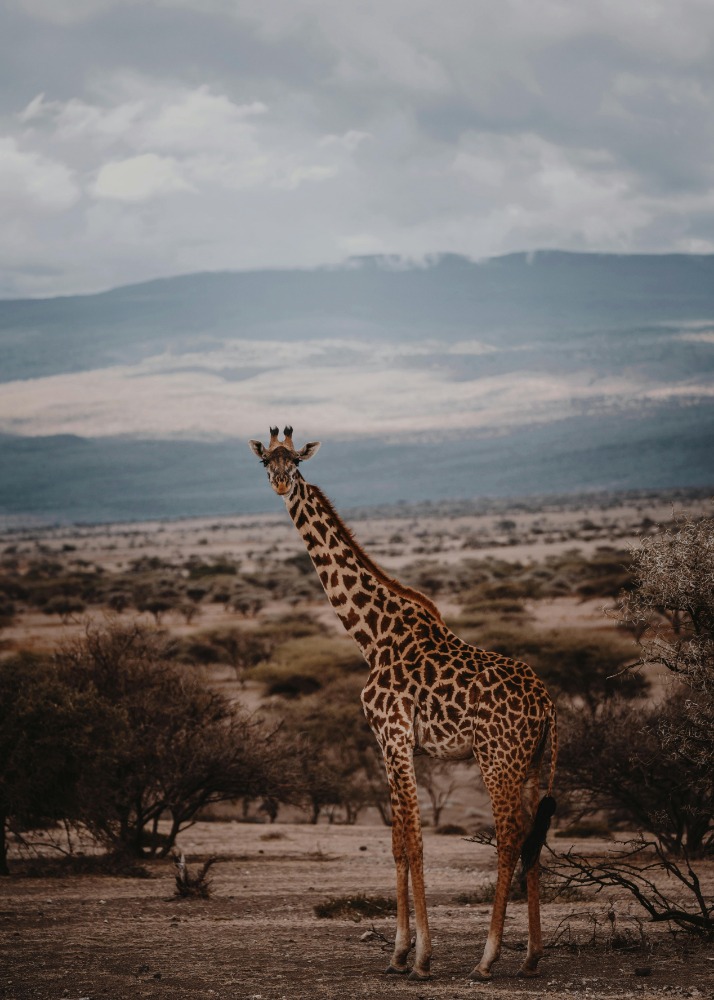
Experience the breathtaking beauty and diverse wildlife of Tanzania through an unforgettable safari adventure. Known for its stunning landscapes, iconic national parks, and rich cultural heritage, Tanzania offers a perfect destination for nature enthusiasts and adventure seekers alike. Discover the remarkable wildlife, including the legendary Big Five, amidst vast savannahs, lush forests, and towering mountains.
Geographical Location and Climate
Tanzania Safari offers an extraordinary adventure through one of Africa’s most stunning and diverse landscapes, famous for its abundant wildlife and natural beauty. Visitors can explore vast savannahs, towering mountains, and pristine lakes while experiencing the rich cultural heritage of the region.

Geographically, Tanzania is located in East Africa, bordered by Kenya and Uganda to the north, Rwanda, Burundi, and the Democratic Republic of Congo to the west, Zambia, Malawi, and Mozambique to the south, and the Indian Ocean to the east. The country is home to iconic landmarks such as Mount Kilimanjaro, Africa’s highest peak, and the Serengeti National Park, renowned for the Great Migration.
The climate in Tanzania varies depending on the region and altitude. Generally, it features a tropical climate with distinct wet and dry seasons. The coastal areas and islands tend to be hot and humid year-round, while the inland plains and mountains experience cooler temperatures. The dry season, from June to October, is ideal for safaris as animals congregate around water sources, making wildlife viewing more accessible. The rainy season, from November to May, brings lush landscapes and is perfect for birdwatching and exploring the country’s vibrant flora.
Best Time to Visit
Tanzania Safari offers an extraordinary adventure into some of Africa’s most renowned wildlife destinations, including the Serengeti National Park and Ngorongoro Crater. Visitors can experience breathtaking landscapes, witness the Great Migration, and see a diverse range of wildlife such as lions, elephants, cheetahs, and rhinoceroses in their natural habitat. The country’s rich ecology and stunning scenery make it a premium safari destination for nature enthusiasts and adventure travelers alike.
The best time to visit Tanzania for a safari is during the dry seasons from June to October and December to February. During these months, wildlife congregates around water sources, making it easier to spot animals. The dry season also offers clearer skies and more stable weather conditions, providing optimal safari experiences and better opportunities for photography. Planning your trip within these periods ensures a memorable and rewarding wildlife adventure.
Top Safari Destinations in Tanzania
Discover the breathtaking beauty of Tanzania through its top safari destinations, where stunning landscapes and diverse wildlife abound. From vast savannahs to lush national parks, Tanzania offers an unforgettable experience for nature enthusiasts and adventure seekers alike. Explore the rich biodiversity and captivating scenery that make this country a premier safari destination in Africa.
Serengeti National Park
Serengeti National Park in Tanzania is one of the most iconic safari destinations in Africa, renowned for its breathtaking landscapes and incredible wildlife experiences. It attracts travelers from around the world seeking to witness the awe-inspiring Great Migration and to observe the Big Five in their natural habitat.
- Serengeti National Park
- Ngorongoro Crater
- Lake Manyara National Park
- Selous Game Reserve
- Ruaha National Park
Ngorongoro Conservation Area
Ngorongoro Conservation Area is one of the most breathtaking safari destinations in Tanzania, renowned for its stunning wildlife and breathtaking landscapes. This UNESCO World Heritage site is home to the famous Ngorongoro Crater, the world’s largest inactive volcanic caldera, which provides a natural wildlife sanctuary teeming with lions, elephants, rhinoceroses, and countless other species. Visitors can enjoy exceptional game viewing opportunities, often spotting the Big Five in a single day.
Other top safari destinations in Tanzania include Serengeti National Park, famed for its dramatic migrations of wildebeest and zebras and vast savannahs that host a diverse range of wildlife. Tarangire National Park is known for its large herds of elephants and iconic baobab trees, offering a unique safari experience. Lake Manyara National Park provides lush environs and tree-climbing lions, making it a popular choice for birdwatchers and wildlife enthusiasts alike.
Experience the vibrant culture of the Maasai people while exploring these protected areas, and immerse yourself in the natural beauty and rich biodiversity that make Tanzania a premier safari destination. Whether seeking adventure, wildlife photography, or tranquil natural vistas, Tanzania’s top safari destinations promise unforgettable experiences for every traveler.
Tarangire National Park
Tarangire National Park is one of the top safari destinations in Tanzania, renowned for its stunning landscapes and abundant wildlife. Located in northern Tanzania, it is famous for the large herds of elephants that gather around the park’s extensive water sources, especially during the dry season. Visitors can also expect to see lions, cheetahs, giraffes, zebras, and numerous bird species in this picturesque ecosystem. The park’s unique mix of baobab trees, rivers, and lush plains creates a captivating environment for safari enthusiasts. Tarangire offers excellent game viewing opportunities and a chance to experience the serene wilderness of Tanzania, making it a must-visit on any Tanzanian safari itinerary.
Lake Manyara National Park
Tanzania is renowned for its breathtaking safari destinations, offering extraordinary wildlife experiences and stunning landscapes. Among these, Lake Manyara National Park stands out as a top safari destination, known for its diverse habitats and abundant wildlife. Visitors to Lake Manyara can enjoy game drives amidst lush forests, soda lakes, and acacia woodlands, where elephants, giraffes, hippos, and a wide variety of bird species, including flamingos, thrive. The park’s unique setting provides excellent opportunities for bird watching and observing wildlife up close in a relatively compact area. Whether exploring on a guided safari or enjoying the scenic beauty by boat, Lake Manyara National Park is a must-visit for those seeking an authentic Tanzanian safari experience filled with adventure and natural splendor.
Selous Game Reserve
Tanzania is renowned for its stunning safari destinations, offering unforgettable wildlife experiences. Among these, the Selous Game Reserve stands out as one of the largest and most pristine wildlife reserves in Africa. Located in southern Tanzania, the Selous is a UNESCO World Heritage Site, known for its abundant fauna and breathtaking scenery. Visitors can enjoy game drives, boat safaris on the Rufiji River, and walking safaris that provide an intimate encounter with nature. The reserve is home to elephants, lions, rhinos, wild dogs, and a variety of bird species, making it a top destination for safari enthusiasts seeking diverse and authentic wildlife adventures in Tanzania.
Wildlife and Biodiversity
Wildlife and biodiversity are vital components of Tanzania’s rich natural heritage, offering a stunning array of animals and plant species that thrive in its diverse ecosystems. From sprawling savannas to lush forests, Tanzania is renowned for its incredible wildlife, making it a premier destination for safaris. Exploring this extraordinary environment provides a unique opportunity to witness the beauty and importance of preserving our planet’s natural diversity.
Big Five Animals
Tanzania is renowned for its incredible wildlife and rich biodiversity, making it a premier destination for safaris. The country boasts a diverse range of habitats, from vast savannahs to dense forests and shimmering lakes, supporting a wide variety of species. Visitors to Tanzania can witness an astonishing array of animals in their natural environment, including the famous Big Five.
The Big Five animals—lion, elephant, buffalo, leopard, and rhinoceros—are considered the most sought-after wildlife sightings on safari. These majestic creatures symbolize the beauty and grandeur of Africa’s wilderness. Tanzania offers some of the best opportunities to observe these magnificent species, particularly in world-famous parks like Serengeti National Park and Ngorongoro Crater.
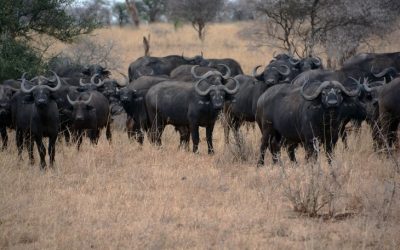
The lion, known for its regal presence, roams the expansive plains, while elephants, the largest land animals, roam in large herds across the savannah. The African buffalo creates a formidable presence, often seen in large groups. Leopards, elusive and stealthy, can sometimes be spotted resting in trees or stalking prey. The critically endangered rhinoceros, both black and white species, is protected within conservation areas in Tanzania, highlighting the importance of preserving these iconic species for future generations.
Exploring Tanzania’s wilderness offers a unique and unforgettable experience, allowing tourists to witness the Big Five and immerse themselves in the remarkable biodiversity that defines this African paradise. Conservation efforts continue to play a vital role in safeguarding these species, ensuring that Tanzania remains a sanctuary for wildlife and a premier safari destination.
Bird Watching Opportunities
Tanzania offers some of the most remarkable wildlife and biodiversity experiences in Africa, making it a paradise for bird watchers and nature enthusiasts alike. The country’s vast landscapes and protected areas host an incredible variety of flora and fauna, providing countless opportunities to observe birds in their natural habitats. Whether in national parks, game reserves, or along the coast, visitors can enjoy close encounters with diverse bird species that thrive in Tanzania’s rich ecosystems.
- Ngorongoro Crater: Known for its dense population of birds, including flamingos, storks, and vultures, this UNESCO World Heritage site offers fantastic bird watching prospects.
- Serengeti National Park: Besides the iconic wildlife migrations, the Serengeti hosts numerous bird species such as lovebirds, companions, and eagles, providing excellent sighting opportunities throughout the year.
- Lake Manyara National Park: Famous for its flamingos and pelicans, this park’s diverse habitats—wetlands, forests, and grasslands—are a haven for bird lovers.
- Tarangire National Park: With its large elephant herds and baobab trees, Tarangire has a wealth of bird species, including hornbills, kingfishers, and it’s considered a birding hotspot.
- Zanzibar Archipelago: For those interested in coastal bird watching, Zanzibar offers opportunities to observe sea birds, shorebirds, and migratory species along its beaches and mangroves.
Special Species and Endemic Wildlife
Tanzania is renowned for its rich wildlife and remarkable biodiversity, making it a premier destination for safari enthusiasts. The country is home to a vast array of species, including the majestic elephants, lions, leopards, and rhinos, which roam freely across expansive national parks and protected areas. Its diverse ecosystems, from the savannahs of the Serengeti to the wetlands of the Selous, support an incredible variety of flora and fauna, showcasing the beauty of nature’s resilience.
Special species in Tanzania include the elusive African wild dog, the cheetah, and the rare sable antelope, each adding unique interest to safaris. The country also hosts the annual Great Migration, where millions of wildebeest, zebras, and gazelles traverse the plains, providing a spectacular sight for visitors. These species are vital for maintaining ecological balance and are a significant reason why Tanzania’s wilderness adventures are unparalleled.
Endemic wildlife in Tanzania are species that are found nowhere else in the world. These include certain subspecies of bird, such as the Fluorescent Headed Starling, and unique plant species that have evolved specifically within its habitats. Protecting these endemic and special species is crucial for conserving Tanzania’s natural heritage, ensuring future generations continue to experience its remarkable biodiversity. Visiting Tanzania not only offers an exciting safari experience but also supports ongoing conservation efforts to preserve these irreplaceable species and their habitats.
Safari Types and Experiences
Embarking on a Tanzania safari offers a diverse array of experiences and safari types, each designed to highlight the country’s incredible wildlife and scenic landscapes. From thrilling game drives in iconic national parks to immersive walking safaris and luxurious lodge stays, travelers can choose the adventure that best suits their interests. Whether exploring the vast plains of the Serengeti or marveling at the majestic Ngorongoro Crater, Tanzania provides unforgettable safari experiences tailored to every adventurer.
Luxury Lodge Safaris
Tanzania safaris offer a diverse range of safari types and experiences, particularly through luxury lodge safaris that immerse travelers in the natural beauty of the region. These safaris typically include stays at exclusive, high-end lodges and tented camps that provide comfort and elegance amidst wildlife-rich landscapes. Whether exploring the expansive Serengeti, witnessing the Great Migration, or discovering the unique ecosystem of Ngorongoro Crater, visitors can enjoy a blend of adventure and luxury. The experience often features guided game drives, cultural visits, hot air balloon safaris, and personalized service to ensure a memorable journey through Tanzania’s incredible wilderness.
Mobile Camping Safaris
Tanzania offers a diverse range of safari types and experiences that cater to every adventure seeker. Mobile camping safaris are among the most popular, allowing travelers to immerse themselves fully in the wilderness while moving from one stunning location to another. These safaris typically involve setting up temporary tents and campgrounds in remote areas, providing a true sense of adventure and closeness to nature. Visitors can enjoy unrestricted viewing of wildlife, often in areas less accessible to larger, traditional lodges. Mobile safaris also offer flexibility, enabling customized routes and experiences across Tanzania’s renowned national parks such as Serengeti, Ngorongoro Crater, and Selous. This style of safari is ideal for those seeking an authentic, immersive, and adventurous way to explore Tanzania’s incredible landscapes and rich wildlife heritage. Aside from mobile safaris, Tanzania also offers luxury lodge safaris, walking safaris, and photographic safaris, each providing unique perspectives and experiences of the country’s natural beauty.
Walking Safaris
In Tanzania, safari types and experiences offer a diverse array of ways to explore the stunning wildlife and landscapes. Walking safaris are among the most immersive options, allowing visitors to connect closely with nature under the guidance of experienced guides. These safaris provide a unique opportunity to observe smaller details of the environment, such as animal footprints, plant life, and bird species, which are often missed from vehicles. Walking safaris are typically conducted in secure national parks like Serengeti, Ngorongoro, and Manyara, where the terrain varies from open plains to lush forests. Apart from walking safaris, travelers can also enjoy game drives in specially equipped vehicles, hot air balloon safaris offering a bird’s-eye view of the wilderness, and cultural safaris to learn about the Maasai and other local communities. Each safari type enriches the Tanzanian experience, providing unforgettable encounters with its remarkable flora and fauna.
Photographic Safaris
Tanzania offers a diverse range of safari types and experiences, making it an ideal destination for adventure seekers and nature lovers alike. From classic game drives to walking safaris, visitors can immerse themselves in the wild beauty of the country’s renowned national parks. Photographic safaris are particularly popular, providing travelers with opportunities to capture stunning images of the majestic wildlife and breathtaking landscapes. These specialized safaris often include expert guides and photographers who help guests find perfect vantage points and optimal lighting conditions. Whether exploring the endlessly plains of the Serengeti or encountering the iconic animals of Ngorongoro Crater, a Tanzania safari promises unforgettable moments and exceptional photographic opportunities.
Activities and Excursions
Embarking on a Tanzania safari offers an extraordinary opportunity to explore diverse activities and exciting excursions amid breathtaking landscapes. From thrilling game drives in renowned national parks to relaxing boat safaris on scenic lakes, visitors can immerse themselves in the natural beauty and vibrant wildlife of Tanzania. These experiences promise unforgettable adventures for nature enthusiasts and adventure seekers alike.
Hot Air Balloon Rides
Experiencing a hot air balloon ride is an unforgettable activity during a Tanzania safari. Glide silently over the savannah at sunrise, witnessing breathtaking vistas of wildlife roaming freely below. This exhilarating excursion provides a unique perspective on the expansive landscapes and abundant animals, from elephants and lions to giraffes and zebras. Whether celebrating special occasions or simply seeking adventure, hot air balloon safaris offer an extraordinary way to immerse yourself in the natural beauty of Tanzania and create lasting memories. Remember to book with reputable operators to ensure safety and optimal viewing experiences during this remarkable activity.
Cultural Tours and Visits to Maasai Villages
Experience the rich cultural heritage and natural beauty of Tanzania through a variety of activities and excursions. Cultural tours offer the chance to explore the vibrant traditions and history of local tribes, providing an authentic insight into their way of life. Visits to Maasai villages are particularly popular, allowing visitors to engage with Maasai communities, observe traditional dances, and learn about their customs and daily routines. These immersive experiences not only enhance your understanding of Tanzanian culture but also support local livelihoods. Additionally, safari excursions into national parks and reserves provide incredible opportunities to witness diverse wildlife and stunning landscapes in their pristine environment. Combining these activities creates a memorable and comprehensive journey through Tanzania’s unparalleled natural and cultural treasures.
Bird Watching Tours
Discover the beauty of Tanzania on a thrilling bird watching tour, where enthusiasts can witness a stunning variety of avian species in their natural habitats. These excursions offer an unforgettable experience for nature lovers and avid birders alike, providing an opportunity to explore diverse ecosystems and observe rare and colorful birds.
- Visit the Serengeti National Park to see iconic species like the Lilac-breasted Roller and the Superb Starling in their expansive plains.
- Explore Lake Manyara, known for its vibrant waterbirds such as flamingos, pelicans, and storks.
- Take a trip to the Ngorongoro Crater to spot unique bird species perched on volcanic cliffs and inside the lush crater floor.
- Enjoy guided bird watching excursions in Tarangire National Park, famous for its large herds of elephants and acacia woodland teeming with birdlife.
- Combine your bird watching with other activities like game drives, walking safaris, and cultural visits to local Maasai villages for a comprehensive Tanzania safari experience.
Planning Your Tanzania Safari
Planning a Tanzania safari is an exciting journey that promises unforgettable wildlife experiences and breathtaking landscapes. From the stunning savannas of the Serengeti to the majestic Ngorongoro Crater, preparation is key to making the most of your adventure. Understanding the best times to visit, choosing the right parks, and organizing your logistics will ensure a smooth and memorable safari experience in Tanzania.
Visa and Booking Requirements
Planning a Tanzania safari requires careful organization to ensure a smooth and enjoyable experience. It is essential to determine the best time to visit, usually during the dry seasons from June to October or December to February, for optimal wildlife viewing. Researching and selecting the right national parks, such as Serengeti, Ngorongoro Crater, or Tarangire, will help tailor your adventure to your interests. Additionally, arranging accommodation and transportation in advance is highly recommended to secure the best options and prices.
Regarding visa requirements, most travelers need a visa to enter Tanzania, which can be obtained either through an online e-visa system or upon arrival at the airport. It is advisable to check the latest visa policies and ensure your passport is valid for at least six months beyond your planned departure date. Necessary documentation, including a passport-sized photograph and proof of onward travel, should be prepared ahead of time.
When booking your safari, consider working with reputable tour operators who can customize your experience and handle permits, park fees, and local guides. Confirm what is included in the package, such as meals, park activities, and rijden. Additionally, verify travel insurance coverage and health precautions, such as vaccinations and malaria prophylaxis, to ensure a safe and memorable Tanzanian safari adventure.
Travel Tips and Safety Precautions
Planning a Tanzania safari requires careful preparation to ensure a memorable and safe experience. Start by selecting the best time to visit, which is typically during the dry season from June to October when wildlife viewing is at its peak. Research reputable tour operators and lodges to guarantee quality service and safety standards. It’s essential to obtain the necessary visas and vaccinations before departure and check travel advisories for any updates.
When packing, bring lightweight, neutral-colored clothing, sun protection, insect repellent, and binoculars for better wildlife observation. Always carry sufficient water, snacks, and personal medical supplies, especially if venturing into remote areas. Respect local customs and wildlife guidelines to avoid disturbances or dangerous situations. Follow your guide’s instructions at all times to ensure safety in unpredictable environments.
Stay informed about health precautions, including malaria prevention and vaccinations recommended for travelers to Tanzania. Keep your valuables secure and avoid displaying expensive items to prevent theft. In case of an emergency, know the location of the nearest medical facilities or contact your tour operator for assistance. With proper planning and cautious travel habits, your Tanzanian safari can be a safe and unforgettable adventure in the heart of Africa.
Packing Essentials
Planning your Tanzania safari requires careful preparation to ensure a smooth and enjoyable experience. Packing the right essentials is crucial for comfort, safety, and maximizing your enjoyment of this incredible adventure. Consider the climate, wildlife activities, and local environment when selecting your items. Essential clothing includes lightweight, breathable layers, a wide-brimmed hat, sunglasses, and sturdy hiking shoes. Don’t forget sun protection such as sunscreen and lip balm. Carry a good quality camera with extra batteries and memory cards to capture unforgettable moments. In addition, pack any necessary travel documents, basic first aid supplies, insect repellent, and binoculars for better wildlife viewing. Being well-prepared with these essentials will help you make the most of your Tanzania safari experience.
Sustainable Tourism and Conservation Efforts
Sustainable tourism and conservation efforts play a vital role in preserving Tanzania’s rich natural heritage, especially its iconic wildlife and pristine landscapes. By promoting responsible travel practices, these initiatives ensure that visitors can enjoy the breathtaking scenery and diverse species without compromising the environment for future generations. In the context of Tanzania safaris, balancing tourism growth with conservation is essential for maintaining the country’s unique ecological and cultural treasures.
Community Involvement
Sustainable tourism and conservation efforts are essential for maintaining the natural beauty and biodiversity of Tanzania’s safari destinations. By promoting responsible travel practices, local communities can benefit economically while helping protect wildlife and their habitats. Community involvement plays a crucial role in ensuring these efforts are successful and lasting.
- Local communities participate in wildlife conservation programs, which create incentives to preserve natural resources.
- Eco-friendly lodges and tour operators adopt sustainable practices to reduce their environmental footprint.
- Tourists are encouraged to follow guidelines that minimize disturbance to animals and ecosystems.
- Community-based tourism initiatives empower residents, providing employment and promoting cultural heritage preservation.
- Partnerships between governments, NGOs, and local communities help fund conservation projects and education programs.
Wildlife Conservation Initiatives
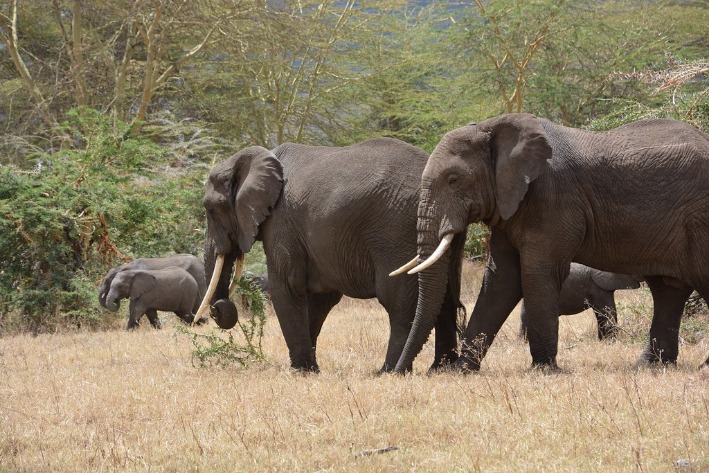
Tanzania safari is renowned for its breathtaking landscapes and rich biodiversity, making it a prime destination for sustainable tourism and conservation efforts. These initiatives are essential to preserving the natural habitat and ensuring that future generations can enjoy the country’s unique wildlife and scenic beauty.
- Community-Based Conservation Projects: Local communities are actively involved in protecting wildlife through programs that promote eco-tourism and provide economic benefits, reducing poaching and habitat destruction.
- Protected Areas and National Parks: Tanzania’s extensive network of parks such as Serengeti and Ngorongoro Crater implement strict conservation policies to safeguard endangered species like elephants, lions, and rhinoceroses.
- Wildlife Monitoring and Research: Ongoing scientific research and technological monitoring help track animal populations and identify threats, enabling targeted conservation actions.
- Anti-Poaching Initiatives: Specialized patrols, increased surveillance, and anti-poaching laws play a crucial role in combating illegal wildlife trade and ensuring species survival.
- Habitat Restoration Projects: Efforts such as reforestation and wetland rehabilitation restore degraded ecosystems and expand habitats vital for diverse species.
Eco-friendly Safari Practices
Sustainable tourism and conservation efforts are essential for preserving Tanzania’s rich biodiversity while allowing visitors to experience its breathtaking landscapes and wildlife responsibly. Eco-friendly safari practices focus on minimizing environmental impact, supporting local communities, and ensuring the longevity of natural habitats. In Tanzania, these practices help balance tourism growth with wildlife conservation, providing a model for responsible travel that benefits both the environment and local populations.
- Adopt eco-friendly transportation methods, such as electric vehicles or hybrid safari trucks, to reduce carbon emissions during game drives.
- Support lodges and tour operators that implement green initiatives, including solar energy use, waste reduction, and water conservation.
- Encourage visitors to follow responsible wildlife viewing guidelines, maintaining safe distances and refraining from disturbing animals.
- Engage local communities in conservation projects, creating economic incentives to protect wildlife and natural resources.
- Promote eco-conscious habits among tourists, such as reducing plastic waste and respecting natural habitats during excursions.

0 Comments