
Overview of Serengeti National Park
The Serengeti National Park, located in Tanzania, is renowned for its breathtaking landscapes and incredible wildlife migrations. Covering an area of approximately 14,750 square kilometers, it is one of Africa’s most famous safari destinations. The park offers visitors a unique opportunity to witness a vast array of animals in their natural habitat, making it an essential part of any Tanzanian safari experience.
Location and Size
Serengeti National Park, located in northern Tanzania, is one of Africa’s most renowned wildlife sanctuaries. Covering an expansive area of approximately 14,750 square kilometers, it is famous for its vast plains, diverse ecosystems, and abundant wildlife. The park’s extensive size provides a vital habitat for a multitude of species, including the iconic annual migration of millions of wildebeest and zebras. Its location within the Serengeti ecosystem makes it a premier destination for safari enthusiasts seeking to experience the raw beauty of African nature.
Historical Significance
The Serengeti National Park, located in northern Tanzania, is renowned for its vast plains and incredible wildlife migrations, making it one of the most iconic safari destinations in Africa. Established in 1951, it has a rich history as a sanctuary for numerous species and as a symbol of conservation efforts in the region.
The park holds significant historical importance as one of the earliest protected areas on the African continent, playing a crucial role in the development of wildlife conservation. Its name, derived from the Maasai word “Siringet,” meaning “the land that flows on forever,” reflects the endless expanses of the plains that have existed for centuries. Serengeti has also been a UNESCO World Heritage Site since 1981, acknowledging its global ecological and cultural value.
Throughout its history, the park has been a key location for scientific research and conservation, notably for studying the great migrations of wildebeest, zebras, and other herbivores. These migrations, spanning over 1.5 million wildebeest and hundreds of thousands of other animals, have made Serengeti a symbol of natural wilderness and a vital site for understanding ecological balance and biodiversity.
Unique Ecosystems and Landscapes
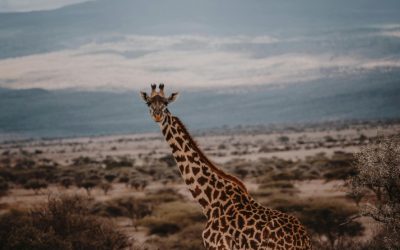
The Serengeti National Park in Tanzania is renowned for its vast, pristine landscapes and diverse ecosystems, making it one of the most iconic safari destinations in Africa. Covering approximately 14,750 square kilometers, the park is home to a stunning array of wildlife, including the famous Big Five, as well as cheetahs, hyenas, giraffes, and countless bird species. The Serengeti’s landscapes are characterized by expansive plains, acacia woodlands, river valleys, and rolling hills that create a remarkable and picturesque environment for both wildlife and visitors.
One of the most distinctive features of the Serengeti is the Great Migration, where millions of wildebeests, zebras, and other animals traverse the plains in search of fresh grazing grounds and water. This seasonal movement is a spectacular sight and is driven by the unique ecosystems within the park that support this extraordinary phenomenon. The plains are dotted with kopjes—small rocky outcrops that serve as lookout points for predators and resting spots for herbivores—adding to the park’s diverse landscape.
The Serengeti’s ecosystem is finely balanced, supporting a wide range of flora and fauna that have adapted to its varied terrains. From the lush grasslands that sustain vast herds of grazers to the riverine ecosystems that attract numerous bird and crocodile species, the park showcases the incredible biodiversity that makes Tanzania a top safari destination. Its landscapes and ecosystems not only offer breathtaking scenery but also play a vital role in conserving the region’s rich wildlife heritage.
Wildlife in the Serengeti
The Serengeti in Tanzania is one of the most iconic wildlife destinations in the world, famous for its incredible diversity of animals and breathtaking landscapes. This vast, protected ecosystem is home to millions of wildebeest, zebras, lions, elephants, and many other species, creating a vibrant tapestry of life. Visitors on a Serengeti safari can witness awe-inspiring scenes of nature, from the dramatic predator-prey interactions to the extraordinary annual migration that draws adventurers from around the globe.
The Big Five
The Serengeti in Tanzania is renowned for its extraordinary wildlife and is a premier destination for safari enthusiasts. It provides a natural habitat for a diverse range of animals, making it one of the most iconic safari locations in Africa. Visitors can witness breathtaking scenes of predators and prey, vast plains, and seasonal migration patterns.
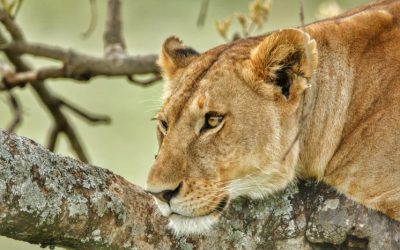
The Big Five—lion, elephant, buffalo, leopard, and rhinoceros—are among the most sought-after animals to see during a safari in the Serengeti. These legendary creatures symbolize the richness of African wildlife and are a key highlight for travelers. The lioness lounging in the grass, the towering elephant herds, and the elusive leopard spotting are unforgettable experiences for visitors.
The Serengeti’s vast ecosystem supports a complex web of life, with animals adapted to the diverse savannah, woodlands, and riverine environments. The ongoing migration of wildebeest and zebras across the plains, particularly during the Great Migration, offers a spectacular sight that epitomizes the wild spirit of Tanzania’s wilderness.
Predators and Prey
The Serengeti in Tanzania is renowned for its incredible wildlife, featuring a complex ecosystem where predators and prey coexist in a dynamic balance. This vast savannah hosts a diverse array of species, making it a prime destination for safari enthusiasts seeking to witness the natural cycles of predator-prey interactions.
- Predators: Lions, cheetahs, leopards, hyenas, and crocodiles are some of the dominant predators in the Serengeti. Lions often hunt in prides, targeting large herbivores like zebras and wildebeests, while cheetahs rely on their speed to catch smaller prey such as gazelles.
- Prey: The prey species include wildebeests, zebras, gazelles, buffalo, and various antelope species. These animals have adapted to the harsh environment with strategies like quick escapes and flocking behaviors to avoid predation.
- Interactions: The predator-prey relationships are crucial for maintaining the ecological balance, influencing everything from population control to migration patterns. During the Great Migration, thousands of wildebeests and zebras travel across the plains, constantly evading predators, which creates a spectacular view of the circle of life.
Birdlife and Other Species
The Serengeti in Tanzania is renowned for its incredible wildlife diversity, offering one of the most spectacular safari experiences in Africa. The region is home to the iconic Big Five — lions, elephants, buffaloes, leopards, and rhinoceroses — along with countless other species that thrive in its vast savannahs and grasslands.
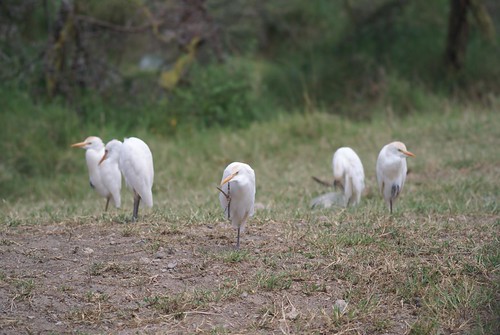
Birdlife in the Serengeti is equally remarkable, attracting avid birdwatchers from around the world. Over 500 bird species have been recorded here, including raptors, vultures, ostriches, secretary birds, and a variety of waterfowl and migratory birds. The plains and wetlands provide vital habitats for these avian species, making the Serengeti a paradise for bird enthusiasts.
Beyond the large mammals and birds, the Serengeti is also home to diverse smaller species, such as cheetahs, hyenas, crocodiles, and numerous antelope and gazelle subspecies. The seasonal migration of millions of wildebeest and zebras is one of nature’s most awe-inspiring spectacles, showcasing the dynamic and vibrant ecosystem that sustains this rich array of life.
Serengeti Safari Experiences
Discover the breathtaking beauty of Tanzania’s Serengeti with unforgettable safari experiences that bring you close to Africa’s iconic wildlife. Renowned for its vast savannahs, abundant animal migrations, and stunning landscapes, the Serengeti offers an adventure of a lifetime for nature enthusiasts and explorers alike. Immerse yourself in the raw wilderness and witness nature’s most spectacular displays in this world-famous national park.
Game Drives
Experiencing a Serengeti Safari in Tanzania offers an unparalleled opportunity to immerse yourself in one of the world’s most iconic wildlife destinations. The vast plains of the Serengeti are teeming with diverse fauna, stunning landscapes, and breathtaking vistas, making every game drive an unforgettable adventure.
During game drives in the Serengeti, visitors can expect to witness a wide array of animals, including the Big Five—lion, elephant, buffalo, leopard, and rhinoceros—along with cheetahs, giraffes, zebras, and wildebeests. The experience is enhanced by the opportunity to observe animal behaviors and natural routines in their native habitat, especially during the migration season when millions of wildebeests and zebras traverse the plains.
- Guided game drives led by experienced rangers provide insights into wildlife ecology and conservation efforts.
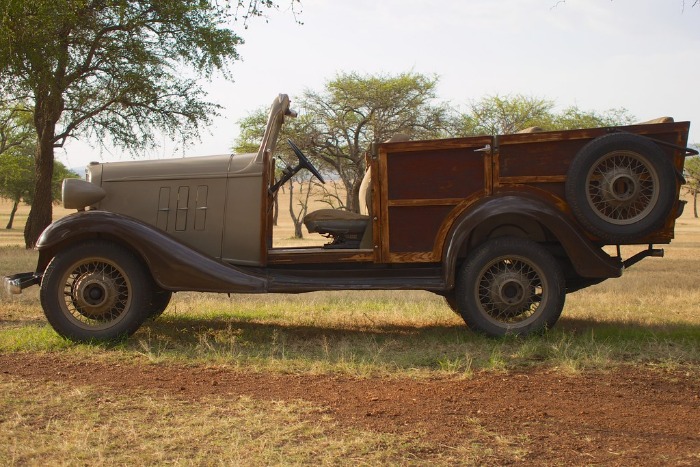
- Classic open-top vehicles allow for unobstructed views and photography of the stunning landscape and wildlife.
- Early morning and late afternoon drives capitalize on animal activity and the beautiful lighting conditions.
- Some safaris include visits to iconic locations such as the Seronera Valley, Moru Kopjes, and the Mara River during migration.
- Night game drives offer a chance to see nocturnal species and experience the African wilderness after dark.
Participating in a Serengeti Safari offers travelers not just a wildlife viewing experience, but also an opportunity to connect with nature, learn about conservation, and appreciate the raw beauty of Tanzania’s wilderness.
Hot Air Balloon Safaris
Experience the breathtaking beauty of the Tanzania Serengeti with unforgettable hot air balloon safaris that offer a unique perspective of the endless savannahs and abundant wildlife. Glide gently above herds of elephants, lions, giraffes, and zebras as the sunrise bathes the landscape in golden light, creating picture-perfect moments. These safaris provide an exhilarating adventure combined with a peaceful serenity, allowing travelers to appreciate the vastness and diversity of the Serengeti from an aerial viewpoint. After the flight, guests often enjoy luxurious champagne breakfasts in the heart of the wilderness, making the experience both thrilling and indulgent.
Walking Safaris
Experiencing a Serengeti Safari in Tanzania offers an unforgettable adventure through one of Africa’s most renowned wildlife destinations. Known for its stunning landscapes, diverse ecosystems, and incredible animal encounters, the Serengeti provides unique opportunities for walking safaris that allow travelers to connect intimately with nature.
Walking safaris in the Serengeti are designed to give guests a close-up experience of the wilderness, guided by expert trackers and rangers. These excursions offer a different perspective compared to game drives, allowing visitors to observe small details in the flora and fauna, listen to the sounds of the bush, and feel the environment more acutely.
- Encounter a variety of wildlife such as giraffes, zebras, and antelopes on foot, observing behaviors that are often hidden during vehicle safaris.
- Learn about the diverse plant life and how animals utilize their natural surroundings for food and shelter.
- Experience the thrill of tracking animals responsibly and safely under the guidance of trained rangers.
- Enjoy the serenity of the African landscape away from the bustling crowds, often including a sunrise or sunset walk for breathtaking views.
- Participate in cultural visits to local Maasai villages, gaining insight into the traditions and lifestyles of indigenous communities.
Walking safaris in the Serengeti are ideal for those seeking an immersive adventure, blending wildlife observation with the tranquility of nature and cultural exploration in Tanzania’s iconic national park.
Best Time to Visit
The best time to visit the Serengeti in Tanzania is essential for planning an unforgettable safari experience. With its vast plains and diverse wildlife, knowing the optimal months can enhance your chances of witnessing spectacular animal migrations and prime game viewing. Whether you’re seeking to see the migration in action or enjoy the serene beauty of the landscape, understanding the seasonal patterns will help you choose the perfect time for your adventure.
Dry Season (June to October)
The best time to visit the Serengeti for a safari experience is during the dry season, which runs from June to October. During this period, the weather is typically sunny and clear, making wildlife spotting easier as animals congregate around water sources. The dry season also coincides with the spectacular migration of wildebeests and other animals, providing incredible opportunities to witness their movements and predator-prey interactions. Visiting during these months ensures optimal game viewing and memorable safari adventures in the Tanzania Serengeti.
Wet Season (November to May)
The best time to visit the Serengeti for a safari is during the dry season from November to May. This period offers ideal wildlife viewing opportunities as animals congregate around water sources and are easier to spot against the clear landscapes. The weather is generally warm and sunny, providing excellent conditions for game drives and photography. Although the wet season coincides with this period, the rains are usually short and sporadic, and the lush landscape enhances the breathtaking scenery and animal activity. Traveling during this time allows you to experience the stunning migration patterns and vibrant birdlife that the Serengeti is renowned for.
Migration Patterns and Timing
The best time to visit the Serengeti for a safari experience depends on what you wish to see and do. Understanding migration patterns and timing is essential for planning your trip to witness the incredible wildlife in their natural habitat.
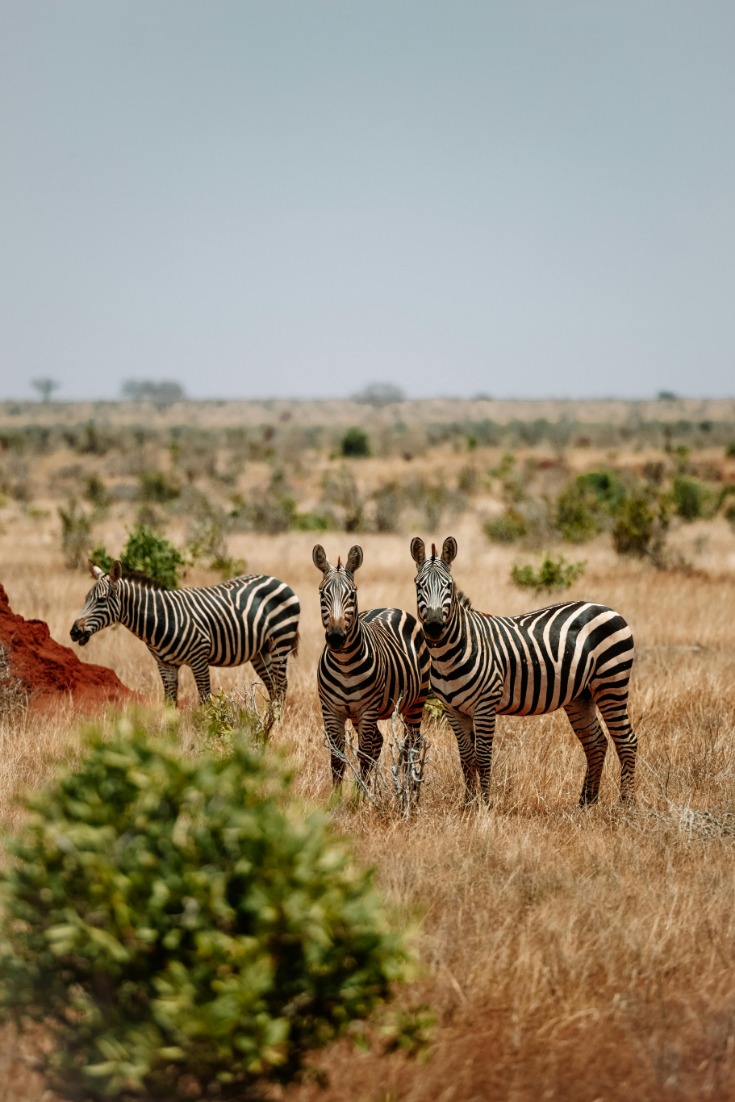
- Great Migration Timing: The Serengeti’s Wildebeest Migration typically occurs from June to October, when millions of wildebeests, zebras, and gazelles move northward across the plains. This is the prime time to witness dramatic river crossings and predator interactions.
- Calving Season: February and March are ideal for seeing newborn animals, as many species give birth during this period in the southern Serengeti, providing fantastic photo opportunities.
- Wet Season (November to December): This period features short rains, lush landscapes, and higher concentrations of predators and prey. Birdwatching is also excellent as migratory birds arrive.
- Dry Season (June to October): The plains are drier and animals congregate around water sources, making wildlife viewing more accessible and easier to spot.
Accommodation Options
When planning a safari in the Serengeti, choosing the right accommodation can greatly enhance your experience. From luxurious lodges offering stunning views to cozy tents under the stars, Tanzania provides a diverse range of options to suit every traveler. Exploring these accommodations allows you to immerse yourself in the breathtaking scenery while enjoying comfort and convenience during your unforgettable Serengeti adventure.
Luxury Lodges and Campsites
When planning a safari in the Serengeti, travelers have a variety of accommodation options to choose from, ranging from luxurious lodges to rustic campsites. Luxury lodges offer exquisite comfort, stunning views, and top-notch amenities, providing a perfect blend of nature and sophistication for those seeking an indulgent experience. These lodges typically feature spacious suites, pools, wellness centers, and fine dining, ensuring a memorable stay amidst the wilderness. For a more authentic and adventurous experience, campsites within the Serengeti offer a closer connection to nature. Tented camps and traditional camping sites provide a unique chance to immerse yourself in the environment, often with the convenience of guided game drives and communal living. Whether opting for the plush amenities of a luxury lodge or the rustic charm of a campsite, visitors can enjoy the breathtaking landscapes and incredible wildlife that make the Serengeti a premier safari destination.
Mid-Range and Budget Options
When planning a Tanzania Serengeti safari, travelers have a variety of accommodation options to suit different preferences and budgets. Options range from luxurious lodges to more affordable budget camps, ensuring everyone can enjoy the breathtaking scenery and wildlife experiences.
Mid-Range Accommodation Options
- Luxury tented camps with comfortable beds, ensuite bathrooms, and outdoor sitting areas.
- Moderately priced lodges offering good amenities, restaurant services, and often near major safari routes.
- Charming boutique hotels that provide a cozy atmosphere with professional service.
Budget Accommodation Options
- Basic tented camps with essential facilities, suitable for travelers seeking affordable options.
- Guesthouses and hostels located near the park boundaries, offering shared or private rooms.
- Campgrounds with tent pitches, allowing for an immersive safari experience at minimal cost.
Migration Camps
When planning a Tanzania Serengeti safari, travelers have a variety of accommodation options and migration camps to choose from, offering unique experiences amidst the iconic landscape.
- Luxury Lodges: These provide high-end comfort with stunning views of the plains, gourmet dining, and personalized services. Examples include Four Seasons Safari Lodge and Four Seasons Serengueti.
- Tented Camps: Combining the adventure of camping with luxury amenities, these camps are set close to prime wildlife viewing areas and often offer guided safaris.
- Migration Camps: Designed specifically for travelers eager to witness the great wildebeest migration, these camps are temporary and move according to the migration patterns, ensuring prime viewing opportunities.
- Public Campsites: For budget-conscious travelers, designated public campsites within national parks offer basic facilities and proximity to wildlife experiences.
- Migration Camps in the Serengeti are strategically located to follow the path of the seasonal wildebeest and zebra migrations, offering unparalleled viewing opportunities during migration seasons.
- These camps often include mobile tented accommodations that can be packed up and moved as the herds travel across the plains.
- Staying in migration camps allows visitors to experience the movement of the iconic herds and enjoy a more immersive safari adventure.
- Reservation for migration camps should be made well in advance, especially during peak migration times, to secure a spot in this unique accommodation experience.
Planning Your Serengeti Safari
Embarking on a Tanzania Serengeti safari is an unforgettable adventure that offers a glimpse into one of Africa’s most iconic wildlife habitats. Planning your trip carefully ensures you experience the best of this vast wilderness, from mesmerizing landscapes to incredible animal encounters. With thoughtful preparation, your Serengeti safari will be filled with awe-inspiring moments and lasting memories.
Visa and Travel Requirements
Planning your Serengeti safari in Tanzania requires careful consideration of visa and travel requirements to ensure a smooth and enjoyable trip. Before departing, check the visa regulations for your country of residence, as most visitors will need a valid visa to enter Tanzania, which can often be obtained on arrival or Online in advance. Ensure your passport is valid for at least six months beyond your planned stay and has blank pages for visa stamps.
In addition to visa requirements, familiarize yourself with Tanzania’s travel advisories and health precautions, such as vaccinations for yellow fever and malaria prophylaxis. It’s recommended to have comprehensive travel insurance covering medical emergencies, trip cancellations, and luggage loss. When planning your safari, consider the best time to visit, typically during the dry season from June to October, and arrange guided tours with reputable operators. Lastly, verify entry requirements for any connecting countries if you plan to transit through other nations to reach Tanzania, and ensure all travel documents are in order before departure.
Health and Safety Tips
Planning your Serengeti safari in Tanzania requires careful consideration to ensure a memorable and safe experience. Start by researching the best time to visit, typically during the dry season from June to October, when wildlife viewing is optimal. Booking your accommodations and safari tours in advance is essential, especially during peak season, to secure availability and preferred options. Make sure to obtain necessary travel and visa documents, and consult health advisories for yellow fever vaccination, anti-malarial medication, and other recommended immunizations.
Health precautions are vital when traveling to the Serengeti. Carry sufficient bottled water, use insect repellent, and wear long sleeves and pants during dusk and dawn to prevent mosquito bites. It’s advisable to have comprehensive travel insurance that covers medical emergencies and evacuations. Respect local customs and wildlife laws to ensure safety for yourself and the environment. Finally, pack lightweight clothing, binoculars, a camera, and sunscreen to enhance your safari experience. Proper planning and health preparations will help you enjoy the wonders of Tanzania’s Serengeti with peace of mind.
Photography Tips
Planning your Serengeti safari in Tanzania offers an unforgettable adventure filled with breathtaking wildlife encounters and stunning landscapes. To make the most of your experience, start by choosing the best time to visit, typically during the dry season from June to October when animals are more concentrated around water sources. Consider booking a guided tour or a safari lodge that provides expert local guides, ensuring you encounter the diverse fauna safely and responsibly.
When it comes to photography, bring a versatile camera lens, such as a zoom lens with at least 300mm focal length, to capture distant animals in detail. Be patient and respect the animals’ natural behavior, avoiding disruptive movements. Use a fast shutter speed to freeze motion, and shoot during the early morning and late afternoon hours when the light is softer and creates dramatic effects. Don’t forget to include the beautiful landscapes and skies to add context and enhance your storytelling. With proper planning and photography tips, your Serengeti safari will be a truly memorable experience filled with stunning images and heartfelt moments.
Sustainable Tourism and Conservation Efforts
Sustainable tourism and conservation efforts play a vital role in preserving the自然 beauty and rich biodiversity of locations like the Serengeti in Tanzania. As one of the world’s most famous safari destinations, the Serengeti’s delicate ecosystems require responsible practices to ensure they remain vibrant for future generations. Emphasizing eco-friendly travel and community involvement, these initiatives help protect wildlife while providing travelers with authentic and meaningful experiences in this iconic landscape.
Local Community Involvement
Sustainable tourism and conservation efforts are vital in preserving the breathtaking landscapes and diverse wildlife of the Tanzania Serengeti Safari. By promoting eco-friendly practices, tourism operators help reduce environmental impact while ensuring that future generations can enjoy this natural wonder.
Local community involvement plays a crucial role in the success of conservation initiatives in the Serengeti. Community-based tourism projects provide residents with economic benefits, incentivizing them to protect wildlife and natural habitats rather than exploiting them. Engagement programs also foster a sense of stewardship, encouraging local people to become ambassadors for conservation.
Through collaborative efforts between government agencies, conservation organizations, and local communities, sustainable practices are implemented to balance tourism growth with environmental preservation. These initiatives include anti-poaching measures, wildlife monitoring, and community education, all of which contribute to maintaining the ecological integrity of the Serengeti.
Ultimately, responsible tourism in the Serengeti not only ensures the survival of iconic species but also enhances the well-being of local communities, creating a model for sustainable development that benefits both nature and people.
Wildlife Conservation Programs
The Tanzania Serengeti Safari epitomizes the harmony between sustainable tourism and wildlife conservation efforts, ensuring that travelers can experience the region’s incredible biodiversity while supporting conservation initiatives. By promoting eco-friendly practices and responsible tourism, the safari helps minimize environmental impact and preserves the natural beauty of the Serengeti. Wildlife conservation programs in the area are crucial for protecting iconic species such as lions, elephants, and cheetahs, which face threats from poaching, habitat loss, and climate change.
These programs often involve community engagement, anti-poaching patrols, habitat restoration, and scientific research to monitor animal populations. Many safari operators and local communities collaborate to ensure that tourism generates economic benefits that are reinvested into conservation projects. Ultimately, sustainable tourism in the Serengeti not only allows visitors to witness breathtaking wildlife but also plays a vital role in safeguarding these species and their habitats for future generations.
Responsible Tourism Practices
Sustainable tourism and conservation efforts are essential for preserving the natural beauty and biodiversity of the Serengeti in Tanzania. Responsible tourism practices ensure that visitors enjoy the breathtaking landscapes and wildlife while minimizing their environmental impact and supporting local communities.
- Promoting eco-friendly accommodation options that adhere to green standards and reduce waste.
- Supporting local communities by purchasing locally-made crafts and services, which provides economic benefits and encourages conservation awareness.
- Implementing strict guidelines for wildlife viewing to prevent disturbance to animal habitats and behavior.
- Encouraging tourists to follow designated pathways and refrain from littering to protect delicate ecosystems.
- Fostering partnerships between tour operators, conservation organizations, and local authorities to enhance preservation initiatives.

0 Comments