
Preparation for the Safari Trip
Preparing for a safari trip in Tanzania involves careful planning and packing to ensure an unforgettable adventure. From choosing the right gear to understanding the local environment, proper preparation helps you maximize your experience while staying safe. Whether you’re a first-time visitor or a seasoned traveler, getting ready for this incredible journey into Tanzania’s wild landscapes is essential for a smooth and enjoyable safari.
Visa and Travel Documentation
Preparing for a safari trip to Tanzania requires careful planning to ensure a smooth and enjoyable experience. It is essential to gather all necessary travel and safety information before departure. First, research the best time to visit Tanzania, typically during the dry season from June to October, to maximize wildlife sightings.
Securing the appropriate visa is a critical step. Most travelers will need a visa to enter Tanzania, which can often be obtained online through an e-visa system or upon arrival at the airport. It is advisable to check the latest visa requirements and fees well in advance of your trip to avoid any last-minute issues. Additionally, ensure your passport is valid for at least six months beyond your planned return date and has blank pages for visas and stamps.
Travel documentation should also include travel insurance, vaccination certificates (such as yellow fever), and valid airline tickets. It’s recommended to carry copies of all important documents separately from the originals for added security. Preparing a detailed itinerary and keeping emergency contact information handy will help make your safari trip to Tanzania memorable and worry-free.
Health Precautions and Vaccinations
Preparing for a safari trip in Tanzania requires careful planning to ensure a safe and enjoyable experience. It’s essential to gather all necessary information about the destinations, weather conditions, and activities planned during the safari. Packing appropriate clothing, such as lightweight, neutral-colored attire, and essential gear like binoculars and cameras is also important. Additionally, securing relevant travel documents and checking entry requirements will streamline your journey.
Health precautions are vital to enjoy your safari without setbacks. Consult with a healthcare professional well in advance to discuss any health issues and necessary medications. Carry a comprehensive first aid kit, including antiseptics, pain relievers, and personal medications. Be mindful of the risk of insect-borne diseases such as malaria and use insect repellent, mosquito nets, and wear long sleeves and trousers during dusk and dawn when mosquitoes are most active.
Vaccinations are a crucial aspect of preparation for a safari in Tanzania. The recommended immunizations typically include yellow fever, hepatitis A and B, typhoid, and tetanus. A yellow fever vaccination certificate may be required for entry into Tanzania. It’s advisable to visit a travel clinic at least 4-6 weeks before your trip to get the appropriate vaccinations and advice on health precautions. Ensuring up-to-date vaccinations will help protect you against potential tropical diseases and make your adventure safer and more enjoyable.
Selecting the Right Safari Gear
Preparing for a safari trip in Tanzania requires careful selection of the appropriate gear to ensure comfort, safety, and enjoyment amidst the diverse landscapes and wildlife. Selecting the right safari gear is essential for a memorable experience and to handle the varying weather conditions and terrains encountered throughout the journey.
First, choose lightweight, breathable clothing in neutral colors such as khaki, beige, or olive to blend into the environment and stay cool during daytime excursions. Layering is important, so pack long-sleeved shirts, a fleece or jacket for cooler mornings and evenings, and waterproof clothing in case of sudden rain showers. Comfortable, sturdy footwear like hiking boots or closed-toe shoes is vital for walking safaris and uneven terrain.
Don’t forget to bring essential accessories such as a wide-brimmed hat or cap for sun protection, sunglasses, and sunscreen with high SPF. A good camera with zoom capability will help capture the incredible wildlife encounters, along with extra batteries and storage cards. A pair of binoculars can enhance wildlife viewing from a distance, making your safari more immersive.
Additional gear such as a refillable water bottle, insect repellent, and a small first aid kit should also be included in your packing list. If you plan to stay in lodges or tented camps, confirm their amenities to avoid overpacking. Proper preparation with the right safari gear will help you fully enjoy the stunning landscapes and abundant wildlife of Tanzania safely and comfortably.
Best Time to Visit Tanzania
Preparing for a safari trip to Tanzania requires careful planning to ensure an unforgettable experience. It is essential to pack appropriate clothing, including lightweight, neutral-colored clothes for blending into the environment, and a hat and sunscreen for sun protection. Don’t forget binoculars, a camera, and insect repellent to enhance your wildlife viewing experience. It’s also advisable to obtain necessary vaccinations and carry any prescribed medications. Booking accommodations and park permits in advance can help secure the best locations and avoid last-minute hassles.
The best time to visit Tanzania for a safari is during the dry season, which runs from June to October. During these months, wildlife is easier to spot as animals congregate around water sources and the vegetation is less dense. The period from December to March is also good for wildlife viewing and coincides with the Great Migration in Serengeti. However, the wet season from November to May offers fewer crowds and lush scenery, making it ideal for birdwatching and photography enthusiasts. Planning your trip around these optimal times ensures a memorable safari adventure in Tanzania.
Popular Safari Destinations in Tanzania
Discover the stunning wildlife and breathtaking landscapes of Tanzania as you embark on a memorable safari adventure. Known for its rich biodiversity and iconic national parks, Tanzania offers some of the best safari experiences in Africa. Whether you’re an avid wildlife enthusiast or simply seeking an extraordinary escape, the country’s diverse destinations promise unforgettable moments amidst nature’s grandeur.
Serengeti National Park
Serengeti National Park is one of the most renowned safari destinations in Tanzania, offering visitors an unparalleled experience of Africa’s wilderness. Famous for its vast plains, diverse wildlife, and dramatic landscapes, it is a must-visit spot for safari enthusiasts. The park is best known for the annual Great Migration, where millions of wildebeest, zebras, and other animals travel across the plains in search of fresh grazing grounds.
- Serengeti National Park
- Ngorongoro Conservation Area
- Tarangire National Park
- Ruaha National Park
- Selous Game Reserve
Ngorongoro Conservation Area
Ngorongoro Conservation Area is one of the most popular safari destinations in Tanzania, renowned for its breathtaking landscapes and abundant wildlife. Nestled within the Ngorongoro Crater, the largest intact volcanic caldera in the world, it offers visitors an unparalleled opportunity to witness diverse species such as lions, elephants, rhinoceroses, and cheetahs in their natural habitat. The area is also rich in cultural heritage, home to the Maasai people who coexist harmoniously with the wildlife. Visitors can enjoy game drives, birdwatching, and stunning views of the crater floor, making it a must-visit location for safari enthusiasts in Tanzania.
Tarangire National Park
Tarangire National Park is one of the most popular safari destinations in Tanzania, renowned for its stunning landscapes and diverse wildlife. Located in the northern part of the country, it is famous for the large herds of elephants that migrate through the park, especially during the dry season. Visitors can also observe lions, giraffes, zebras, wildebeests, and numerous bird species, making it a haven for wildlife enthusiasts. The park’s iconic baobab trees and the Tarangire River, which snakes through the landscape, add to its scenic beauty. A safari trip in Tarangire offers a unique opportunity to experience Tanzania’s rich biodiversity while enjoying spectacular scenery and peaceful wilderness. Whether exploring on game drives or staying in eco-friendly lodges, travelers leave with unforgettable memories of their adventure in this remarkable national park.
Lake Manyara National Park
Lake Manyara National Park is one of Tanzania’s most popular safari destinations, renowned for its stunning landscapes and diverse wildlife. Nestled at the base of the Great Rift Valley, the park offers a unique environment that combines lush forests, wetlands, and open plains. Visitors can enjoy expert-guided game drives to see elephants, lions, giraffes, and numerous bird species, including the famous flamingos that adorn the lake. The park also features the iconic hundreds of flamingos that gather at Lake Manyara, providing spectacular photo opportunities. Its ease of access from Arusha makes it an ideal choice for travelers seeking an authentic and memorable Tanzanian safari experience. Whether exploring its treetop canopy walkways or admiring the scenic beauty, Lake Manyara National Park remains a must-visit destination for safari enthusiasts in Tanzania.
Selous Game Reserve
Selous Game Reserve, one of Tanzania’s most renowned safari destinations, offers a truly authentic wild experience. It is one of the largest faunal reserves in Africa and is known for its diverse landscapes, including rivers, lakes, savannahs, and woodlands. Visitors can enjoy thrilling game drives, boat safaris, and walking safaris that provide up-close encounters with elephants, lions, giraffes, hippos, and crocodiles. The reserve’s remote location ensures fewer tourists, making it ideal for those seeking solitude and unspoiled nature. Exploring Selous provides a unique opportunity to witness the raw beauty and wildlife of Tanzania in a pristine setting. It is a must-visit for safari enthusiasts looking for adventure and unforgettable wildlife encounters in an exclusive and pristine environment.
Types of Safari Experiences
A safari trip in Tanzania offers a diverse range of experiences that showcase the country’s incredible wildlife and stunning landscapes. Whether you’re seeking adventurous game drives, relaxing river cruises, or walking safaris through lush terrains, Tanzania provides options for every traveler. Exploring these different types of safari experiences allows visitors to immerse themselves in the natural beauty and rich biodiversity of this iconic destination.
Game Drives
Safari experiences in Tanzania offer a diverse range of adventures for wildlife enthusiasts and explorers alike. Game drives are the most popular way to observe the abundant wildlife, providing guided tours through various national parks and reserves. These drives can be done in open-sided vehicles, allowing for unobstructed views of animals such as elephants, lions, giraffes, and zebras. Depending on the park, game drives can be half-day or full-day excursions, often combined with early morning or late afternoon sessions to catch animals during their most active periods. In addition to traditional game drives, some safaris also include night drives, offering a chance to see nocturnal animals and experience a different perspective of the savannah. Whether in a private conservancy or a famous park like Serengeti or Ngorongoro Crater, game drives are an essential component of any Tanzanian safari, immersing travelers in the stunning wilderness and incredible wildlife interactions.
Walking Safaris
Walking safaris in Tanzania offer an intimate and adventurous way to experience the diverse wildlife and stunning landscapes of the region. These guided excursions allow visitors to explore the wilderness on foot, providing a different perspective compared to traditional vehicle safaris.
- Guided Walking Safaris: Led by experienced guides, these safaris take guests through national parks and reserves, allowing for close encounters with nature and wildlife. They focus on tracks, animal behavior, and plant species.
- Night Walks: Some areas offer night safaris on foot, providing the chance to observe nocturnal animals and experience the wilderness after dark.
- Park-to-Park Walks: These multi-day treks connect different parks or reserves, offering a comprehensive exploration of Tanzania’s ecosystems on foot.
- Walking with Maasai Guides: Involving local Maasai guides, these safaris combine cultural experiences with wildlife viewing, giving insight into indigenous traditions.
- Camera Walks: Short, leisurely walks designed especially for photographers to capture wildlife and landscapes at a slow pace.
Each type of walking safari in Tanzania provides unique experiences, enriching travelers’ understanding of the region’s rich biodiversity and cultural heritage.
Boat Safaris
Boat safaris in Tanzania offer a unique and tranquil way to explore the country’s diverse wildlife and picturesque landscapes. These safaris typically take place in scenic waterways such as Lake Tanganyika, Lake Victoria, and the Selous River, providing visitors with close encounters with aquatic animals like crocodiles, hippos, and numerous bird species. Traveling by boat allows for a peaceful and intimate experience, often in areas inaccessible by land vehicles. Different types of boat safaris cater to varying interests, from guided tours focused on bird watching to leisurely explorations that highlight the stunning scenery and vibrant ecosystems of Tanzania’s water landmarks.
Hot Air Balloon Rides
During a safari trip in Tanzania, travelers can enjoy a variety of exciting experiences, including hot air balloon rides that offer a unique perspective of the breathtaking landscapes. These rides typically take place at sunrise, providing stunning views of the plains, wildlife, and national parks from above. Other safari experiences include game drives in open vehicles, walking safaris for a more intimate connection with nature, and boat safaris along rivers and lakes to explore aquatic ecosystems. Each type of safari offers a different way to encounter Tanzania’s incredible wildlife and scenery, making the trip truly unforgettable.
Wildlife to Spot in Tanzania
Embarking on a safari trip in Tanzania offers an unforgettable opportunity to witness the incredible diversity of wildlife that inhabits the region. From the sprawling savannahs to lush wetlands and dense forests, Tanzania is home to some of Africa’s most iconic animals. Whether you’re eager to see majestic elephants, powerful lions, graceful giraffes, or elusive leopards, the country’s rich ecosystems provide the perfect backdrop for an awe-inspiring wildlife adventure.
The Big Five
Embarking on a safari trip in Tanzania offers an incredible opportunity to witness some of the most iconic wildlife in the world. The country is renowned for its rich biodiversity and breathtaking landscapes, making it a top destination for wildlife enthusiasts.
- Elephants: The largest land animals, known for their intelligence and complex social structures.
- Lions: Often called the “King of the Jungle,” they are a key attraction in Tanzania’s national parks.
- Leopards: Elegant and elusive, these big cats are a thrilling sight for safari visitors.
- Buffalo: Commonly seen in large herds, they are vital members of the ecosystem.
- Rhinoceroses: Both black and white rhinos can be spotted, though they are more endangered and require careful observation.
Seeing these members of the Big Five — elephants, lions, leopards, buffalo, and rhinos — is considered the ultimate safari experience. Tanzania’s protected areas like Serengeti National Park, Ngorongoro Crater, and Tarangire National Park are prime locations for spotting these magnificent animals in their natural habitat.
Predators: Lions, Leopards, Cheetahs
Embarking on a safari trip in Tanzania offers an incredible opportunity to witness some of Africa’s most magnificent predators in their natural habitat. Among the top wildlife to spot are lions, leopards, and cheetahs, each showcasing unique behaviors and adaptations that make them fascinating subjects for observation. These predators play a vital role in maintaining the balance of the ecosystem and provide unforgettable moments for wildlife enthusiasts.
Herbivores: Elephants, Giraffes, Zebras
Embarking on a safari trip in Tanzania offers an incredible opportunity to witness some of the world’s most majestic herbivores in their natural habitat, including elephants, giraffes, and zebras. These iconic animals are abundant in Tanzania’s renowned national parks and reserves, providing memorable wildlife encounters.
- Elephants: The large and gentle elephants are a sight to behold, especially in Serengeti and Tarangire National Park. They roam in herds, often gathering around water sources, creating breathtaking scenes.
- Giraffes: Towering above the landscape, giraffes are easily spotted along savannahs. Their long necks and distinctive patterns make them some of the most recognizable safari species.
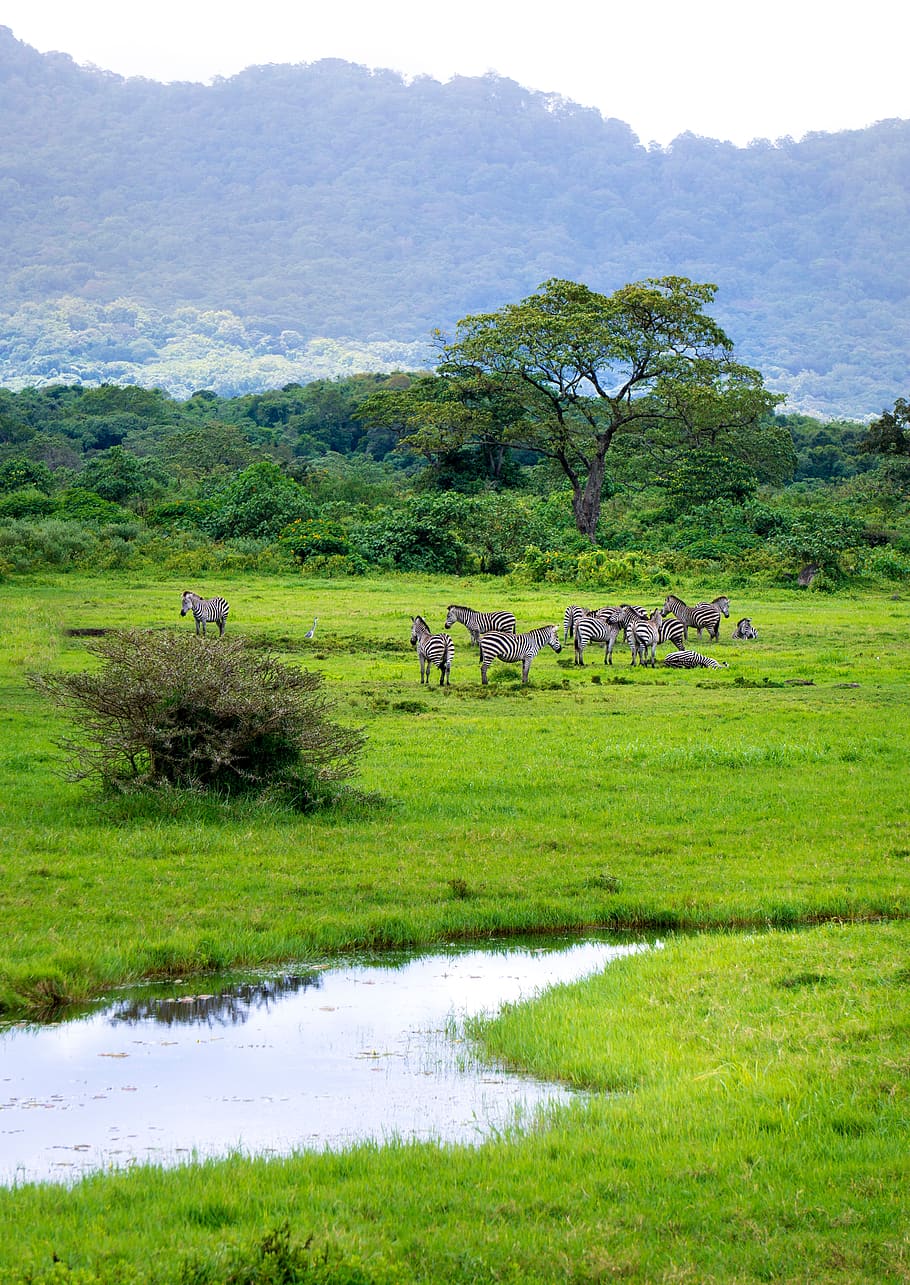
- Zebras: With their striking black and white stripes, zebras are commonly seen grazing in groups across the plains of Ngorongoro Crater and Serengeti, often mingling with other herbivores.
Bird Species
Embarking on a safari trip in Tanzania offers a remarkable opportunity to encounter diverse wildlife and bird species in their natural habitats. The country’s vast landscapes host an array of creatures, making it a premier destination for nature enthusiasts and birdwatchers alike.
- King’s Elephant – Known for their impressive size and gentle demeanor, elephants are a highlight in the Serengeti and Tarangire National Park.
- Lion – Often called the “king of the jungle,” lions can be seen lounging in the grasslands or hunting in prides across Tanzania’s reserves.
- Cheetah – The fastest land animal, cheetahs are frequently spotted in open plains where they chase down their prey.
- Giraffe – Towering over the savannah, giraffes are easily recognizable and a common sight in many parks.
- Black Rhinoceros – A critically endangered species, the black rhinoceros is a rare and precious sighting, mainly in protected areas.
Bird species to spot include vibrant and diverse members of the avian world that thrive in Tanzania’s ecosystems.
- Flamingos – Often seen in the soda lakes such as Lake Natron, these striking pink birds gather in large colonies.
- Secretary Bird – Recognizable by its long legs and distinctive crest, this bird is a top predator of snakes.
- Lilac-Breasted Roller – Known for its stunning colors, this bird perches on branches and is a joy to observe.
- Somali Ostrich – The world’s largest bird, often seen running across open plains.
- African Fish Eagle – With its distinctive call, this majestic bird is commonly seen near lakes and rivers across Tanzania.
Accommodations and Lodging
When planning a safari trip in Tanzania, choosing the right accommodations and lodging options is essential for a memorable experience. From luxurious lodges overlooking vast savannahs to cozy tented camps nestled within national parks, Tanzania offers a diverse range of places to stay that cater to different preferences and budgets. These accommodations not only provide comfortable rest after exciting days of wildlife viewing but also offer unique opportunities to immerse yourself in the natural beauty of Tanzania’s wilderness.
Luxury Lodges and Campsites
Planning a safari trip in Tanzania offers a variety of luxurious accommodations and unique lodging experiences that enhance your adventure. From elegant lodges nestled in the countryside to authentic campsites under the starry sky, there are options to suit every traveler’s preference.
- Luxury Lodges: Experience comfort and opulence at renowned lodges such as Four Seasons Safari Lodge Serengeti or Singita Grumeti, which provide upscale amenities, stunning views, and exceptional service.
- Campsites: For a more immersive experience, choose from well-equipped campsites within national parks like Serengeti or Ngorongoro Crater, offering a close connection to nature while still providing essential facilities.
- Mobile Camps: Opt for mobile tented safaris that move between different locations, allowing you to witness diverse landscapes and wildlife while enjoying the comforts of a deluxe tent.
- Luxury Tented Camps: Discover semi-permanent tented camps such as Alexander’s Hotel or Elewana Tarangire Tusitiri Camp, which blend the adventure of camping with the luxury of high-end accommodations.
Whether seeking unparalleled comfort or a more rugged experience, Tanzania’s accommodations ensure your safari trip is memorable and truly special.
Mid-range Lodges
For travelers seeking comfortable yet affordable accommodations during a safari trip in Tanzania, mid-range lodges offer an ideal balance of amenities and authentic experience. These lodges are often strategically located near national parks and reserves, providing convenient access to wildlife viewing opportunities. They typically feature well-appointed rooms, comfortable beds, and private bathrooms, ensuring a relaxing stay after days spent exploring the wilderness.
Many mid-range lodges also boast on-site dining options with local and international cuisine, as well as communal lounge areas and outdoor terraces where guests can enjoy scenic sunset views. Some lodges incorporate eco-friendly practices and offer guided excursions, enriching the safari experience while maintaining a focus on sustainability. Overall, mid-range lodges provide a cozy and immersive way to enjoy Tanzania’s spectacular landscapes and diverse wildlife without the luxury price tag.
Budget Campsites
When planning a safari trip in Tanzania, budget campsites offer an affordable and authentic way to experience the country’s stunning landscapes and diverse wildlife. Many campsites are located within or near national parks such as Serengeti and Ngorongoro, providing convenient access to prime wildlife viewing areas. These campsites typically feature basic amenities like communal showers, toilets, and dining areas, creating a communal atmosphere for travelers. Staying at a budget campsite allows for close contact with nature while keeping costs low, making it an ideal option for backpackers and budget-conscious adventurers. It is recommended to book campsites in advance and be prepared for outdoor conditions to enhance the safari experience in Tanzania’s beautiful wilderness.
Cultural Experiences and Local Communities
Embarking on a safari trip in Tanzania offers an immersive experience into the vibrant world of local communities and diverse cultures. Visitors have the unique opportunity to engage with indigenous traditions, witness authentic customs, and gain a deeper understanding of the rich heritage that shapes this iconic destination. These cultural experiences enrich the safari journey, creating memorable connections with the people and stories that define Tanzania’s soul.
Maasai Villages
Exploring Maasai villages offers a unique and authentic cultural experience during a safari trip in Tanzania. Visitors have the opportunity to immerse themselves in the rich traditions, dances, and customs of the Maasai people, who are renowned for their vibrant attire and nomadic lifestyle. Engaging with local community members fosters a deeper understanding of their way of life and the challenges they face in preserving their culture.
Tourists can participate in traditional ceremonies, learn about Maasai craftsmanship, and even assist in daily activities, creating meaningful interactions that enhance their safari adventure. Supporting these communities also contributes to sustainable tourism, helping to improve living standards and preserve Maasai heritage for future generations.
Local Markets and Crafts
Experiencing the rich cultural heritage of Tanzania is a highlight of any safari trip. Visitors have the opportunity to engage with local communities, learn about traditional ways of life, and participate in cultural activities that offer a deeper understanding of Tanzanian customs. Exploring local markets allows travelers to browse handmade crafts, vibrant textiles, and unique souvenirs, providing a authentic connection to the area’s vibrant artistry.
Traditional Performances
During a safari trip in Tanzania, visitors have the unique opportunity to immerse themselves in the rich cultural experiences and vibrant traditions of local communities. Engaging with indigenous groups allows travelers to gain a deeper understanding of their customs, lifestyles, and hospitality.
Traditional performances such as Maasai warrior dances, storytelling, and music are often showcased, providing a lively insight into the cultural heritage of Tanzania. These performances are not only entertaining but also serve to preserve and celebrate the history and identity of the local tribes.
Participating in community-led activities, such as craft workshops or local food tasting, further enhances the authentic experience, fostering respectful intercultural exchanges. This connection with the communities enriches the overall safari adventure, making it a memorable journey beyond wildlife observation.
Environmental and Ethical Considerations
Embarking on a safari trip in Tanzania offers a unique opportunity to witness some of the world’s most incredible wildlife and pristine landscapes. However, it is essential to consider environmental and ethical aspects to ensure that such adventures are sustainable and respectful of local ecosystems and communities. Responsible travel practices help preserve the natural beauty of Tanzania for future generations while supporting local economies and conservation efforts.
Wildlife Conservation Initiatives
Embarking on a safari trip in Tanzania offers an extraordinary opportunity to witness the diverse wildlife and pristine landscapes, but it also necessitates careful attention to environmental and ethical considerations. Responsible tourism practices are essential to minimize the impact on ecosystems and ensure the preservation of natural habitats for future generations. Conservation initiatives such as anti-poaching patrols, community-based wildlife management programs, and eco-friendly lodge operations play a crucial role in protecting Tanzania’s rich biodiversity. Visitors are encouraged to support organizations that promote sustainable tourism, adhere to park regulations, and respect the wildlife by maintaining safe distances and avoiding disruptive behaviors. By prioritizing ethical travel choices, tourists can contribute positively to wildlife conservation efforts and help sustain Tanzania’s iconic species for years to come.
Eco-friendly Tourism Practices
Participating in a safari trip in Tanzania offers a unique opportunity to experience breathtaking wildlife and pristine landscapes while emphasizing the importance of environmental and ethical considerations. Eco-friendly tourism practices help preserve the natural habitats and protect endangered species, ensuring that future generations can also enjoy these wonders. Responsible travelers should prioritize wildlife conservation, minimize their carbon footprint, and support local communities by choosing eco-conscious accommodations and tour operators. Respecting local customs and regulations fosters sustainable tourism, helping to maintain Tanzania’s rich biodiversity and cultural heritage for years to come.
Supporting Local Communities
When planning a safari trip in Tanzania, it is essential to consider environmental and ethical factors to ensure the preservation of the region’s unique ecosystems and to support the local communities that depend on tourism. Responsible tourism practices help protect wildlife habitats and promote sustainable development.
- Minimize ecological impact by choosing eco-friendly lodges and adhering to designated trails to prevent habitat disturbance.
- Respect wildlife distances and behaviors, avoiding any actions that could stress or harm animals.
- Support community-run tourism initiatives that benefit local residents economically and culturally.
- Participate in conservation programs or donate to organizations working to protect Tanzania’s natural heritage.
- Learn about local customs and traditions, fostering respectful interactions with community members.


0 Comments